The Histories · Old Testament
2 Kings 21
2 Kings 21: Manasseh rebuilds what Hezekiah destroyed, and Amon is killed by his servants
General context
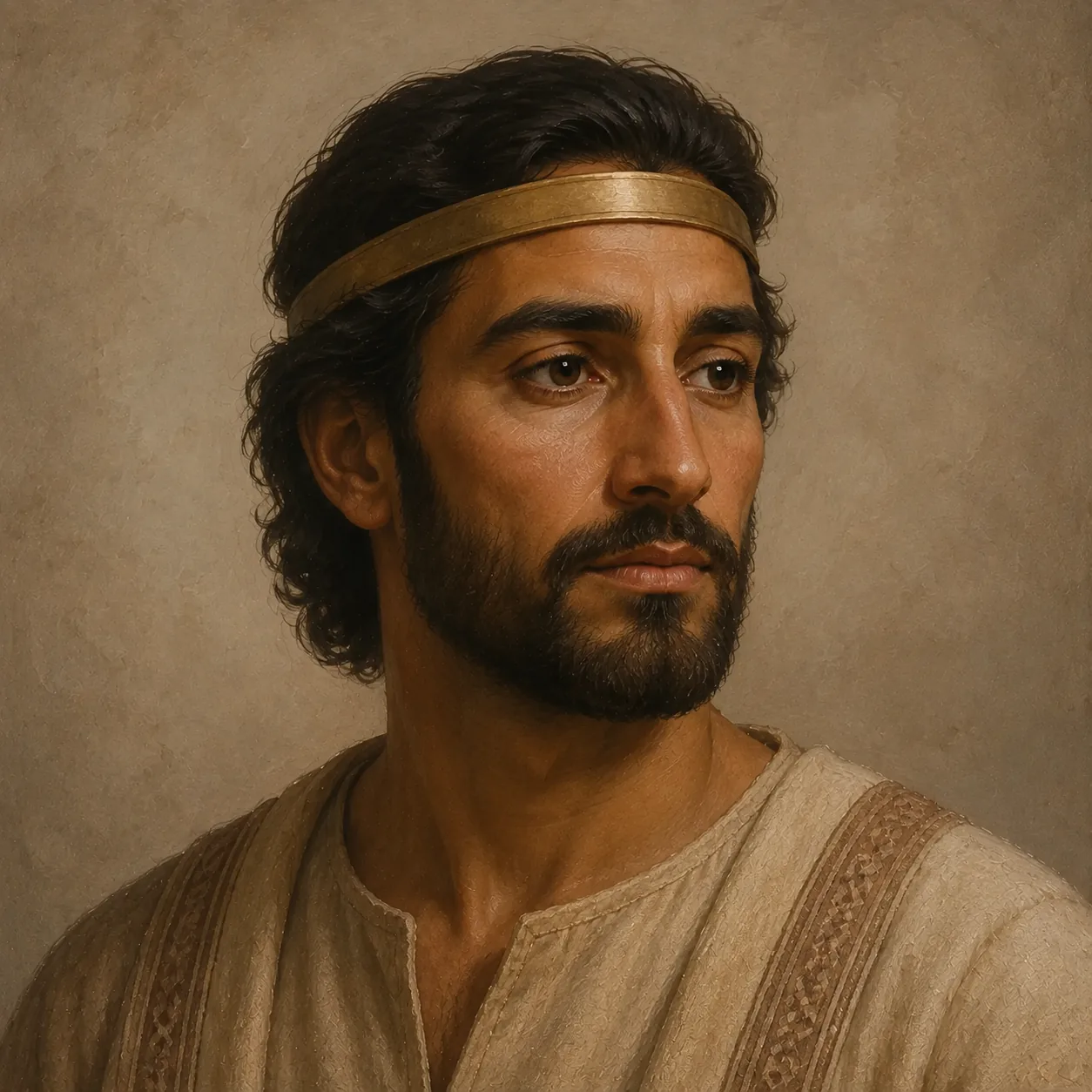
Manasseh becomes king at twelve and reigns fifty-five years; his mother is Hephzi-bah. The narrator says he does evil after the abominations of the nations the Lord cast out: he rebuilds the high places Hezekiah destroyed, raises altars for Baal, makes a grove as Ahab did, worships the host of heaven, builds altars in the house of the Lord and its two courts, makes his son pass through the fire, and deals with enchantments, familiar spirits and wizards. He sets a graven image of the grove in the house of which the Lord had told David and Solomon he would put his name there for ever, with the promise that Israel would not be moved from the land if they kept the law. The people do not listen, and Manasseh leads them to do worse than the nations the Lord destroyed. The Lord speaks by the prophets: because Manasseh has done worse than the Amorites and made Judah sin, the Lord will bring on Jerusalem an evil that makes ears tingle, stretch over it the line of Samaria and the plummet of Ahab's house, wipe it as a dish, and give the remnant to their enemies. The narrator adds that Manasseh shed very much innocent blood, filling Jerusalem from one end to another. He dies and is buried in the garden of Uzza; Amon reigns. Amon is twenty-two, reigns two years, and does evil as his father did. His servants conspire and kill him in his house; the people of the land kill the conspirators and make Josiah king. Amon is buried in the garden of Uzza.
Cited passages: 2 Kings 21:1, 2 Kings 21:2, 2 Kings 21:3, 2 Kings 21:4, 2 Kings 21:5, 2 Kings 21:6, 2 Kings 21:7, 2 Kings 21:8, 2 Kings 21:9, 2 Kings 21:10, 2 Kings 21:11, 2 Kings 21:12, 2 Kings 21:13, 2 Kings 21:14, 2 Kings 21:15, 2 Kings 21:16, 2 Kings 21:18, 2 Kings 21:19, 2 Kings 21:20, 2 Kings 21:22, 2 Kings 21:23, 2 Kings 21:24, 2 Kings 21:26
2 Kings 21 (KJV)
1Manasseh was twelve years old when he began to reign, and reigned fifty and five years in Jerusalem. And his mother’s name was Hephzi-bah.
2And he did that which was evil in the sight of the Lord, after the abominations of the heathen, whom the Lord cast out before the children of Israel.
3For he built up again the high places which Hezekiah his father had destroyed; and he reared up altars for Baal, and made a grove, as did Ahab king of Israel; and worshipped all the host of heaven, and served them.
4And he built altars in the house of the Lord, of which the Lord said, In Jerusalem will I put my name.
5And he built altars for all the host of heaven in the two courts of the house of the Lord.
6And he made his son pass through the fire, and observed times, and used enchantments, and dealt with familiar spirits and wizards: he wrought much wickedness in the sight of the Lord, to provoke him to anger.
7And he set a graven image of the grove that he had made in the house, of which the Lord said to David, and to Solomon his son, In this house, and in Jerusalem, which I have chosen out of all tribes of Israel, will I put my name for ever:
8Neither will I make the feet of Israel move any more out of the land which I gave their fathers; only if they will observe to do according to all that I have commanded them, and according to all the law that my servant Moses commanded them.
9But they hearkened not: and Manasseh seduced them to do more evil than did the nations whom the Lord destroyed before the children of Israel.
10And the Lord spake by his servants the prophets, saying,
11Because Manasseh king of Judah hath done these abominations, and hath done wickedly above all that the Amorites did, which were before him, and hath made Judah also to sin with his idols:
12Therefore thus saith the Lord God of Israel, Behold, I am bringing such evil upon Jerusalem and Judah, that whosoever heareth of it, both his ears shall tingle.
13And I will stretch over Jerusalem the line of Samaria, and the plummet of the house of Ahab: and I will wipe Jerusalem as a man wipeth a dish, wiping it, and turning it upside down.
14And I will forsake the remnant of mine inheritance, and deliver them into the hand of their enemies; and they shall become a prey and a spoil to all their enemies;
15Because they have done that which was evil in my sight, and have provoked me to anger, since the day their fathers came forth out of Egypt, even unto this day.
16Moreover Manasseh shed innocent blood very much, till he had filled Jerusalem from one end to another; beside his sin wherewith he made Judah to sin, in doing that which was evil in the sight of the Lord.
17Now the rest of the acts of Manasseh, and all that he did, and his sin that he sinned, are they not written in the book of the chronicles of the kings of Judah?
18And Manasseh slept with his fathers, and was buried in the garden of his own house, in the garden of Uzza: and Amon his son reigned in his stead.
19Amon was twenty and two years old when he began to reign, and he reigned two years in Jerusalem. And his mother’s name was Meshullemeth, the daughter of Haruz of Jotbah.
20And he did that which was evil in the sight of the Lord, as his father Manasseh did.
21And he walked in all the way that his father walked in, and served the idols that his father served, and worshipped them:
22And he forsook the Lord God of his fathers, and walked not in the way of the Lord.
23And the servants of Amon conspired against him, and slew the king in his own house.
24And the people of the land slew all them that had conspired against king Amon; and the people of the land made Josiah his son king in his stead.
25Now the rest of the acts of Amon which he did, are they not written in the book of the chronicles of the kings of Judah?
26And he was buried in his sepulchre in the garden of Uzza: and Josiah his son reigned in his stead.
This page shows the King James Version. In the app, reading opens in the Berean Standard Bible unless you have chosen another translation. The reader includes five translations: the Berean Standard Bible (BSB), the King James Version (KJV), the World English Bible (WEB), the Bible in Basic English (BBE), and the American Standard Version (ASV). Search covers three of them: Berean Standard, King James, and World English. Basic English and American Standard readers search the King James words.
Historical context
This Manasseh is the king of Judah, the son of Hezekiah, not the tribe or Joseph's son of the same name. His fifty-five years are the longest reign recorded for any king of Judah in this book, and the chapter fills them with a catalogue of practices rather than events; no war, building or foreign king is named. The prophets who speak are unnamed and their words are given as a single oracle. The judgment borrows two earlier measures, the line of Samaria and the plummet of the house of Ahab, so Jerusalem's fate is tied to the northern kingdom already exiled in chapter 17. The narrator's charge of innocent blood is separate from the oracle and gives no names or number of victims. Kings records no repentance by Manasseh; 2 Chronicles 33 says he humbled himself and prayed, and this chapter says nothing of it. Later chapters return to Manasseh as the reason Judah's fall was not averted even by Josiah. Both Manasseh and Amon are buried in the garden of Uzza rather than in the city of David, and the text does not explain the change. Amon's killers are only his servants, unnamed and without stated motive, and the people of the land, not a prophet or priest, execute them and enthrone Josiah, who is not given an age until the next chapter.
Cited passages: 2 Kings 21:3, 2 Kings 21:1, 2 Kings 21:10, 2 Kings 21:13, 2 Kings 17:18, 2 Kings 21:16, 2 Chronicles 33:12, 2 Kings 23:26, 2 Kings 24:3, 2 Kings 21:18, 2 Kings 21:26, 2 Kings 21:23, 2 Kings 21:24
Literary context
The chapter is written as a reversal of chapter 18. Hezekiah removed the high places; Manasseh built them up again. Hezekiah trusted the Lord as no king before or after; Manasseh does worse than the nations the Lord destroyed. The verbs pile up, built, reared, made, worshipped, served, built, made, observed, used, dealt, and the list is interrupted twice by the Lord's own earlier words about the house and the land, so each act is set against a promise. The oracle answers with images of measuring and wiping, the line, the plummet, the dish turned upside down, which treat the city as an object to be assessed and emptied. The comparison to Ahab and the line of Samaria bind Judah's story to Israel's already finished one. Amon's short reign is told in the same vocabulary as his father's, walked, served, worshipped, so that repetition itself is the point. The chapter ends with a conspiracy answered by the people of the land, which puts Josiah on the throne and prepares the next reversal.
Cited passages: 2 Kings 18:4, 2 Kings 21:3, 2 Kings 18:5, 2 Kings 21:9, 2 Kings 21:6, 2 Kings 21:4, 2 Kings 21:8, 2 Kings 21:13, 2 Kings 21:21, 2 Kings 21:24
Key moments
- High places rebuilt (2 Kings 21:3). Manasseh rebuilds what Hezekiah destroyed and raises altars for Baal.
- Altars in the Lord's house (2 Kings 21:4). Manasseh builds altars inside the house where the Lord said he would put his name.
- A son passed through the fire (2 Kings 21:6). Manasseh makes his son pass through the fire and practises enchantments and wizardry.
- The graven image in the house (2 Kings 21:7). Manasseh sets the image of the grove in the temple against the Lord's promise to David and Solomon.
- Jerusalem wiped like a dish (2 Kings 21:13). The Lord declares through the prophets that Jerusalem will be measured by Samaria's line and wiped clean.
- Innocent blood fills Jerusalem (2 Kings 21:16). The narrator says Manasseh shed very much innocent blood from one end of the city to the other.
- Amon killed and Josiah enthroned (2 Kings 21:24). The people of the land execute Amon's killers and make Josiah king.
For reflection
The chapter quotes the Lord's promise that Israel would not be moved from the land, and then the conditional clause, only if they observe all that he commanded. How does reading the promise and its condition together shape the way the oracle that follows lands?
People in this chapter
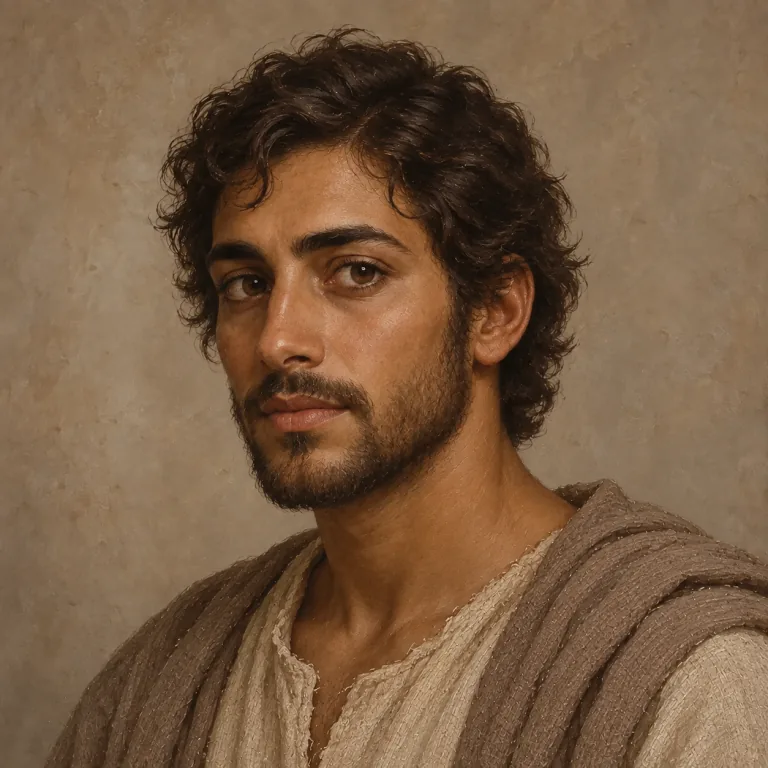
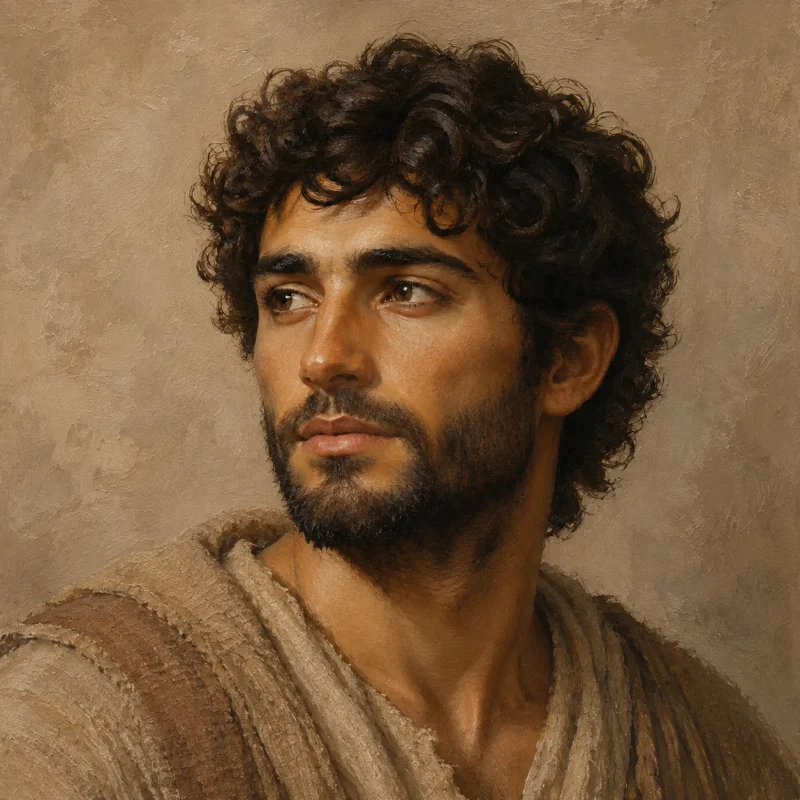
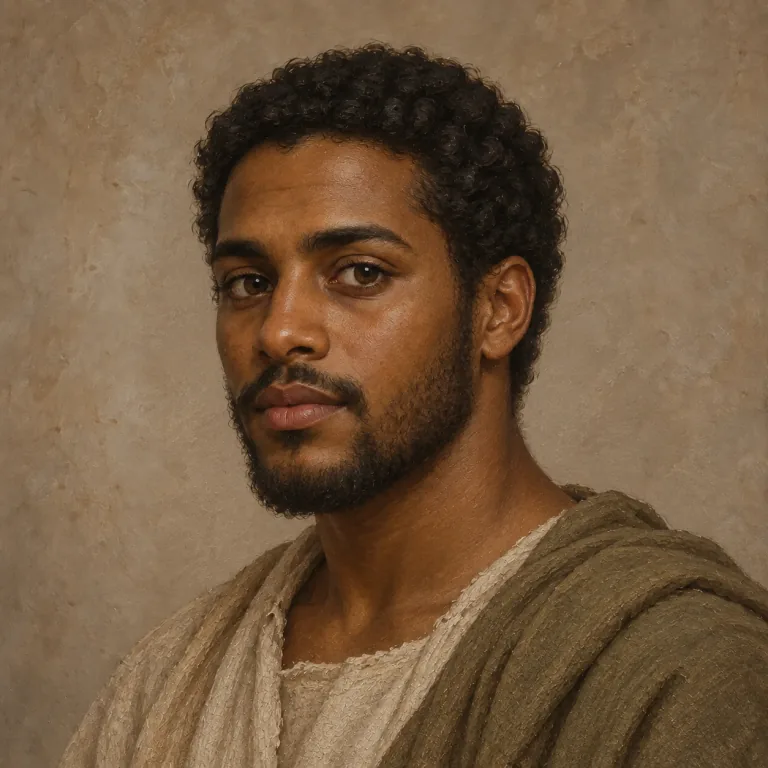
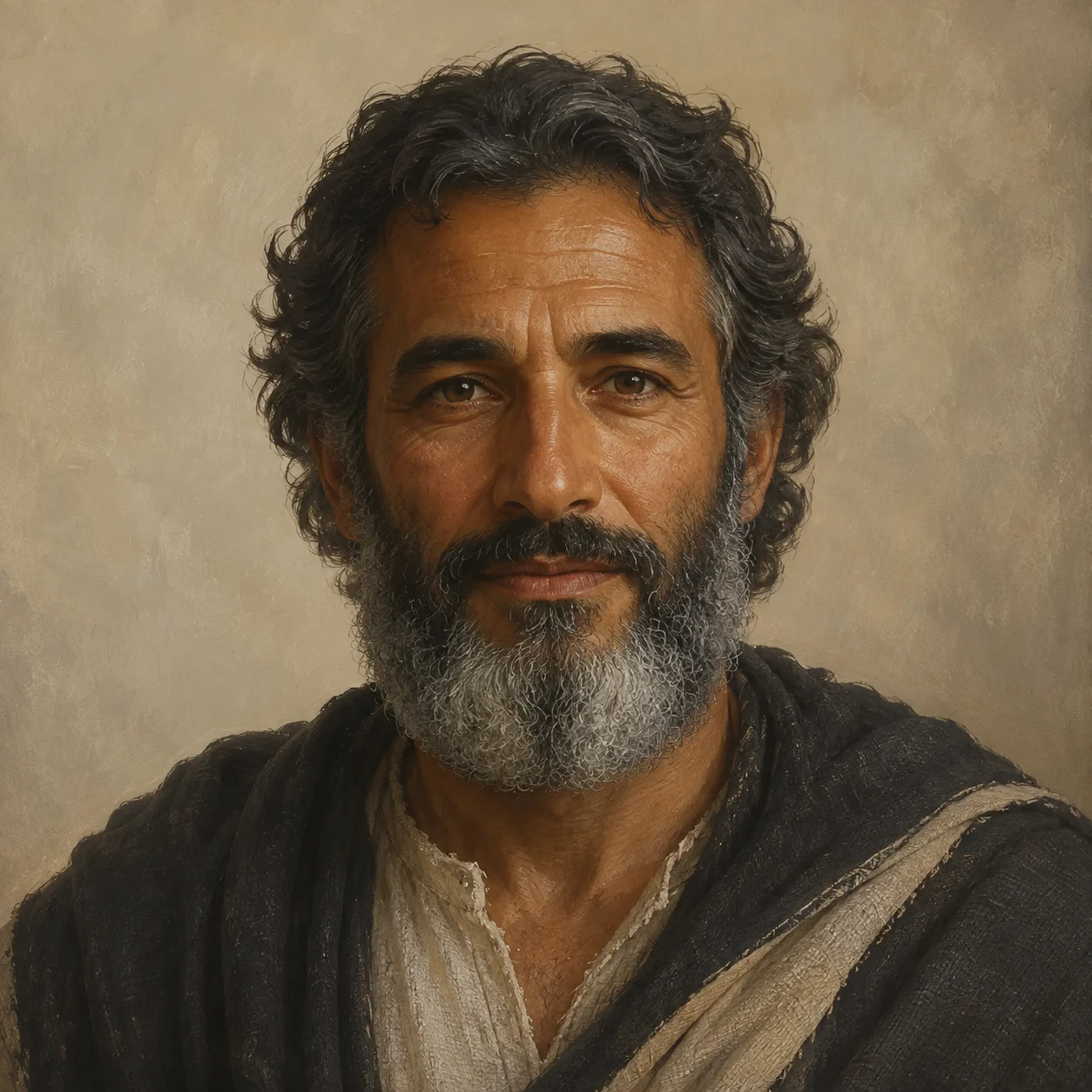
Also indexed here:
- Amon
- Haruz
- Hephzibah
- Meshullemeth