The Histories · Old Testament
2 Kings 16
2 Kings 16: Ahaz buys Assyrian help and copies the altar of Damascus
General context
Ahaz the son of Jotham begins to reign over Judah at twenty and reigns sixteen years. The narrator says he does not do right like David but walks in the way of the kings of Israel, makes his son pass through the fire, and sacrifices on the high places, on the hills and under every green tree. Rezin king of Syria and Pekah king of Israel come up against Jerusalem and besiege Ahaz but cannot overcome him; Rezin recovers Elath for Syria and drives the Jews out. Ahaz sends to Tiglath-pileser king of Assyria, calling himself his servant and son, and sends the silver and gold of the house of the Lord and the king's treasuries as a present. The king of Assyria takes Damascus, carries its people to Kir and kills Rezin. Ahaz goes to Damascus to meet Tiglath-pileser, sees an altar there, and sends its pattern to Urijah the priest, who builds a copy before the king returns. Ahaz offers on the new altar, moves the brasen altar from before the house to the north side, and commands Urijah to burn all the regular offerings on the great altar while keeping the brasen altar for himself to enquire by. Urijah does as commanded. Ahaz also cuts the borders off the bases, removes the laver, takes the sea down from the brasen oxen onto a stone pavement, and turns the sabbath covert and the king's outer entry from the house of the Lord, which the narrator says was done for the king of Assyria. Ahaz dies and Hezekiah reigns.
Cited passages: 2 Kings 16:1, 2 Kings 16:2, 2 Kings 16:3, 2 Kings 16:4, 2 Kings 16:5, 2 Kings 16:6, 2 Kings 16:7, 2 Kings 16:8, 2 Kings 16:9, 2 Kings 16:10, 2 Kings 16:11, 2 Kings 16:12, 2 Kings 16:14, 2 Kings 16:15, 2 Kings 16:16, 2 Kings 16:17, 2 Kings 16:18, 2 Kings 16:20
2 Kings 16 (KJV)
1In the seventeenth year of Pekah the son of Remaliah Ahaz the son of Jotham king of Judah began to reign.
2Twenty years old was Ahaz when he began to reign, and reigned sixteen years in Jerusalem, and did not that which was right in the sight of the Lord his God, like David his father.
3But he walked in the way of the kings of Israel, yea, and made his son to pass through the fire, according to the abominations of the heathen, whom the Lord cast out from before the children of Israel.
4And he sacrificed and burnt incense in the high places, and on the hills, and under every green tree.
5Then Rezin king of Syria and Pekah son of Remaliah king of Israel came up to Jerusalem to war: and they besieged Ahaz, but could not overcome him.
6At that time Rezin king of Syria recovered Elath to Syria, and drave the Jews from Elath: and the Syrians came to Elath, and dwelt there unto this day.
7So Ahaz sent messengers to Tiglath-pileser king of Assyria, saying, I am thy servant and thy son: come up, and save me out of the hand of the king of Syria, and out of the hand of the king of Israel, which rise up against me.
8And Ahaz took the silver and gold that was found in the house of the Lord, and in the treasures of the king’s house, and sent it for a present to the king of Assyria.
9And the king of Assyria hearkened unto him: for the king of Assyria went up against Damascus, and took it, and carried the people of it captive to Kir, and slew Rezin.
10And king Ahaz went to Damascus to meet Tiglath-pileser king of Assyria, and saw an altar that was at Damascus: and king Ahaz sent to Urijah the priest the fashion of the altar, and the pattern of it, according to all the workmanship thereof.
11And Urijah the priest built an altar according to all that king Ahaz had sent from Damascus: so Urijah the priest made it against king Ahaz came from Damascus.
12And when the king was come from Damascus, the king saw the altar: and the king approached to the altar, and offered thereon.
13And he burnt his burnt offering and his meat offering, and poured his drink offering, and sprinkled the blood of his peace offerings, upon the altar.
14And he brought also the brasen altar, which was before the Lord, from the forefront of the house, from between the altar and the house of the Lord, and put it on the north side of the altar.
15And king Ahaz commanded Urijah the priest, saying, Upon the great altar burn the morning burnt offering, and the evening meat offering, and the king’s burnt sacrifice, and his meat offering, with the burnt offering of all the people of the land, and their meat offering, and their drink offerings; and sprinkle upon it all the blood of the burnt offering, and all the blood of the sacrifice: and the brasen altar shall be for me to enquire by.
16Thus did Urijah the priest, according to all that king Ahaz commanded.
17And king Ahaz cut off the borders of the bases, and removed the laver from off them; and took down the sea from off the brasen oxen that were under it, and put it upon a pavement of stones.
18And the covert for the sabbath that they had built in the house, and the king’s entry without, turned he from the house of the Lord for the king of Assyria.
19Now the rest of the acts of Ahaz which he did, are they not written in the book of the chronicles of the kings of Judah?
20And Ahaz slept with his fathers, and was buried with his fathers in the city of David: and Hezekiah his son reigned in his stead.
This page shows the King James Version. In the app, reading opens in the Berean Standard Bible unless you have chosen another translation. The reader includes five translations: the Berean Standard Bible (BSB), the King James Version (KJV), the World English Bible (WEB), the Bible in Basic English (BBE), and the American Standard Version (ASV). Search covers three of them: Berean Standard, King James, and World English. Basic English and American Standard readers search the King James words.
Historical context
The chapter names the attackers as Rezin king of Syria and Pekah son of Remaliah king of Israel, the pair the previous chapter said the Lord began to send against Judah in Jotham's days. The siege is stated to have failed, yet Elath, which Azariah had restored to Judah, is lost to Syria. The text calls the inhabitants driven out the Jews. Ahaz's message to Tiglath-pileser is quoted, and the narrator says the gift came from the house of the Lord and the royal treasury, the same stores Jehoash of Israel had emptied two chapters earlier. What Ahaz saw at Damascus is described only as an altar; the text does not say whose altar it was or what worship it served, and it does not say Ahaz worshipped a foreign god on it. The offerings he commands are the regular ones, the morning burnt offering, the evening meat offering and the people's offerings. His own words, that the brasen altar shall be for him to enquire by, are not explained. Urijah the priest appears only in this chapter of Kings and acts on the king's orders without recorded speech. The narrator ties the changes to the temple entrances to the king of Assyria but does not say what Assyria required. The son made to pass through the fire is unnamed, and the chapter gives no number of children or further detail.
Cited passages: 2 Kings 16:5, 2 Kings 15:37, 2 Kings 16:6, 2 Kings 14:22, 2 Kings 16:7, 2 Kings 16:8, 2 Kings 14:14, 2 Kings 16:10, 2 Kings 16:15, 2 Kings 16:16, 2 Kings 16:18, 2 Kings 16:3
Literary context
The verdict on Ahaz is stated in negatives: not right, not like David, but in the way of the kings of Israel. The chapter then shows that way in two movements. The first is political: siege, appeal, payment, rescue. Ahaz's words, servant and son, mark the relationship he chooses, and the narrator answers by describing the temple silver and gold leaving Jerusalem. The second movement is cultic and slow: the altar is seen, its pattern sent, built, approached, offered on, and then the older brasen altar is physically moved aside. The repeated phrase, according to all that king Ahaz had sent, according to all that king Ahaz commanded, puts the priest entirely under the king's direction. The closing list of dismantled temple furnishings, bases, laver, sea, covert and entry, is told as a run of removals with no purpose stated except the king of Assyria. The chapter ends by naming Hezekiah, whose reign the next chapters describe.
Cited passages: 2 Kings 16:2, 2 Kings 16:3, 2 Kings 16:7, 2 Kings 16:8, 2 Kings 16:10, 2 Kings 16:11, 2 Kings 16:12, 2 Kings 16:14, 2 Kings 16:16, 2 Kings 16:17, 2 Kings 16:20
Key moments
- A son passed through the fire (2 Kings 16:3). The narrator says Ahaz walks in the way of Israel's kings and makes his son pass through the fire.
- Jerusalem besieged (2 Kings 16:5). Rezin and Pekah besiege Ahaz in Jerusalem but cannot overcome him.
- Servant and son of Assyria (2 Kings 16:7). Ahaz sends to Tiglath-pileser for rescue, calling himself his servant and son.
- Damascus taken and Rezin killed (2 Kings 16:9). The king of Assyria takes Damascus, deports its people to Kir and kills Rezin.
- The altar pattern sent to Urijah (2 Kings 16:10). Ahaz sees an altar at Damascus and sends its pattern to Urijah the priest.
- The brasen altar moved aside (2 Kings 16:14). Ahaz moves the brasen altar from before the house to the north side of the new altar.
- Temple furnishings dismantled (2 Kings 16:17). Ahaz cuts the bases, removes the laver and sets the sea on a stone pavement.
For reflection
Ahaz calls himself the servant and son of the king of Assyria and pays with the temple's silver and gold. The narrator records the rescue and then the slow rearrangement of the house of the Lord. What does the chapter let a reader see about the cost of the help Ahaz asked for?
People in this chapter
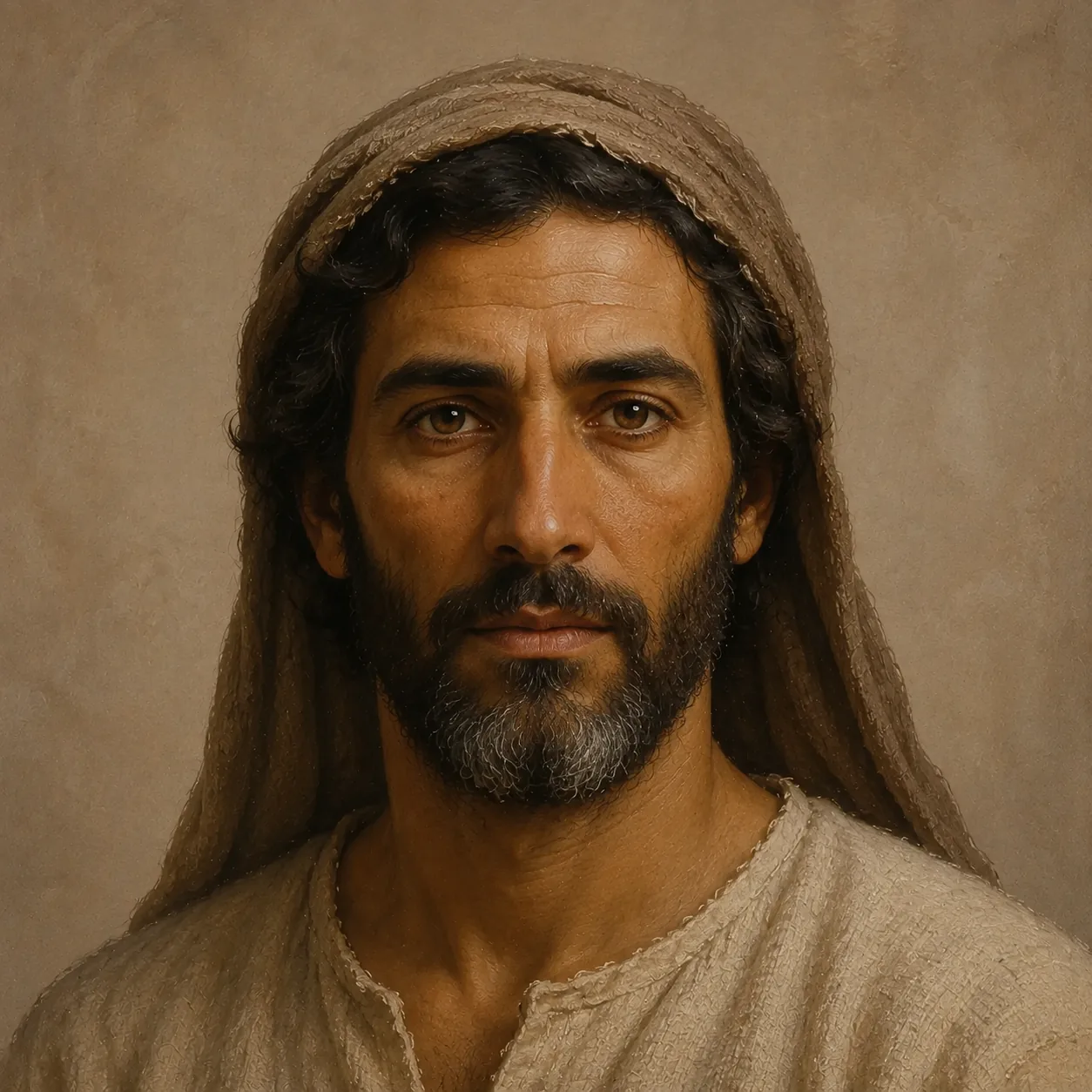
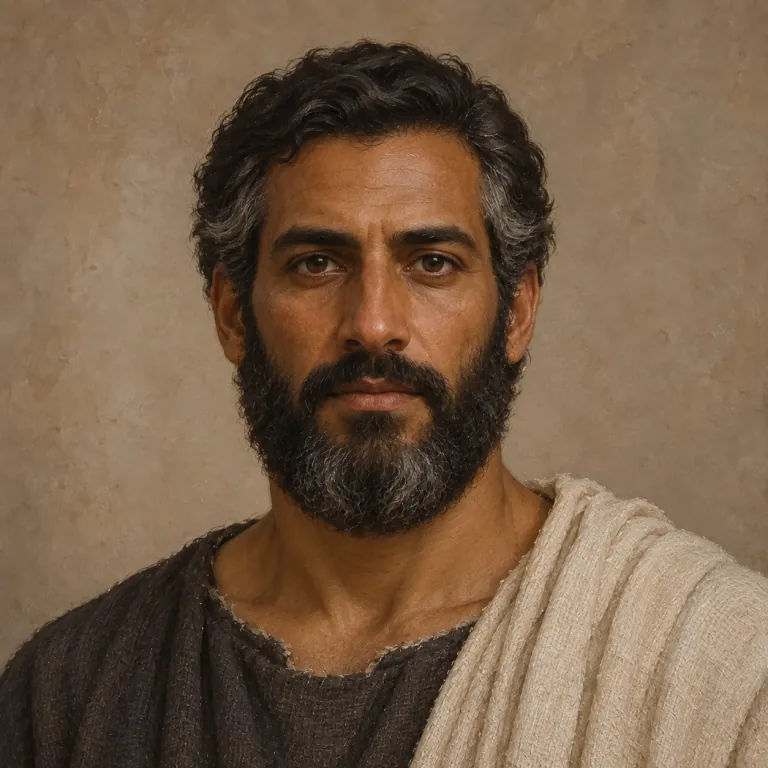
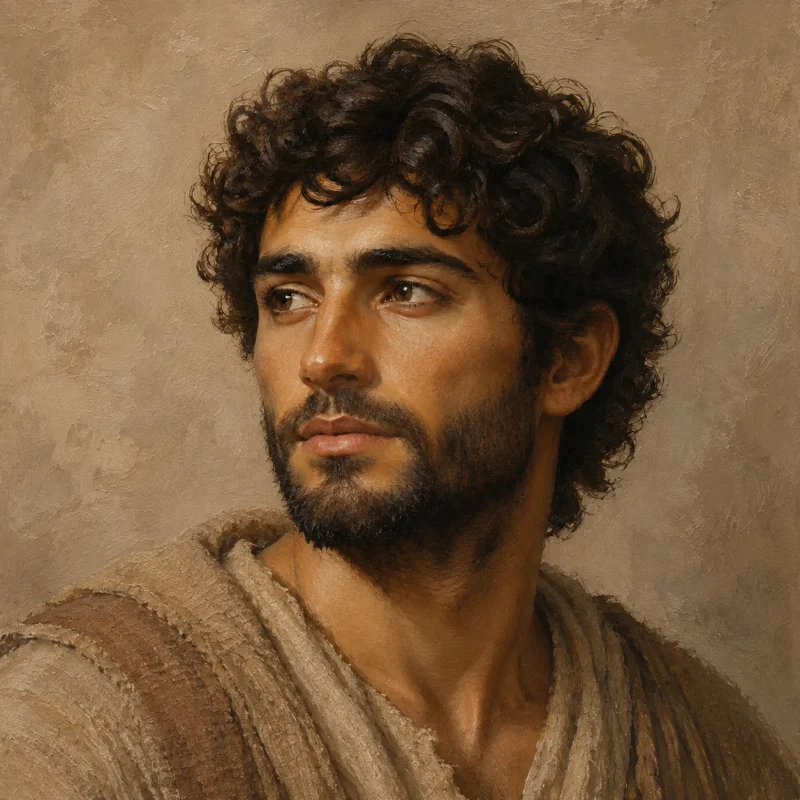
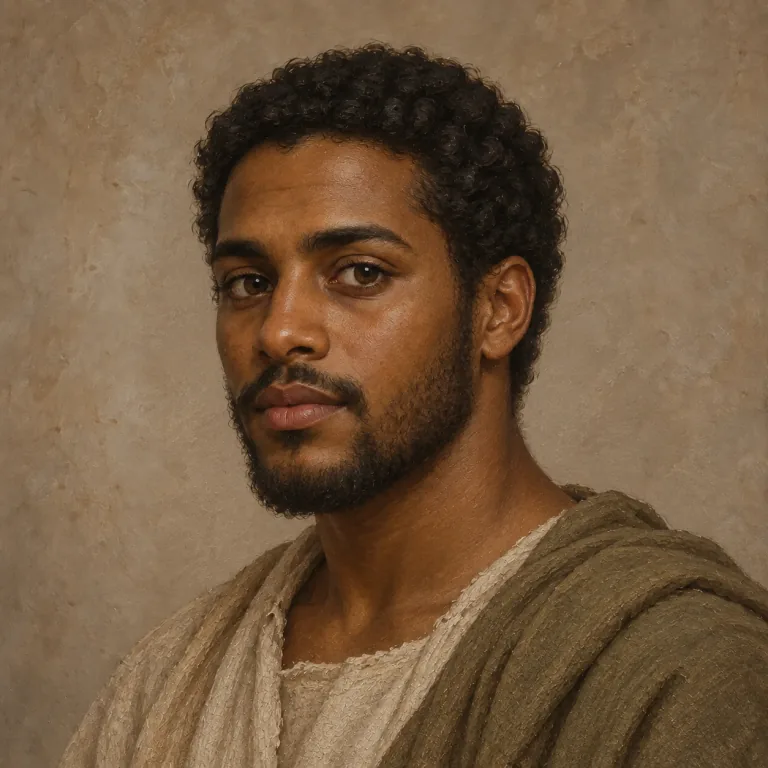
Also indexed here: