Person in the Old and New Testaments
Isaiah
Isaiah: the son of Amoz who carried the Lord's word to Ahaz and Hezekiah
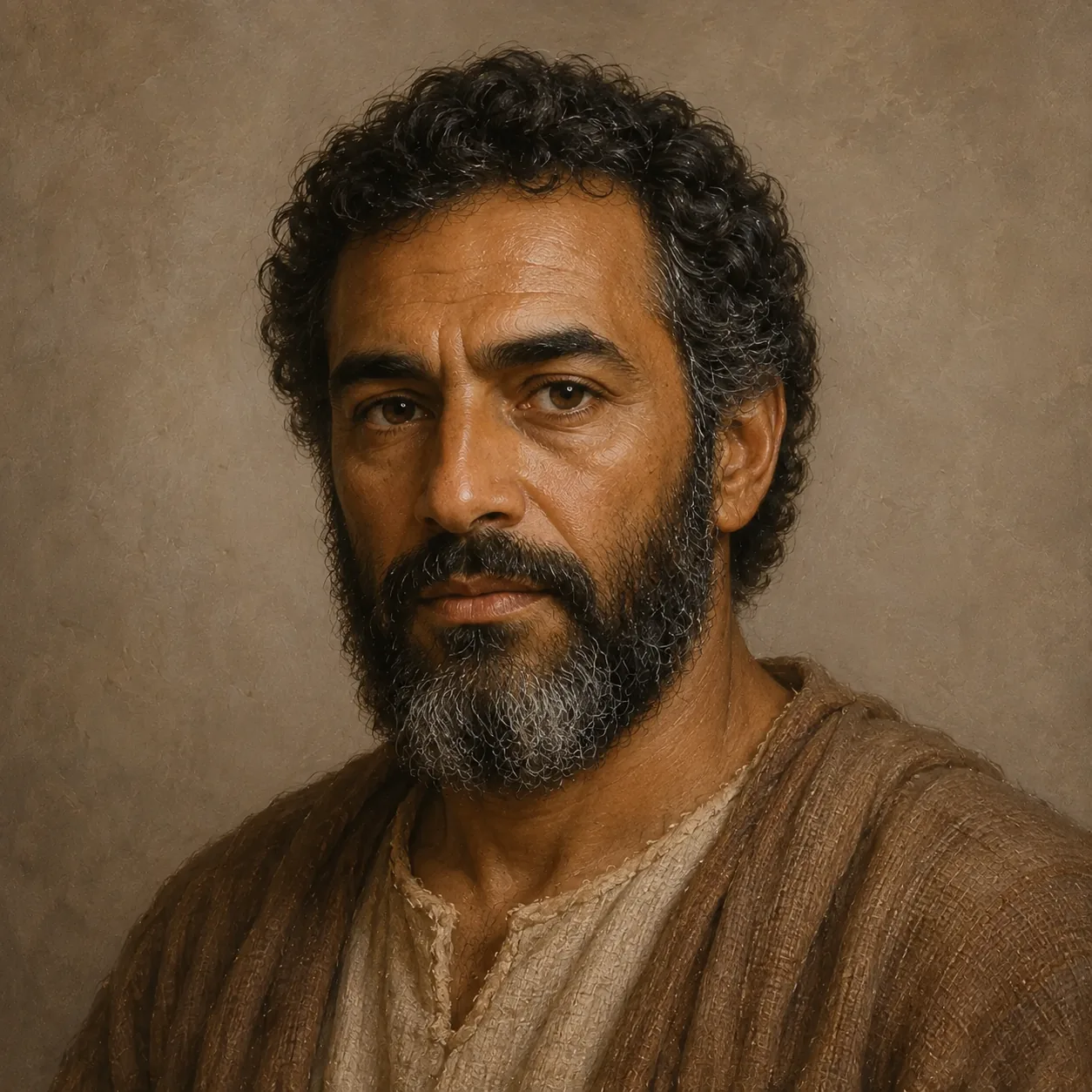
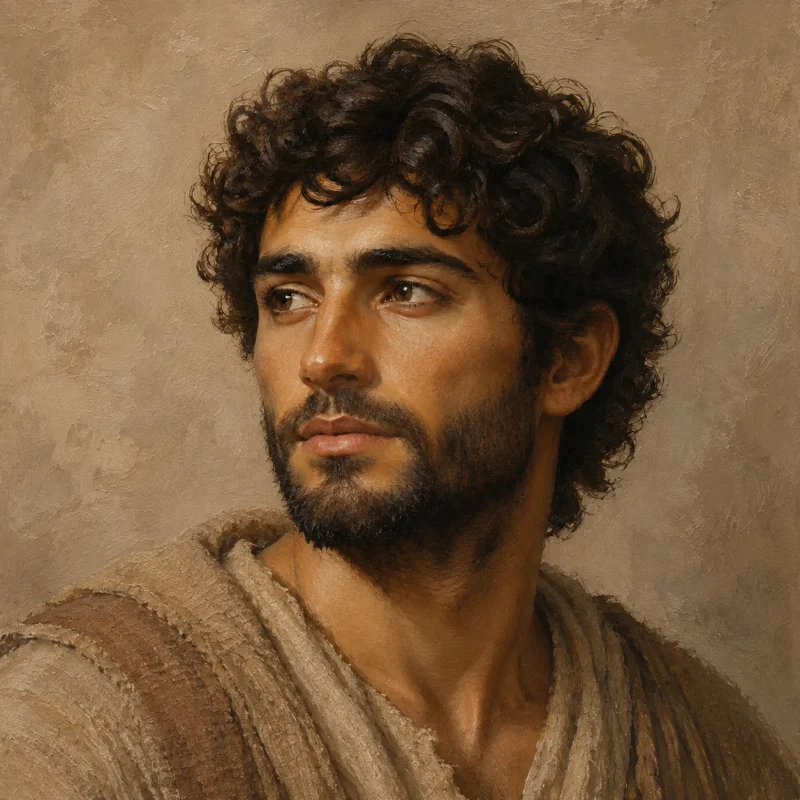
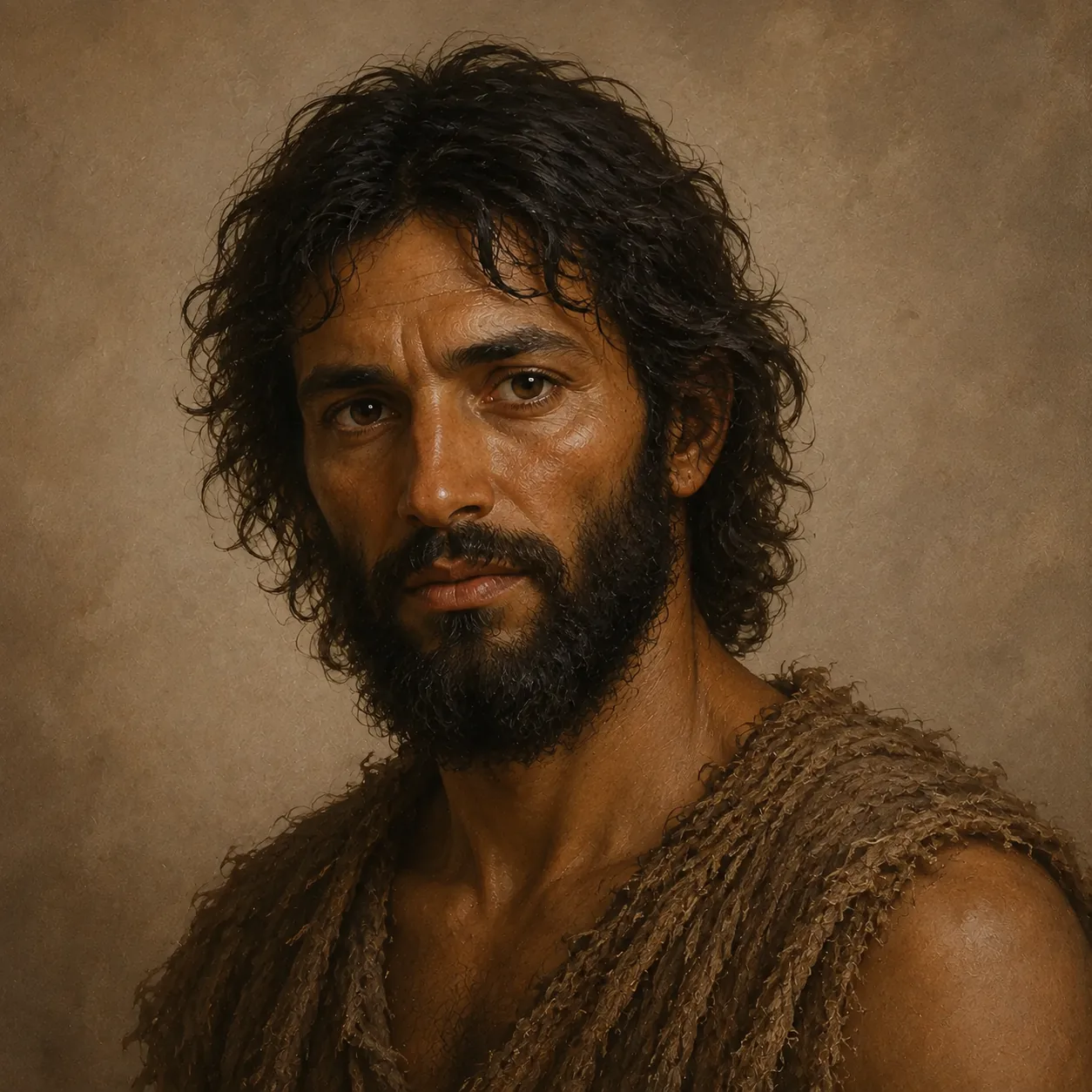
Portrait: an AI-generated artistic interpretation, not evidence of how Isaiah looked.
Who Isaiah is
The text calls him Isaiah the son of Amoz and the prophet. Three headings name him: the vision concerning Judah and Jerusalem in the days of Uzziah, Jotham, Ahaz and Hezekiah, a word about Judah and Jerusalem, and the burden of Babylon. In the days of Ahaz the Lord sends him with his son Shear-jashub to meet the king and tell him not to fear Syria and Ephraim; when Ahaz refuses to ask a sign, the Immanuel sign is given anyway. In the first-person account that follows, the speaker writes on a great roll, goes to the prophetess, names their son Maher-shalal-hash-baz at the Lord's command, and says he and his children are signs and wonders. When Ashdod falls to Assyria, the Lord tells Isaiah to loose his sackcloth and shoes, and he walks naked and barefoot three years as a sign against Egypt and Ethiopia. After Rabshakeh's threats, Hezekiah's officers come to him in sackcloth; he answers that the Lord will send a blast on the king of Assyria, after Hezekiah prays over Sennacherib's letter, he sends word that the king will not enter the city, and the angel of the Lord strikes the Assyrian camp. When Hezekiah is sick to death, Isaiah tells him to set his house in order, then reports that fifteen years are added, prescribes a lump of figs, and the shadow returns on the dial of Ahaz as a sign. After Babylonian envoys see the treasures, he asks what they saw and announces that all will be carried to Babylon and the king's sons made eunuchs there. Chronicles says he wrote Uzziah's acts, prayed and cried to heaven with Hezekiah, and that Hezekiah's acts are written in his vision.
Cited passages: Isaiah 1:1, Isaiah 2:1, Isaiah 13:1, Isaiah 7:3, Isaiah 7:4, Isaiah 7:12, Isaiah 7:14, Isaiah 8:1, Isaiah 8:3, Isaiah 8:18, Isaiah 20:2, Isaiah 20:3, Isaiah 37:2, Isaiah 37:6, Isaiah 37:7, Isaiah 37:21, Isaiah 37:33, Isaiah 37:36, Isaiah 38:1, Isaiah 38:5, Isaiah 38:21, 2 Kings 20:11, Isaiah 39:3, Isaiah 39:6, Isaiah 39:7, 2 Chronicles 26:22, 2 Chronicles 32:20, 2 Chronicles 32:32
Historical setting
The text establishes his father's name, Amoz, and two sons, Shear-jashub in chapter 7 and, in the first-person account of chapter 8, Maher-shalal-hash-baz; the mother of the second is called the prophetess and is not named. His wife's name, his birth, his age and his death are not given anywhere in this source. The three headings that carry his name attach it to the vision of chapter 1, the word of chapter 2 and the burden of Babylon in chapter 13; the source does not print any statement assigning the rest of the book to him, and the throne vision of chapter 6 and the roll of chapter 8 are told in the first person without the name appearing in those chapters. The Hezekiah narratives exist twice, in 2 Kings 19 and 20 and in Isaiah 37 to 39, in nearly the same words, with small differences: 2 Kings has Hezekiah choose the shadow's direction and Isaiah cry to the Lord, while Isaiah 38 has the sign announced inside the Lord's message with no choice offered; 2 Kings spells the Babylonian king Berodach-baladan where Isaiah has Merodach-baladan. Isaiah 38 also places Hezekiah's writing before the note about the figs. Chronicles credits him with writing Uzziah's acts and with a vision in which Hezekiah's acts are recorded. The New Testament names him as Esaias in Matthew, Mark, Luke, John, Acts and Romans, always as the prophet whose words are quoted, for example when the book of the prophet Esaias is handed over and when a man reads Esaias in his chariot; Mark 1:2 cites the prophets without naming him.
Cited passages: 2 Kings 19:2, Isaiah 7:3, Isaiah 8:3, Isaiah 1:1, Isaiah 2:1, Isaiah 13:1, Isaiah 6:1, Isaiah 6:8, 2 Kings 20:10, 2 Kings 20:11, Isaiah 38:8, 2 Kings 20:12, Isaiah 39:1, Isaiah 38:9, Isaiah 38:21, 2 Chronicles 26:22, 2 Chronicles 32:32, Matthew 3:3, Mark 7:6, Luke 4:17, John 12:41, Acts 8:28, Romans 10:16, Mark 1:2
How the story is told
In the narratives he is a messenger who relays speech, and the text marks that carefully: Thus saith the Lord opens most of what he says, and in the Assyrian crisis he twice speaks through intermediaries, first to the officers and then by sending to Hezekiah. His own body and family become the message. He walks stripped for three years to show what Assyria will do to Egypt, his sons carry names that are sentences, and he says outright that he and his children are for signs and wonders. The first-person chapters give a different texture: a throne vision with a coal on the lips and the words Here am I, send me, followed by a commission to make hearts fat, and a domestic scene of a roll, witnesses and a birth. With Hezekiah after the Babylonian visit, his manner is to ask questions and let the answer condemn: What said these men? What have they seen in thine house? His dealings with the two kings invert each other. To Ahaz he offers a sign that the king refuses; to Hezekiah he gives a sign the king requests. The Hezekiah stories run from deliverance, to a reprieve from death, to a warning about Babylon, and the last word belongs to the king, who calls the hard word good because peace will last his days. In the New Testament his name works as a label for fulfilled or explanatory scripture, spoken by Esaias, as said the prophet Esaias, Esaias is very bold; John alone makes a claim about the man himself, that he saw his glory.
Cited passages: Isaiah 37:6, Isaiah 37:21, Isaiah 20:3, Isaiah 20:4, Isaiah 8:18, Isaiah 6:7, Isaiah 6:8, Isaiah 6:10, Isaiah 8:2, Isaiah 39:3, Isaiah 39:4, Isaiah 7:11, Isaiah 7:12, 2 Kings 20:8, Isaiah 39:8, Matthew 8:17, John 1:23, Romans 10:20, John 12:41
Story moments
- Here am I; send me (Isaiah 6:8). After the coal touches his lips, the speaker volunteers when the Lord asks whom to send.
- Meeting Ahaz with Shear-jashub (Isaiah 7:3). The Lord sends Isaiah and his son to tell Ahaz not to fear Syria and Ephraim.
- A son named Maher-shalal-hash-baz (Isaiah 8:3). The prophetess bears a son whose name the Lord assigns; before the child can speak, Damascus and Samaria will be spoiled by the king of Assyria.
- Three years naked and barefoot (Isaiah 20:3). The Lord calls Isaiah his servant and explains his stripped walk as a sign against Egypt and Ethiopia.
- Word sent against Sennacherib (Isaiah 37:21). Isaiah sends Hezekiah the Lord's answer that the king of Assyria will not enter the city.
- Set thine house in order (Isaiah 38:1). Isaiah tells the dying Hezekiah he will not live, before the Lord adds fifteen years.
- Everything carried to Babylon (Isaiah 39:6). After the Babylonian envoys leave, Isaiah announces the treasures and the king's sons will go to Babylon.
Key passages
2 Kings 19:2
And he sent Eliakim, which was over the household, and Shebna the scribe, and the elders of the priests, covered with sackcloth, to Isaiah the prophet the son of Amoz.
2 Kings 19:5
So the servants of king Hezekiah came to Isaiah.
2 Kings 19:6
And Isaiah said unto them, Thus shall ye say to your master, Thus saith the Lord, Be not afraid of the words which thou hast heard, with which the servants of the king of Assyria have blasphemed me.
2 Kings 19:20
Then Isaiah the son of Amoz sent to Hezekiah, saying, Thus saith the Lord God of Israel, That which thou hast prayed to me against Sennacherib king of Assyria I have heard.
2 Kings 20:1
In those days was Hezekiah sick unto death. And the prophet Isaiah the son of Amoz came to him, and said unto him, Thus saith the Lord, Set thine house in order; for thou shalt die, and not live.
2 Kings 20:4
And it came to pass, afore Isaiah was gone out into the middle court, that the word of the Lord came to him, saying,
King James Version. 54 indexed passages in total.
For reflection
Isaiah walks naked and barefoot for three years, and the children the Lord gives are called signs and wonders, so that a life becomes the message. What does it cost to let one's own body and family carry a word for others, and who else pays that cost?
Books Isaiah appears in
Related people
Names and references are adapted from STEPBible TIPNR. A person listed with a verse is named or indexed there; it does not mean they wrote or spoke it.