The Early Church · New Testament
Acts 13
Acts 13: Barnabas and Saul sent from Antioch and Paul's synagogue sermon
General context
At Antioch the prophets and teachers are Barnabas, Simeon called Niger, Lucius of Cyrene, Manaen brought up with Herod the tetrarch, and Saul. As they minister and fast the Holy Ghost says to separate Barnabas and Saul for a work, and after prayer and the laying on of hands they are sent away. They sail to Cyprus and preach at Salamis, with John as their minister. At Paphos they meet a sorcerer and false prophet named Bar-jesus, who is with the deputy Sergius Paulus. When Elymas withstands them, Saul, who also is called Paul, says the hand of the Lord is upon him and that he will be blind for a season, and a mist and a darkness fall on him. The deputy believes. From Paphos they come to Perga, and John leaves them and returns to Jerusalem. At Antioch in Pisidia the rulers of the synagogue invite a word, and Paul reviews Israel's past from Egypt through the judges to Saul and to David. He names Jesus as the Saviour raised of David's seed, recalls John's preaching, says those at Jerusalem asked Pilate for his death, and declares that God raised him and that he was seen many days. He supports this with quoted psalms, argues that David saw corruption while the one God raised did not, preaches forgiveness, and closes with a warning quoted from the prophets. Gentiles ask to hear more, and the next sabbath almost the whole city gathers. The Jews are filled with envy and contradict, and the two say they turn to the Gentiles. Persecution follows, they are expelled, shake off the dust of their feet and go to Iconium, and the disciples are filled with joy and with the Holy Ghost.
Cited passages: Acts 13:1, Acts 13:2, Acts 13:3, Acts 13:4, Acts 13:5, Acts 13:6, Acts 13:7, Acts 13:8, Acts 13:9, Acts 13:11, Acts 13:12, Acts 13:13, Acts 13:14, Acts 13:15, Acts 13:16, Acts 13:17, Acts 13:20, Acts 13:21, Acts 13:22, Acts 13:23, Acts 13:24, Acts 13:28, Acts 13:30, Acts 13:31, Acts 13:33, Acts 13:35, Acts 13:36, Acts 13:37, Acts 13:38, Acts 13:41, Acts 13:42, Acts 13:44, Acts 13:45, Acts 13:46, Acts 13:47, Acts 13:50, Acts 13:51, Acts 13:52
Acts 13 (KJV)
1Now there were in the church that was at Antioch certain prophets and teachers; as Barnabas, and Simeon that was called Niger, and Lucius of Cyrene, and Manaen, which had been brought up with Herod the tetrarch, and Saul.
2As they ministered to the Lord, and fasted, the Holy Ghost said, Separate me Barnabas and Saul for the work whereunto I have called them.
3And when they had fasted and prayed, and laid their hands on them, they sent them away.
4So they, being sent forth by the Holy Ghost, departed unto Seleucia; and from thence they sailed to Cyprus.
5And when they were at Salamis, they preached the word of God in the synagogues of the Jews: and they had also John to their minister.
6And when they had gone through the isle unto Paphos, they found a certain sorcerer, a false prophet, a Jew, whose name was Bar-jesus:
7Which was with the deputy of the country, Sergius Paulus, a prudent man; who called for Barnabas and Saul, and desired to hear the word of God.
8But Elymas the sorcerer (for so is his name by interpretation) withstood them, seeking to turn away the deputy from the faith.
9Then Saul, (who also is called Paul,) filled with the Holy Ghost, set his eyes on him,
10And said, O full of all subtilty and all mischief, thou child of the devil, thou enemy of all righteousness, wilt thou not cease to pervert the right ways of the Lord?
11And now, behold, the hand of the Lord is upon thee, and thou shalt be blind, not seeing the sun for a season. And immediately there fell on him a mist and a darkness; and he went about seeking some to lead him by the hand.
12Then the deputy, when he saw what was done, believed, being astonished at the doctrine of the Lord.
13Now when Paul and his company loosed from Paphos, they came to Perga in Pamphylia: and John departing from them returned to Jerusalem.
14But when they departed from Perga, they came to Antioch in Pisidia, and went into the synagogue on the sabbath day, and sat down.
15And after the reading of the law and the prophets the rulers of the synagogue sent unto them, saying, Ye men and brethren, if ye have any word of exhortation for the people, say on.
16Then Paul stood up, and beckoning with his hand said, Men of Israel, and ye that fear God, give audience.
17The God of this people of Israel chose our fathers, and exalted the people when they dwelt as strangers in the land of Egypt, and with an high arm brought he them out of it.
18And about the time of forty years suffered he their manners in the wilderness.
19And when he had destroyed seven nations in the land of Chanaan, he divided their land to them by lot.
20And after that he gave unto them judges about the space of four hundred and fifty years, until Samuel the prophet.
21And afterward they desired a king: and God gave unto them Saul the son of Cis, a man of the tribe of Benjamin, by the space of forty years.
22And when he had removed him, he raised up unto them David to be their king; to whom also he gave testimony, and said, I have found David the son of Jesse, a man after mine own heart, which shall fulfil all my will.
23Of this man’s seed hath God according to his promise raised unto Israel a Saviour, Jesus:
24When John had first preached before his coming the baptism of repentance to all the people of Israel.
25And as John fulfilled his course, he said, Whom think ye that I am? I am not he. But, behold, there cometh one after me, whose shoes of his feet I am not worthy to loose.
26Men and brethren, children of the stock of Abraham, and whosoever among you feareth God, to you is the word of this salvation sent.
27For they that dwell at Jerusalem, and their rulers, because they knew him not, nor yet the voices of the prophets which are read every sabbath day, they have fulfilled them in condemning him.
28And though they found no cause of death in him, yet desired they Pilate that he should be slain.
29And when they had fulfilled all that was written of him, they took him down from the tree, and laid him in a sepulchre.
30But God raised him from the dead:
31And he was seen many days of them which came up with him from Galilee to Jerusalem, who are his witnesses unto the people.
32And we declare unto you glad tidings, how that the promise which was made unto the fathers,
33God hath fulfilled the same unto us their children, in that he hath raised up Jesus again; as it is also written in the second psalm, Thou art my Son, this day have I begotten thee.
34And as concerning that he raised him up from the dead, now no more to return to corruption, he said on this wise, I will give you the sure mercies of David.
35Wherefore he saith also in another psalm, Thou shalt not suffer thine Holy One to see corruption.
36For David, after he had served his own generation by the will of God, fell on sleep, and was laid unto his fathers, and saw corruption:
37But he, whom God raised again, saw no corruption.
38Be it known unto you therefore, men and brethren, that through this man is preached unto you the forgiveness of sins:
39And by him all that believe are justified from all things, from which ye could not be justified by the law of Moses.
40Beware therefore, lest that come upon you, which is spoken of in the prophets;
41Behold, ye despisers, and wonder, and perish: for I work a work in your days, a work which ye shall in no wise believe, though a man declare it unto you.
42And when the Jews were gone out of the synagogue, the Gentiles besought that these words might be preached to them the next sabbath.
43Now when the congregation was broken up, many of the Jews and religious proselytes followed Paul and Barnabas: who, speaking to them, persuaded them to continue in the grace of God.
44And the next sabbath day came almost the whole city together to hear the word of God.
45But when the Jews saw the multitudes, they were filled with envy, and spake against those things which were spoken by Paul, contradicting and blaspheming.
46Then Paul and Barnabas waxed bold, and said, It was necessary that the word of God should first have been spoken to you: but seeing ye put it from you, and judge yourselves unworthy of everlasting life, lo, we turn to the Gentiles.
47For so hath the Lord commanded us, saying, I have set thee to be a light of the Gentiles, that thou shouldest be for salvation unto the ends of the earth.
48And when the Gentiles heard this, they were glad, and glorified the word of the Lord: and as many as were ordained to eternal life believed.
49And the word of the Lord was published throughout all the region.
50But the Jews stirred up the devout and honourable women, and the chief men of the city, and raised persecution against Paul and Barnabas, and expelled them out of their coasts.
51But they shook off the dust of their feet against them, and came unto Iconium.
52And the disciples were filled with joy, and with the Holy Ghost.
This page shows the King James Version. In the app, reading opens in the Berean Standard Bible unless you have chosen another translation. The reader includes five translations: the Berean Standard Bible (BSB), the King James Version (KJV), the World English Bible (WEB), the Bible in Basic English (BBE), and the American Standard Version (ASV). Search covers three of them: Berean Standard, King James, and World English. Basic English and American Standard readers search the King James words.
Historical context
The change of name is printed as a parenthesis inside the narrative, Saul, (who also is called Paul,), and from 13:13 the narrator writes of Paul and his company. The opponent at Paphos is given two names, Bar-jesus at 13:6 and Elymas at 13:8, where the text says for so is his name by interpretation. Sergius Paulus is called the deputy of the country and a prudent man. John is named as their minister at 13:5 and departs at 13:13; the text gives no reason for his leaving. Each quotation in the speech carries its own label: the testimony about David at 13:22 is introduced with the words he gave testimony, and said, the line Thou art my Son, this day have I begotten thee is assigned to the second psalm, the sure mercies of David follows he said on this wise, Thou shalt not suffer thine Holy One to see corruption is placed in another psalm, and the closing warning is only said to be spoken of in the prophets. The spans of forty years, four hundred and fifty years and forty years belong to the speech and are not repeated by the narrator.
Cited passages: Acts 13:9, Acts 13:13, Acts 13:6, Acts 13:8, Acts 13:7, Acts 13:5, Acts 13:22, Acts 13:33, Acts 13:34, Acts 13:35, Acts 13:40, Acts 13:18, Acts 13:20, Acts 13:21
Literary context
The chapter starts the journey from Antioch rather than Jerusalem and sets two kinds of opposition beside each other, one man at Paphos and a crowd at Antioch in Pisidia. The sorcerer who tried to turn the deputy from the faith is struck blind and left seeking some to lead him by the hand, with no further outcome given, while the deputy believes. Paul's synagogue speech is built like the earlier speeches of Peter and Stephen, a review of the past, a claim about Jesus, then quoted scripture, and it turns on one repeated word: David saw corruption, but he, whom God raised again, saw no corruption. Two sabbaths are placed against each other, the first ending in a request for more and the second in envy at the size of the crowd. The declaration lo, we turn to the Gentiles is answered at once by the quoted command about a light of the Gentiles, and the last two verses hold expulsion and joy together.
Cited passages: Acts 13:1, Acts 13:11, Acts 13:12, Acts 13:16, Acts 13:36, Acts 13:37, Acts 13:42, Acts 13:44, Acts 13:45, Acts 13:46, Acts 13:47, Acts 13:50, Acts 13:52
Key moments
- Separate me Barnabas and Saul (Acts 13:2). The Holy Ghost tells the Antioch prophets and teachers to set the two men apart for a work.
- Elymas struck blind (Acts 13:11). Paul says the hand of the Lord is on the sorcerer, and a mist and darkness fall on him.
- John returns to Jerusalem (Acts 13:13). At Perga John leaves Paul's company and goes back to Jerusalem.
- Invited to speak (Acts 13:15). The rulers of the synagogue at Antioch in Pisidia invite a word of exhortation.
- David saw corruption (Acts 13:36). Paul argues that David died and saw corruption, unlike the one God raised.
- We turn to the Gentiles (Acts 13:46). Paul and Barnabas answer the contradiction by saying they now turn to the Gentiles.
- Expelled from the coasts (Acts 13:50). Persecution is raised against the two men and they are driven out of the region.
For reflection
Paul and Barnabas tell the synagogue hearers that the word had to be spoken to them first, and then say they are turning to the Gentiles. What does the text say prompted that turn, and what does it leave the reader to weigh?
People in this chapter
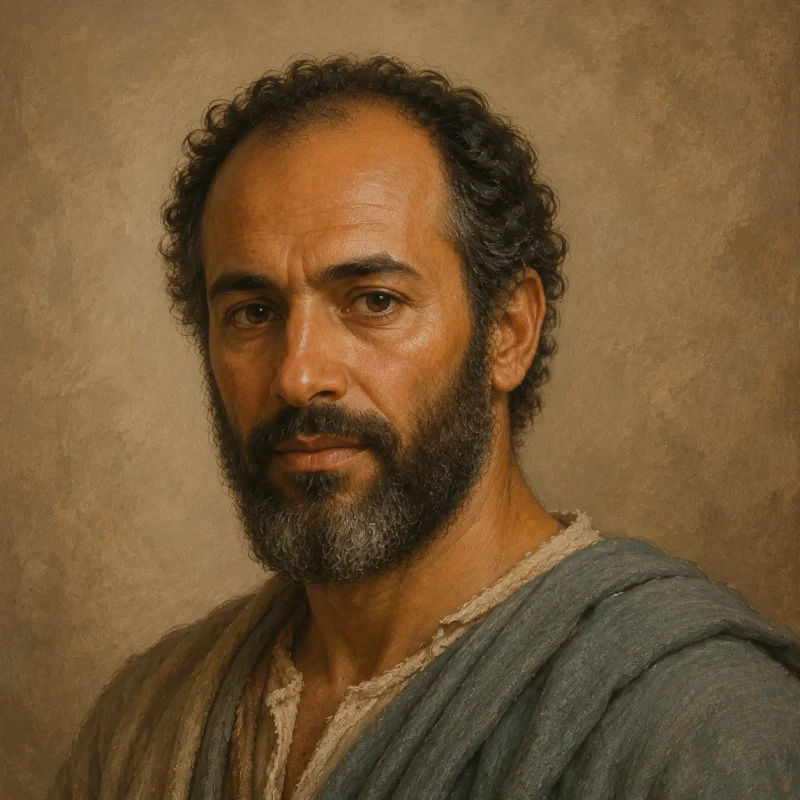 Paul
Paul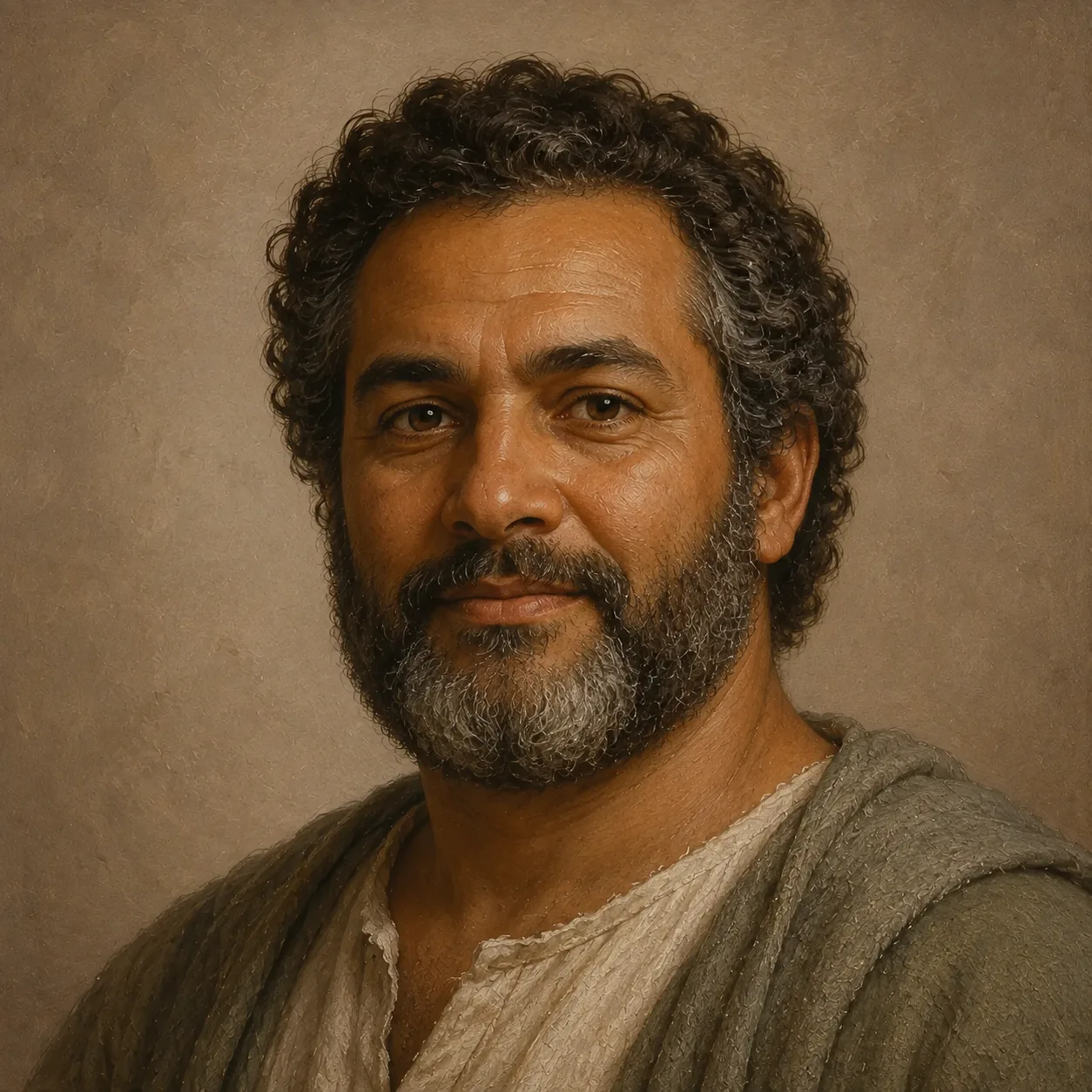 Barnabas
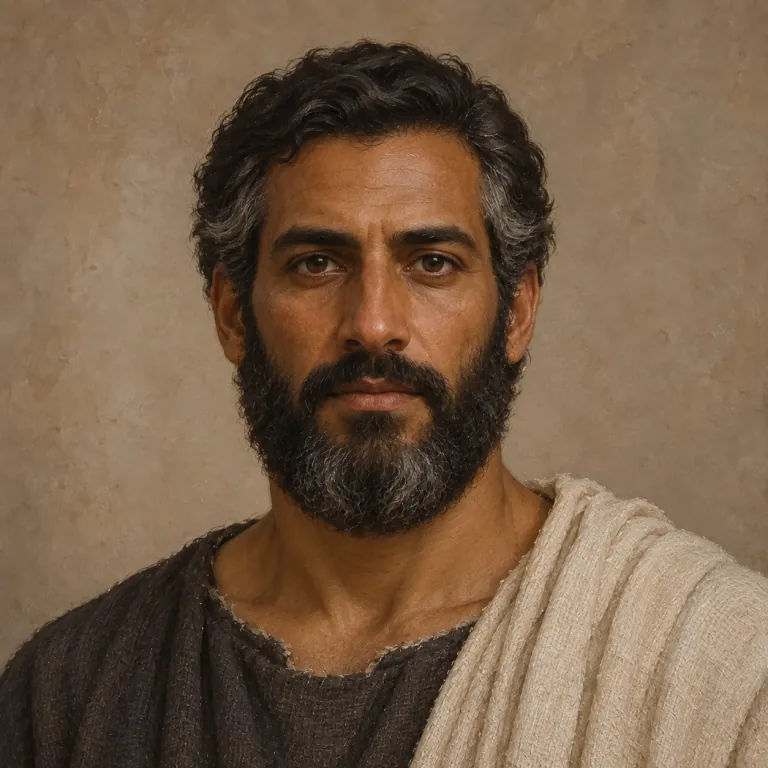 Judah
Judah Jacob
Jacob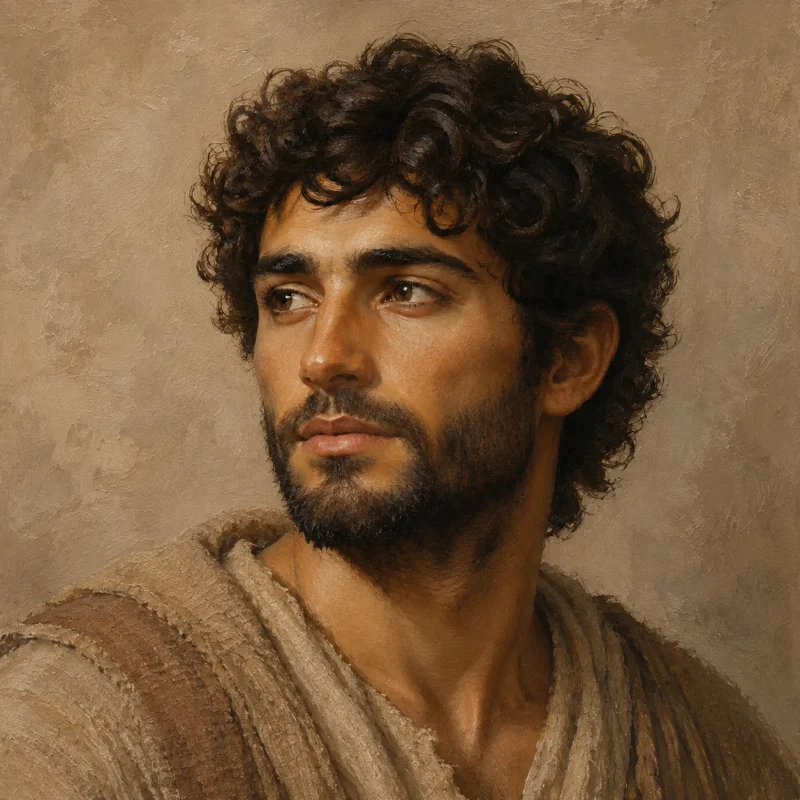 David
David Jesus Christ
 John the Baptist
 Mark
Mark Moses
Moses Abraham
 Benjamin
 Herod the tetrarch
 Pilate
 Samuel
 Saul (King)
Also indexed here: