Person in the New Testament
Barnabas
Barnabas: the Levite of Cyprus who vouched for Saul and later parted from Paul
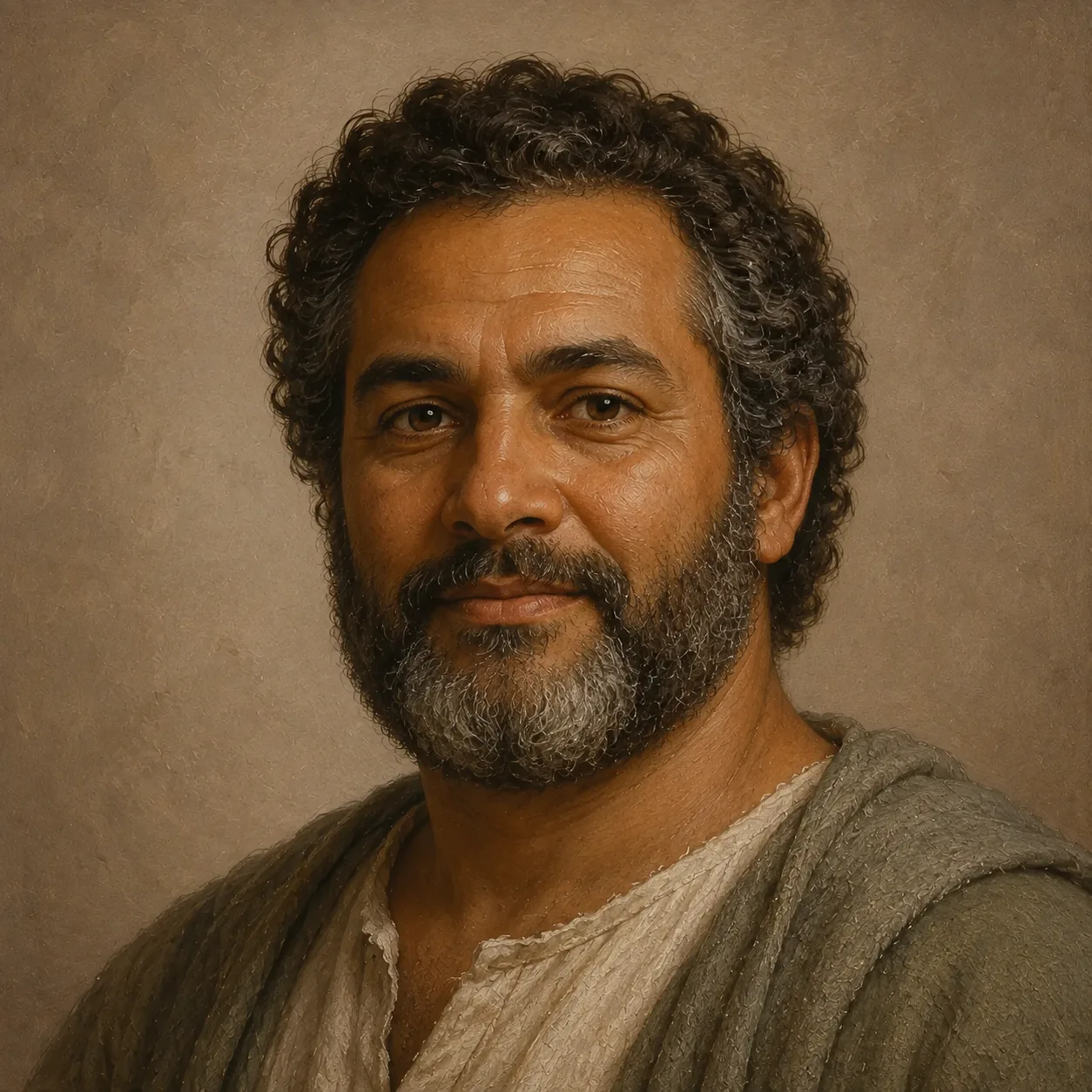
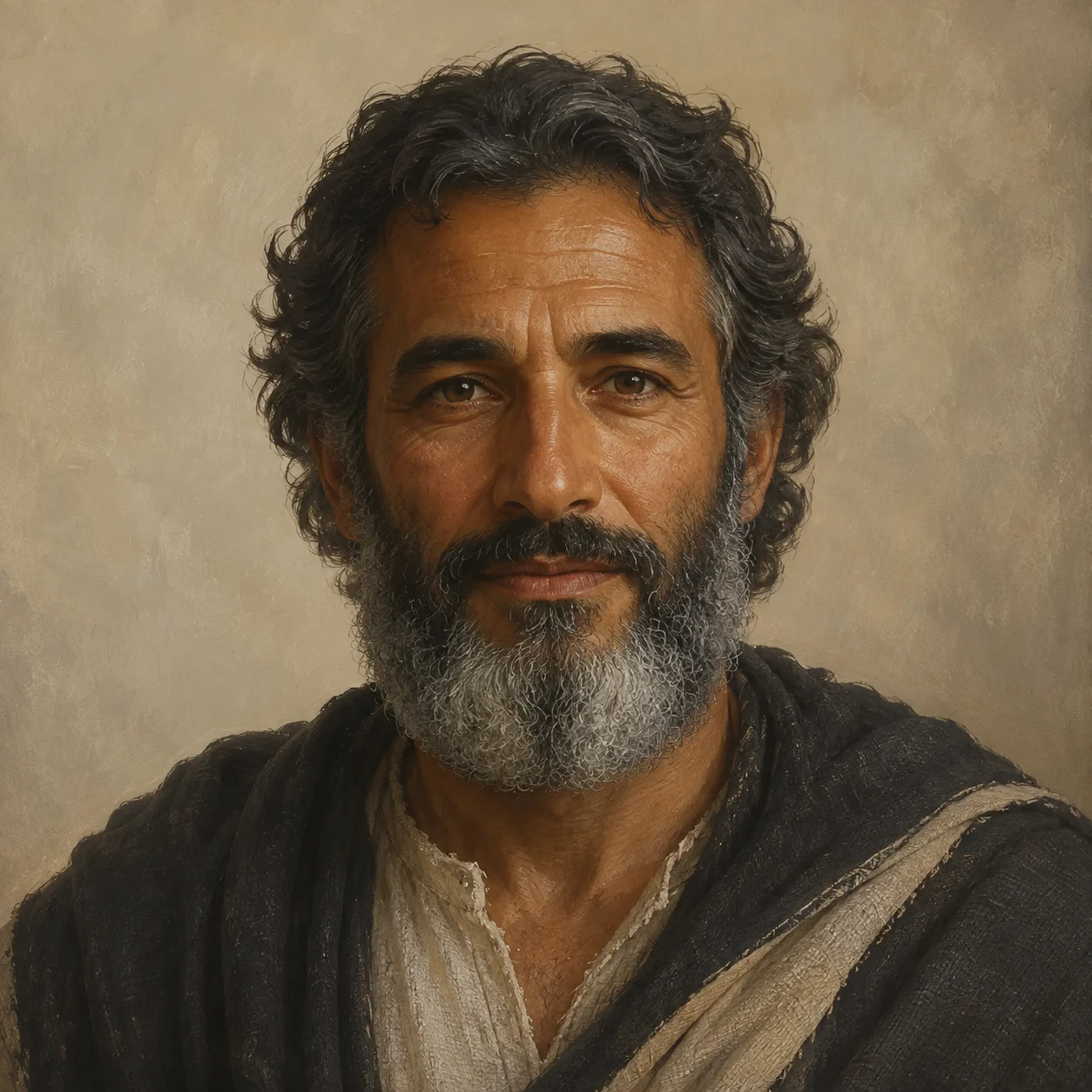
Portrait: an AI-generated artistic interpretation, not evidence of how Barnabas looked.
Who Barnabas is
Barnabas enters at Acts 4:36 as Joses, a Levite of the country of Cyprus, surnamed Barnabas by the apostles, a name the text interprets as The son of consolation; he sells land and lays the money at the apostles' feet. When the disciples at Jerusalem are afraid of Saul, Barnabas takes him and brings him to the apostles and tells what happened at Damascus. Jerusalem sends him to Antioch, where the narrator calls him a good man, full of the Holy Ghost and of faith, and he goes to Tarsus to find Saul and brings him back. The two carry relief to Judea and return with John Mark. At Antioch he is listed among the prophets and teachers, and the Holy Ghost says to separate him and Saul for a work. They sail to Cyprus and go on to the cities where they preach, and at Lystra the crowd calls him Jupiter, and the narrator names both men apostles when they refuse the sacrifice. He and Paul dispute with men from Judea, go up to Jerusalem, and are heard by the assembly; the letter sent back calls them our beloved Barnabas and Paul. When Paul proposes revisiting the cities, Barnabas wants to take Mark, Paul refuses because Mark had left them in Pamphylia, and the contention is so sharp that they part, Barnabas sailing to Cyprus with Mark. Paul's letters name him as well, in a question about the right to forbear working, in an account of a Jerusalem visit and the right hands of fellowship, in a report that Barnabas was carried away at Antioch, and in a note that Marcus is his sister's son.
Cited passages: Acts 4:36, Acts 4:37, Acts 9:27, Acts 11:22, Acts 11:24, Acts 11:25, Acts 11:26, Acts 11:30, Acts 12:25, Acts 13:1, Acts 13:2, Acts 13:7, Acts 13:43, Acts 13:50, Acts 14:12, Acts 14:14, Acts 15:2, Acts 15:12, Acts 15:25, Acts 15:35, Acts 15:36, Acts 15:37, Acts 15:38, Acts 15:39, 1 Corinthians 9:6, Galatians 2:1, Galatians 2:9, Galatians 2:13, Colossians 4:10
Historical setting
The name is a surname: the apostles give it to a man the text first calls Joses, and the meaning is supplied on the page as The son of consolation. His tribe and homeland are stated, a Levite, and of the country of Cyprus. Acts 14:14 calls him and Paul apostles. Galatians supplies Paul's own first person account of two scenes: a Jerusalem visit where James, Cephas and John gave to me and Barnabas the right hands of fellowship, and a withdrawal at Antioch where Paul says Barnabas also was carried away with their dissimulation; Acts narrates neither in those terms. First Corinthians 9:6 puts his name beside Paul's in a question, Or I only and Barnabas, have not we power to forbear working? Colossians 4:10 supplies his one stated relative, Marcus, sister's son to Barnabas. Acts gives the reason Paul offers for refusing Mark and calls the contention sharp without saying who was right, and after the sailing to Cyprus the book says nothing further about Barnabas, and no text here records his death.
Cited passages: Acts 4:36, Acts 14:14, Galatians 2:9, Galatians 2:13, Galatians 2:1, 1 Corinthians 9:6, Colossians 4:10, Acts 15:38, Acts 15:39
How the story is told
In Acts, Barnabas keeps appearing where someone has to be received. He speaks for Saul when the disciples will not believe he is a disciple, he is sent to look at what happened at Antioch and is glad at what he sees, and he goes to Tarsus to fetch Saul into the work. The order of the two names moves back and forth on the page, Barnabas and Saul at 13:2, Paul and Barnabas at 13:43, Barnabas and Paul again at 14:14 and 15:12, and Barnabas first in the letter at 15:25. At Lystra the crowd sorts them by who spoke more, calling Barnabas Jupiter and Paul Mercurius. The partnership ends over the same instinct that began it, whether to take a man back, and Galatians places him on the losing side of an argument that Acts never reports.
Cited passages: Acts 9:26, Acts 9:27, Acts 11:22, Acts 11:23, Acts 11:25, Acts 13:2, Acts 13:43, Acts 14:14, Acts 15:12, Acts 15:25, Acts 14:12, Acts 15:37, Acts 15:39, Galatians 2:13
Story moments
- Land sold and money laid down (Acts 4:37). Barnabas sells his land and lays the money at the apostles' feet.
- He brings Saul to the apostles (Acts 9:27). When the Jerusalem disciples fear Saul, Barnabas takes him in and reports what happened at Damascus.
- He fetches Saul from Tarsus (Acts 11:25). Barnabas leaves Antioch to look for Saul and brings him back to the work there.
- Separated for the work (Acts 13:2). The Holy Ghost tells the Antioch teachers to set Barnabas and Saul apart.
- Called Jupiter at Lystra (Acts 14:12). The Lycaonian crowd names Barnabas Jupiter and Paul Mercurius.
- The contention over Mark (Acts 15:39). The dispute about taking Mark is sharp enough that Barnabas and Paul separate, and Barnabas sails to Cyprus.
- Named in Paul's account (Galatians 2:13). Paul writes that Barnabas was carried away with the others at Antioch.
Key passages
Acts 4:36
And Joses, who by the apostles was surnamed Barnabas, (which is, being interpreted, The son of consolation,) a Levite, and of the country of Cyprus,
Acts 9:27
But Barnabas took him, and brought him to the apostles, and declared unto them how he had seen the Lord in the way, and that he had spoken to him, and how he had preached boldly at Damascus in the name of Jesus.
Acts 11:22
Then tidings of these things came unto the ears of the church which was in Jerusalem: and they sent forth Barnabas, that he should go as far as Antioch.
Acts 11:25
Then departed Barnabas to Tarsus, for to seek Saul:
Acts 11:30
Which also they did, and sent it to the elders by the hands of Barnabas and Saul.
Acts 12:25
And Barnabas and Saul returned from Jerusalem, when they had fulfilled their ministry, and took with them John, whose surname was Mark.
King James Version. 28 indexed passages in total.
For reflection
Barnabas speaks for Saul when others are afraid of him, and later loses a partnership over whether to give Mark a second journey. What does the text supply about that decision, and what does it leave you to weigh on your own?
Books Barnabas appears in
Related people



Names and references are adapted from STEPBible TIPNR. A person listed with a verse is named or indexed there; it does not mean they wrote or spoke it.