Person in the Old and New Testaments
Saul (King)
Saul: Israel's king before David
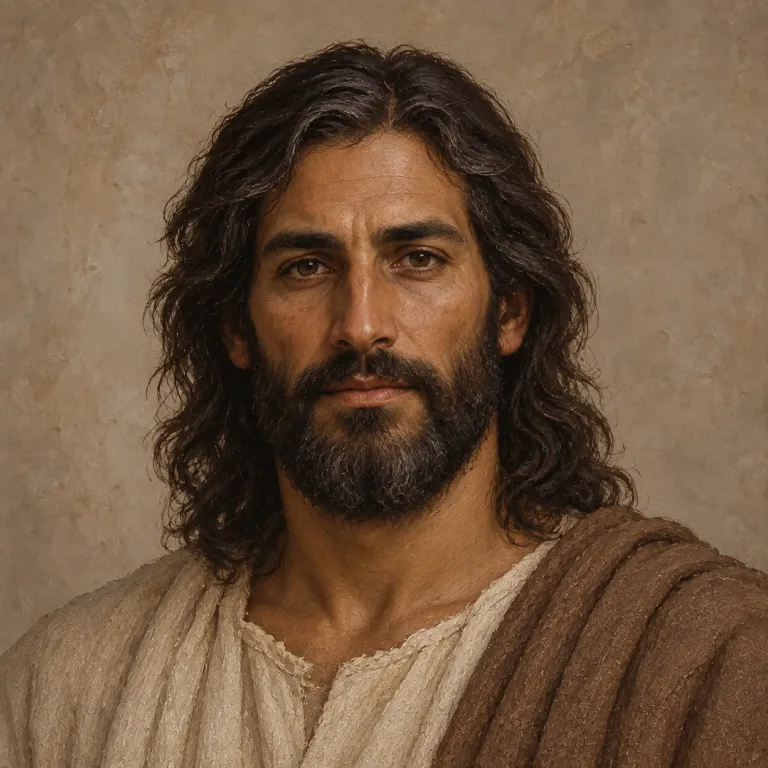
Portrait: an AI-generated artistic interpretation, not evidence of how Saul (King) looked.
Who Saul (King) is
Saul, the son of Kish from Benjamin, is anointed by Samuel and publicly acclaimed as king. He rescues Jabesh-gilead, but later receives judgment for disobedience. As David gains favor, Saul repeatedly seeks his death and orders the killing of the priests at Nob after learning of Ahimelech's help. Near the end he consults the woman at Endor after receiving no answer from the Lord. His reign ends in defeat at Gilboa, where three sons die and Saul falls on his own sword.
Cited passages: 1 Samuel 9:1, 1 Samuel 9:2, 1 Samuel 10:1, 1 Samuel 10:24, 1 Samuel 11:11, 1 Samuel 11:12, 1 Samuel 11:13, 1 Samuel 11:14, 1 Samuel 11:15, 1 Samuel 13:13, 1 Samuel 13:14, 1 Samuel 15:22, 1 Samuel 15:23, 1 Samuel 15:24, 1 Samuel 15:25, 1 Samuel 15:26, 1 Samuel 18:6, 1 Samuel 18:7, 1 Samuel 18:8, 1 Samuel 18:9, 1 Samuel 18:10, 1 Samuel 18:11, 1 Samuel 18:12, 1 Samuel 19:1, 1 Samuel 22:9, 1 Samuel 22:10, 1 Samuel 22:11, 1 Samuel 22:12, 1 Samuel 22:13, 1 Samuel 22:14, 1 Samuel 22:15, 1 Samuel 22:16, 1 Samuel 22:17, 1 Samuel 22:18, 1 Samuel 22:19, 1 Samuel 28:6, 1 Samuel 28:7, 1 Samuel 28:8, 1 Samuel 28:9, 1 Samuel 28:10, 1 Samuel 28:11, 1 Samuel 28:12, 1 Samuel 28:13, 1 Samuel 28:14, 1 Samuel 28:15, 1 Samuel 28:16, 1 Samuel 28:17, 1 Samuel 28:18, 1 Samuel 28:19, 1 Samuel 31:1, 1 Samuel 31:2, 1 Samuel 31:3, 1 Samuel 31:4, 1 Samuel 31:5, 1 Samuel 31:6
Historical setting
This Saul is the Benjaminite king, distinct from Saul who is also called Paul in Acts. Paul's speech gives the king a forty-year reign. The opening of 1 Samuel 13 varies across translations and does not provide a settled age for him. Chronicles interprets his death in relation to disobedience and seeking a medium. His death account should also be distinguished from the Amalekite's later claim in 2 Samuel 1 that he killed Saul.
Cited passages: 1 Samuel 9:1, 1 Samuel 9:2, 1 Samuel 13:1, Acts 13:9, Acts 13:16, Acts 13:17, Acts 13:18, Acts 13:19, Acts 13:20, Acts 13:21, Acts 13:22, 1 Chronicles 10:13, 1 Chronicles 10:14, 1 Samuel 31:3, 1 Samuel 31:4, 1 Samuel 31:5, 1 Samuel 31:6, 2 Samuel 1:6, 2 Samuel 1:7, 2 Samuel 1:8, 2 Samuel 1:9, 2 Samuel 1:10
How the story is told
Saul's story includes both deliverance and destructive uses of power. After rescuing Jabesh he refuses to execute his critics, yet later commands the killing of the priests at Nob. The speeches of Samuel judge him by obedience rather than public status or sacrificial claims. David's lament after his death remembers Saul and Jonathan as fallen warriors; the lament is a distinct voice within the larger account of his reign.
Cited passages: 1 Samuel 11:12, 1 Samuel 11:13, 1 Samuel 22:16, 1 Samuel 22:17, 1 Samuel 22:18, 1 Samuel 22:19, 1 Samuel 15:20, 1 Samuel 15:21, 1 Samuel 15:22, 1 Samuel 15:23, 2 Samuel 1:17, 2 Samuel 1:18, 2 Samuel 1:19, 2 Samuel 1:20, 2 Samuel 1:21, 2 Samuel 1:22, 2 Samuel 1:23, 2 Samuel 1:24, 2 Samuel 1:25, 2 Samuel 1:26, 2 Samuel 1:27
Story moments
- Samuel anoints Saul (1 Samuel 10:1). Saul receives anointing as ruler over the Lord's inheritance.
- Jabesh rescued (1 Samuel 11:13). After victory Saul refuses executions and credits the Lord with deliverance.
- Rejection announced (1 Samuel 15:23). Samuel connects Saul's rejection as king with his rejection of the Lord's word.
- The priests condemned (1 Samuel 22:17). Saul orders the priests killed, but his guards refuse.
- David's restraint acknowledged (1 Samuel 24:17). Saul admits that David has repaid his evil with good.
- The visit to Endor (1 Samuel 28:8). Saul visits the woman in disguise by night.
- Death at Gilboa (1 Samuel 31:4). Saul dies by his own sword after his armor-bearer refuses to kill him.
Key passages
1 Samuel 9:2
And he had a son, whose name was Saul, a choice young man, and a goodly: and there was not among the children of Israel a goodlier person than he: from his shoulders and upward he was higher than any of the people.
1 Samuel 9:3
And the asses of Kish Saul’s father were lost. And Kish said to Saul his son, Take now one of the servants with thee, and arise, go seek the asses.
1 Samuel 9:5
And when they were come to the land of Zuph, Saul said to his servant that was with him, Come, and let us return; lest my father leave caring for the asses, and take thought for us.
1 Samuel 9:7
Then said Saul to his servant, But, behold, if we go, what shall we bring the man? for the bread is spent in our vessels, and there is not a present to bring to the man of God: what have we?
1 Samuel 9:8
And the servant answered Saul again, and said, Behold, I have here at hand the fourth part of a shekel of silver: that will I give to the man of God, to tell us our way.
1 Samuel 9:10
Then said Saul to his servant, Well said; come, let us go. So they went unto the city where the man of God was.
King James Version. 327 indexed passages in total.
For reflection
How do Saul's early refusal of revenge, his later violence and Samuel's calls to obedience keep his story from becoming a simple portrait of either success or failure?
Books Saul (King) appears in
Related people

Names and references are adapted from STEPBible TIPNR. A person listed with a verse is named or indexed there; it does not mean they wrote or spoke it.