Person in the New Testament
Herod the tetrarch
Herod the tetrarch: the ruler who imprisoned John and questioned Jesus
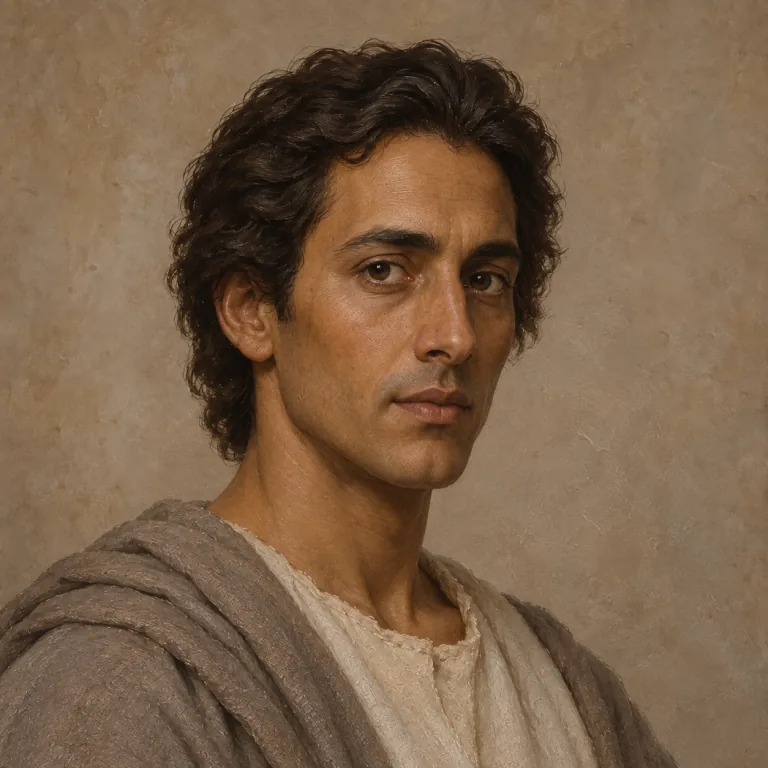
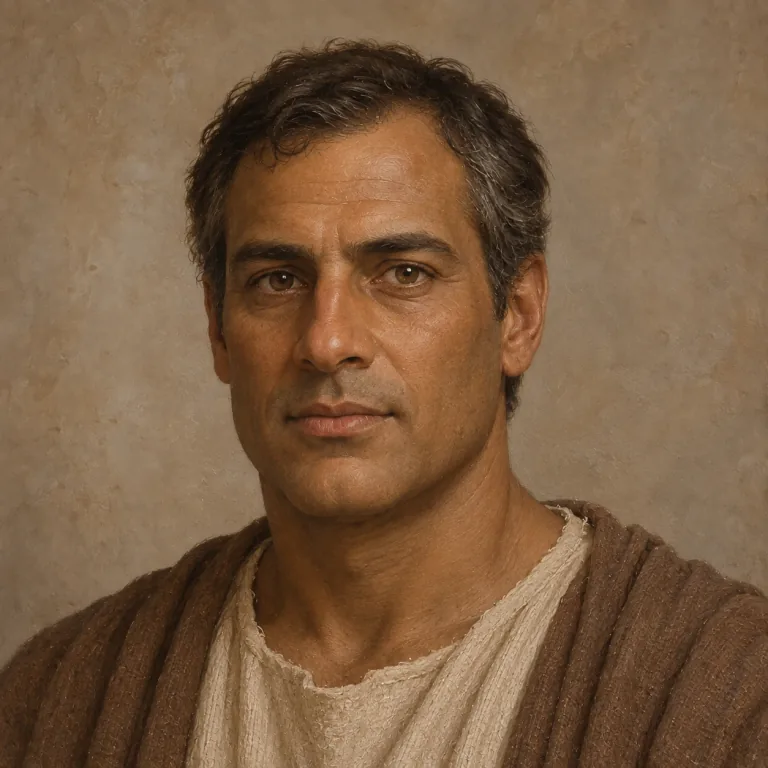
Portrait: an AI-generated artistic interpretation, not evidence of how Herod looked.
Who Herod is
Matthew calls him Herod the tetrarch, and he tells his servants that Jesus is John the Baptist risen from the dead. The narrator explains that he had arrested and bound John for the sake of Herodias, his brother Philip's wife, because John told him it was not lawful for him to have her, and that he would have killed John but feared the multitude. At his birthday the daughter of Herodias dances, he promises with an oath whatever she asks, and when she asks for John's head he is sorry but keeps the oath before his guests and has John beheaded in the prison. Mark tells the same events, calling him king Herod, adding that he had married Herodias, that Herodias wanted John killed, and that Herod feared John as a just and holy man and heard him gladly. Luke places him as tetrarch of Galilee, says John reproved him over Herodias and all his evils, and that he shut John up in prison. Later Luke has him perplexed at the reports about Jesus, saying John have I beheaded, and desiring to see him. Pharisees warn Jesus that Herod will kill him, and Jesus calls him that fox. At the trial Pilate sends Jesus to him, he questions Jesus at length and gets no answer, mocks him with his soldiers, arrays him in a gorgeous robe and sends him back, and that day he and Pilate become friends. Acts later names him with Pontius Pilate among those gathered together against Jesus.
Cited passages: Matthew 14:1, Matthew 14:2, Matthew 14:3, Matthew 14:5, Matthew 14:9, Mark 6:14, Mark 6:17, Mark 6:20, Mark 6:21, Mark 6:27, Luke 3:1, Luke 3:19, Luke 3:20, Luke 9:7, Luke 9:9, Luke 13:31, Luke 13:32, Luke 23:7, Luke 23:8, Luke 23:11, Luke 23:12, Acts 4:27
Historical setting
Two titles are used of the same man. Matthew opens with Herod the tetrarch and then calls him the king in the birthday scene, Mark calls him king Herod, and Luke and Acts keep tetrarch. He is not the Herod the king of Matthew 2, who dies there and is succeeded in Judea by Archelaus. Luke 3:1 names his brother Philip as tetrarch of Iturea and Trachonitis, while Matthew and Mark describe Herodias as his brother Philip's wife; the text does not say whether one Philip or two are meant, and the question is left open. Matthew and Mark give different accounts of his attitude to John. Matthew says he would have put him to death and was held back by fear of the multitude, while Mark says he feared John as a just and holy man and heard him gladly, and that it was Herodias who wanted John killed. Luke never narrates the beheading; it is stated afterwards in Herod's own words. Two further verses mention him without a scene: a saying about the leaven of Herod, and Joanna the wife of Chuza, Herod's steward. Acts 13:1 mentions Manaen, brought up with Herod the tetrarch. No dates for his rule are given beyond the synchronism in Luke 3:1.
Cited passages: Matthew 14:1, Matthew 14:9, Mark 6:14, Matthew 2:22, Luke 3:1, Mark 6:18, Matthew 14:5, Mark 6:19, Mark 6:20, Luke 9:9, Mark 8:15, Luke 8:3, Acts 13:1
How the story is told
He is written as a man who reaches decisions through other people. The order to behead John is framed by an oath, a mother's instruction, and the guests at the table, and both Matthew and Mark record his reluctance before recording the command. Curiosity is his other recurring trait. He hears of Jesus and identifies him as John risen, he is perplexed and desires to see him, and when the chance finally comes at the trial he is exceeding glad and hopes for a miracle. That build-up ends in nothing: he questions Jesus in many words and receives no answer, and the scene turns into mockery and a robe. Luke sets his last appearance beside Pilate, and the note that the two became friends that day is the only outcome the chapter gives. Jesus' one recorded word about him, that fox, is delivered through messengers rather than to his face.
Cited passages: Matthew 14:7, Mark 6:26, Matthew 14:2, Luke 9:7, Luke 23:8, Luke 23:9, Luke 23:11, Luke 23:12, Luke 13:32
Story moments
- John arrested (Mark 6:17). Herod sends and has John bound in prison for Herodias' sake.
- Hearing John gladly (Mark 6:20). Mark says Herod feared John as a just and holy man and heard him gladly.
- The oath at the birthday (Matthew 14:7). Herod promises the dancing girl whatever she asks, sworn before his guests.
- The order given (Matthew 14:9). Sorry but bound by the oath and the guests, Herod commands that the request be granted.
- Who is this (Luke 9:9). Herod says he beheaded John and asks who this is of whom he hears such things.
- That fox (Luke 13:32). Warned that Herod will kill him, Jesus sends back a message calling Herod that fox.
- Mocked and sent back (Luke 23:11). Herod and his soldiers mock Jesus, put a gorgeous robe on him, and return him to Pilate.
Key passages
Matthew 14:1
At that time Herod the tetrarch heard of the fame of Jesus,
Matthew 14:3
For Herod had laid hold on John, and bound him, and put him in prison for Herodias’ sake, his brother Philip’s wife.
Matthew 14:6
But when Herod’s birthday was kept, the daughter of Herodias danced before them, and pleased Herod.
Mark 6:14
And king Herod heard of him; (for his name was spread abroad:) and he said, That John the Baptist was risen from the dead, and therefore mighty works do shew forth themselves in him.
Mark 6:16
But when Herod heard thereof, he said, It is John, whom I beheaded: he is risen from the dead.
Mark 6:17
For Herod himself had sent forth and laid hold upon John, and bound him in prison for Herodias’ sake, his brother Philip’s wife: for he had married her.
King James Version. 24 indexed passages in total.
For reflection
He wants to see Jesus for a long season, and when he finally does, he is given no answer at all. What does that silence do to the scene the reader has been waiting for?
Books Herod appears in
Related people

Names and references are adapted from STEPBible TIPNR. A person listed with a verse is named or indexed there; it does not mean they wrote or spoke it.