Person in the New Testament
Pilate
Pilate: the governor who said he found no fault and delivered Jesus to be crucified
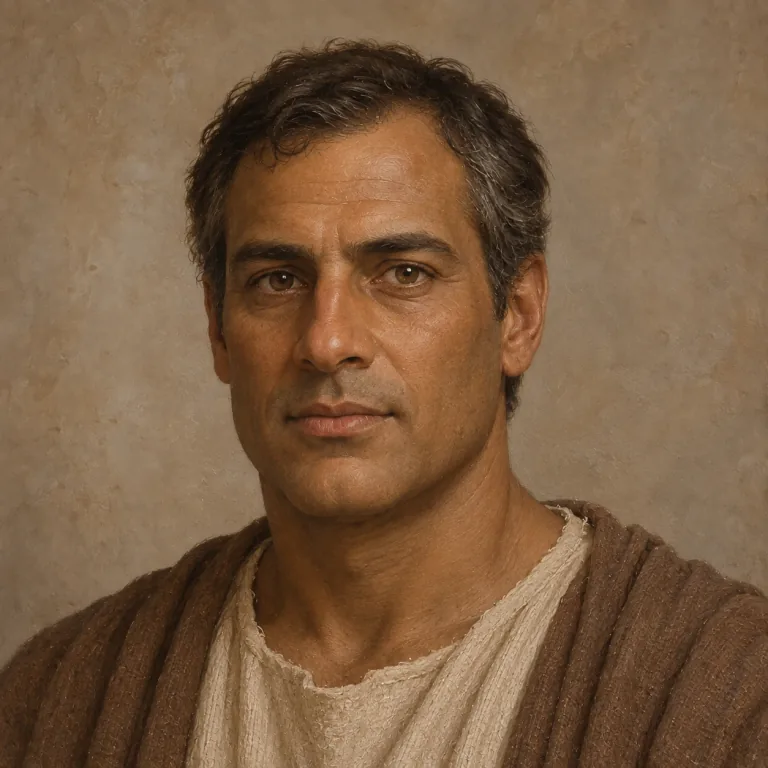
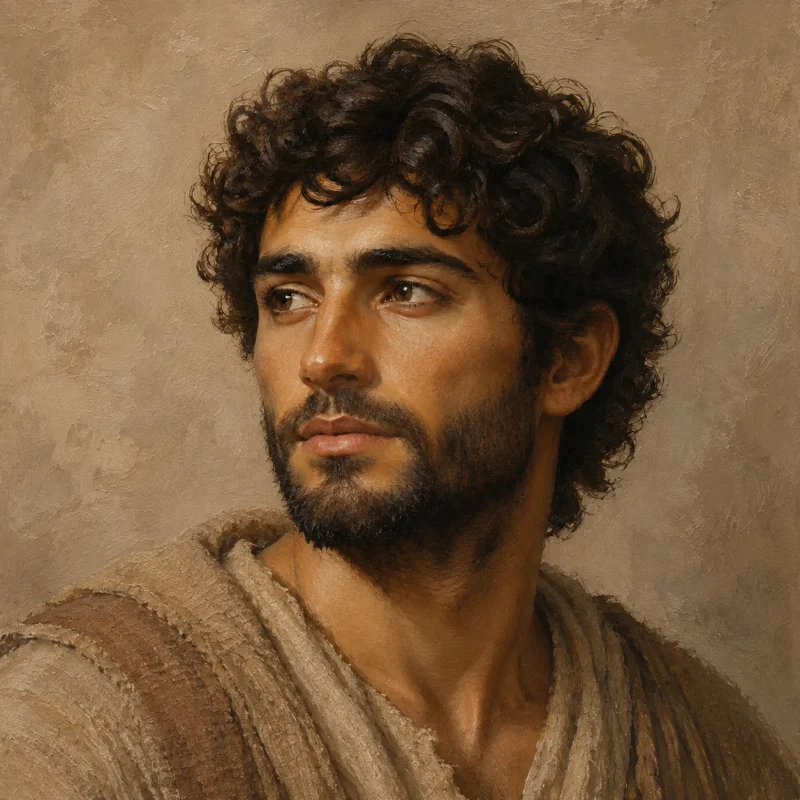
Portrait: an AI-generated artistic interpretation, not evidence of how Pilate looked.
Who Pilate is
Matthew names him Pontius Pilate the governor, and the bound Jesus is delivered to him. He asks whether Jesus is the King of the Jews, hears Thou sayest, and marvels at the silence that follows. He offers the people a choice between Barabbas and Jesus which is called Christ, asks what evil he has done, washes his hands and says he is innocent of the blood of this just person, then releases Barabbas and delivers Jesus, scourged, to be crucified. Mark says he marvelled and that, willing to content the people, he released Barabbas. Luke reports that he said, I find no fault in this man, that he asked whether the man were a Galilean, that Herod mocked Jesus and sent him again to Pilate, that he was willing to release Jesus, and that he gave sentence that it should be as they required. John records the longest exchange: What accusation bring ye against this man, Take ye him, and judge him according to your law, Art thou a king then, and What is truth. John also says he scourged Jesus, was the more afraid, claimed power to crucify and to release, sat down in the judgment seat at the Pavement, wrote the title on the cross, and answered, What I have written I have written. Afterward he gives the body to Joseph of Arimathea and tells the chief priests, Ye have a watch. Luke 3:1 places him as governor of Judea in the fifteenth year of Tiberius Cesar, and Luke 13:1 reports Galileans whose blood Pilate had mingled with their sacrifices. Acts and 1 Timothy name him afterward.
Cited passages: Matthew 27:2, Matthew 27:13, Matthew 27:17, Matthew 27:22, Matthew 27:24, Matthew 27:58, Matthew 27:65, Mark 15:2, Mark 15:5, Mark 15:14, Mark 15:15, Luke 23:4, Luke 23:6, Luke 23:20, Luke 23:24, John 18:29, John 18:31, John 18:37, John 18:38, John 19:1, John 19:8, John 19:10, John 19:13, John 19:22, John 19:38, Luke 3:1, Luke 13:1, Matthew 27:11, Matthew 27:14, Luke 23:11
Historical setting
The name is printed as Pontius Pilate and the office as governor. Luke 3:1 is the only verse in these passages that sets him in a reign, listing him as governor of Judea alongside Tiberius Cesar, Herod, Philip and Lysanias; it gives a regnal year and no other date. Luke 13:1 reports an act attributed to him with no setting and no outcome. Matthew reports the hand-washing and a message from his wife; John names the Pavement, called in the Hebrew Gabbatha, and the title he wrote. The later books speak of him from outside the story: Acts 3:13 says he was determined to let him go, Acts 4:27 names Herod and Pontius Pilate together with the Gentiles and the people of Israel, Acts 13:28 says they desired Pilate that he should be slain, and 1 Timothy 6:13 says Christ Jesus before Pontius Pilate witnessed a good confession. Nothing in these passages says how he came to the office, what happened to him afterward, or where or when he died.
Cited passages: Luke 3:1, Luke 13:1, Matthew 27:24, Matthew 27:19, John 19:13, John 19:19, Acts 3:13, Acts 4:27, Acts 13:28, 1 Timothy 6:13
How the story is told
Each book gives him the same two moves in a different voice: a question put to Jesus, and a handing over. Matthew builds his part around a public gesture, water and a sentence about innocent blood, answered at once by the crowd. Mark reduces him to marvelling and to contenting the people. Luke has him state that he finds no fault and then records the sentence in one line, so the verdict and the concession sit next to each other. John gives him dialogue that goes furthest, ending with a question he does not wait to have answered, What is truth, and with a refusal to change the title he wrote. The verbs attached to him are mostly verbs of asking, and the one thing he writes he will not alter. The later references keep him as the name the decision passed through.
Cited passages: Matthew 27:24, Matthew 27:25, Mark 15:5, Mark 15:15, Luke 23:4, Luke 23:24, John 18:38, John 19:22, John 18:33, Acts 13:28
Story moments
- Delivered to the governor (Matthew 27:2). Jesus is bound and handed over to Pontius Pilate.
- The hands washed (Matthew 27:24). Pilate washes his hands and says he is innocent of this blood.
- Barabbas released (Mark 15:15). Pilate, willing to content the people, releases Barabbas and delivers Jesus to be crucified.
- I find no fault (Luke 23:4). Pilate tells the chief priests and the people he finds no fault in the man.
- What is truth? (John 18:38). Pilate puts a question to Jesus and walks out without waiting for an answer.
- What I have written (John 19:22). Pilate refuses the chief priests' request to change the title on the cross.
- Ye have a watch (Matthew 27:65). Pilate tells the chief priests and Pharisees to make the sepulchre as sure as they can.
Key passages
Matthew 27:2
And when they had bound him, they led him away, and delivered him to Pontius Pilate the governor.
Matthew 27:13
Then said Pilate unto him, Hearest thou not how many things they witness against thee?
Matthew 27:17
Therefore when they were gathered together, Pilate said unto them, Whom will ye that I release unto you? Barabbas, or Jesus which is called Christ?
Matthew 27:22
Pilate saith unto them, What shall I do then with Jesus which is called Christ? They all say unto him, Let him be crucified.
Matthew 27:24
When Pilate saw that he could prevail nothing, but that rather a tumult was made, he took water, and washed his hands before the multitude, saying, I am innocent of the blood of this just person: see ye to it.
Matthew 27:58
He went to Pilate, and begged the body of Jesus. Then Pilate commanded the body to be delivered.
King James Version. 53 indexed passages in total.
For reflection
Pilate is recorded saying he finds no fault, and then recorded giving sentence as they required. What does a reader do with a man whose words and his order point in opposite directions?
Books Pilate appears in
Related people
Names and references are adapted from STEPBible TIPNR. A person listed with a verse is named or indexed there; it does not mean they wrote or spoke it.