The Histories · Old Testament
2 Kings 23
2 Kings 23: Josiah's covenant, purge and passover, his death at Megiddo, and Egypt's control of Judah
General context
Josiah gathers all the people to the house of the Lord, reads the book of the covenant, and makes a covenant by a pillar; the people stand to it. He has the vessels made for Baal, the grove and the host of heaven burned at Kidron, puts down the idolatrous priests, burns the grove from the temple, breaks down the houses of the sodomites, defiles the high places from Geba to Beer-sheba, defiles Topheth so that no child can be passed through the fire to Molech, removes the horses given to the sun, beats down the altars of Ahaz and Manasseh, and defiles the high places Solomon built for Ashtoreth, Chemosh and Milcom. At Beth-el he breaks down Jeroboam's altar and burns bones on it, which the narrator says fulfils the word of the man of God from Judah, whose own bones Josiah leaves alone. He removes the high places in the cities of Samaria and kills their priests on the altars. He commands the passover as written in the book; the narrator says none like it had been kept since the judges, and that no king before or after turned to the Lord like Josiah. Even so the Lord's wrath does not turn because of Manasseh, and the Lord says he will remove Judah and cast off Jerusalem. Pharaoh-nechoh goes up against the king of Assyria; Josiah goes against him and is killed at Megiddo. The people anoint Jehoahaz, who reigns three months and does evil; Pharaoh-nechoh binds him at Riblah, imposes tribute, makes Eliakim king as Jehoiakim, and takes Jehoahaz to Egypt, where he dies. Jehoiakim taxes the land to pay Pharaoh, reigns eleven years and does evil.
Cited passages: 2 Kings 23:2, 2 Kings 23:3, 2 Kings 23:4, 2 Kings 23:5, 2 Kings 23:6, 2 Kings 23:7, 2 Kings 23:8, 2 Kings 23:10, 2 Kings 23:11, 2 Kings 23:12, 2 Kings 23:13, 2 Kings 23:14, 2 Kings 23:15, 2 Kings 23:16, 2 Kings 23:18, 2 Kings 23:20, 2 Kings 23:21, 2 Kings 23:22, 2 Kings 23:24, 2 Kings 23:25, 2 Kings 23:26, 2 Kings 23:27, 2 Kings 23:29, 2 Kings 23:30, 2 Kings 23:31, 2 Kings 23:33, 2 Kings 23:34, 2 Kings 23:35, 2 Kings 23:36, 2 Kings 23:37
2 Kings 23 (KJV)
1And the king sent, and they gathered unto him all the elders of Judah and of Jerusalem.
2And the king went up into the house of the Lord, and all the men of Judah and all the inhabitants of Jerusalem with him, and the priests, and the prophets, and all the people, both small and great: and he read in their ears all the words of the book of the covenant which was found in the house of the Lord.
3And the king stood by a pillar, and made a covenant before the Lord, to walk after the Lord, and to keep his commandments and his testimonies and his statutes with all their heart and all their soul, to perform the words of this covenant that were written in this book. And all the people stood to the covenant.
4And the king commanded Hilkiah the high priest, and the priests of the second order, and the keepers of the door, to bring forth out of the temple of the Lord all the vessels that were made for Baal, and for the grove, and for all the host of heaven: and he burned them without Jerusalem in the fields of Kidron, and carried the ashes of them unto Beth-el.
5And he put down the idolatrous priests, whom the kings of Judah had ordained to burn incense in the high places in the cities of Judah, and in the places round about Jerusalem; them also that burned incense unto Baal, to the sun, and to the moon, and to the planets, and to all the host of heaven.
6And he brought out the grove from the house of the Lord, without Jerusalem, unto the brook Kidron, and burned it at the brook Kidron, and stamped it small to powder, and cast the powder thereof upon the graves of the children of the people.
7And he brake down the houses of the sodomites, that were by the house of the Lord, where the women wove hangings for the grove.
8And he brought all the priests out of the cities of Judah, and defiled the high places where the priests had burned incense, from Geba to Beer-sheba, and brake down the high places of the gates that were in the entering in of the gate of Joshua the governor of the city, which were on a man’s left hand at the gate of the city.
9Nevertheless the priests of the high places came not up to the altar of the Lord in Jerusalem, but they did eat of the unleavened bread among their brethren.
10And he defiled Topheth, which is in the valley of the children of Hinnom, that no man might make his son or his daughter to pass through the fire to Molech.
11And he took away the horses that the kings of Judah had given to the sun, at the entering in of the house of the Lord, by the chamber of Nathan-melech the chamberlain, which was in the suburbs, and burned the chariots of the sun with fire.
12And the altars that were on the top of the upper chamber of Ahaz, which the kings of Judah had made, and the altars which Manasseh had made in the two courts of the house of the Lord, did the king beat down, and brake them down from thence, and cast the dust of them into the brook Kidron.
13And the high places that were before Jerusalem, which were on the right hand of the mount of corruption, which Solomon the king of Israel had builded for Ashtoreth the abomination of the Zidonians, and for Chemosh the abomination of the Moabites, and for Milcom the abomination of the children of Ammon, did the king defile.
14And he brake in pieces the images, and cut down the groves, and filled their places with the bones of men.
15Moreover the altar that was at Beth-el, and the high place which Jeroboam the son of Nebat, who made Israel to sin, had made, both that altar and the high place he brake down, and burned the high place, and stamped it small to powder, and burned the grove.
16And as Josiah turned himself, he spied the sepulchres that were there in the mount, and sent, and took the bones out of the sepulchres, and burned them upon the altar, and polluted it, according to the word of the Lord which the man of God proclaimed, who proclaimed these words.
17Then he said, What title is that that I see? And the men of the city told him, It is the sepulchre of the man of God, which came from Judah, and proclaimed these things that thou hast done against the altar of Beth-el.
18And he said, Let him alone; let no man move his bones. So they let his bones alone, with the bones of the prophet that came out of Samaria.
19And all the houses also of the high places that were in the cities of Samaria, which the kings of Israel had made to provoke the Lord to anger, Josiah took away, and did to them according to all the acts that he had done in Beth-el.
20And he slew all the priests of the high places that were there upon the altars, and burned men’s bones upon them, and returned to Jerusalem.
21And the king commanded all the people, saying, Keep the passover unto the Lord your God, as it is written in the book of this covenant.
22Surely there was not holden such a passover from the days of the judges that judged Israel, nor in all the days of the kings of Israel, nor of the kings of Judah;
23But in the eighteenth year of king Josiah, wherein this passover was holden to the Lord in Jerusalem.
24Moreover the workers with familiar spirits, and the wizards, and the images, and the idols, and all the abominations that were spied in the land of Judah and in Jerusalem, did Josiah put away, that he might perform the words of the law which were written in the book that Hilkiah the priest found in the house of the Lord.
25And like unto him was there no king before him, that turned to the Lord with all his heart, and with all his soul, and with all his might, according to all the law of Moses; neither after him arose there any like him.
26Notwithstanding the Lord turned not from the fierceness of his great wrath, wherewith his anger was kindled against Judah, because of all the provocations that Manasseh had provoked him withal.
27And the Lord said, I will remove Judah also out of my sight, as I have removed Israel, and will cast off this city Jerusalem which I have chosen, and the house of which I said, My name shall be there.
28Now the rest of the acts of Josiah, and all that he did, are they not written in the book of the chronicles of the kings of Judah?
29In his days Pharaoh-nechoh king of Egypt went up against the king of Assyria to the river Euphrates: and king Josiah went against him; and he slew him at Megiddo, when he had seen him.
30And his servants carried him in a chariot dead from Megiddo, and brought him to Jerusalem, and buried him in his own sepulchre. And the people of the land took Jehoahaz the son of Josiah, and anointed him, and made him king in his father’s stead.
31Jehoahaz was twenty and three years old when he began to reign; and he reigned three months in Jerusalem. And his mother’s name was Hamutal, the daughter of Jeremiah of Libnah.
32And he did that which was evil in the sight of the Lord, according to all that his fathers had done.
33And Pharaoh-nechoh put him in bands at Riblah in the land of Hamath, that he might not reign in Jerusalem; and put the land to a tribute of an hundred talents of silver, and a talent of gold.
34And Pharaoh-nechoh made Eliakim the son of Josiah king in the room of Josiah his father, and turned his name to Jehoiakim, and took Jehoahaz away: and he came to Egypt, and died there.
35And Jehoiakim gave the silver and the gold to Pharaoh; but he taxed the land to give the money according to the commandment of Pharaoh: he exacted the silver and the gold of the people of the land, of every one according to his taxation, to give it unto Pharaoh-nechoh.
36Jehoiakim was twenty and five years old when he began to reign; and he reigned eleven years in Jerusalem. And his mother’s name was Zebudah, the daughter of Pedaiah of Rumah.
37And he did that which was evil in the sight of the Lord, according to all that his fathers had done.
This page shows the King James Version. In the app, reading opens in the Berean Standard Bible unless you have chosen another translation. The reader includes five translations: the Berean Standard Bible (BSB), the King James Version (KJV), the World English Bible (WEB), the Bible in Basic English (BBE), and the American Standard Version (ASV). Search covers three of them: Berean Standard, King James, and World English. Basic English and American Standard readers search the King James words.
Historical context
The book read at the covenant is called the book of the covenant, the same book the previous chapter called the book of the law and that verse 24 says Hilkiah found. The man of God whose word Josiah fulfils at Beth-el is the one in 1 Kings 13, where Josiah is named before his birth; the chapter quotes the men of the city, not the narrator, for his identity. Josiah acts in Beth-el and the cities of Samaria, territory the book has described as settled by Assyria's transplanted peoples; the text does not explain how he was able to do so. The treatment of priests differs by region: Judah's priests are brought to Jerusalem and eat unleavened bread among their brethren, while the priests of the high places in Samaria are killed on their altars. Two superlatives are the narrator's: no such passover since the judges, and no king like Josiah before or after. The narrator then states that the Lord's wrath did not turn because of Manasseh, and gives the Lord's decision to remove Judah as Israel was removed. Josiah's death is told without a battle: Pharaoh-nechoh is going against the king of Assyria, Josiah goes against him, and Pharaoh kills him at Megiddo when he had seen him. Huldah's word that he would be gathered to his grave in peace is not addressed. Hamutal's father Jeremiah of Libnah is not said to be the prophet. Jehoahaz, twenty-three, is made king by the people of the land before his older brother Eliakim, twenty-five; the chapter gives no reason. Riblah in the land of Hamath, where Pharaoh binds Jehoahaz, is where the king of Babylon later judges Zedekiah.
Cited passages: 2 Kings 23:2, 2 Kings 23:24, 2 Kings 23:17, 1 Kings 13:2, 2 Kings 23:19, 2 Kings 17:24, 2 Kings 23:9, 2 Kings 23:20, 2 Kings 23:22, 2 Kings 23:25, 2 Kings 23:27, 2 Kings 23:29, 2 Kings 22:20, 2 Kings 23:31, 2 Kings 23:36, 2 Kings 23:33, 2 Kings 25:6
Literary context
The purge is told as a long list of verbs, burned, put down, stamped, brake down, defiled, took away, beat down, slew, moving outward from the temple to the Kidron valley, the cities of Judah, Beth-el and Samaria, and then back to Jerusalem for the passover. Ashes, powder, dust and bones recur as the residue of each act, and bones become the hinge of the Beth-el scene, where burned bones fulfil an old word and one man's bones are spared. The chapter piles up references to earlier kings, Solomon, Jeroboam, Ahaz, Manasseh, so Josiah's reform is read as an answer to the whole book. Two superlatives, the passover and the king, are followed at once by Notwithstanding, and the narrator lets the Lord's unchanged wrath stand against the praise without softening either. Josiah's death takes one verse and no battle scene, and the peace promised by Huldah is silently reversed by a chariot carrying him dead. The closing verses descend fast: three months, bands, tribute, a name changed by a foreign king, taxes, and the verdict of evil twice repeated, so the chapter that began with all the people standing to a covenant ends with Judah paying Egypt.
Cited passages: 2 Kings 23:4, 2 Kings 23:6, 2 Kings 23:12, 2 Kings 23:14, 2 Kings 23:16, 2 Kings 23:18, 2 Kings 23:13, 2 Kings 23:15, 2 Kings 23:25, 2 Kings 23:26, 2 Kings 23:30, 2 Kings 23:34, 2 Kings 23:3, 2 Kings 23:35
Key moments
- All the people stand to the covenant (2 Kings 23:3). Josiah reads the book, makes a covenant by the pillar, and the people stand to it.
- Topheth defiled (2 Kings 23:10). Josiah defiles Topheth so that no child can be passed through the fire to Molech.
- Bones burned on Beth-el's altar (2 Kings 23:16). Josiah burns bones on Jeroboam's altar, fulfilling the word of the man of God from Judah.
- A passover without equal (2 Kings 23:22). The narrator says no such passover had been kept since the days of the judges.
- Wrath that does not turn (2 Kings 23:26). Despite Josiah, the Lord's wrath against Judah remains because of Manasseh.
- Josiah killed at Megiddo (2 Kings 23:29). Pharaoh-nechoh kills Josiah at Megiddo when Josiah goes against him.
- Eliakim renamed Jehoiakim (2 Kings 23:34). Pharaoh-nechoh makes Eliakim king under a new name and takes Jehoahaz to Egypt.
For reflection
The narrator says no king before or after turned to the Lord like Josiah, and in the next sentence that the Lord's wrath did not turn. What does the chapter ask a reader to hold about the reach of one person's reform and its limits?
People in this chapter
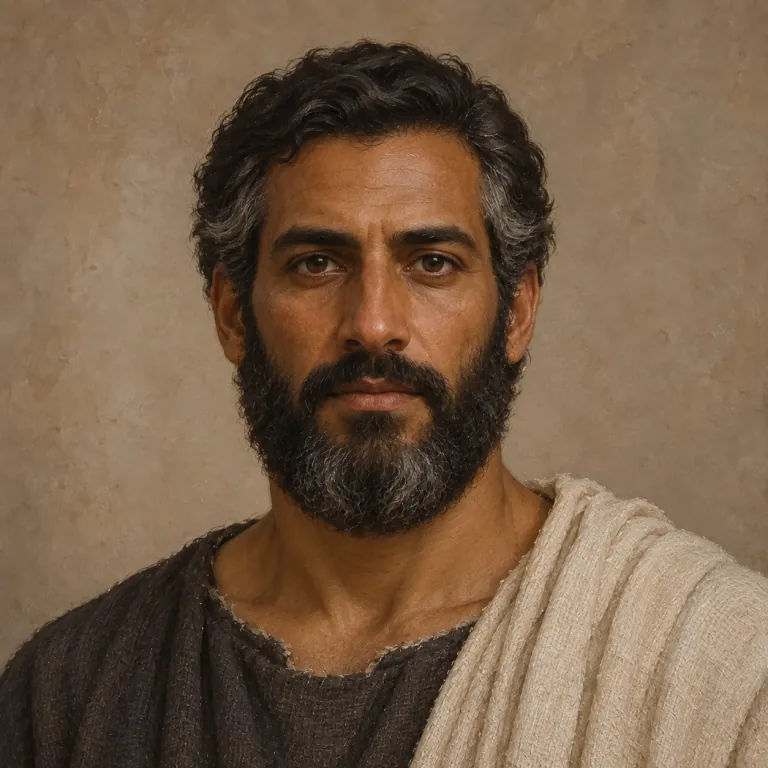
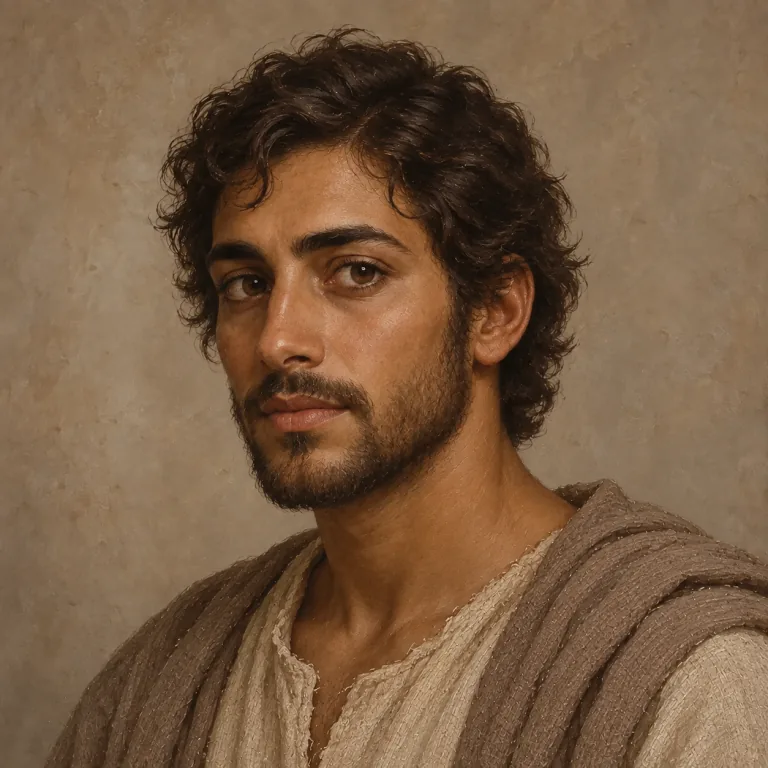

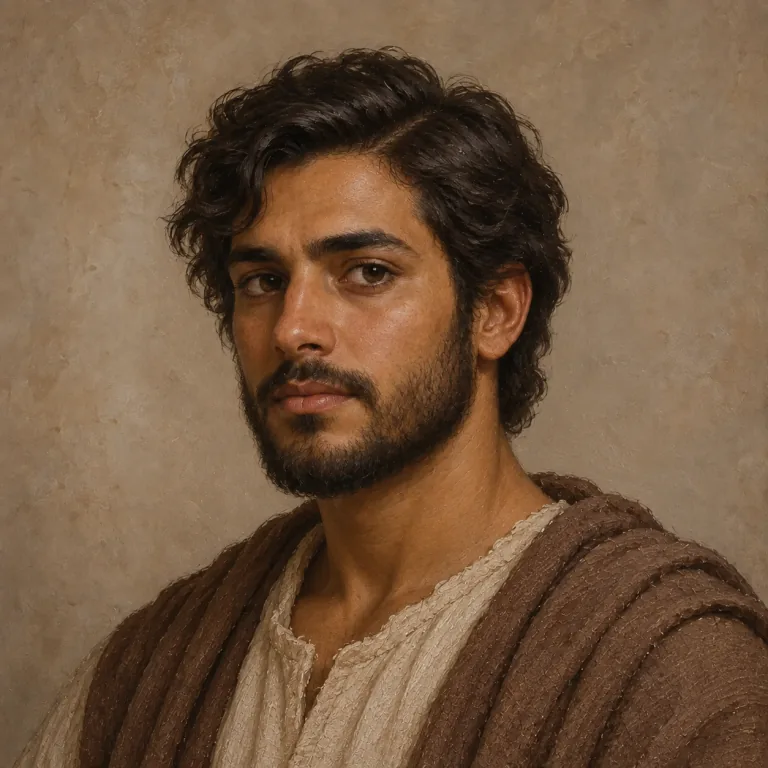
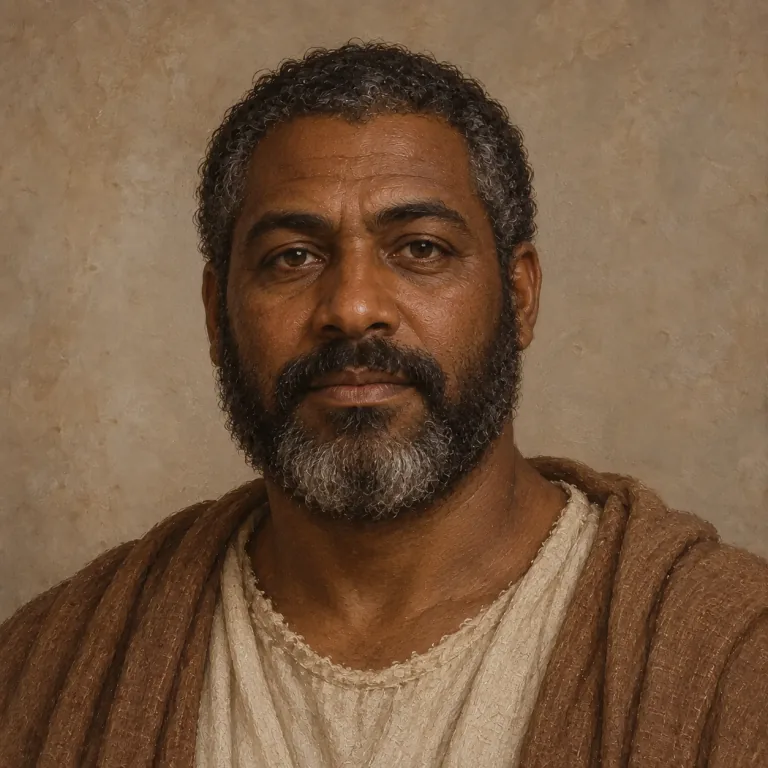
Also indexed here: