The Prophets · Old Testament
Jeremiah 1
Jeremiah 1: the prophet's call, the almond rod and the seething pot
General context
The chapter opens by naming Jeremiah the son of Hilkiah, of the priests in Anathoth in the land of Benjamin, and by setting his words in the days of Josiah, Jehoiakim and Zedekiah, down to the carrying away of Jerusalem captive in the fifth month. The word of the Lord then comes to him: before he was formed in the belly the Lord knew him and ordained him a prophet unto the nations. Jeremiah objects that he cannot speak because he is a child. The Lord answers that he must go wherever he is sent and speak whatever is commanded, and that he need not fear their faces. The Lord touches his mouth and says he has put his words there, setting him over nations and kingdoms to root out, pull down, destroy, throw down, build and plant. Two visions follow. Jeremiah sees a rod of an almond tree, and the Lord says he will hasten his word to perform it. He then sees a seething pot with its face toward the north, and the Lord says an evil will break forth out of the north on all the inhabitants of the land, with the families of the northern kingdoms setting their thrones at the gates of Jerusalem. The judgments answer the people's forsaking of the Lord and burning incense to other gods. The chapter closes with the command to gird up his loins and speak, and with the promise that he is made a defenced city, an iron pillar and brasen walls against kings, princes, priests and people, who will fight against him but not prevail.
Cited passages: Jeremiah 1:1, Jeremiah 1:2, Jeremiah 1:3, Jeremiah 1:4, Jeremiah 1:5, Jeremiah 1:6, Jeremiah 1:7, Jeremiah 1:8, Jeremiah 1:9, Jeremiah 1:10, Jeremiah 1:11, Jeremiah 1:12, Jeremiah 1:13, Jeremiah 1:14, Jeremiah 1:15, Jeremiah 1:16, Jeremiah 1:17, Jeremiah 1:18, Jeremiah 1:19
Jeremiah 1 (KJV)
1The words of Jeremiah the son of Hilkiah, of the priests that were in Anathoth in the land of Benjamin:
2To whom the word of the Lord came in the days of Josiah the son of Amon king of Judah, in the thirteenth year of his reign.
3It came also in the days of Jehoiakim the son of Josiah king of Judah, unto the end of the eleventh year of Zedekiah the son of Josiah king of Judah, unto the carrying away of Jerusalem captive in the fifth month.
4Then the word of the Lord came unto me, saying,
5Before I formed thee in the belly I knew thee; and before thou camest forth out of the womb I sanctified thee, and I ordained thee a prophet unto the nations.
6Then said I, Ah, Lord God! behold, I cannot speak: for I am a child.
7But the Lord said unto me, Say not, I am a child: for thou shalt go to all that I shall send thee, and whatsoever I command thee thou shalt speak.
8Be not afraid of their faces: for I am with thee to deliver thee, saith the Lord.
9Then the Lord put forth his hand, and touched my mouth. And the Lord said unto me, Behold, I have put my words in thy mouth.
10See, I have this day set thee over the nations and over the kingdoms, to root out, and to pull down, and to destroy, and to throw down, to build, and to plant.
11Moreover the word of the Lord came unto me, saying, Jeremiah, what seest thou? And I said, I see a rod of an almond tree.
12Then said the Lord unto me, Thou hast well seen: for I will hasten my word to perform it.
13And the word of the Lord came unto me the second time, saying, What seest thou? And I said, I see a seething pot; and the face thereof is toward the north.
14Then the Lord said unto me, Out of the north an evil shall break forth upon all the inhabitants of the land.
15For, lo, I will call all the families of the kingdoms of the north, saith the Lord; and they shall come, and they shall set every one his throne at the entering of the gates of Jerusalem, and against all the walls thereof round about, and against all the cities of Judah.
16And I will utter my judgments against them touching all their wickedness, who have forsaken me, and have burned incense unto other gods, and worshipped the works of their own hands.
17Thou therefore gird up thy loins, and arise, and speak unto them all that I command thee: be not dismayed at their faces, lest I confound thee before them.
18For, behold, I have made thee this day a defenced city, and an iron pillar, and brasen walls against the whole land, against the kings of Judah, against the princes thereof, against the priests thereof, and against the people of the land.
19And they shall fight against thee; but they shall not prevail against thee; for I am with thee, saith the Lord, to deliver thee.
This page shows the King James Version. In the app, reading opens in the Berean Standard Bible unless you have chosen another translation. The reader includes five translations: the Berean Standard Bible (BSB), the King James Version (KJV), the World English Bible (WEB), the Bible in Basic English (BBE), and the American Standard Version (ASV). Search covers three of them: Berean Standard, King James, and World English. Basic English and American Standard readers search the King James words.
Historical context
The text supplies the prophet's family and place: son of Hilkiah, of the priests in Anathoth in Benjamin. It does not say anything further about Hilkiah, and it does not identify him with any other Hilkiah. The span of the ministry is stated by kings' reigns: it begins in the thirteenth year of Josiah the son of Amon king of Judah, continues in the days of Jehoiakim the son of Josiah, and runs to the end of the eleventh year of Zedekiah the son of Josiah, when Jerusalem is carried away captive in the fifth month. The text gives no other dating and does not name the captor. The evil comes "out of the north" and is carried by "all the families of the kingdoms of the north," but no nation is named in this chapter. Verses 1 through 3 are narrated in the third person; from verse 4 the prophet speaks in the first person, reporting the Lord's words and his own reply. The Lord speaks of Jeremiah as known before birth and "a prophet unto the nations," and the list of opponents in verse 18 names kings, princes, priests and "the people of the land" of Judah. The chapter does not describe any actual encounter with these opponents; it only promises that they will fight and not prevail.
Cited passages: Jeremiah 1:1, Jeremiah 1:2, Jeremiah 1:3, Jeremiah 1:4, Jeremiah 1:5, Jeremiah 1:14, Jeremiah 1:15, Jeremiah 1:18, Jeremiah 1:19
Literary context
The chapter is built as a call followed by two visions and a commission. The call moves through speech and reply: the Lord's word, Jeremiah's protest "I cannot speak: for I am a child," and the Lord's rebuttal "Say not, I am a child." The touch on the mouth answers the objection directly, and the six verbs of verse 10, four of destruction and two of building, set the ratio that the later chapters follow. Both visions use the same question, "what seest thou?" and the same pattern of object, then meaning. The almond rod is tied to hastening, and the pot facing north is tied to evil from the north, a phrase repeated in the summons of chapters 4 and 6. The reassurance "Be not afraid of their faces" in verse 8 is echoed and sharpened in verse 17, "be not dismayed at their faces, lest I confound thee before them," and the promise "I am with thee to deliver thee" opens and closes the commission. The images of the prophet as a defenced city, iron pillar and brasen walls set him against the same land whose destruction he is to announce.
Cited passages: Jeremiah 1:6, Jeremiah 1:7, Jeremiah 1:8, Jeremiah 1:9, Jeremiah 1:10, Jeremiah 1:11, Jeremiah 1:13, Jeremiah 1:14, Jeremiah 1:17, Jeremiah 1:18, Jeremiah 1:19
Key moments
- The prophet named and placed (Jeremiah 1:1). Jeremiah the son of Hilkiah is introduced as one of the priests in Anathoth in the land of Benjamin.
- Known before birth (Jeremiah 1:5). The Lord says he knew and sanctified Jeremiah before he was formed and ordained him a prophet to the nations.
- I am a child (Jeremiah 1:6). Jeremiah protests that he cannot speak because he is a child.
- Words put in his mouth (Jeremiah 1:9). The Lord touches Jeremiah's mouth and says he has put his words there.
- The almond rod (Jeremiah 1:11). Jeremiah sees a rod of an almond tree, and the Lord says he will hasten his word.
- The pot facing north (Jeremiah 1:13). A seething pot with its face toward the north signals evil breaking out of the north.
- A defenced city (Jeremiah 1:18). The Lord makes Jeremiah a defenced city, an iron pillar and brasen walls against the whole land.
For reflection
The Lord's answer to "I cannot speak: for I am a child" is not that Jeremiah is able but that the words will be put in his mouth. What does the chapter suggest about the difference between being qualified and being sent?
People in this chapter
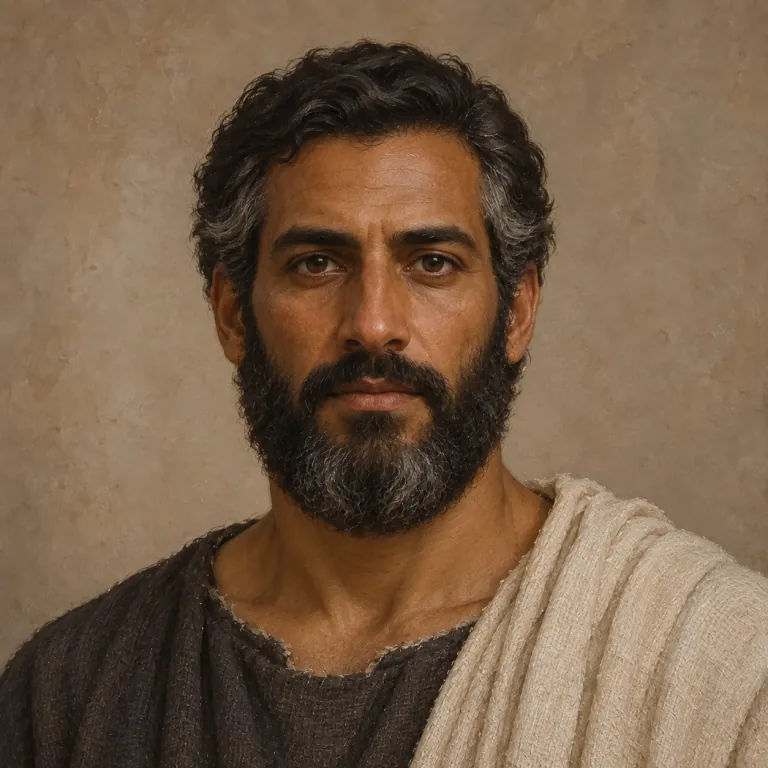
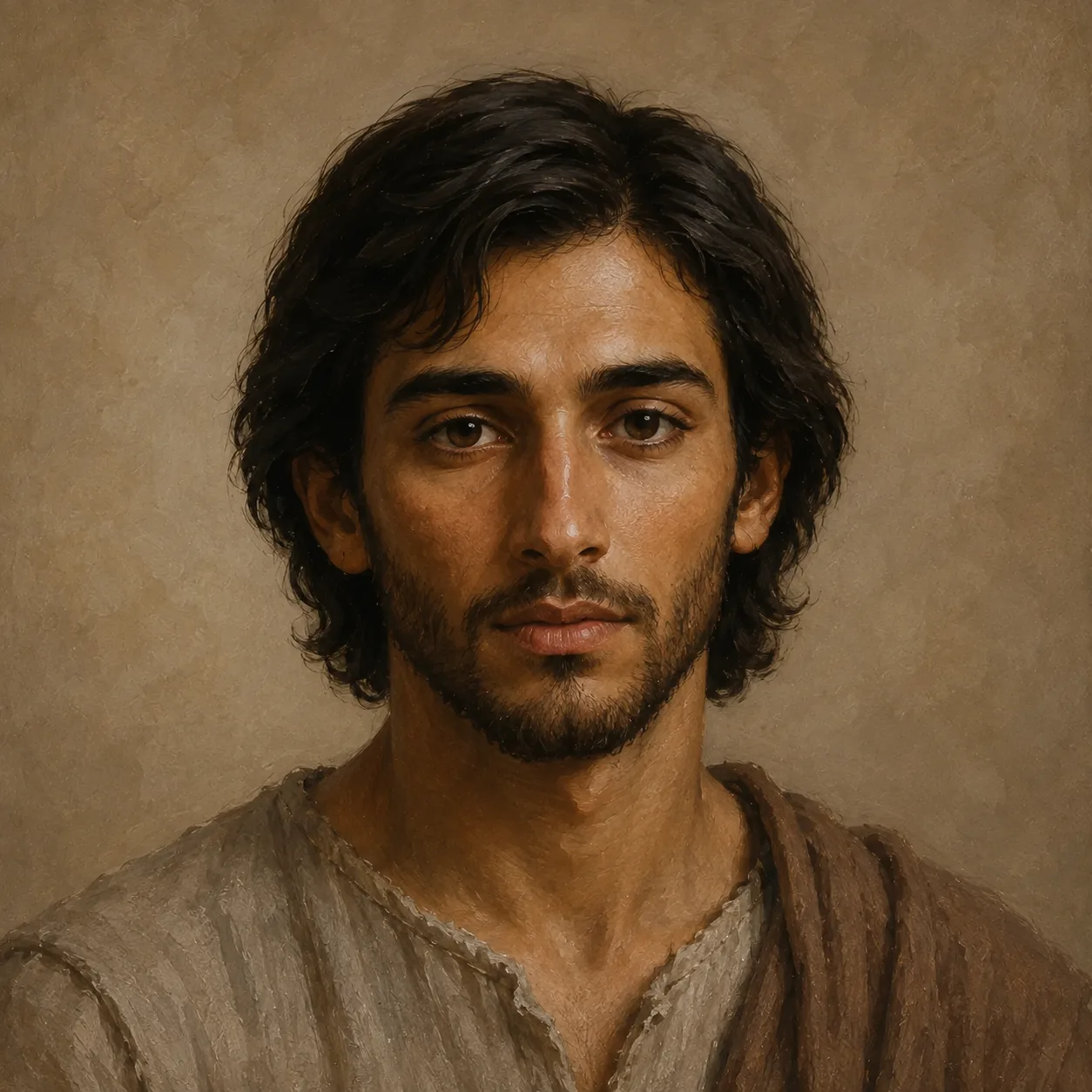
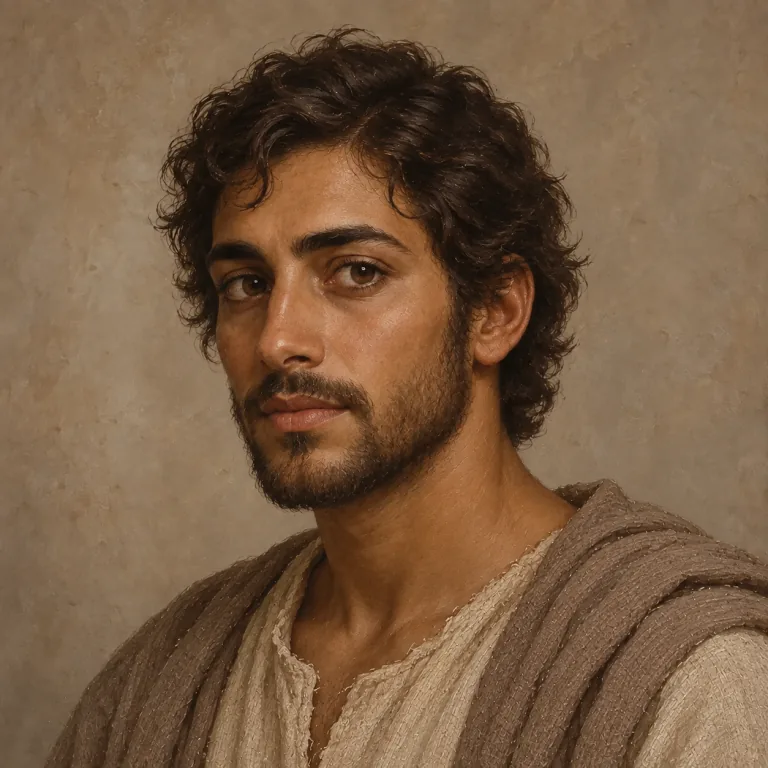
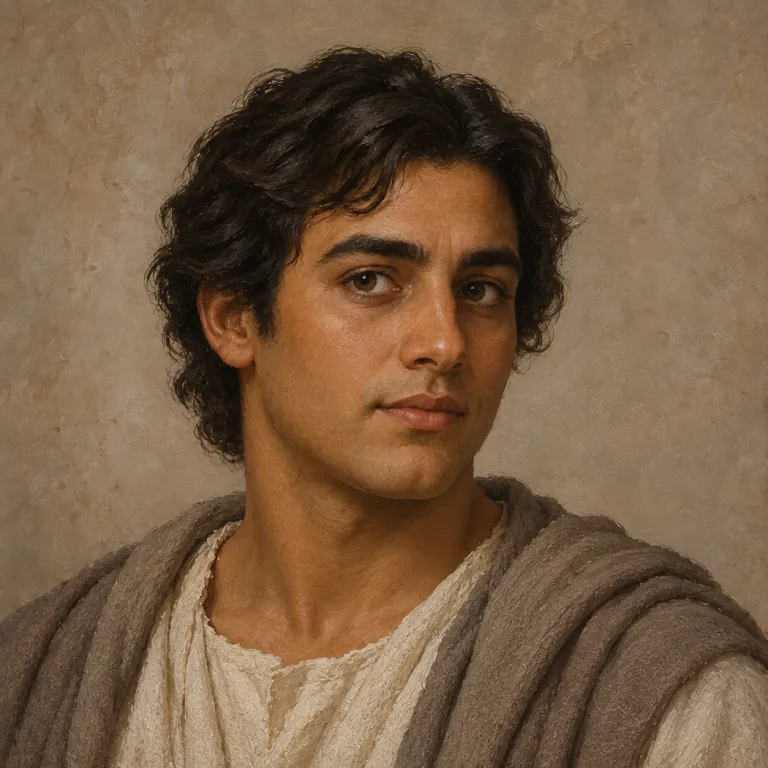
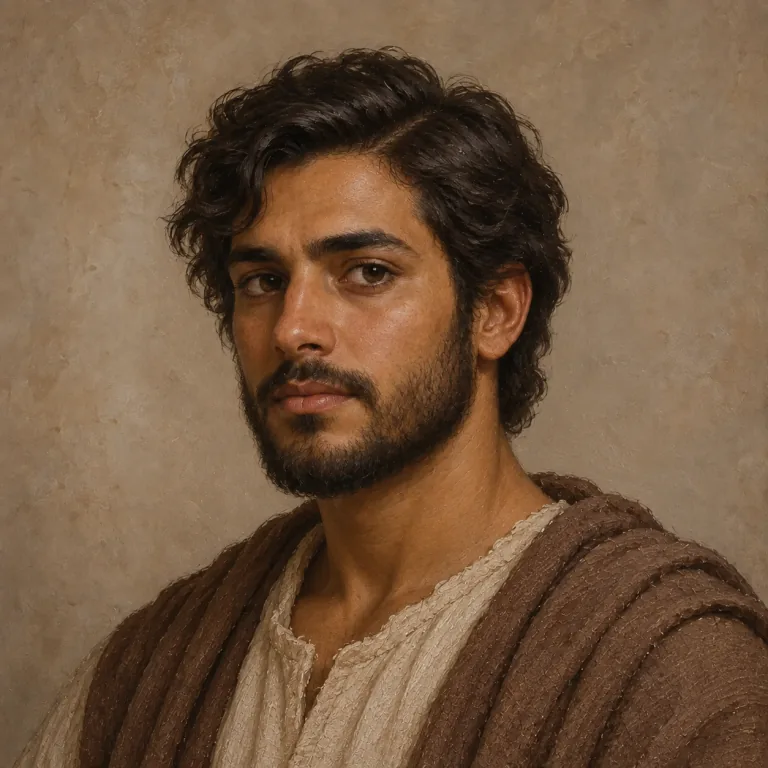
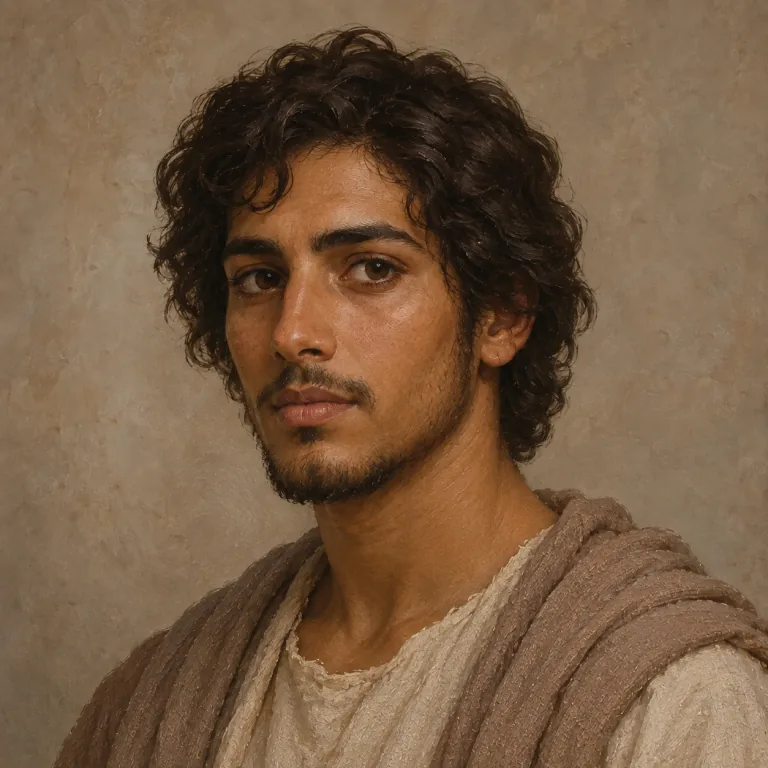
Also indexed here:
- Amon
- Hilkiah