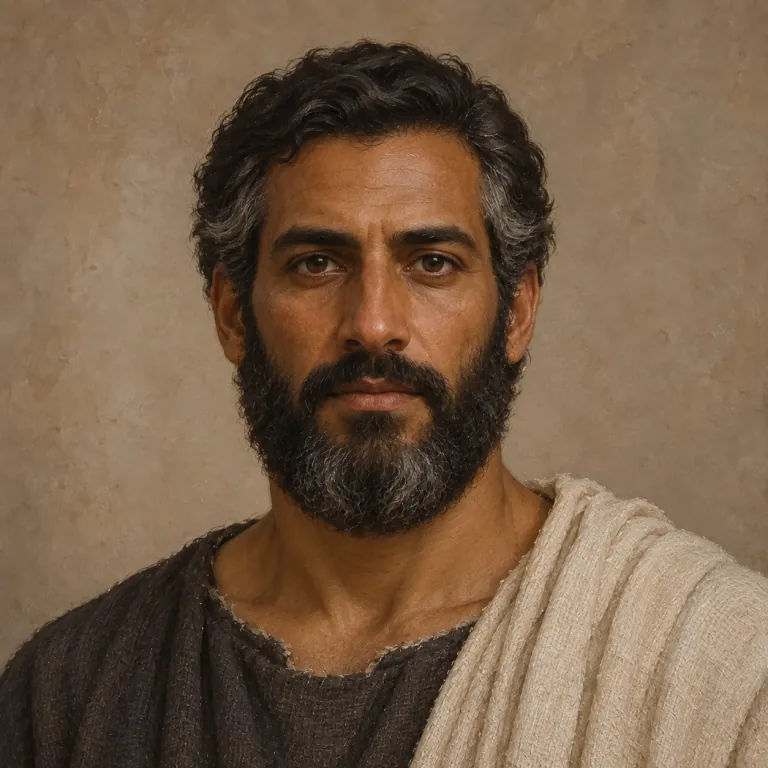
The Prophets · Old Testament
Jeremiah 11
Jeremiah 11: the broken covenant and the plot of the men of Anathoth
General context
The word comes to Jeremiah to speak the words of the covenant to the men of Judah and Jerusalem: cursed is the man who does not obey the covenant commanded to their fathers when the Lord brought them out of Egypt, from the iron furnace, so that they would be his people and he would give them a land flowing with milk and honey. Jeremiah answers, So be it, O Lord. The Lord says he protested to the fathers from the day of the exodus, rising early, yet they walked in the imagination of their evil heart, so he will bring on them all the words of the covenant. A conspiracy is found among the men of Judah: both houses have broken the covenant and gone after other gods. Evil will come that they cannot escape; when they cry the Lord will not hear, and the gods to whom they burn incense will not save them, for Judah has as many gods as cities and as many altars to Baal as Jerusalem has streets. Jeremiah is again forbidden to pray for the people. The Lord asks what his beloved has to do in his house after her lewdness; he named her a green olive tree, and now he has kindled fire on it. Jeremiah then reports that the Lord showed him their doings: he had been like a lamb led to slaughter, not knowing they devised to cut him off from the land of the living. He asks the Lord who tries the reins and heart to let him see vengeance. The Lord answers concerning the men of Anathoth who seek his life and tell him not to prophesy: their young men will die by the sword, their sons and daughters by famine, and no remnant will be left in the year of their visitation.
Cited passages: Jeremiah 11:1, Jeremiah 11:2, Jeremiah 11:3, Jeremiah 11:4, Jeremiah 11:5, Jeremiah 11:6, Jeremiah 11:7, Jeremiah 11:8, Jeremiah 11:9, Jeremiah 11:10, Jeremiah 11:11, Jeremiah 11:12, Jeremiah 11:13, Jeremiah 11:14, Jeremiah 11:15, Jeremiah 11:16, Jeremiah 11:17, Jeremiah 11:18, Jeremiah 11:19, Jeremiah 11:20, Jeremiah 11:21, Jeremiah 11:22, Jeremiah 11:23
Jeremiah 11 (KJV)
1The word that came to Jeremiah from the Lord, saying,
2Hear ye the words of this covenant, and speak unto the men of Judah, and to the inhabitants of Jerusalem;
3And say thou unto them, Thus saith the Lord God of Israel; Cursed be the man that obeyeth not the words of this covenant,
4Which I commanded your fathers in the day that I brought them forth out of the land of Egypt, from the iron furnace, saying, Obey my voice, and do them, according to all which I command you: so shall ye be my people, and I will be your God:
5That I may perform the oath which I have sworn unto your fathers, to give them a land flowing with milk and honey, as it is this day. Then answered I, and said, So be it, O Lord.
6Then the Lord said unto me, Proclaim all these words in the cities of Judah, and in the streets of Jerusalem, saying, Hear ye the words of this covenant, and do them.
7For I earnestly protested unto your fathers in the day that I brought them up out of the land of Egypt, even unto this day, rising early and protesting, saying, Obey my voice.
8Yet they obeyed not, nor inclined their ear, but walked every one in the imagination of their evil heart: therefore I will bring upon them all the words of this covenant, which I commanded them to do; but they did them not.
9And the Lord said unto me, A conspiracy is found among the men of Judah, and among the inhabitants of Jerusalem.
10They are turned back to the iniquities of their forefathers, which refused to hear my words; and they went after other gods to serve them: the house of Israel and the house of Judah have broken my covenant which I made with their fathers.
11Therefore thus saith the Lord, Behold, I will bring evil upon them, which they shall not be able to escape; and though they shall cry unto me, I will not hearken unto them.
12Then shall the cities of Judah and inhabitants of Jerusalem go, and cry unto the gods unto whom they offer incense: but they shall not save them at all in the time of their trouble.
13For according to the number of thy cities were thy gods, O Judah; and according to the number of the streets of Jerusalem have ye set up altars to that shameful thing, even altars to burn incense unto Baal.
14Therefore pray not thou for this people, neither lift up a cry or prayer for them: for I will not hear them in the time that they cry unto me for their trouble.
15What hath my beloved to do in mine house, seeing she hath wrought lewdness with many, and the holy flesh is passed from thee? when thou doest evil, then thou rejoicest.
16The Lord called thy name, A green olive tree, fair, and of goodly fruit: with the noise of a great tumult he hath kindled fire upon it, and the branches of it are broken.
17For the Lord of hosts, that planted thee, hath pronounced evil against thee, for the evil of the house of Israel and of the house of Judah, which they have done against themselves to provoke me to anger in offering incense unto Baal.
18And the Lord hath given me knowledge of it, and I know it: then thou shewedst me their doings.
19But I was like a lamb or an ox that is brought to the slaughter; and I knew not that they had devised devices against me, saying, Let us destroy the tree with the fruit thereof, and let us cut him off from the land of the living, that his name may be no more remembered.
20But, O Lord of hosts, that judgest righteously, that triest the reins and the heart, let me see thy vengeance on them: for unto thee have I revealed my cause.
21Therefore thus saith the Lord of the men of Anathoth, that seek thy life, saying, Prophesy not in the name of the Lord, that thou die not by our hand:
22Therefore thus saith the Lord of hosts, Behold, I will punish them: the young men shall die by the sword; their sons and their daughters shall die by famine:
23And there shall be no remnant of them: for I will bring evil upon the men of Anathoth, even the year of their visitation.
This page shows the King James Version. In the app, reading opens in the Berean Standard Bible unless you have chosen another translation. The reader includes five translations: the Berean Standard Bible (BSB), the King James Version (KJV), the World English Bible (WEB), the Bible in Basic English (BBE), and the American Standard Version (ASV). Search covers three of them: Berean Standard, King James, and World English. Basic English and American Standard readers search the King James words.
Historical context
The chapter opens in the third person, "The word that came to Jeremiah from the Lord," and then moves into Jeremiah's first-person report. The covenant is identified only as "the words of this covenant" commanded to the fathers "in the day that I brought them forth out of the land of Egypt, from the iron furnace," and its core is quoted as "Obey my voice." The text does not say which written document is meant or where it was read. The men of Anathoth are the prophet's own townsmen by 1:1, which placed him among the priests in Anathoth, and the plot against his life is stated in their quoted words, "Prophesy not in the name of the Lord, that thou die not by our hand." Verse 19 gives the plotters' words as Jeremiah reports them, and verse 18 says the Lord revealed the plot to him; the narrator gives no scene of the plot itself. The charge of altars "according to the number of the streets of Jerusalem" repeats the claim of 2:28 that Judah's gods number as many as her cities. The prohibition "pray not thou for this people" repeats 7:16. The Lord's judgment on Anathoth, sword for the young men and famine for sons and daughters with no remnant, is stated plainly and not softened; the chapter does not narrate its fulfilment.
Cited passages: Jeremiah 11:1, Jeremiah 11:2, Jeremiah 11:4, Jeremiah 11:9, Jeremiah 11:13, Jeremiah 11:14, Jeremiah 11:18, Jeremiah 11:19, Jeremiah 11:21, Jeremiah 11:22, Jeremiah 11:23
Literary context
The chapter has two movements: the covenant proclamation and the prophet's own complaint. The first is shaped by repetition of the words "this covenant" and "Obey my voice," and by the pattern of the Lord speaking "rising early and protesting" and the fathers not inclining their ear, the same pattern as 7:13 and 7:25. Jeremiah's single reply, "So be it, O Lord," is the only speech he offers before the plot. The image shifts from a curse to a green olive tree with fire kindled on it and branches broken, the Lord planting and then pronouncing evil against what he planted. The second movement turns the chapter's language back on the prophet: he is a lamb or ox brought to the slaughter, and the plotters say, "Let us destroy the tree with the fruit thereof," so the tree image of verse 16 becomes the prophet himself. His appeal to the Lord "that triest the reins and the heart" opens the sequence of personal complaints that continues in chapter 12. The chapter ends with the Lord's answer given twice, "Therefore thus saith the Lord," and with the word visitation, which closes the men of Anathoth's story as it closed the idols' in 10:15.
Cited passages: Jeremiah 11:3, Jeremiah 11:4, Jeremiah 11:5, Jeremiah 11:7, Jeremiah 11:8, Jeremiah 11:16, Jeremiah 11:17, Jeremiah 11:19, Jeremiah 11:20, Jeremiah 11:21, Jeremiah 11:22, Jeremiah 11:23
Key moments
- Hear the words of this covenant (Jeremiah 11:2). Jeremiah is sent to speak the covenant to the men of Judah and Jerusalem.
- So be it, O Lord (Jeremiah 11:5). Jeremiah answers the covenant curse with assent.
- A conspiracy found (Jeremiah 11:9). The Lord says the men of Judah have returned to their forefathers' iniquities.
- Gods that cannot save (Jeremiah 11:12). The people will cry to the gods they burn incense to, and they will not save.
- The green olive tree burns (Jeremiah 11:16). The Lord named her a fair olive tree and has kindled fire on it.
- A lamb to the slaughter (Jeremiah 11:19). Jeremiah learns that men devised to cut him off from the land of the living.
- The men of Anathoth (Jeremiah 11:21). The Lord answers those who seek the prophet's life and tell him not to prophesy.
For reflection
Jeremiah says he was like a lamb brought to the slaughter and did not know that his own townsmen plotted against him until the Lord showed him. What does it mean that the one told to announce a curse on covenant-breakers first has to learn that he is the target of those nearest to him?