Person in the Old Testament
Ahab
Ahab: Israel's king confronted by the prophetic word
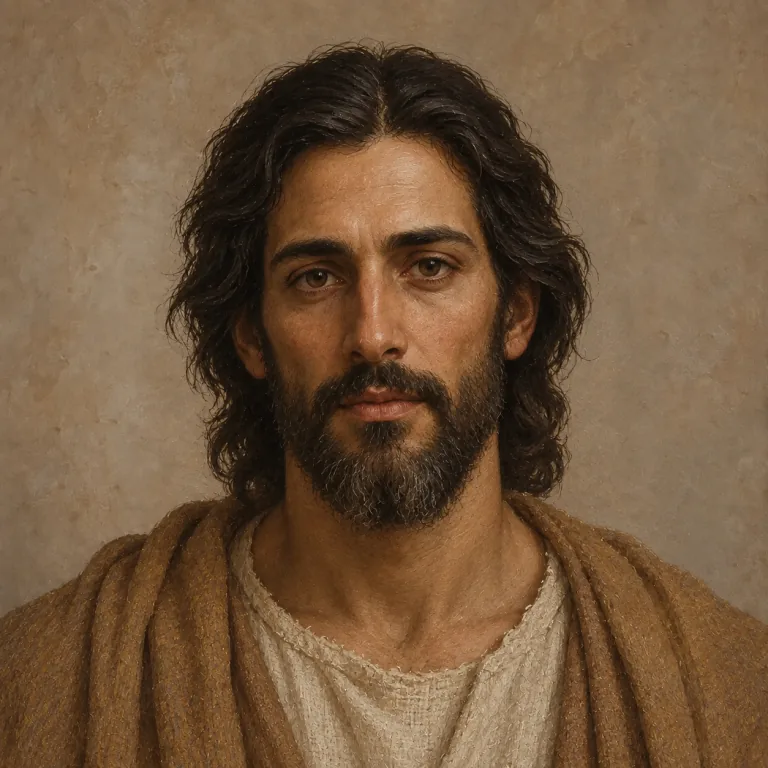
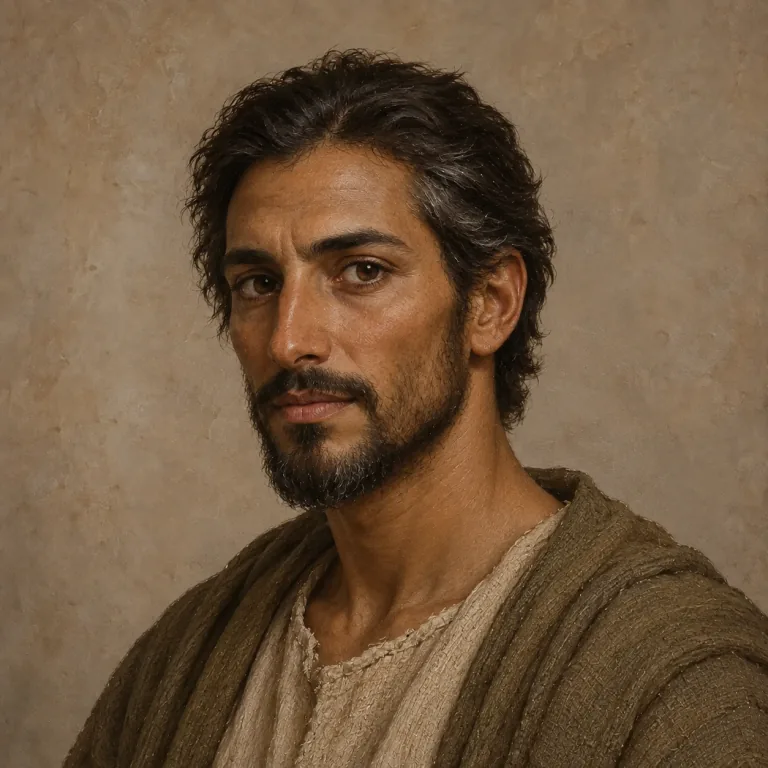
Portrait: an AI-generated artistic interpretation, not evidence of how Ahab looked.
Who Ahab is
Ahab is Omri's son, king of Israel in Samaria and Jezebel's husband. He serves Baal, and the narrator judges him more severely than the kings before him. Elijah confronts him over Israel's abandonment of the Lord's commands. Ahab wins two battles against Syria but is rebuked after releasing Ben-hadad under a covenant. When Naboth refuses to surrender his vineyard, Jezebel arranges his death in Ahab's name and Ahab goes to take the property. Elijah announces judgment; Ahab humbles himself, and disaster on his house is delayed. Later he rejects Micaiah's warning and goes with Jehoshaphat to Ramoth-gilead in disguise. An arrow wounds him, he dies in the battle, and Ahaziah succeeds him.
Cited passages: 1 Kings 16:28, 1 Kings 16:29, 1 Kings 16:30, 1 Kings 16:31, 1 Kings 16:32, 1 Kings 16:33, 1 Kings 18:17, 1 Kings 18:18, 1 Kings 18:19, 1 Kings 18:20, 1 Kings 20:20, 1 Kings 20:21, 1 Kings 20:29, 1 Kings 20:30, 1 Kings 20:31, 1 Kings 20:32, 1 Kings 20:33, 1 Kings 20:34, 1 Kings 20:39, 1 Kings 20:40, 1 Kings 20:41, 1 Kings 20:42, 1 Kings 20:43, 1 Kings 21:1, 1 Kings 21:2, 1 Kings 21:3, 1 Kings 21:4, 1 Kings 21:5, 1 Kings 21:6, 1 Kings 21:7, 1 Kings 21:8, 1 Kings 21:9, 1 Kings 21:10, 1 Kings 21:11, 1 Kings 21:12, 1 Kings 21:13, 1 Kings 21:14, 1 Kings 21:15, 1 Kings 21:16, 1 Kings 21:17, 1 Kings 21:18, 1 Kings 21:19, 1 Kings 21:20, 1 Kings 21:21, 1 Kings 21:22, 1 Kings 21:23, 1 Kings 21:24, 1 Kings 21:25, 1 Kings 21:26, 1 Kings 21:27, 1 Kings 21:28, 1 Kings 21:29, 1 Kings 22:8, 1 Kings 22:9, 1 Kings 22:17, 1 Kings 22:18, 1 Kings 22:19, 1 Kings 22:20, 1 Kings 22:21, 1 Kings 22:22, 1 Kings 22:23, 1 Kings 22:24, 1 Kings 22:25, 1 Kings 22:26, 1 Kings 22:27, 1 Kings 22:28, 1 Kings 22:29, 1 Kings 22:30, 1 Kings 22:31, 1 Kings 22:32, 1 Kings 22:33, 1 Kings 22:34, 1 Kings 22:35, 1 Kings 22:36, 1 Kings 22:37, 1 Kings 22:38, 1 Kings 22:39, 1 Kings 22:40
Historical setting
Ahab's reign in Samaria is given as twenty-two years. Jezebel's influence is explicit, but the narrator also assigns Ahab responsibility for his own conduct. Her role in the vineyard plot does not remove him from Elijah's charge of killing and taking possession. The Lord's recognition of his humbling does not state that he permanently abandons Baal worship or escapes every later judgment. References to the destruction of Ahab's house after his death concern descendants and associates; they are not new acts performed by Ahab himself.
Cited passages: 1 Kings 16:29, 1 Kings 16:30, 1 Kings 16:31, 1 Kings 16:32, 1 Kings 16:33, 1 Kings 21:8, 1 Kings 21:9, 1 Kings 21:10, 1 Kings 21:11, 1 Kings 21:12, 1 Kings 21:13, 1 Kings 21:14, 1 Kings 21:15, 1 Kings 21:16, 1 Kings 21:17, 1 Kings 21:18, 1 Kings 21:19, 1 Kings 21:25, 1 Kings 21:26, 1 Kings 21:27, 1 Kings 21:28, 1 Kings 21:29, 1 Kings 22:35, 1 Kings 22:36, 1 Kings 22:37, 1 Kings 22:38, 1 Kings 22:39, 1 Kings 22:40, 2 Kings 10:1, 2 Kings 10:2, 2 Kings 10:3, 2 Kings 10:4, 2 Kings 10:5, 2 Kings 10:6, 2 Kings 10:7, 2 Kings 10:8, 2 Kings 10:9, 2 Kings 10:10, 2 Kings 10:11
How the story is told
Ahab is described as heavy and displeased both after a prophetic rebuke and after Naboth's refusal. He calls Elijah his enemy and objects that Micaiah does not prophesy good about him. These responses expose his resistance when another person's word limits what he wants. The account also preserves his humbling after Elijah's judgment, preventing that moment from being erased by the later account of his death. Military strength and royal disguise do not make the unwelcome word disappear.
Cited passages: 1 Kings 20:42, 1 Kings 20:43, 1 Kings 21:3, 1 Kings 21:4, 1 Kings 21:19, 1 Kings 21:20, 1 Kings 21:21, 1 Kings 21:22, 1 Kings 21:23, 1 Kings 21:24, 1 Kings 21:25, 1 Kings 21:26, 1 Kings 21:27, 1 Kings 21:28, 1 Kings 21:29, 1 Kings 22:8, 1 Kings 22:27, 1 Kings 22:28, 1 Kings 22:29, 1 Kings 22:30, 1 Kings 22:31, 1 Kings 22:32, 1 Kings 22:33, 1 Kings 22:34, 1 Kings 22:35, 1 Kings 22:36, 1 Kings 22:37, 1 Kings 22:38
Story moments
- Baal worship established (1 Kings 16:32). Ahab builds a house and altar for Baal in Samaria.
- Elijah names the trouble (1 Kings 18:18). Elijah answers Ahab's accusation by naming abandonment of the Lord's commands.
- Ben-hadad released (1 Kings 20:34). Ahab makes a covenant with the defeated Syrian king.
- The vineyard claimed (1 Kings 21:16). Ahab goes to take possession after Naboth's death.
- Ahab humbles himself (1 Kings 21:27). He tears his clothes, wears sackcloth and fasts after the announced judgment.
- Micaiah imprisoned (1 Kings 22:27). Ahab orders Micaiah confined until the king returns in peace.
- Death in the chariot (1 Kings 22:35). Ahab dies at evening after being struck by an arrow.
Key passages
1 Kings 16:28
So Omri slept with his fathers, and was buried in Samaria: and Ahab his son reigned in his stead.
1 Kings 16:29
And in the thirty and eighth year of Asa king of Judah began Ahab the son of Omri to reign over Israel: and Ahab the son of Omri reigned over Israel in Samaria twenty and two years.
1 Kings 16:30
And Ahab the son of Omri did evil in the sight of the Lord above all that were before him.
1 Kings 16:33
And Ahab made a grove; and Ahab did more to provoke the Lord God of Israel to anger than all the kings of Israel that were before him.
1 Kings 17:1
And Elijah the Tishbite, who was of the inhabitants of Gilead, said unto Ahab, As the Lord God of Israel liveth, before whom I stand, there shall not be dew nor rain these years, but according to my word.
1 Kings 18:1
And it came to pass after many days, that the word of the Lord came to Elijah in the third year, saying, Go, shew thyself unto Ahab; and I will send rain upon the earth.
King James Version. 79 indexed passages in total.
For reflection
How do Ahab's reactions to Naboth, Elijah and Micaiah expose what he expects his authority to secure?
Books Ahab appears in
Related people

Names and references are adapted from STEPBible TIPNR. A person listed with a verse is named or indexed there; it does not mean they wrote or spoke it.