The Histories · Old Testament
2 Kings 22
2 Kings 22: the book of the law found in the temple, and Huldah's word to Josiah
General context
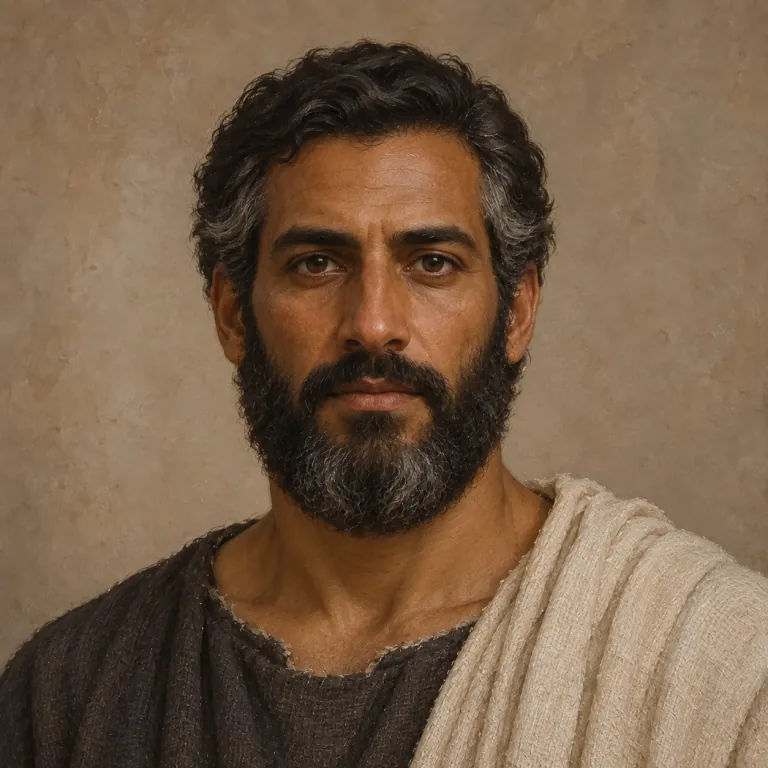
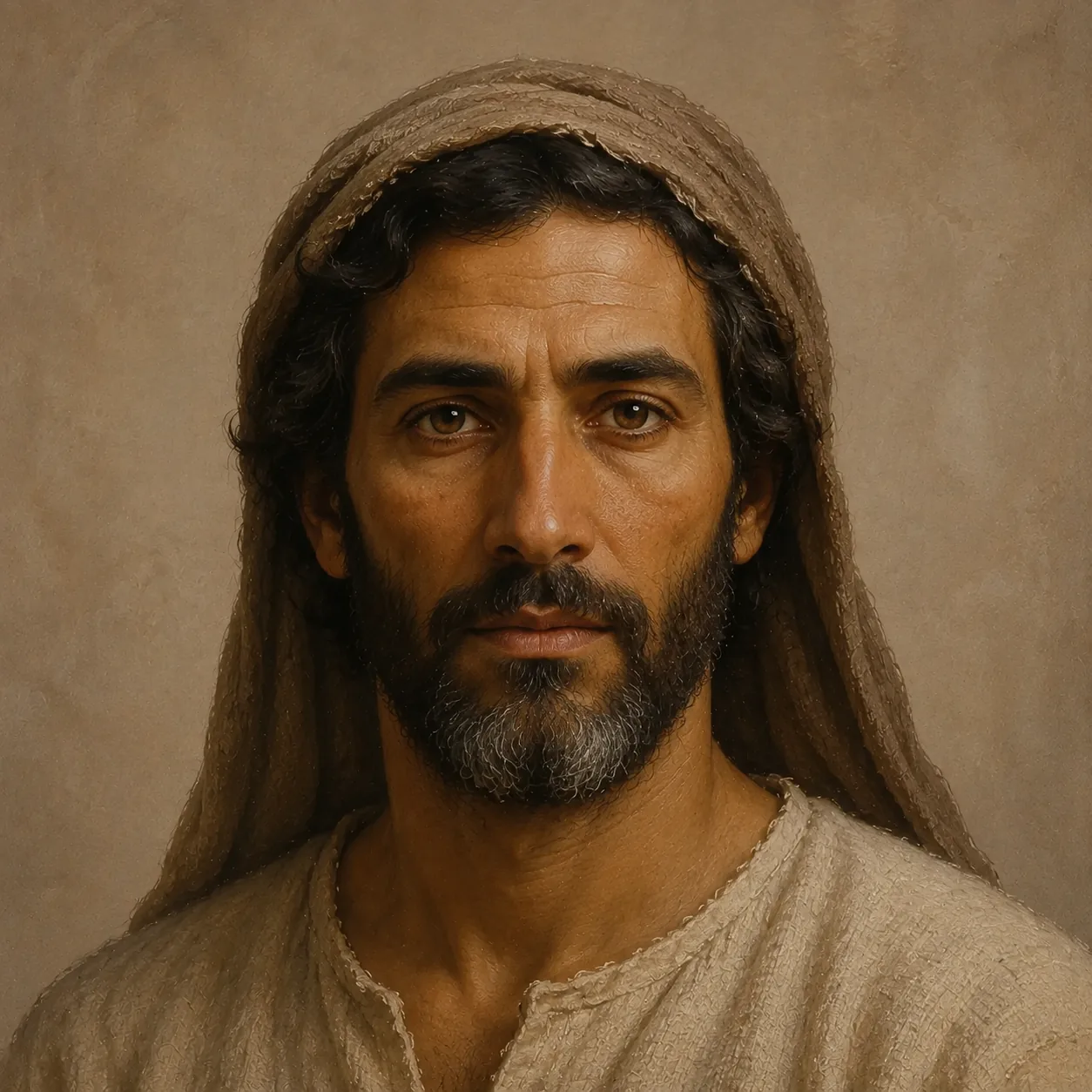
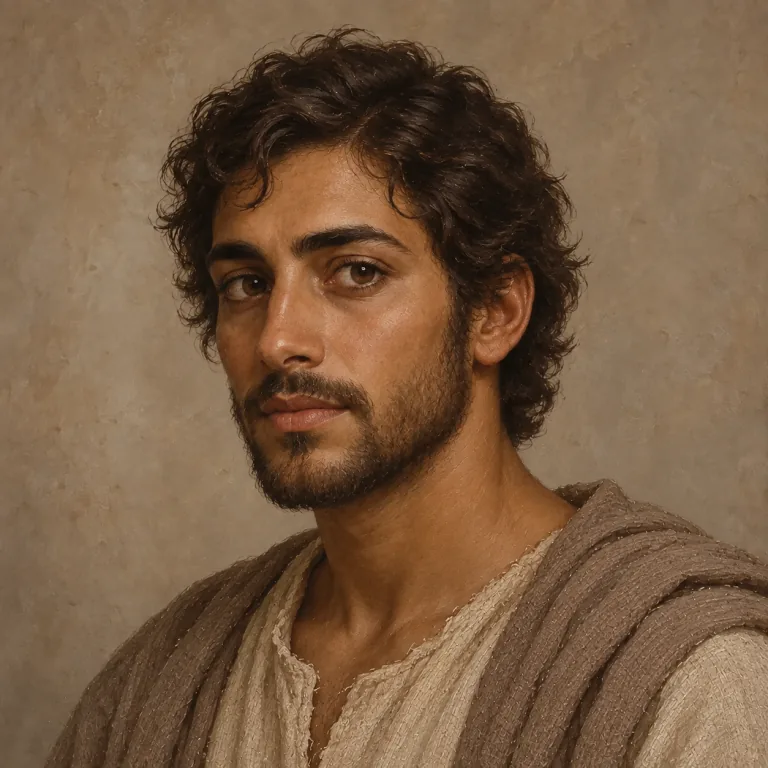
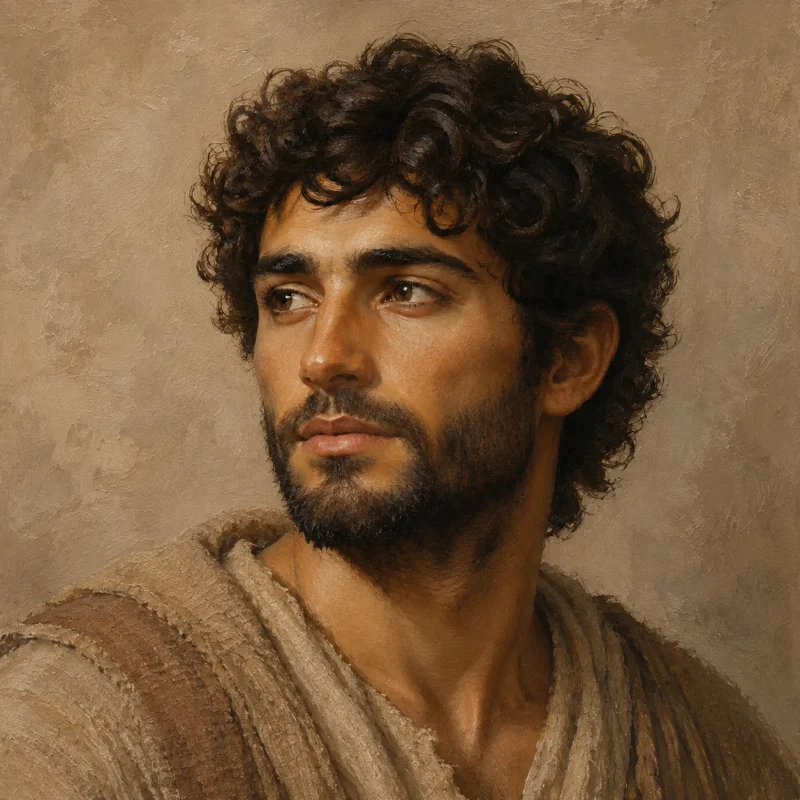
Josiah becomes king at eight and reigns thirty-one years; his mother is Jedidah the daughter of Adaiah of Boscath. The narrator says he does right, walks in all the way of David, and turns aside neither to the right nor the left. In his eighteenth year he sends Shaphan the scribe to Hilkiah the high priest to count the silver the doorkeepers have gathered and hand it to the overseers for carpenters, builders and masons repairing the house; no reckoning is required because the workers deal faithfully. Hilkiah tells Shaphan he has found the book of the law in the house of the Lord and gives it to him, and Shaphan reads it. Shaphan reports to the king on the money, then says Hilkiah has delivered him a book, and reads it before the king. When the king hears the words of the book he tears his clothes and commands Hilkiah, Ahikam, Achbor, Shaphan and Asahiah to enquire of the Lord for him, the people and all Judah, because the Lord's wrath is great since their fathers did not obey the book. The five go to Huldah the prophetess, wife of Shallum the keeper of the wardrobe, who lives in Jerusalem in the college. She speaks in the Lord's name: tell the man who sent you that the Lord will bring on this place and its people all the words of the book, because they forsook him and burned incense to other gods, and the wrath will not be quenched. To the king she says that because his heart was tender, he humbled himself, tore his clothes and wept, the Lord has heard him; he will be gathered to his grave in peace and will not see the evil. They bring the king word.
Cited passages: 2 Kings 22:1, 2 Kings 22:2, 2 Kings 22:3, 2 Kings 22:4, 2 Kings 22:6, 2 Kings 22:7, 2 Kings 22:8, 2 Kings 22:9, 2 Kings 22:10, 2 Kings 22:11, 2 Kings 22:12, 2 Kings 22:13, 2 Kings 22:14, 2 Kings 22:15, 2 Kings 22:16, 2 Kings 22:17, 2 Kings 22:19, 2 Kings 22:20
2 Kings 22 (KJV)
1Josiah was eight years old when he began to reign, and he reigned thirty and one years in Jerusalem. And his mother’s name was Jedidah, the daughter of Adaiah of Boscath.
2And he did that which was right in the sight of the Lord, and walked in all the way of David his father, and turned not aside to the right hand or to the left.
3And it came to pass in the eighteenth year of king Josiah, that the king sent Shaphan the son of Azaliah, the son of Meshullam, the scribe, to the house of the Lord, saying,
4Go up to Hilkiah the high priest, that he may sum the silver which is brought into the house of the Lord, which the keepers of the door have gathered of the people:
5And let them deliver it into the hand of the doers of the work, that have the oversight of the house of the Lord: and let them give it to the doers of the work which is in the house of the Lord, to repair the breaches of the house,
6Unto carpenters, and builders, and masons, and to buy timber and hewn stone to repair the house.
7Howbeit there was no reckoning made with them of the money that was delivered into their hand, because they dealt faithfully.
8And Hilkiah the high priest said unto Shaphan the scribe, I have found the book of the law in the house of the Lord. And Hilkiah gave the book to Shaphan, and he read it.
9And Shaphan the scribe came to the king, and brought the king word again, and said, Thy servants have gathered the money that was found in the house, and have delivered it into the hand of them that do the work, that have the oversight of the house of the Lord.
10And Shaphan the scribe shewed the king, saying, Hilkiah the priest hath delivered me a book. And Shaphan read it before the king.
11And it came to pass, when the king had heard the words of the book of the law, that he rent his clothes.
12And the king commanded Hilkiah the priest, and Ahikam the son of Shaphan, and Achbor the son of Michaiah, and Shaphan the scribe, and Asahiah a servant of the king’s, saying,
13Go ye, enquire of the Lord for me, and for the people, and for all Judah, concerning the words of this book that is found: for great is the wrath of the Lord that is kindled against us, because our fathers have not hearkened unto the words of this book, to do according unto all that which is written concerning us.
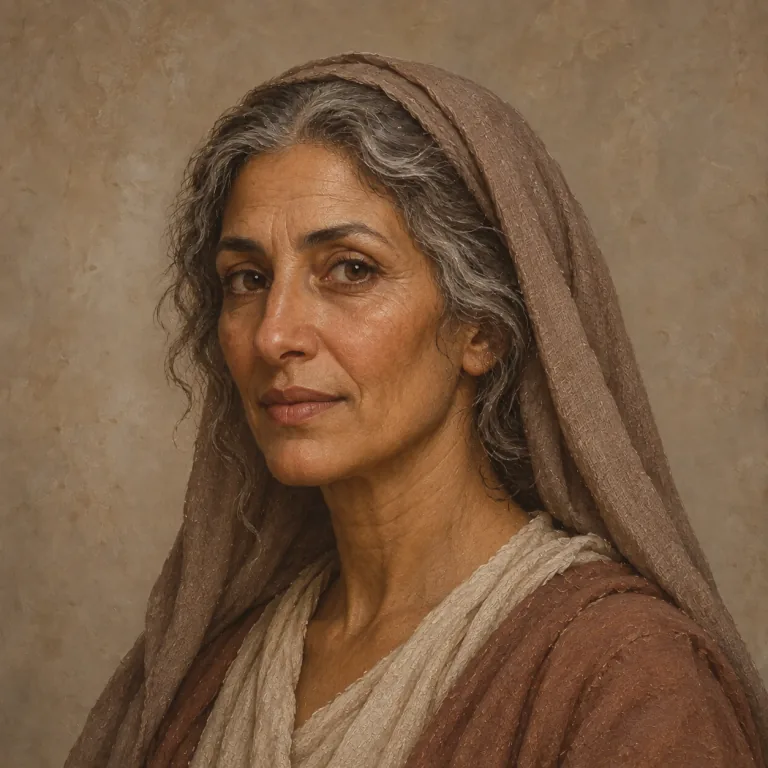
14So Hilkiah the priest, and Ahikam, and Achbor, and Shaphan, and Asahiah, went unto Huldah the prophetess, the wife of Shallum the son of Tikvah, the son of Harhas, keeper of the wardrobe; (now she dwelt in Jerusalem in the college;) and they communed with her.
15And she said unto them, Thus saith the Lord God of Israel, Tell the man that sent you to me,
16Thus saith the Lord, Behold, I will bring evil upon this place, and upon the inhabitants thereof, even all the words of the book which the king of Judah hath read:
17Because they have forsaken me, and have burned incense unto other gods, that they might provoke me to anger with all the works of their hands; therefore my wrath shall be kindled against this place, and shall not be quenched.
18But to the king of Judah which sent you to enquire of the Lord, thus shall ye say to him, Thus saith the Lord God of Israel, As touching the words which thou hast heard;
19Because thine heart was tender, and thou hast humbled thyself before the Lord, when thou heardest what I spake against this place, and against the inhabitants thereof, that they should become a desolation and a curse, and hast rent thy clothes, and wept before me; I also have heard thee, saith the Lord.
20Behold therefore, I will gather thee unto thy fathers, and thou shalt be gathered into thy grave in peace; and thine eyes shall not see all the evil which I will bring upon this place. And they brought the king word again.
This page shows the King James Version. In the app, reading opens in the Berean Standard Bible unless you have chosen another translation. The reader includes five translations: the Berean Standard Bible (BSB), the King James Version (KJV), the World English Bible (WEB), the Bible in Basic English (BBE), and the American Standard Version (ASV). Search covers three of them: Berean Standard, King James, and World English. Basic English and American Standard readers search the King James words.
Historical context
Josiah's age at accession is given here, after the previous chapter reported the people of the land making him king. The eighteenth year is the only date in the chapter, and the next chapter uses the same year for the passover. The book is called the book of the law; chapter 23 calls it the book of the covenant. The text does not say what the book contained, how it came to be in the house, or how long it had been unread; the only content implied is Huldah's reference to what the Lord spoke against the place, a desolation and a curse. The procedure for the repair money, handed over without reckoning to workers who deal faithfully, repeats the arrangement recorded under Joash. Hilkiah is called the high priest in verses 4 and 8 and the priest elsewhere. Huldah is identified by her husband Shallum, his father and grandfather, his office as keeper of the wardrobe, and her dwelling in the college; the college is the KJV wording and the text does not explain it. 2 Chronicles 34 gives the husband's ancestors as Tikvath and Hasrah. She is the only prophet the delegation consults, and no other prophet is named in the chapter. Her oracle first addresses the man that sent you and then the king of Judah, and the narrator does not describe Josiah's reply. Her word that he will be gathered to his grave in peace stands beside the next chapter's report that he was killed at Megiddo; the text does not reconcile the two.
Cited passages: 2 Kings 22:1, 2 Kings 21:24, 2 Kings 22:3, 2 Kings 23:23, 2 Kings 22:8, 2 Kings 23:2, 2 Kings 22:19, 2 Kings 22:7, 2 Kings 12:15, 2 Kings 22:4, 2 Kings 22:14, 2 Chronicles 34:22, 2 Kings 22:15, 2 Kings 22:18, 2 Kings 22:20, 2 Kings 23:29
Literary context
The chapter begins as an account of temple repairs and turns on a single sentence from Hilkiah, I have found the book of the law. Shaphan's report to the king keeps the same order, the money first and the book second, so the discovery arrives almost as an afterthought. The book is read twice, once by Shaphan alone and once before the king, and the king's response comes in two stages, torn clothes and then the command to enquire. The word book recurs through the chapter, and the king's phrase, our fathers have not hearkened unto the words of this book, is answered by the Lord's, I also have heard thee. Huldah's oracle is built in two parts, each opened with Thus saith the Lord: an unconditional word against the place, whose wrath shall not be quenched, and a personal word to the king, whose tenderness, humility, torn clothes and weeping are listed back to him. The narrator's opening praise, that Josiah turned not aside to the right hand or to the left, uses the language of the law for kings. The movement of the chapter is sent, went, brought word again, so the king acts through messengers throughout.
Cited passages: 2 Kings 22:5, 2 Kings 22:8, 2 Kings 22:9, 2 Kings 22:10, 2 Kings 22:11, 2 Kings 22:13, 2 Kings 22:19, 2 Kings 22:16, 2 Kings 22:17, 2 Kings 22:18, 2 Kings 22:2, Deuteronomy 17:20, 2 Kings 22:3, 2 Kings 22:14, 2 Kings 22:20
Key moments
- Silver for the repairs (2 Kings 22:4). Josiah sends Shaphan to Hilkiah to count the silver and pay the workers repairing the house.
- The book of the law found (2 Kings 22:8). Hilkiah tells Shaphan he has found the book of the law in the house of the Lord.
- The king tears his clothes (2 Kings 22:11). Josiah hears the words of the book read and rends his clothes.
- Enquire of the Lord for me (2 Kings 22:13). Josiah sends five men to enquire of the Lord because of the wrath kindled against Judah.
- The delegation goes to Huldah (2 Kings 22:14). Hilkiah, Ahikam, Achbor, Shaphan and Asahiah consult Huldah the prophetess.
- Wrath that shall not be quenched (2 Kings 22:17). Huldah declares the Lord's evil on the place because its people forsook him.
- Gathered to the grave in peace (2 Kings 22:20). Huldah says Josiah will not see the evil because his heart was tender.
For reflection
Huldah tells the king that the Lord has heard him because his heart was tender, and in the same breath that the wrath against the place will not be quenched. What does the chapter suggest about being heard when the larger outcome does not change?
People in this chapter
Also indexed here: