Person in the New Testament
Timothy
Timothy: the disciple of Lystra who is sent ahead and named in Paul's letters
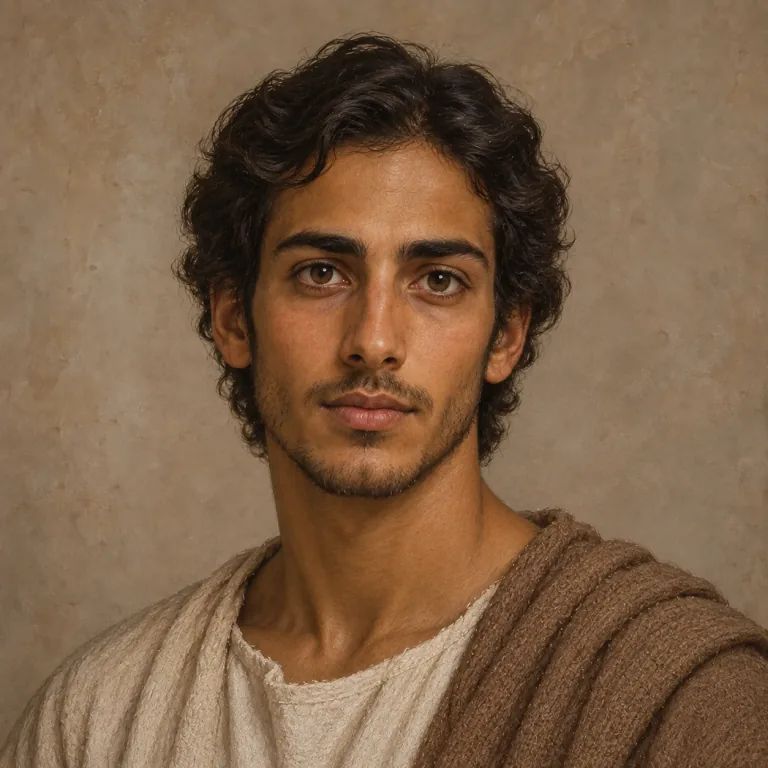
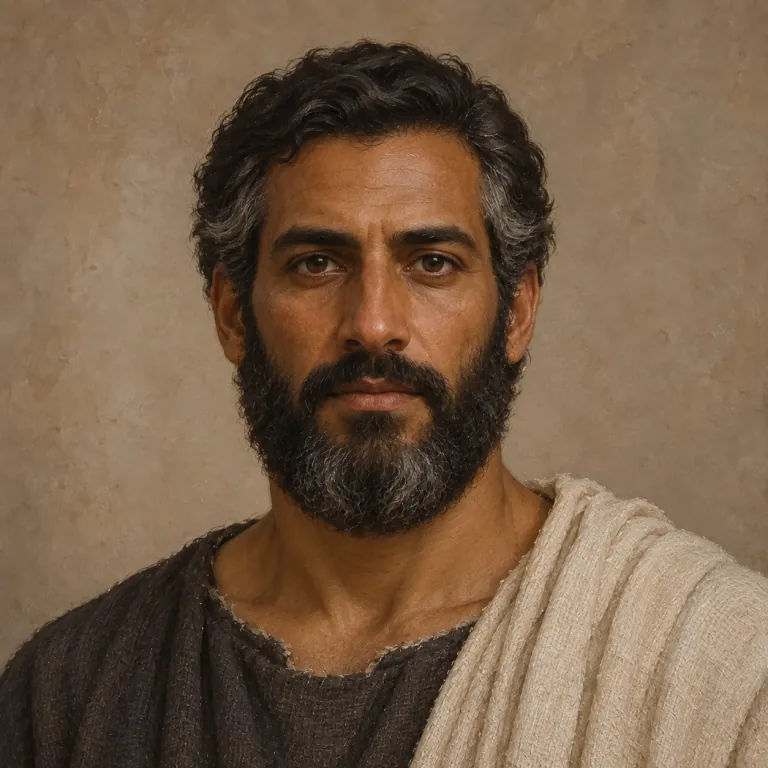
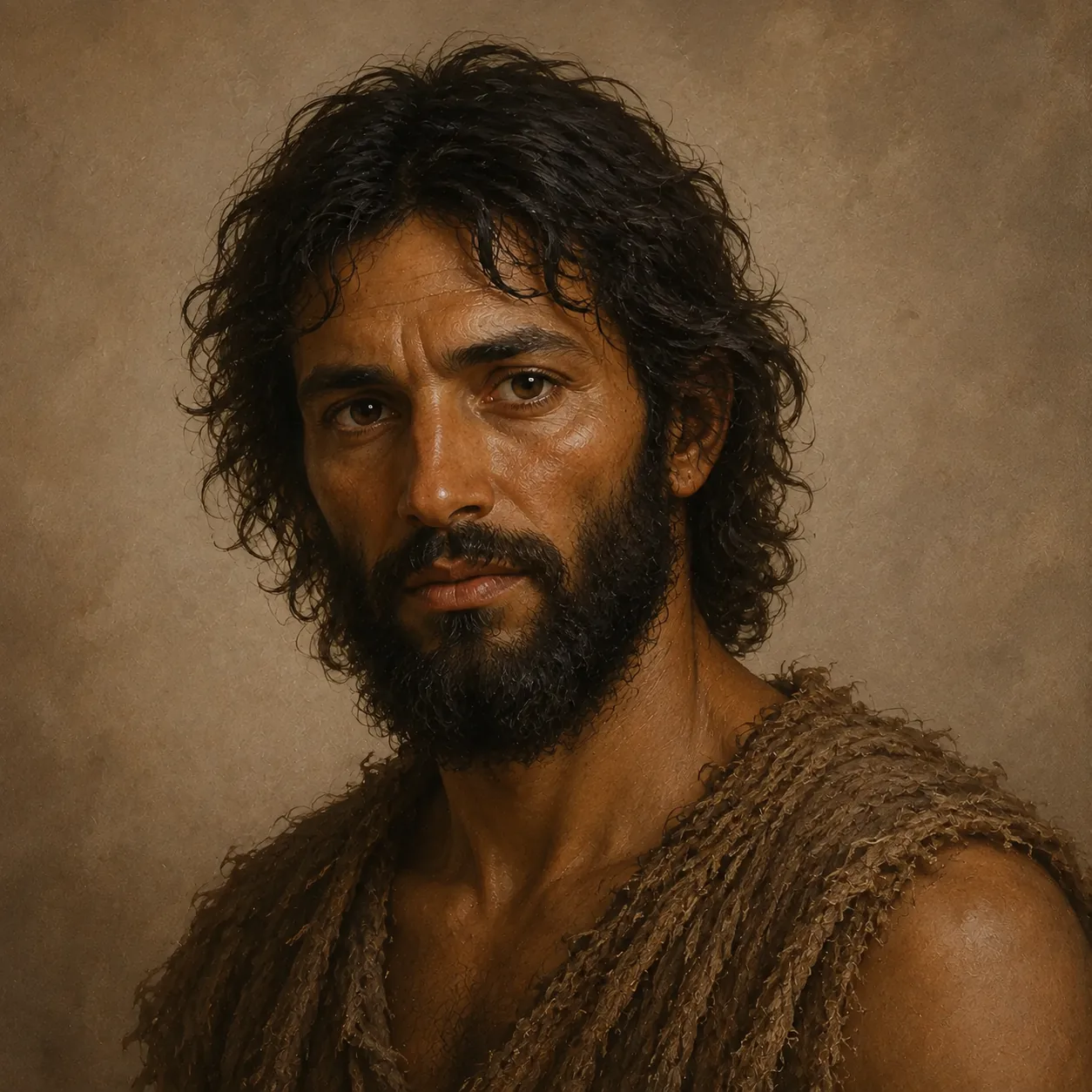
Portrait: an AI-generated artistic interpretation, not evidence of how Timothy looked.
Who Timothy is
Acts introduces him at Derbe and Lystra as Timotheus, a certain disciple, the son of a woman which was a Jewess and believed, with a Greek father, well reported of by the brethren at Lystra and Iconium. Paul takes him and circumcises him because of the Jews in those quarters. He stays at Berea with Silas when Paul is sent to Athens, is ordered to come with all speed, and arrives with Silas from Macedonia at Corinth. From Ephesus Paul sends him with Erastus into Macedonia, and he is listed among those who accompany Paul into Asia. The letters name him often. Romans calls him Timotheus my workfellow. First Corinthians says he was sent as my beloved son, and faithful in the Lord, and asks that he be with them without fear. He is named with Paul in the openings of 2 Corinthians, Philippians, Colossians, 1 and 2 Thessalonians and Philemon. Philippians says the writer has no man likeminded and that as a son with the father, he hath served with me in the gospel. First Thessalonians calls him our brother, and minister of God, and our fellowlabourer in the gospel of Christ, sent to establish and comfort them, and reports his return with good tidings. First and Second Timothy address him directly as son, and Hebrews says our brother Timothy is set at liberty.
Cited passages: Acts 16:1, Acts 16:2, Acts 16:3, Acts 17:14, Acts 17:15, Acts 18:5, Acts 19:22, Acts 20:4, Romans 16:21, 1 Corinthians 4:17, 1 Corinthians 16:10, 2 Corinthians 1:1, Philippians 1:1, Philippians 2:19, Philippians 2:20, Philippians 2:22, Colossians 1:1, 1 Thessalonians 1:1, 1 Thessalonians 3:2, 1 Thessalonians 3:6, 2 Thessalonians 1:1, 1 Timothy 1:2, 1 Timothy 1:18, 2 Timothy 1:2, Philemon 1:1, Hebrews 13:23
Historical setting
The name is printed in two forms for the same person, Timotheus in Acts and in several letter openings, and Timothy in 2 Corinthians, in Philemon, in the two letters addressed to him and in Hebrews. Acts describes his mother only as a Jewess who believed and does not name her, and names no father beyond calling him a Greek. Second Timothy names a grandmother Lois and a mother Eunice in a sentence about faith, without repeating the description in Acts. The letters give errands rather than a continuous life: sent to Corinth, sent into Macedonia, sent to the Thessalonians, charged to stay at Ephesus. First Timothy speaks of prophecies which went before on thee without giving their words. Hebrews says he is set at liberty and says nothing of where or why he was held. No dates appear anywhere in these passages.
Cited passages: Acts 16:1, Acts 16:3, 1 Corinthians 4:17, 1 Thessalonians 3:2, 1 Timothy 1:2, 1 Timothy 1:3, 1 Timothy 1:18, 2 Timothy 1:2, 2 Timothy 1:5, Hebrews 13:23
How the story is told
In Acts he is introduced through his parents and his reputation, and then stays present without speaking; none of these passages quote a word of his. The letters use him in two ways at once. His name stands beside Paul's in the greeting, which puts him among the senders, and his body is sent, which makes him the errand: to remind a church of Paul's ways, to establish and comfort, to bring back news, to stay behind at Ephesus. Philippians describes him by comparison, saying there is no man likeminded and that he served as a son with the father. The two letters addressed to him change his position again, from a man written about to a man written to and charged.
Cited passages: Acts 16:1, Acts 16:3, Acts 19:22, 1 Corinthians 4:17, 1 Corinthians 16:10, Philippians 2:19, Philippians 2:20, Philippians 2:22, 1 Thessalonians 3:2, 1 Thessalonians 3:6, 1 Timothy 1:18, 1 Timothy 6:20, 2 Timothy 1:2
Story moments
- Found at Lystra (Acts 16:1). Paul finds a disciple named Timotheus whose mother is a Jewess who believed and whose father is a Greek.
- Circumcised before the journey (Acts 16:3). Paul takes him along and circumcises him because of the Jews in those quarters.
- Left at Berea (Acts 17:14). Silas and Timotheus stay in Berea when Paul is sent toward the sea.
- Sent into Macedonia (Acts 19:22). Paul sends Timotheus and Erastus ahead while he stays in Asia.
- Sent to Corinth (1 Corinthians 4:17). He is sent as a beloved and faithful son to remind the church of Paul's ways.
- Serving as a son with a father (Philippians 2:22). Philippians says the readers know the proof of him from his service in the gospel.
- Set at liberty (Hebrews 13:23). Hebrews reports that brother Timothy has been released.
Key passages
Acts 16:1
Then came he to Derbe and Lystra: and, behold, a certain disciple was there, named Timotheus, the son of a certain woman, which was a Jewess, and believed; but his father was a Greek:
Acts 17:14
And then immediately the brethren sent away Paul to go as it were to the sea: but Silas and Timotheus abode there still.
Acts 17:15
And they that conducted Paul brought him unto Athens: and receiving a commandment unto Silas and Timotheus for to come to him with all speed, they departed.
Acts 18:5
And when Silas and Timotheus were come from Macedonia, Paul was pressed in the spirit, and testified to the Jews that Jesus was Christ.
Acts 19:22
So he sent into Macedonia two of them that ministered unto him, Timotheus and Erastus; but he himself stayed in Asia for a season.
Acts 20:4
And there accompanied him into Asia Sopater of Berea; and of the Thessalonians, Aristarchus and Secundus; and Gaius of Derbe, and Timotheus; and of Asia, Tychicus and Trophimus.
King James Version. 28 indexed passages in total.
For reflection
Timothy is named in more letter openings than almost anyone else and is never once quoted. What does it take to trust someone enough to send them in your place?
Books Timothy appears in
Related people
Names and references are adapted from STEPBible TIPNR. A person listed with a verse is named or indexed there; it does not mean they wrote or spoke it.