The Letters · New Testament
2 Timothy 1
Courage with love and loyalty
General context
Paul recalls Timothy's sincere faith and urges him to stir up God's gift. Power, love and a sound mind lead into the call to share suffering for the gospel without shame. Paul connects that work with God's grace and the life made known through Christ. The chapter ends with people who turned away and Onesiphorus, who sought Paul in Rome. Its picture of courage joins faithful teaching to practical loyalty.
Cited passages: 2 Timothy 1:5, 2 Timothy 1:6, 2 Timothy 1:7, 2 Timothy 1:8, 2 Timothy 1:9, 2 Timothy 1:10, 2 Timothy 1:13, 2 Timothy 1:15, 2 Timothy 1:17
2 Timothy 1 (KJV)
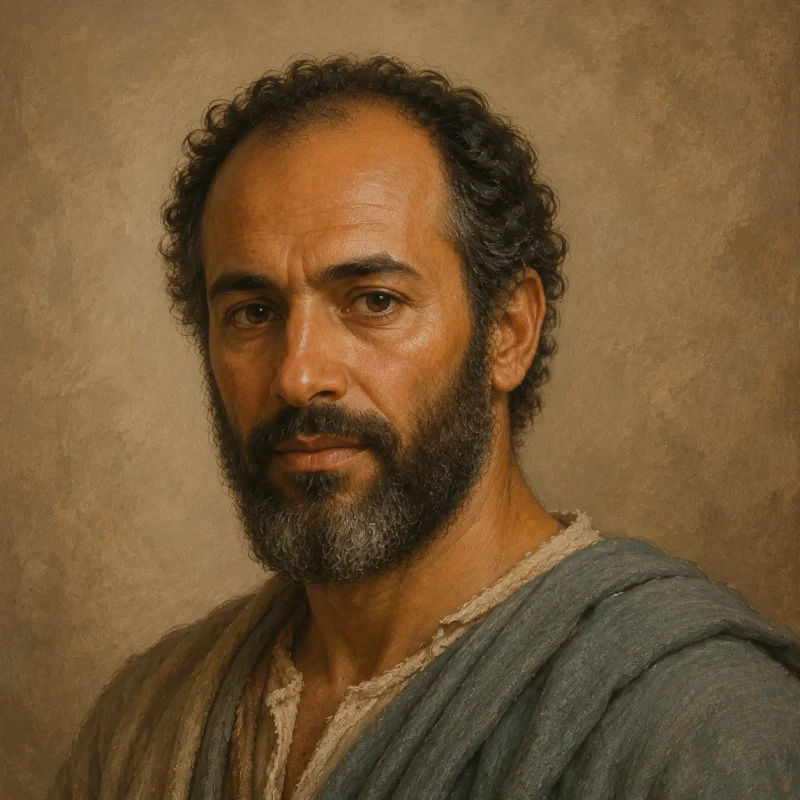
1Paul, an apostle of Jesus Christ by the will of God, according to the promise of life which is in Christ Jesus,
2To Timothy, my dearly beloved son: Grace, mercy, and peace, from God the Father and Christ Jesus our Lord.
3I thank God, whom I serve from my forefathers with pure conscience, that without ceasing I have remembrance of thee in my prayers night and day;
4Greatly desiring to see thee, being mindful of thy tears, that I may be filled with joy;
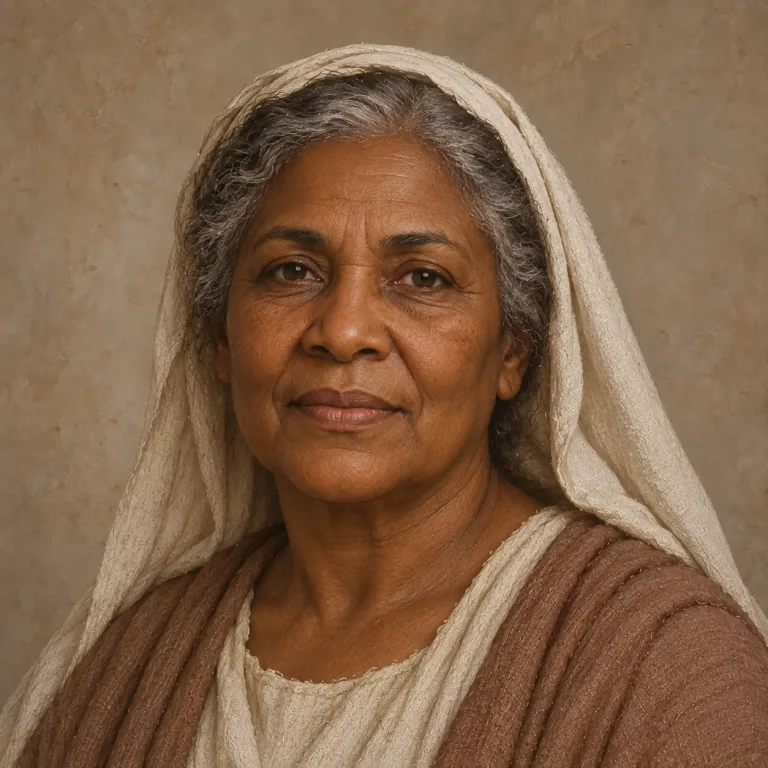
5When I call to remembrance the unfeigned faith that is in thee, which dwelt first in thy grandmother Lois, and thy mother Eunice; and I am persuaded that in thee also.
6Wherefore I put thee in remembrance that thou stir up the gift of God, which is in thee by the putting on of my hands.
7For God hath not given us the spirit of fear; but of power, and of love, and of a sound mind.
8Be not thou therefore ashamed of the testimony of our Lord, nor of me his prisoner: but be thou partaker of the afflictions of the gospel according to the power of God;
9Who hath saved us, and called us with an holy calling, not according to our works, but according to his own purpose and grace, which was given us in Christ Jesus before the world began,
10But is now made manifest by the appearing of our Saviour Jesus Christ, who hath abolished death, and hath brought life and immortality to light through the gospel:
11Where unto I am appointed a preacher, and an apostle, and a teacher of the Gentiles.
12For the which cause I also suffer these things: nevertheless I am not ashamed: for I know whom I have believed, and am persuaded that he is able to keep that which I have committed unto him against that day.
13Hold fast the form of sound words, which thou hast heard of me, in faith and love which is in Christ Jesus.
14That good thing which was committed unto thee keep by the Holy Ghost which dwelleth in us.
15This thou knowest, that all they which are in Asia be turned away from me; of whom are Phygellus and Hermogenes.
16The Lord give mercy unto the house of Onesiphorus; for he oft refreshed me, and was not ashamed of my chain:
17But, when he was in Rome, he sought me out very diligently, and found me.
18The Lord grant unto him that he may find mercy of the Lord in that day: and in how many things he ministered unto me at Ephesus, thou knowest very well.
This page shows the King James Version. In the app, reading opens in the Berean Standard Bible unless you have chosen another translation. The reader includes five translations: the Berean Standard Bible (BSB), the King James Version (KJV), the World English Bible (WEB), the Bible in Basic English (BBE), and the American Standard Version (ASV). Search covers three of them: Berean Standard, King James, and World English. Basic English and American Standard readers search the King James words.
Historical context
The letter names Paul as its writer and Timothy as its recipient. It recalls the faith of Timothy's grandmother Lois and mother Eunice. Paul describes himself as a prisoner, remembers the kindness of Onesiphorus during his confinement, and places Onesiphorus's search for him in Rome. Help at Ephesus is also remembered. These family ties, places and acts of support give the appeal to courage a personal setting within the letter.
Cited passages: 2 Timothy 1:1, 2 Timothy 1:2, 2 Timothy 1:5, 2 Timothy 1:8, 2 Timothy 1:16, 2 Timothy 1:17, 2 Timothy 1:18
Literary context
The language of shame connects instruction, personal testimony and example. Timothy is urged not to be ashamed; Paul says he is not ashamed; Onesiphorus is remembered as unashamed of Paul's chain. Remembrance at the beginning leads into commands to hold sound teaching and guard what has been entrusted. Reading these lines together keeps the gift, the witness and the suffering within the same appeal.
Cited passages: 2 Timothy 1:5, 2 Timothy 1:6, 2 Timothy 1:8, 2 Timothy 1:12, 2 Timothy 1:13, 2 Timothy 1:14, 2 Timothy 1:16
Key moments
- Attend to the gift (2 Timothy 1:6). Timothy is reminded to stir up the gift associated with the laying on of Paul's hands.
- Share in the witness (2 Timothy 1:8). The appeal against shame includes sharing the afflictions of the gospel.
- Guard what is entrusted (2 Timothy 1:14). The charge to keep what was entrusted is joined to the Holy Spirit's help.
- Seek out a prisoner (2 Timothy 1:17). Onesiphorus is remembered for searching diligently for Paul in Rome.
For reflection
Where do you notice this chapter connecting courage with love and practical loyalty?
People in this chapter



Also indexed here:
- Father of Eunice
- Hermogenes
- Onesiphorus
- Phygelus