The Letters · New Testament
1 Corinthians 16
1 Corinthians 16: the collection, travel plans, and closing greetings
General context
The last section opens "Now concerning the collection for the saints", with the same order already given "to the churches of Galatia": each is to "lay by him in store" on the first day of the week, "as God hath prospered him", so that nothing needs gathering when the writer arrives. Those the Corinthians approve "by your letters" will be sent "to bring your liberality unto Jerusalem", and he will travel with them if it is fitting. He will come after passing through Macedonia, may "winter with you", and hopes "to tarry a while with you", but "I will tarry at Ephesus until Pentecost", because "a great door and effectual is opened unto me, and there are many adversaries". If Timotheus comes they are to see that he is "with you without fear" and that no one despises him, and to send him on. About Apollos, he says "I greatly desired him to come unto you", but "his will was not at all to come at this time". Four short commands follow, "Watch ye, stand fast in the faith, quit you like men, be strong", with "Let all your things be done with charity." The house of Stephanas is named as "the firstfruits of Achaia", who "have addicted themselves to the ministry of the saints", and the readers are told to submit to such people. He is glad of the coming of "Stephanas and Fortunatus and Achaicus", who "have refreshed my spirit and yours". Greetings come from "The churches of Asia", from Aquila and Priscilla with "the church that is in their house", and from all the brethren. The last lines are a salutation written by hand, a curse on anyone who does not love the Lord, and a blessing.
Cited passages: 1 Corinthians 16:1, 1 Corinthians 16:2, 1 Corinthians 16:3, 1 Corinthians 16:4, 1 Corinthians 16:5, 1 Corinthians 16:6, 1 Corinthians 16:7, 1 Corinthians 16:8, 1 Corinthians 16:9, 1 Corinthians 16:10, 1 Corinthians 16:11, 1 Corinthians 16:12, 1 Corinthians 16:13, 1 Corinthians 16:14, 1 Corinthians 16:15, 1 Corinthians 16:16, 1 Corinthians 16:17, 1 Corinthians 16:18, 1 Corinthians 16:19, 1 Corinthians 16:20, 1 Corinthians 16:21, 1 Corinthians 16:22, 1 Corinthians 16:23
1 Corinthians 16 (KJV)
1Now concerning the collection for the saints, as I have given order to the churches of Galatia, even so do ye.
2Upon the first day of the week let every one of you lay by him in store, as God hath prospered him, that there be no gatherings when I come.
3And when I come, whomsoever ye shall approve by your letters, them will I send to bring your liberality unto Jerusalem.
4And if it be meet that I go also, they shall go with me.
5Now I will come unto you, when I shall pass through Macedonia: for I do pass through Macedonia.
6And it may be that I will abide, yea, and winter with you, that ye may bring me on my journey whithersoever I go.
7For I will not see you now by the way; but I trust to tarry a while with you, if the Lord permit.
8But I will tarry at Ephesus until Pentecost.
9For a great door and effectual is opened unto me, and there are many adversaries.
10Now if Timotheus come, see that he may be with you without fear: for he worketh the work of the Lord, as I also do.
11Let no man therefore despise him: but conduct him forth in peace, that he may come unto me: for I look for him with the brethren.
12As touching our brother Apollos, I greatly desired him to come unto you with the brethren: but his will was not at all to come at this time; but he will come when he shall have convenient time.
13Watch ye, stand fast in the faith, quit you like men, be strong.
14Let all your things be done with charity.
15I beseech you, brethren, (ye know the house of Stephanas, that it is the firstfruits of Achaia, and that they have addicted themselves to the ministry of the saints,)
16That ye submit yourselves unto such, and to every one that helpeth with us, and laboureth.
17I am glad of the coming of Stephanas and Fortunatus and Achaicus: for that which was lacking on your part they have supplied.
18For they have refreshed my spirit and yours: therefore acknowledge ye them that are such.
19The churches of Asia salute you. Aquila and Priscilla salute you much in the Lord, with the church that is in their house.
20All the brethren greet you. Greet ye one another with an holy kiss.
21The salutation of me Paul with mine own hand.
22If any man love not the Lord Jesus Christ, let him be Anathema Maranatha.
23The grace of our Lord Jesus Christ be with you.
24My love be with you all in Christ Jesus. Amen.
Printed after this letter in the King James Version: The first epistle to the Corinthians was written from Philippi by Stephanas, and Fortunatus, and Achaicus, and Timotheus.
This page shows the King James Version. In the app, reading opens in the Berean Standard Bible unless you have chosen another translation. The reader includes five translations: the Berean Standard Bible (BSB), the King James Version (KJV), the World English Bible (WEB), the Bible in Basic English (BBE), and the American Standard Version (ASV). Search covers three of them: Berean Standard, King James, and World English. Basic English and American Standard readers search the King James words.
Historical context
This chapter carries most of the letter's names and geography: Galatia, Macedonia, Ephesus, Jerusalem, Achaia and Asia, with Timotheus, Apollos, Stephanas, Fortunatus, Achaicus, Aquila and Priscilla. The schedule is given by a festival rather than a date, "until Pentecost", and the winter stay is stated as a possibility, "it may be that I will abide". The collection method is described in full: weekly, proportionate, and carried by people the Corinthians themselves approve and accredit by letter. Apollos is reported to have declined, and the reason given is his own will, with no criticism attached. Verse 21 marks a change of hand, "The salutation of me Paul with mine own hand." In this source verse 24 also prints a closing line saying the letter "was written from Philippi by Stephanas, and Fortunatus, and Achaicus, and Timotheus", which does not agree with the chapter's own statement that the writer is staying at Ephesus.
Cited passages: 1 Corinthians 16:1, 1 Corinthians 16:2, 1 Corinthians 16:3, 1 Corinthians 16:5, 1 Corinthians 16:6, 1 Corinthians 16:8, 1 Corinthians 16:12, 1 Corinthians 16:15, 1 Corinthians 16:17, 1 Corinthians 16:19, 1 Corinthians 16:21, 1 Corinthians 16:24
Literary context
The chapter is a run of short sections, each opened by its own marker: "Now concerning the collection", "Now I will come unto you", "Now if Timotheus come", "As touching our brother Apollos", "I beseech you, brethren". Nothing is argued; everything is arranged. Verse 13 breaks the pattern with four commands in a single line, and verse 14 immediately places them under charity, the word chapter 13 was given over to. The greetings widen outward, from whole churches, to one couple and the church in their house, to all the brethren, to the readers greeting each other. The final three lines change hand and tone in turn, a personal signature, a curse, and a blessing.
Cited passages: 1 Corinthians 16:1, 1 Corinthians 16:5, 1 Corinthians 16:10, 1 Corinthians 16:12, 1 Corinthians 16:13, 1 Corinthians 16:14, 1 Corinthians 16:15, 1 Corinthians 16:19, 1 Corinthians 16:20, 1 Corinthians 16:21, 1 Corinthians 16:22, 1 Corinthians 16:23, 1 Corinthians 13:13
Key moments
- The collection for the saints (1 Corinthians 16:1). The same order given to Galatia is applied to Corinth.
- Lay by him in store (1 Corinthians 16:2). Giving is set weekly and proportionate to what each has.
- Tarrying at Ephesus (1 Corinthians 16:8). The writer states where he is staying and until when.
- A great door and many adversaries (1 Corinthians 16:9). Opportunity and opposition are named together.
- Apollos would not come (1 Corinthians 16:12). A request is reported along with its refusal.
- The house of Stephanas (1 Corinthians 16:15). A household is named for its service to the saints.
- Written with his own hand (1 Corinthians 16:21). The closing salutation is marked as written personally.
For reflection
The chapter records that Apollos was asked to visit and would not come, and passes it on without complaint. What does that tell you about how the writer handled people he could not direct?
People in this chapter
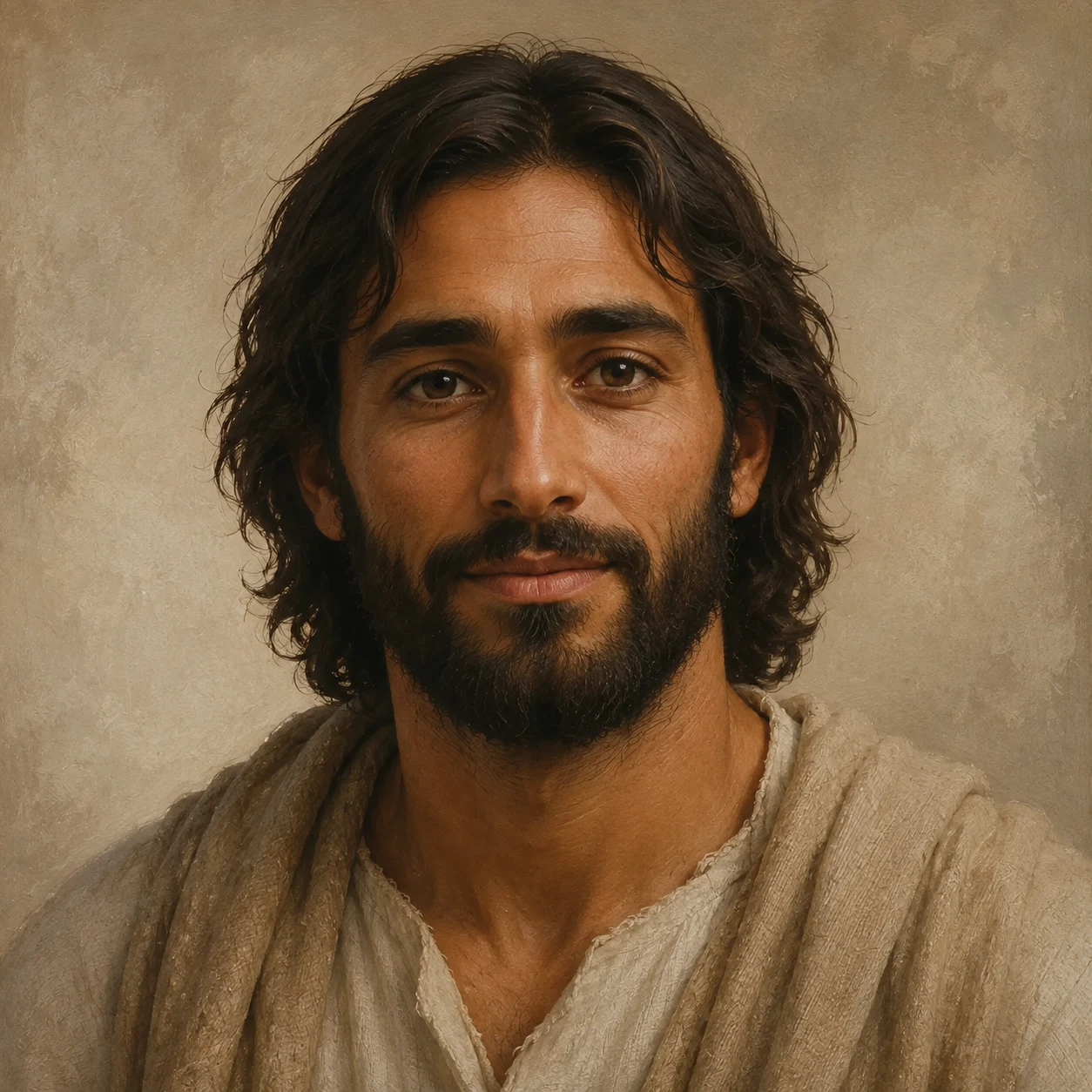
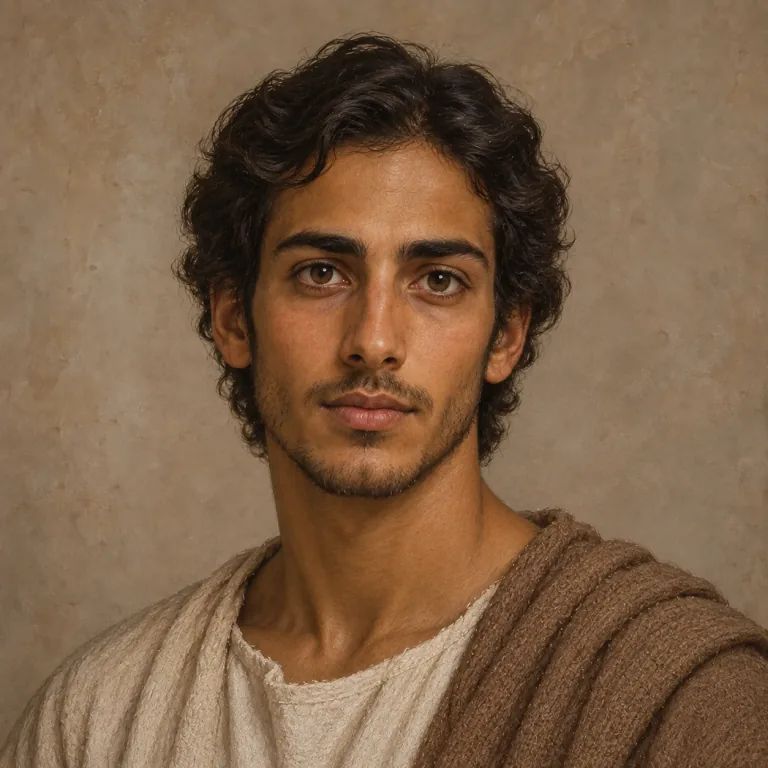
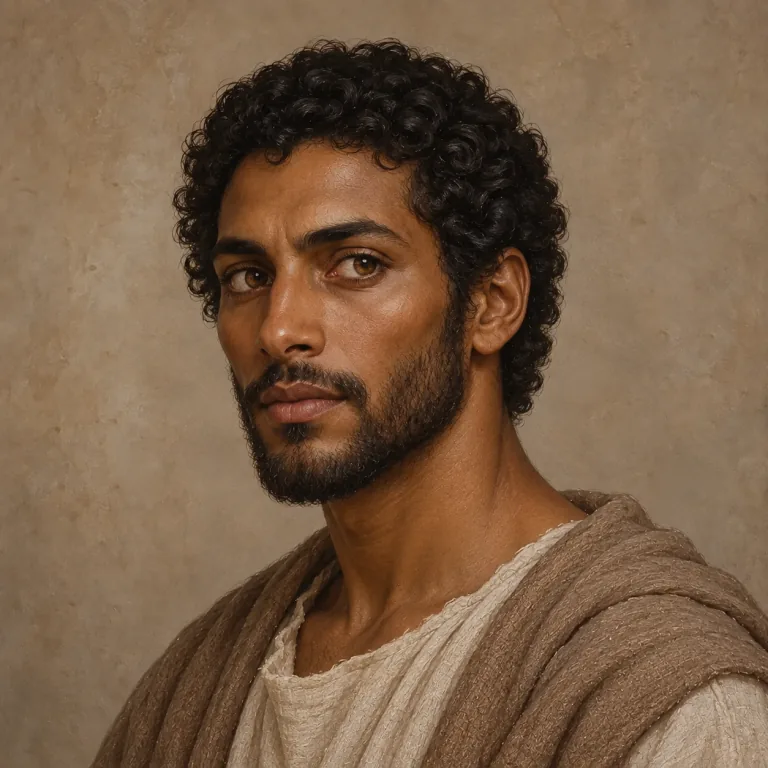
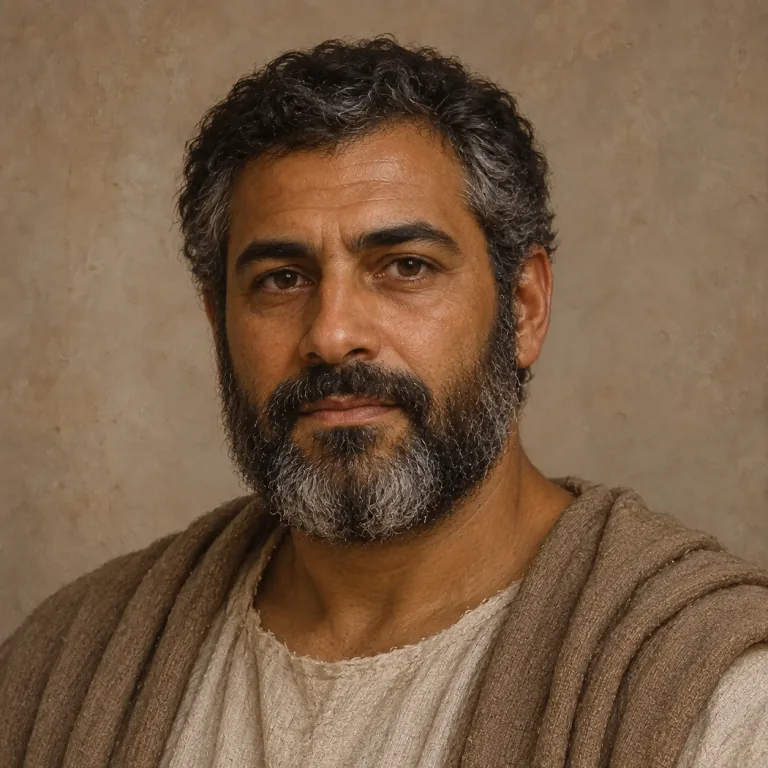
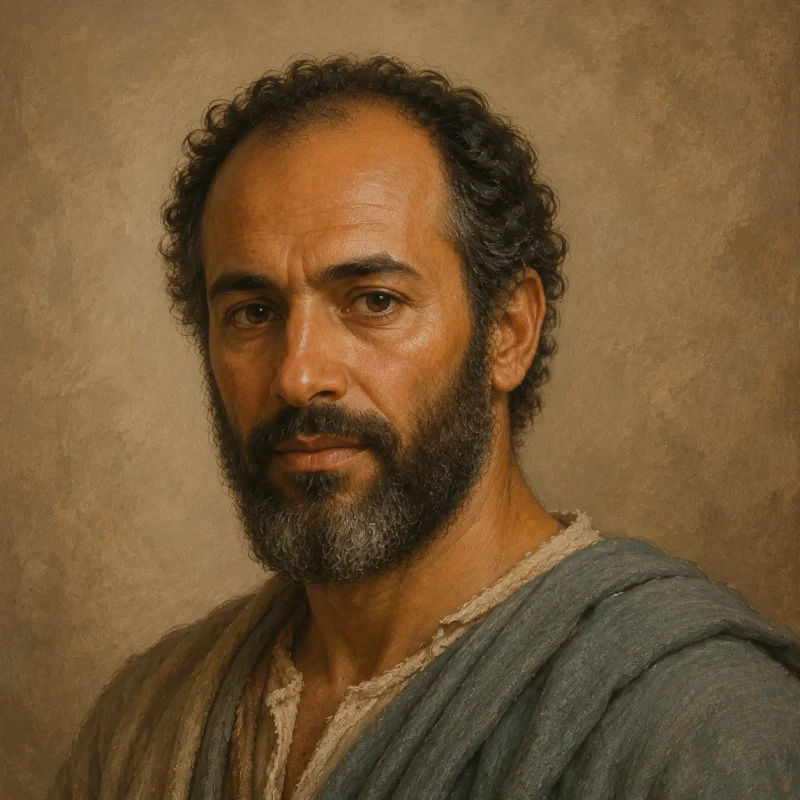
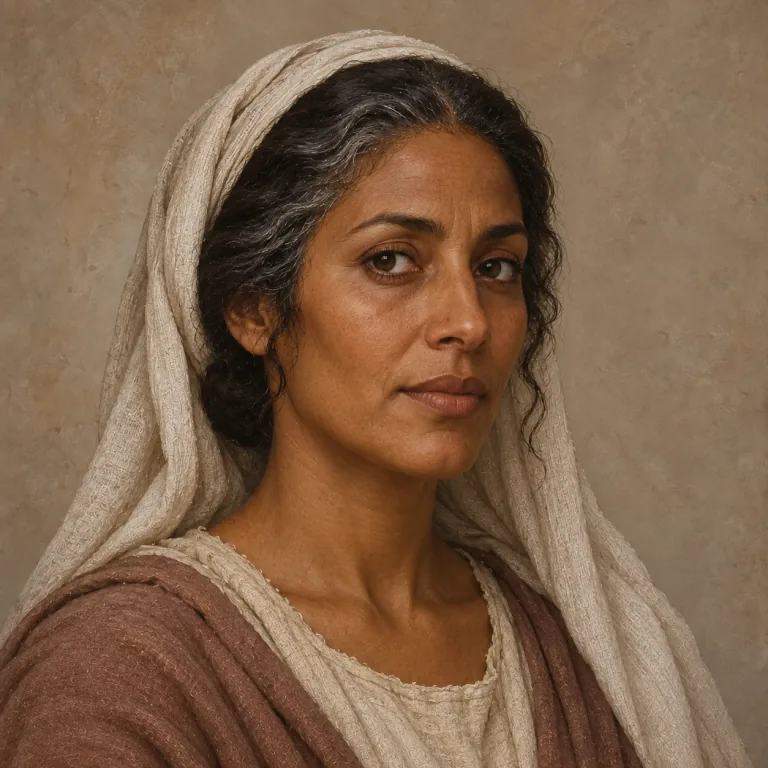
Also indexed here:
- Stephanas
- Achaicus
- Fortunatus