The Letters · New Testament
1 Timothy 1
1 Timothy 1: a charge against other doctrine and the writer's own case
General context
Paul, named as an apostle of Jesus Christ by the commandment of God our Saviour, writes to Timothy, called my own son in the faith, with grace, mercy and peace. He recalls asking Timothy to stay at Ephesus when he went into Macedonia, so that Timothy might charge some to teach no other doctrine and give no heed to fables and endless genealogies, which minister questions rather than godly edifying. The end of the commandment, he says, is charity out of a pure heart, and of a good conscience, and of faith unfeigned, from which some have swerved into vain jangling, wanting to teach the law while understanding neither what they say nor what they affirm. The law is good if used lawfully, and is made not for a righteous man but for a list of offenders, ending with anything else contrary to sound doctrine. The writer then speaks of himself: he thanks Christ Jesus for counting him faithful and putting him into the ministry, though he was before a blasphemer, and a persecutor, and injurious, and says he obtained mercy because he acted ignorantly in unbelief. He calls it a faithful saying that Christ Jesus came into the world to save sinners, adds of whom I am chief, and says he obtained mercy as a pattern for later believers. After a doxology to the King eternal, he commits the charge to Timothy according to the prophecies which went before on thee, telling him to hold faith and a good conscience, which some have put away and so made shipwreck, naming Hymeneus and Alexander as delivered unto Satan.
Cited passages: 1 Timothy 1:1, 1 Timothy 1:2, 1 Timothy 1:3, 1 Timothy 1:4, 1 Timothy 1:5, 1 Timothy 1:6, 1 Timothy 1:7, 1 Timothy 1:8, 1 Timothy 1:9, 1 Timothy 1:10, 1 Timothy 1:11, 1 Timothy 1:12, 1 Timothy 1:13, 1 Timothy 1:14, 1 Timothy 1:15, 1 Timothy 1:16, 1 Timothy 1:17, 1 Timothy 1:18, 1 Timothy 1:19, 1 Timothy 1:20
1 Timothy 1 (KJV)
1Paul, an apostle of Jesus Christ by the commandment of God our Saviour, and Lord Jesus Christ, which is our hope;
2Unto Timothy, my own son in the faith: Grace, mercy, and peace, from God our Father and Jesus Christ our Lord.
3As I besought thee to abide still at Ephesus, when I went into Macedonia, that thou mightest charge some that they teach no other doctrine,
4Neither give heed to fables and endless genealogies, which minister questions, rather than godly edifying which is in faith: so do.
5Now the end of the commandment is charity out of a pure heart, and of a good conscience, and of faith unfeigned:
6From which some having swerved have turned aside unto vain jangling;
7Desiring to be teachers of the law; understanding neither what they say, nor whereof they affirm.
8But we know that the law is good, if a man use it lawfully;
9Knowing this, that the law is not made for a righteous man, but for the lawless and disobedient, for the ungodly and for sinners, for unholy and profane, for murderers of fathers and murderers of mothers, for manslayers,
10For whoremongers, for them that defile themselves with mankind, for menstealers, for liars, for perjured persons, and if there be any other thing that is contrary to sound doctrine;
11According to the glorious gospel of the blessed God, which was committed to my trust.
12And I thank Christ Jesus our Lord, who hath enabled me, for that he counted me faithful, putting me into the ministry;
13Who was before a blasphemer, and a persecutor, and injurious: but I obtained mercy, because I did it ignorantly in unbelief.
14And the grace of our Lord was exceeding abundant with faith and love which is in Christ Jesus.
15This is a faithful saying, and worthy of all acceptation, that Christ Jesus came into the world to save sinners; of whom I am chief.
16Howbeit for this cause I obtained mercy, that in me first Jesus Christ might shew forth all longsuffering, for a pattern to them which should hereafter believe on him to life everlasting.
17Now unto the King eternal, immortal, invisible, the only wise God, be honour and glory for ever and ever. Amen.
18This charge I commit unto thee, son Timothy, according to the prophecies which went before on thee, that thou by them mightest war a good warfare;
19Holding faith, and a good conscience; which some having put away concerning faith have made shipwreck:
20Of whom is Hymenaeus and Alexander; whom I have delivered unto Satan, that they may learn not to blaspheme.
This page shows the King James Version. In the app, reading opens in the Berean Standard Bible unless you have chosen another translation. The reader includes five translations: the Berean Standard Bible (BSB), the King James Version (KJV), the World English Bible (WEB), the Bible in Basic English (BBE), and the American Standard Version (ASV). Search covers three of them: Berean Standard, King James, and World English. Basic English and American Standard readers search the King James words.
Historical context
One writer and one recipient are named, unlike the Thessalonian letters, and the relation between them is stated only as my own son in the faith. The chapter establishes a situation: Timothy was asked to stay at Ephesus while the writer went into Macedonia, and some people there are teaching other doctrine. Two men are named, Hymeneus and Alexander. The second letter to Timothy pairs a Hymeneus with Philetus and says that Alexander the coppersmith did me much evil; neither text states that these are the same men as the pair named here, so the names should not be merged. The writer's past is described in his own words as blasphemer, persecutor and injurious, with no account of what he did. The prophecies which went before on thee are mentioned without content, speaker or occasion, and the letter gives no date, no place of writing and no description of what delivering to Satan involved.
Cited passages: 1 Timothy 1:2, 1 Timothy 1:3, 1 Timothy 1:13, 1 Timothy 1:18, 1 Timothy 1:20, 2 Timothy 2:17, 2 Timothy 4:14
Literary context
The letter's working shape appears in this first chapter: a charge given to one man, set against named opponents. Pairs of opposites organize it, other doctrine against sound doctrine, fables and endless genealogies against godly edifying which is in faith, and charity out of a pure heart against vain jangling. The catalogue in the middle runs as a list of offenders and then leaves itself open, and if there be any other thing that is contrary to sound doctrine. The writer's own history is inserted as evidence rather than as autobiography, and the argument states its purpose, for a pattern to them which should hereafter believe. Praise breaks into the instruction at the doxology, and the instruction picks up again immediately after it, This charge I commit unto thee.
Cited passages: 1 Timothy 1:3, 1 Timothy 1:4, 1 Timothy 1:5, 1 Timothy 1:6, 1 Timothy 1:10, 1 Timothy 1:15, 1 Timothy 1:16, 1 Timothy 1:17, 1 Timothy 1:18
Key moments
- Stay at Ephesus (1 Timothy 1:3). The writer recalls asking Timothy to remain and charge certain teachers.
- The end of the commandment (1 Timothy 1:5). Charity from a pure heart and unfeigned faith is named as the aim.
- The law used lawfully (1 Timothy 1:8). The writer grants the law is good when rightly used.
- A former persecutor (1 Timothy 1:13). The writer describes his own past conduct and the mercy he received.
- A faithful saying (1 Timothy 1:15). Christ Jesus came to save sinners, of whom the writer calls himself chief.
- The charge committed (1 Timothy 1:18). Timothy is charged according to prophecies spoken over him.
- Hymeneus and Alexander (1 Timothy 1:20). Two men are named as delivered unto Satan.
For reflection
The writer calls himself chief of sinners while charging others to teach no other doctrine. What weight does that self-description carry in the argument he is making?
People in this chapter
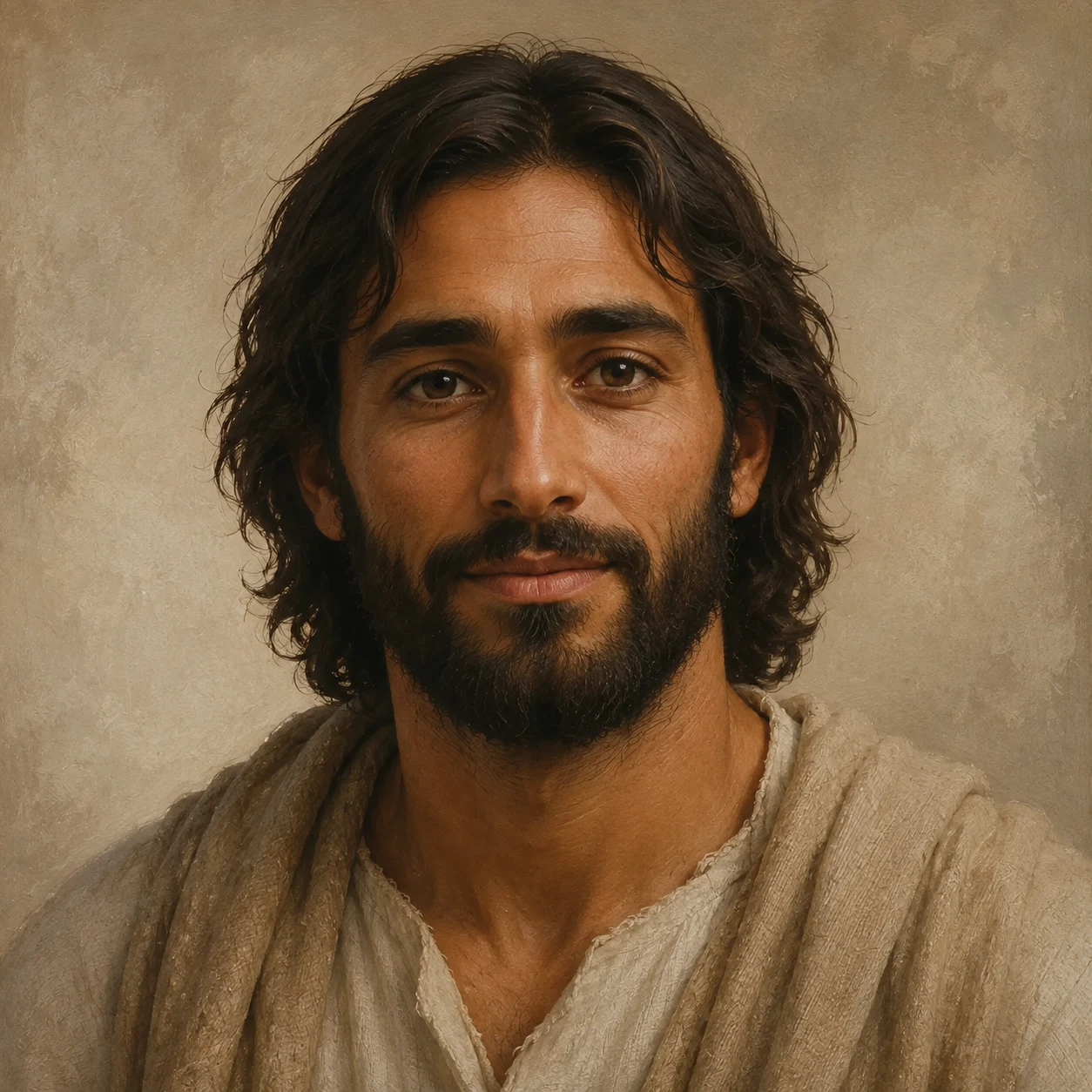
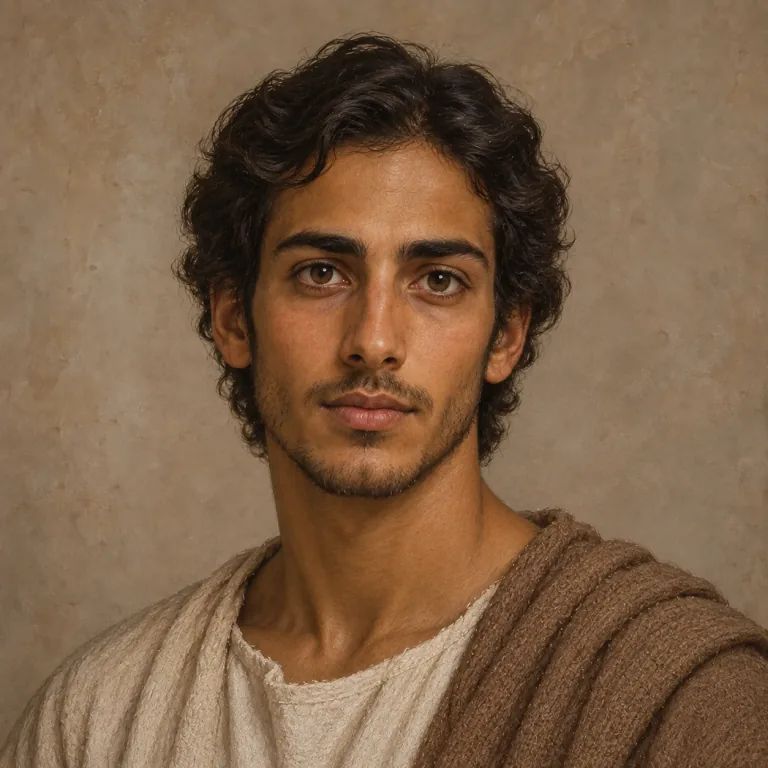
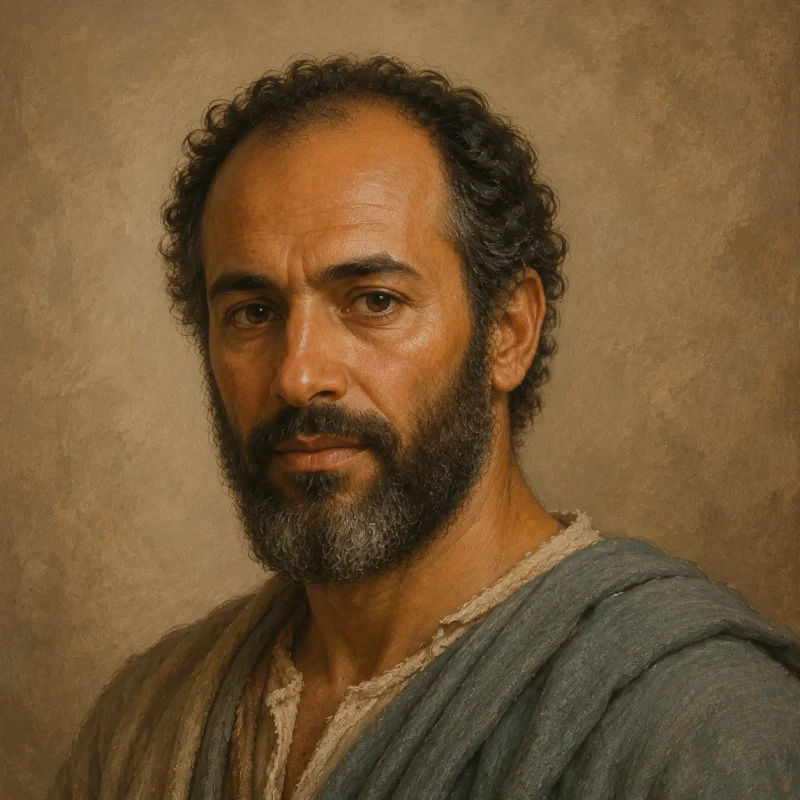
Also indexed here:
- Alexander
- Hymenaeus