The Early Church · New Testament
Acts 20
Acts 20: Eutychus at Troas and the farewell to the Ephesian elders
General context
After the uproar Paul embraces the disciples and goes into Macedonia and on to Greece for three months, then returns through Macedonia because of a plot laid for him. The men who accompany him into Asia are listed by name and place: Sopater of Berea, Aristarchus and Secundus of Thessalonica, Gaius of Derbe, Timotheus, and Tychicus and Trophimus of Asia. The narration says we again from the sailing out of Philippi. At Troas the disciples gather on the first day of the week to break bread, Paul preaches until midnight, and a young man named Eutychus falls asleep in a window and drops from the third loft and is taken up dead. Paul falls on him, says his life is in him, then breaks bread and talks until break of day, and the young man is brought alive. The company sails from Assos through Mitylene, Chios, Samos and Trogyllium to Miletus while Paul goes on foot to Assos. Passing by Ephesus to hasten toward Jerusalem for Pentecost, he sends to Ephesus for the elders. He tells them how he lived among them, says he goes bound in the spirit to Jerusalem where the Holy Ghost witnesses bonds and afflictions, tells them they will see his face no more, warns of grievous wolves and of men rising from among themselves, says he coveted no man's silver or gold, and quotes words he attributes to the Lord Jesus about giving. They kneel and pray, weep, and accompany him to the ship.
Cited passages: Acts 20:1, Acts 20:2, Acts 20:3, Acts 20:4, Acts 20:5, Acts 20:6, Acts 20:7, Acts 20:8, Acts 20:9, Acts 20:10, Acts 20:11, Acts 20:12, Acts 20:13, Acts 20:14, Acts 20:15, Acts 20:16, Acts 20:17, Acts 20:18, Acts 20:19, Acts 20:20, Acts 20:22, Acts 20:23, Acts 20:25, Acts 20:28, Acts 20:29, Acts 20:30, Acts 20:31, Acts 20:33, Acts 20:35, Acts 20:36, Acts 20:37, Acts 20:38
Acts 20 (KJV)
1And after the uproar was ceased, Paul called unto him the disciples, and embraced them, and departed for to go into Macedonia.
2And when he had gone over those parts, and had given them much exhortation, he came into Greece,
3And there abode three months. And when the Jews laid wait for him, as he was about to sail into Syria, he purposed to return through Macedonia.
4And there accompanied him into Asia Sopater of Berea; and of the Thessalonians, Aristarchus and Secundus; and Gaius of Derbe, and Timotheus; and of Asia, Tychicus and Trophimus.
5These going before tarried for us at Troas.
6And we sailed away from Philippi after the days of unleavened bread, and came unto them to Troas in five days; where we abode seven days.
7And upon the first day of the week, when the disciples came together to break bread, Paul preached unto them, ready to depart on the morrow; and continued his speech until midnight.
8And there were many lights in the upper chamber, where they were gathered together.
9And there sat in a window a certain young man named Eutychus, being fallen into a deep sleep: and as Paul was long preaching, he sunk down with sleep, and fell down from the third loft, and was taken up dead.
10And Paul went down, and fell on him, and embracing him said, Trouble not yourselves; for his life is in him.
11When he therefore was come up again, and had broken bread, and eaten, and talked a long while, even till break of day, so he departed.
12And they brought the young man alive, and were not a little comforted.
13And we went before to ship, and sailed unto Assos, there intending to take in Paul: for so had he appointed, minding himself to go afoot.
14And when he met with us at Assos, we took him in, and came to Mitylene.
15And we sailed thence, and came the next day over against Chios; and the next day we arrived at Samos, and tarried at Trogyllium; and the next day we came to Miletus.
16For Paul had determined to sail by Ephesus, because he would not spend the time in Asia: for he hasted, if it were possible for him, to be at Jerusalem the day of Pentecost.
17And from Miletus he sent to Ephesus, and called the elders of the church.
18And when they were come to him, he said unto them, Ye know, from the first day that I came into Asia, after what manner I have been with you at all seasons,
19Serving the Lord with all humility of mind, and with many tears, and temptations, which befell me by the lying in wait of the Jews:
20And how I kept back nothing that was profitable unto you, but have shewed you, and have taught you publickly, and from house to house,
21Testifying both to the Jews, and also to the Greeks, repentance toward God, and faith toward our Lord Jesus Christ.
22And now, behold, I go bound in the spirit unto Jerusalem, not knowing the things that shall befall me there:
23Save that the Holy Ghost witnesseth in every city, saying that bonds and afflictions abide me.
24But none of these things move me, neither count I my life dear unto myself, so that I might finish my course with joy, and the ministry, which I have received of the Lord Jesus, to testify the gospel of the grace of God.
25And now, behold, I know that ye all, among whom I have gone preaching the kingdom of God, shall see my face no more.
26Wherefore I take you to record this day, that I am pure from the blood of all men.
27For I have not shunned to declare unto you all the counsel of God.
28Take heed therefore unto yourselves, and to all the flock, over the which the Holy Ghost hath made you overseers, to feed the church of God, which he hath purchased with his own blood.
29For I know this, that after my departing shall grievous wolves enter in among you, not sparing the flock.
30Also of your own selves shall men arise, speaking perverse things, to draw away disciples after them.
31Therefore watch, and remember, that by the space of three years I ceased not to warn every one night and day with tears.
32And now, brethren, I commend you to God, and to the word of his grace, which is able to build you up, and to give you an inheritance among all them which are sanctified.
33I have coveted no man’s silver, or gold, or apparel.
34Yea, ye yourselves know, that these hands have ministered unto my necessities, and to them that were with me.
35I have shewed you all things, how that so labouring ye ought to support the weak, and to remember the words of the Lord Jesus, how he said, It is more blessed to give than to receive.
36And when he had thus spoken, he kneeled down, and prayed with them all.
37And they all wept sore, and fell on Paul’s neck, and kissed him,
38Sorrowing most of all for the words which he spake, that they should see his face no more. And they accompanied him unto the ship.
This page shows the King James Version. In the app, reading opens in the Berean Standard Bible unless you have chosen another translation. The reader includes five translations: the Berean Standard Bible (BSB), the King James Version (KJV), the World English Bible (WEB), the Bible in Basic English (BBE), and the American Standard Version (ASV). Search covers three of them: Berean Standard, King James, and World English. Basic English and American Standard readers search the King James words.
Historical context
The first person plural returns in the sailing from Philippi and continues through the voyage, and the text does not name who the we includes. Eutychus is called dead by the narrator, and Paul's words that his life is in him are the character's statement; the narrator's own closing note is that they brought the young man alive. The seven companions are listed with their cities, and the text does not say what each of them did on the journey. Paul's farewell speech is addressed to elders of the church at Ephesus whom he calls overseers made so by the Holy Ghost. The saying he quotes about giving is attributed to the Lord Jesus, and Acts does not say where or when it was spoken. Times are counted rather than dated: three months in Greece, five days to Troas, seven days there, three years of warning night and day.
Cited passages: Acts 20:2, Acts 20:3, Acts 20:4, Acts 20:5, Acts 20:6, Acts 20:9, Acts 20:10, Acts 20:12, Acts 20:17, Acts 20:28, Acts 20:31, Acts 20:35
Literary context
The chapter sets a long night of preaching beside a long speech of farewell. At Troas the lights, the midnight hour and the talk until break of day surround an interruption that could have ended the meeting, and the narrator lets the death stand in the sentence before the rescue. The speech is addressed to men he says he warned night and day for three years, and it is built on what the hearers already know, opening with ye know and returning to their own knowledge of his hands. It looks backward over three years and forward to bonds, wolves and men from among themselves. The last line gives the elders' grief a precise cause, the words about seeing his face no more, so the parting is reported through what was said rather than through the narrator's summary.
Cited passages: Acts 20:7, Acts 20:8, Acts 20:9, Acts 20:11, Acts 20:12, Acts 20:18, Acts 20:22, Acts 20:23, Acts 20:25, Acts 20:29, Acts 20:30, Acts 20:31, Acts 20:34, Acts 20:37, Acts 20:38
Key moments
- The companions named (Acts 20:4). Seven men from named cities accompany Paul into Asia.
- Eutychus falls (Acts 20:9). A young man asleep in a window falls from the third loft and is taken up dead.
- His life is in him (Acts 20:10). Paul falls on Eutychus, embraces him and says his life is in him.
- The elders called to Miletus (Acts 20:17). Paul sends from Miletus to Ephesus and calls the elders of the church.
- Bonds await at Jerusalem (Acts 20:23). Paul says the Holy Ghost witnesses in every city that bonds and afflictions abide him.
- Warning of wolves (Acts 20:29). He warns that grievous wolves will enter after his departing, not sparing the flock.
- The parting on the shore (Acts 20:37). The elders weep, fall on Paul's neck and kiss him before he takes ship.
For reflection
Paul says he goes bound in the spirit to Jerusalem while the Holy Ghost witnesses in every city that bonds and afflictions await him. How do those two statements sit together in your reading of his decision?
People in this chapter
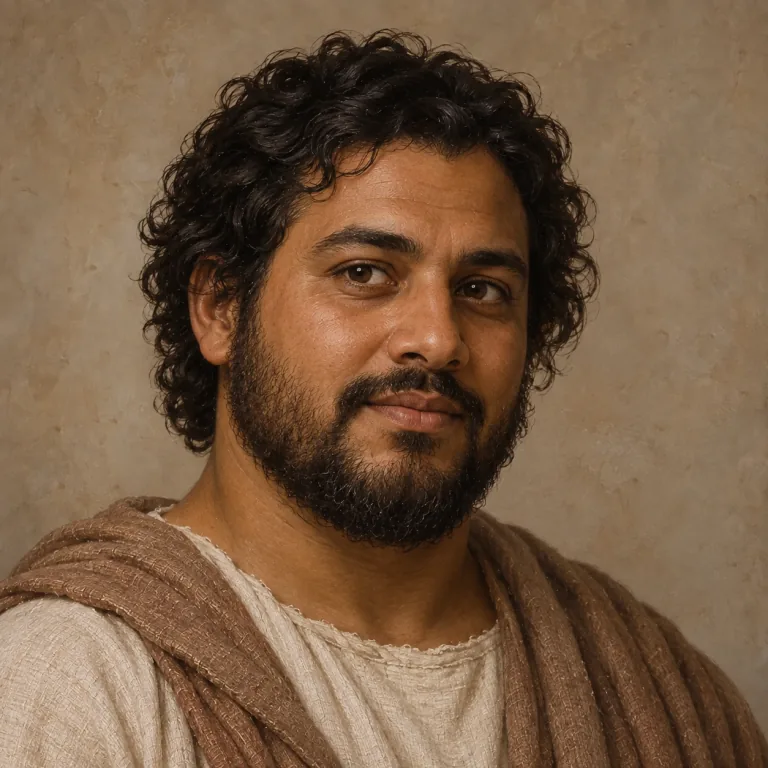
Also indexed here:
- Aristarchus
- Eutychus
- Gaius
- Javan
- Pyrrhus
- Secundus
- Sopater
- Trophimus