Person in the New Testament
Silas
Silas: the Jerusalem delegate who travels and is imprisoned with Paul
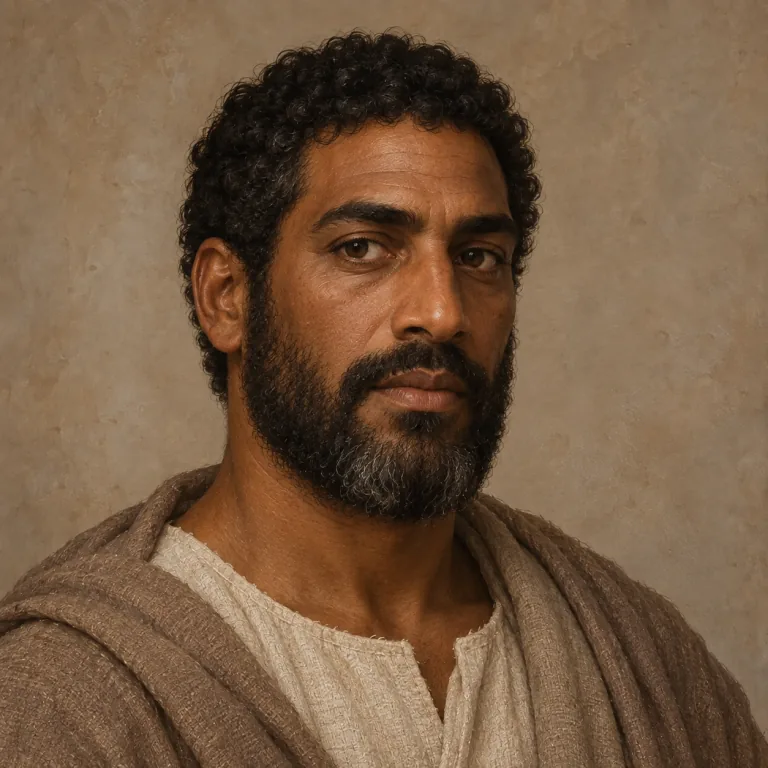
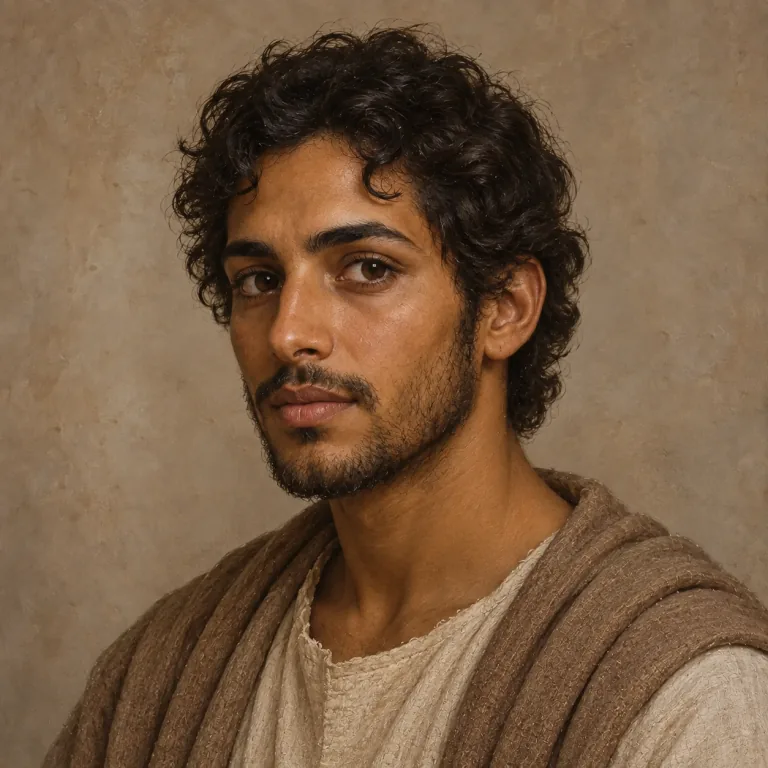
Portrait: an AI-generated artistic interpretation, not evidence of how Silas looked.
Who Silas is
Silas first appears when the apostles, elders and whole church choose men to send to Antioch with Paul and Barnabas, and he is named with Judas Barsabas as chief men among the brethren. The letter they carry says the two will also tell the same things by mouth. At Antioch both are called prophets and exhort the brethren with many words. The account says the delegates were let go in peace, and then says it pleased Silas to abide there still. When Paul and Barnabas separate, Paul chooses Silas and goes through Syria and Cilicia confirming the churches. At Philippi the damsel's masters catch Paul and Silas, and the two are beaten, jailed, and pray and sing at midnight; the jailor falls down before Paul and Silas. At Thessalonica some believe and consort with Paul and Silas, and the brethren send both away by night to Berea. When Paul is sent toward the sea, Silas and Timotheus stay at Berea and are ordered to come to him with all speed, and Silas last appears in Acts arriving at Corinth with Timotheus from Macedonia. The index that collects this person's passages also attaches verses naming Silvanus: a letter to Corinth that speaks of preaching by me and Silvanus and Timotheus, the openings of both letters to the Thessalonians, and a line in 1 Peter about writing by Silvanus, a faithful brother.
Cited passages: Acts 15:22, Acts 15:27, Acts 15:32, Acts 15:33, Acts 15:34, Acts 15:40, Acts 15:41, Acts 16:19, Acts 16:22, Acts 16:25, Acts 16:29, Acts 17:4, Acts 17:10, Acts 17:14, Acts 17:15, Acts 18:5, 2 Corinthians 1:19, 1 Thessalonians 1:1, 2 Thessalonians 1:1, 1 Peter 5:12
Historical setting
Acts calls him Silas every time. The verses naming Silvanus in 2 Corinthians, 1 and 2 Thessalonians and 1 Peter are joined to this person by the index behind these passages; no printed verse says that Silas and Silvanus are the same man, so the identification belongs to the index and not to the text. For Paul's letters, what points to it is company and place: Acts has Silas with Paul at Thessalonica and with Timotheus at Corinth, and the letters name Silvanus with Paul and Timotheus to the Thessalonians and in the preaching at Corinth. Acts gives him no family, no home city and no trade. Nothing states his citizenship on its own: the only words touching it are Paul's plural complaint that they have beaten us openly uncondemned, being Romans. Two statements about his movements after the letter is delivered stand side by side without being reconciled, that the delegates were let go in peace unto the apostles and that it pleased Silas to abide there still. After the arrival at Corinth, Acts says nothing further about him.
Cited passages: Acts 15:22, Acts 15:33, Acts 15:34, Acts 16:37, Acts 18:5, 2 Corinthians 1:19, 1 Thessalonians 1:1, 2 Thessalonians 1:1, 1 Peter 5:12, Acts 17:4, Acts 17:1, Acts 18:1, 2 Corinthians 1:1
How the story is told
He enters the book as a carrier of a document and a voice that backs it up, first sent so that the letter's content is also told by mouth, then exhorting as a prophet. From Philippi onward he is paired with Paul in every scene of trouble: seized in the marketplace, beaten, jailed, singing at midnight, and named again when the jailor falls down before them. The narrator names him after Paul in every scene where the two appear together, and the one speech the book gives him is shared, when the jailor asks what he must do and they said, Believe on the Lord Jesus Christ. In the Berea scene he is the one who stays while Paul is taken away. In the letters that name Silvanus the name stands in an opening greeting or in a closing note about who wrote and who preached, never in a narrated action.
Cited passages: Acts 15:27, Acts 15:32, Acts 16:19, Acts 16:25, Acts 16:29, Acts 16:31, Acts 17:4, Acts 17:14, Acts 18:5, 1 Thessalonians 1:1, 1 Peter 5:12
Story moments
- Chosen to carry the letter (Acts 15:22). The apostles, elders and whole church send Silas with Paul and Barnabas to Antioch.
- Speaking as a prophet (Acts 15:32). Judas and Silas, being prophets, exhort the brethren with many words.
- Chosen for the journey (Acts 15:40). Paul chooses Silas and departs, recommended by the brethren to the grace of God.
- Singing in the inner prison (Acts 16:25). At midnight Paul and Silas pray and sing praises while the prisoners hear them.
- Left behind at Berea (Acts 17:14). Paul is sent toward the sea while Silas and Timotheus stay in Berea.
- Arriving at Corinth (Acts 18:5). Silas and Timotheus come from Macedonia and Paul is pressed in the spirit.
- Named in a letter opening (1 Thessalonians 1:1). A letter to the Thessalonians opens with Paul, Silvanus and Timotheus.
Key passages
Acts 15:22
Then pleased it the apostles and elders, with the whole church, to send chosen men of their own company to Antioch with Paul and Barnabas; namely, Judas surnamed Barsabas, and Silas, chief men among the brethren:
Acts 15:27
We have sent therefore Judas and Silas, who shall also tell you the same things by mouth.
Acts 15:32
And Judas and Silas, being prophets also themselves, exhorted the brethren with many words, and confirmed them.
Acts 15:34
Notwithstanding it pleased Silas to abide there still.
Acts 15:40
And Paul chose Silas, and departed, being recommended by the brethren unto the grace of God.
Acts 16:19
And when her masters saw that the hope of their gains was gone, they caught Paul and Silas, and drew them into the marketplace unto the rulers,
King James Version. 17 indexed passages in total.
For reflection
Silas is present in almost every scene of Paul's travels from Antioch to Corinth, and the only words the book puts in his mouth are shared with Paul. What do you learn about a person from the places they are recorded standing?
Books Silas appears in
Related people

Names and references are adapted from STEPBible TIPNR. A person listed with a verse is named or indexed there; it does not mean they wrote or spoke it.