The Letters · New Testament
Philemon 1
Philemon 1: one request about Onesimus, asked rather than commanded
General context
Paul, calling himself a prisoner of Jesus Christ, writes with Timothy our brother to Philemon, named dearly beloved, and fellowlabourer, and to Apphia, Archippus our fellowsoldier, and the church in thy house. Thanks come first: the writer mentions Philemon always in his prayers, having heard of his love and faith toward the Lord Jesus and toward all saints, and says there is great joy in that love, because the bowels of the saints are refreshed by thee. Though he might be much bold in Christ to enjoin what is convenient, he says he would rather beseech for love's sake, being Paul the aged, and now also a prisoner. He beseeches for my son Onesimus, whom I have begotten in my bonds, who in time past was to thee unprofitable, but now profitable, and says he has sent him again and asks that Philemon receive him. He would have kept him to minister in Philemon's stead, but would do nothing without Philemon's mind, so that the benefit should be willing rather than forced. He offers a way of reading it, that perhaps he departed for a season so that Philemon might receive him for ever, not now as a servant, but above a servant, a brother beloved. If Philemon counts the writer a partner, he should receive Onesimus as myself, and if Onesimus has wronged him or owes anything, the writer says put that on mine account, adding I Paul have written it with mine own hand, I will repay it, and a reminder that Philemon owes him his own self. He asks for joy of Philemon, says he will do more than is asked, and asks for a lodging. Greetings from Epaphras and four fellowlabourers close it.
Cited passages: Philemon 1:1, Philemon 1:2, Philemon 1:3, Philemon 1:4, Philemon 1:5, Philemon 1:6, Philemon 1:7, Philemon 1:8, Philemon 1:9, Philemon 1:10, Philemon 1:11, Philemon 1:12, Philemon 1:13, Philemon 1:14, Philemon 1:15, Philemon 1:16, Philemon 1:17, Philemon 1:18, Philemon 1:19, Philemon 1:20, Philemon 1:21, Philemon 1:22, Philemon 1:23, Philemon 1:24, Philemon 1:25
Philemon 1 (KJV)
1Paul, a prisoner of Jesus Christ, and Timothy our brother, unto Philemon our dearly beloved, and fellowlabourer,
2And to our beloved Apphia, and Archippus our fellowsoldier, and to the church in thy house:
3Grace to you, and peace, from God our Father and the Lord Jesus Christ.
4I thank my God, making mention of thee always in my prayers,
5Hearing of thy love and faith, which thou hast toward the Lord Jesus, and toward all saints;
6That the communication of thy faith may become effectual by the acknowledging of every good thing which is in you in Christ Jesus.
7For we have great joy and consolation in thy love, because the bowels of the saints are refreshed by thee, brother.
8Wherefore, though I might be much bold in Christ to enjoin thee that which is convenient,
9Yet for love’s sake I rather beseech thee, being such an one as Paul the aged, and now also a prisoner of Jesus Christ.
10I beseech thee for my son Onesimus, whom I have begotten in my bonds:
11Which in time past was to thee unprofitable, but now profitable to thee and to me:
12Whom I have sent again: thou therefore receive him, that is, mine own bowels:
13Whom I would have retained with me, that in thy stead he might have ministered unto me in the bonds of the gospel:
14But without thy mind would I do nothing; that thy benefit should not be as it were of necessity, but willingly.
15For perhaps he therefore departed for a season, that thou shouldest receive him for ever;
16Not now as a servant, but above a servant, a brother beloved, specially to me, but how much more unto thee, both in the flesh, and in the Lord?
17If thou count me therefore a partner, receive him as myself.
18If he hath wronged thee, or oweth thee ought, put that on mine account;
19I Paul have written it with mine own hand, I will repay it: albeit I do not say to thee how thou owest unto me even thine own self besides.
20Yea, brother, let me have joy of thee in the Lord: refresh my bowels in the Lord.
21Having confidence in thy obedience I wrote unto thee, knowing that thou wilt also do more than I say.
22But withal prepare me also a lodging: for I trust that through your prayers I shall be given unto you.
23There salute thee Epaphras, my fellowprisoner in Christ Jesus;
24Marcus, Aristarchus, Demas, Lucas, my fellowlabourers.
25The grace of our Lord Jesus Christ be with your spirit. Amen.
Printed after this letter in the King James Version: Written from Rome to Philemon, by Onesimus a servant.
This page shows the King James Version. In the app, reading opens in the Berean Standard Bible unless you have chosen another translation. The reader includes five translations: the Berean Standard Bible (BSB), the King James Version (KJV), the World English Bible (WEB), the Bible in Basic English (BBE), and the American Standard Version (ASV). Search covers three of them: Berean Standard, King James, and World English. Basic English and American Standard readers search the King James words.
Historical context
The letter names two senders and three recipients, with a church in thy house, and it does not state how Apphia or Archippus are related to Philemon. The writer says twice that he is a prisoner and calls himself Paul the aged, giving no age, no charge and no place; after the final blessing this source prints a line saying the letter was written from Rome to Philemon, by Onesimus a servant, which is not one of the letter's own sentences. Onesimus is named as one who departed and is being sent back, and his earlier standing is indicated only by the phrase Not now as a servant, but above a servant. The letter carefully does not settle the facts: it says he was in time past unprofitable, that perhaps he therefore departed for a season, and only conditionally that if he hath wronged thee, or oweth thee ought. Nothing states why he left, how he met the writer, how long he was away, or what Philemon did with the request. Epaphras is called fellowprisoner, and Marcus, Aristarchus, Demas and Lucas are called fellowlabourers, without further description.
Cited passages: Philemon 1:1, Philemon 1:2, Philemon 1:9, Philemon 1:11, Philemon 1:15, Philemon 1:16, Philemon 1:18, Philemon 1:23, Philemon 1:24, Philemon 1:25
Literary context
The whole letter is one appeal, and every part of it is bent toward the request. The thanksgiving supplies the ground: Philemon is credited with refreshing the saints, because the bowels of the saints are refreshed by thee, and later the writer asks for the same thing for himself, refresh my bowels in the Lord. Authority is named and then set aside, though I might be much bold in Christ to enjoin thee, Yet for love's sake I rather beseech thee, so the request keeps the power it declines to use in view. The argument turns on reversals: unprofitable becomes profitable, for a season becomes for ever, and a servant becomes above a servant, a brother beloved. The writer takes on the debt in his own handwriting and immediately mentions a larger one owed to him. The last request is for a lodging, so the letter ends by announcing a visit.
Cited passages: Philemon 1:7, Philemon 1:8, Philemon 1:9, Philemon 1:11, Philemon 1:15, Philemon 1:16, Philemon 1:19, Philemon 1:20, Philemon 1:21, Philemon 1:22
Key moments
- A letter to a household (Philemon 1:2). The church in Philemon's house is addressed alongside three people.
- Refreshing the saints (Philemon 1:7). Philemon is credited with refreshing other believers.
- Asking, not commanding (Philemon 1:9). The writer says he would rather beseech for love's sake.
- Onesimus named (Philemon 1:10). The request is made for a man the writer calls his son in bonds.
- Sent back (Philemon 1:12). The writer says he has sent him again to Philemon.
- Above a servant (Philemon 1:16). The request asks that he be received as a brother beloved.
- Charge it to me (Philemon 1:19). The writer writes with his own hand that he will repay any debt.
For reflection
The writer says he could command, chooses to ask, and then says he knows Philemon will do more than he says. Where does asking end and pressure begin?
People in this chapter

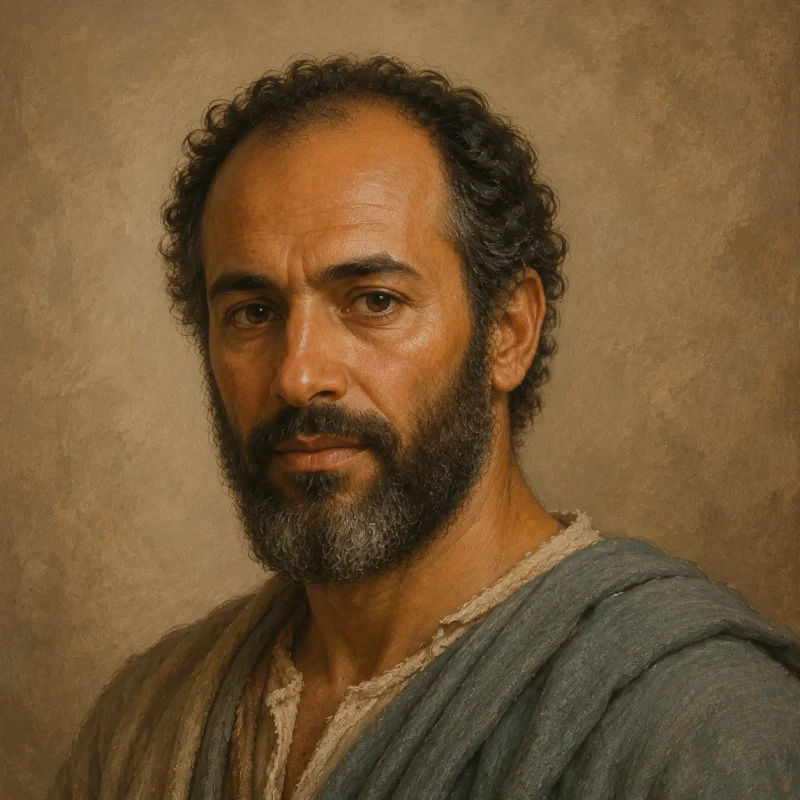
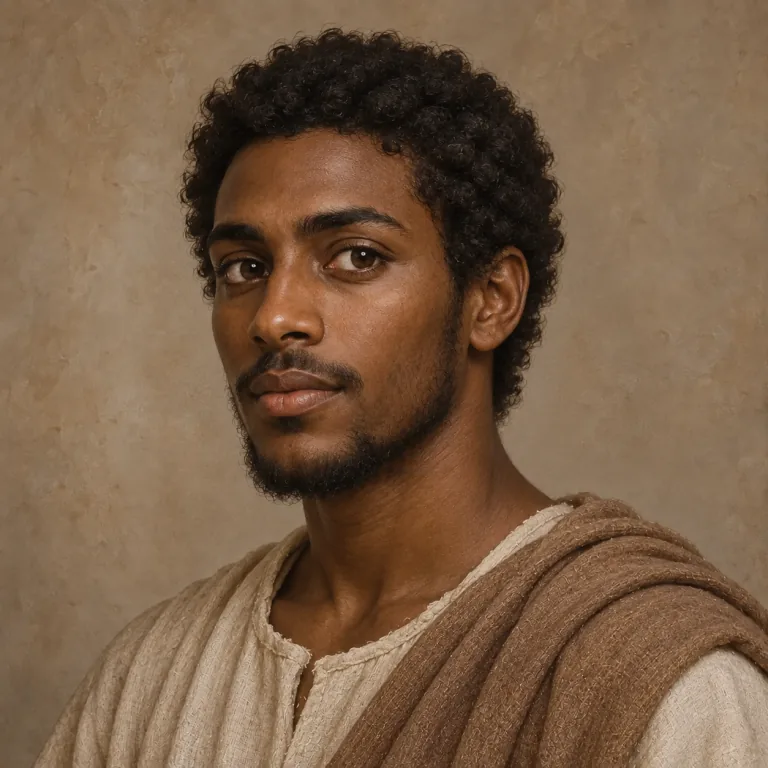
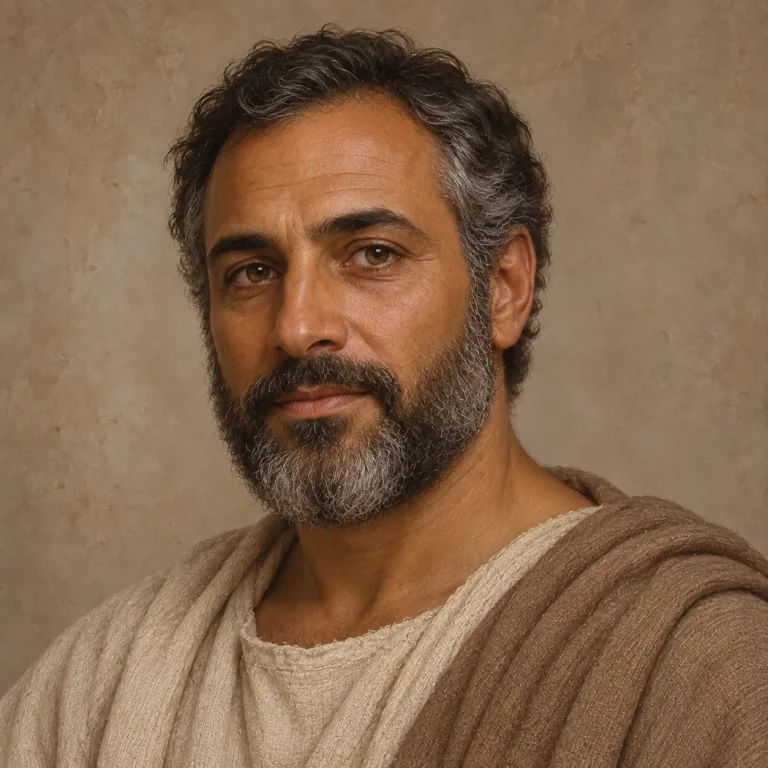
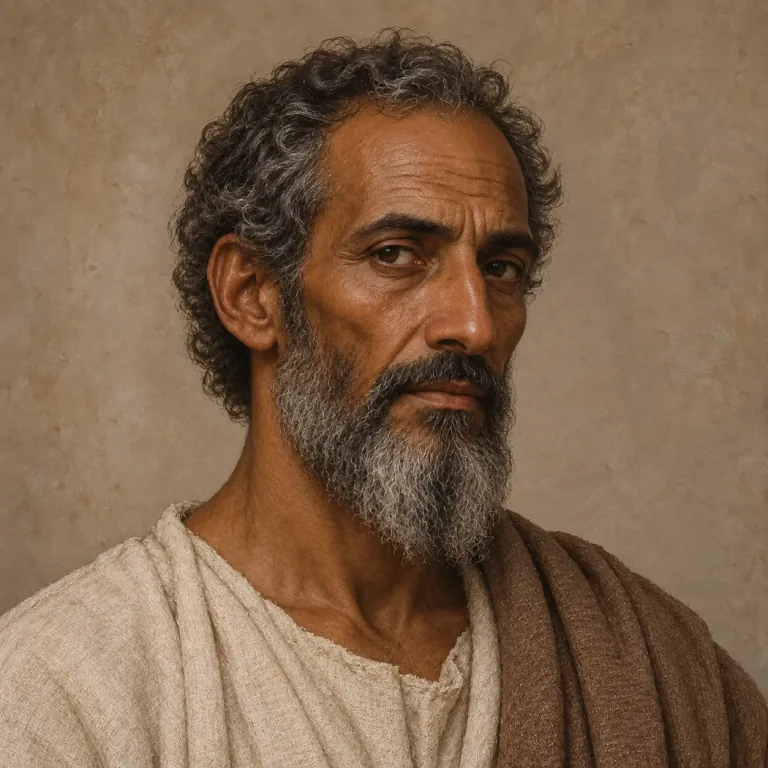


Also indexed here:
- Apphia
- Archippus
- Aristarchus
- Demas