The Prophets · Old Testament
Isaiah 39
Isaiah 39: the envoys from Babylon and Hezekiah's treasures
General context
At that time Merodach-baladan, the son of Baladan, king of Babylon, sends letters and a present to Hezekiah, because he has heard that Hezekiah was sick and has recovered. Hezekiah is glad of the envoys and shows them the house of his precious things: silver, gold, spices, precious ointment, the house of his armour and all that is in his treasures; the narrator says there is nothing in his house or dominion that he does not show them. Isaiah the prophet comes to the king and asks what the men said and where they came from. Hezekiah answers that they came from a far country, from Babylon. Isaiah asks what they have seen in his house, and Hezekiah says they have seen everything, nothing among his treasures left unshown. Isaiah then tells him to hear the word of the Lord of hosts: the days come when all that is in his house, and what his fathers laid up until this day, will be carried to Babylon, with nothing left; and sons of his own that he will beget will be taken away to be eunuchs in the palace of the king of Babylon. Hezekiah replies that the word of the Lord Isaiah has spoken is good, and adds that there will be peace and truth in his days.
Cited passages: Isaiah 39:1, Isaiah 39:2, Isaiah 39:3, Isaiah 39:4, Isaiah 39:5, Isaiah 39:6, Isaiah 39:7, Isaiah 39:8
Isaiah 39 (KJV)
1At that time Merodach-baladan, the son of Baladan, king of Babylon, sent letters and a present to Hezekiah: for he had heard that he had been sick, and was recovered.
2And Hezekiah was glad of them, and shewed them the house of his precious things, the silver, and the gold, and the spices, and the precious ointment, and all the house of his armour, and all that was found in his treasures: there was nothing in his house, nor in all his dominion, that Hezekiah shewed them not.
3Then came Isaiah the prophet unto king Hezekiah, and said unto him, What said these men? and from whence came they unto thee? And Hezekiah said, They are come from a far country unto me, even from Babylon.
4Then said he, What have they seen in thine house? And Hezekiah answered, All that is in mine house have they seen: there is nothing among my treasures that I have not shewed them.
5Then said Isaiah to Hezekiah, Hear the word of the Lord of hosts:
6Behold, the days come, that all that is in thine house, and that which thy fathers have laid up in store until this day, shall be carried to Babylon: nothing shall be left, saith the Lord.
7And of thy sons that shall issue from thee, which thou shalt beget, shall they take away; and they shall be eunuchs in the palace of the king of Babylon.
8Then said Hezekiah to Isaiah, Good is the word of the Lord which thou hast spoken. He said moreover, For there shall be peace and truth in my days.
This page shows the King James Version. In the app, reading opens in the Berean Standard Bible unless you have chosen another translation. The reader includes five translations: the Berean Standard Bible (BSB), the King James Version (KJV), the World English Bible (WEB), the Bible in Basic English (BBE), and the American Standard Version (ASV). Search covers three of them: Berean Standard, King James, and World English. Basic English and American Standard readers search the King James words.
Historical context
The chapter is narrative and dates itself only by at that time, tied to Hezekiah's recovery from the sickness of chapter 38. It names Merodach-baladan, the son of Baladan, king of Babylon, as the sender of letters and a present; the envoys themselves are unnamed, and the text does not say what the letters contained or why the king of Babylon sent them beyond the report of the sickness. Hezekiah's motive for showing his treasures is not stated; the narrator records only that he was glad of them and showed everything. Isaiah's questions are answered by Hezekiah with facts, not reasons, and the word from the Lord names no offence, stating only what will be carried away and who will be taken. The sons of verse 7 are described as sons that shall issue from thee, which thou shalt beget, so the text speaks of future sons. Hezekiah's final saying, that there will be peace and truth in his days, is reported as his words, and the narrator does not comment on it. A parallel account appears in 2 Kings 20:12, which reads, At that time Berodach-baladan, the son of Baladan, king of Babylon, sent letters and a present unto Hezekiah, with the king's name spelled differently from this chapter's Merodach-baladan; 2 Kings 20:19 has Hezekiah's reply as a question, Is it not good, if peace and truth be in my days? 2 Chronicles 32:31 also mentions the ambassadors of the princes of Babylon and says God left him, to try him. Babylon has already been named in this book at 13:1 and 14:4, and 21:9 has the cry Babylon is fallen, is fallen.
Cited passages: Isaiah 39:1, Isaiah 38:9, Isaiah 39:2, Isaiah 39:4, Isaiah 39:7, Isaiah 39:8, 2 Kings 20:12, 2 Kings 20:19, 2 Chronicles 32:31, Isaiah 13:1, Isaiah 14:4, Isaiah 21:9
Literary context
The chapter is built as a short dialogue with a long list in the middle. Verse 2 piles up what Hezekiah shows, silver, gold, spices, ointment, armour, treasures, and closes with a double negative, nothing that he shewed them not; verse 4 has Hezekiah repeat that completeness in his own mouth, nothing that I have not shewed them; verse 6 answers it with the Lord's nothing shall be left. Isaiah's questions are plain, what and whence and what have they seen, and the prophet gives no verdict before the word of the Lord. The prophecy reverses the scene: what was shown to Babylon will be carried to Babylon, and the house of precious things is matched by the palace of the king of Babylon where his sons will serve. Hezekiah's last words, good is the word, followed by peace and truth in my days, end the narrative chapters on his own voice, and the narrator leaves the reader to weigh them. This is the last narrative before the poetry resumes at 40:1 with comfort ye, comfort ye my people; the Babylon named here as the destination of the treasures is the place from which 48:20 later commands, Go ye forth of Babylon.
Cited passages: Isaiah 39:2, Isaiah 39:4, Isaiah 39:6, Isaiah 39:3, Isaiah 39:7, Isaiah 39:8, Isaiah 40:1, Isaiah 48:20
Key moments
- Letters from Babylon (Isaiah 39:1). Merodach-baladan sends letters and a present after hearing of Hezekiah's recovery.
- Everything shown (Isaiah 39:2). Hezekiah gladly shows the envoys all his treasures and armour.
- Isaiah's questions (Isaiah 39:3). The prophet asks what the men said and where they came from.
- Carried to Babylon (Isaiah 39:6). The Lord says all in the house and the fathers' store will go to Babylon.
- Sons taken as eunuchs (Isaiah 39:7). Hezekiah's future sons will serve in the palace of the king of Babylon.
- Peace in my days (Isaiah 39:8). Hezekiah calls the word good and says there will be peace and truth in his days.
For reflection
Hezekiah hears that his treasures and his sons will go to Babylon and calls the word good, because there will be peace in his days. What does the text let a reader see in that reply, and what does it withhold?
People in this chapter
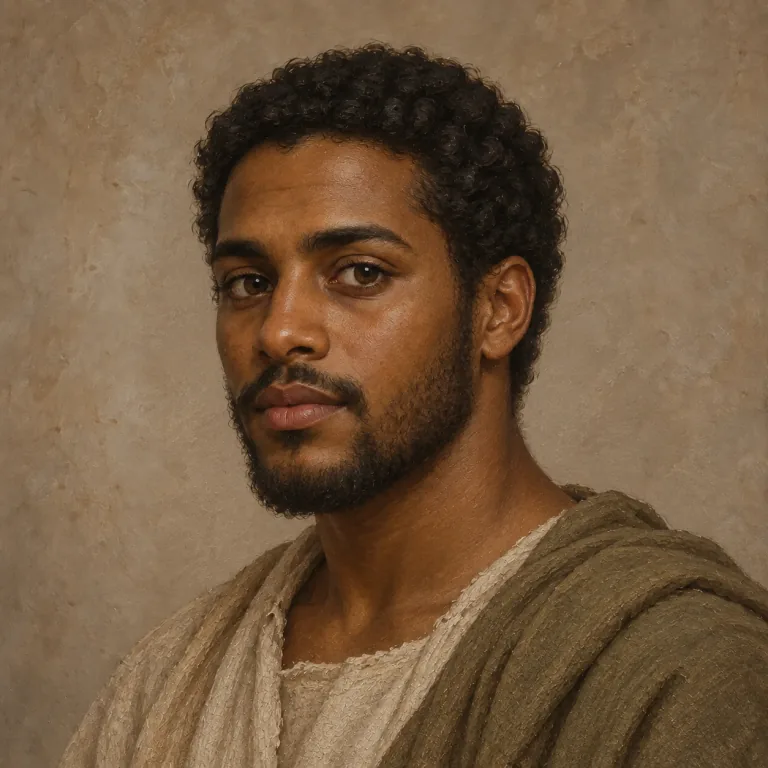
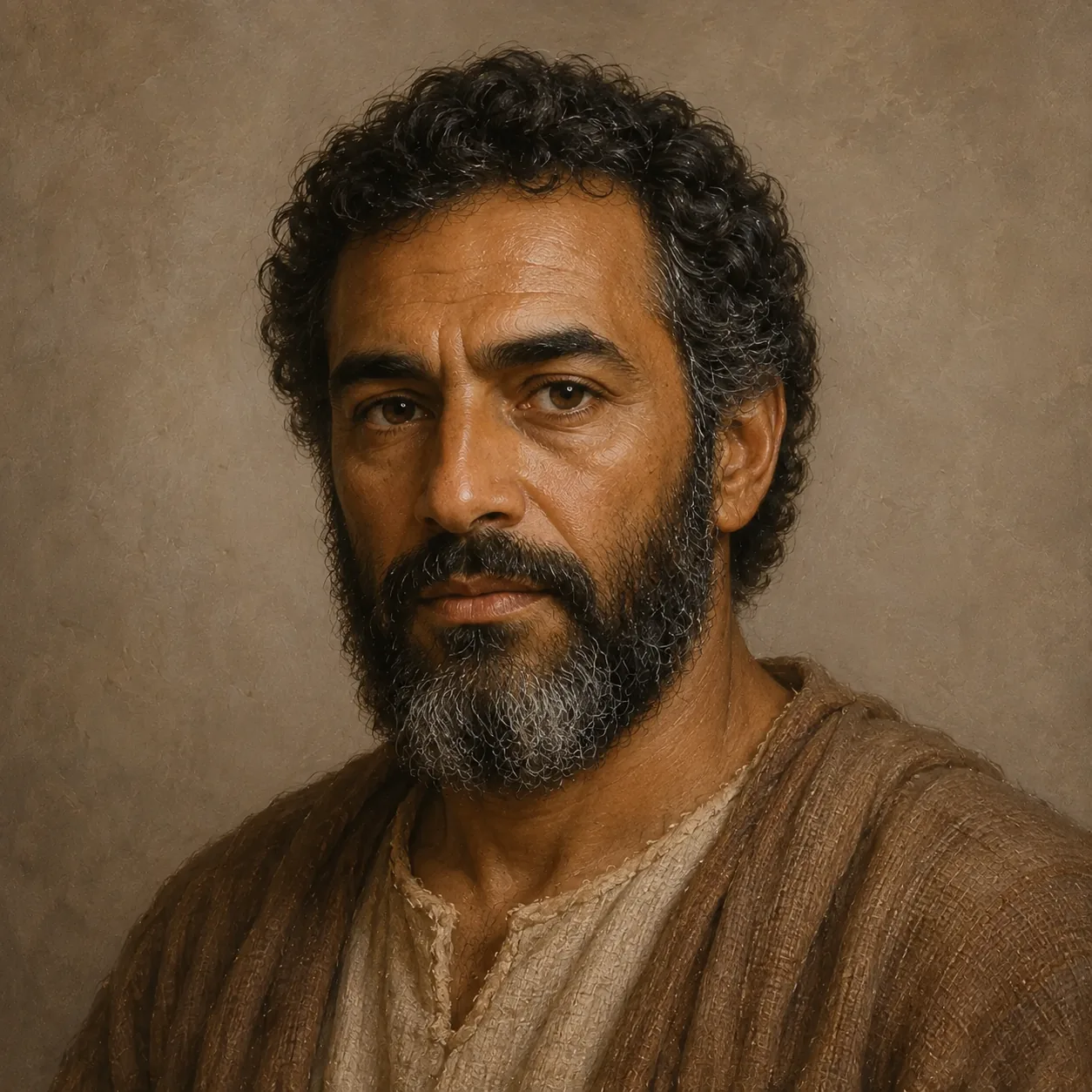
Also indexed here:
- Baladan
- Merodach-baladan