The Prophets · Old Testament
Isaiah 37
Isaiah 37: Hezekiah's prayer, Isaiah's word, and the Assyrian camp struck
General context
Hezekiah hears the report, rends his clothes, puts on sackcloth and goes into the house of the Lord. He sends Eliakim, Shebna and the elders of the priests to Isaiah the prophet, the son of Amoz, calling the day one of trouble and blasphemy and asking him to pray for the remnant. Isaiah answers that the Lord says not to fear; he will send a blast on the king of Assyria, who will hear a rumour, return home and fall by the sword there. Rabshakeh returns and finds the king warring against Libnah. Hearing that Tirhakah king of Ethiopia is coming, the king sends Hezekiah a letter telling him not to let his God deceive him, and listing lands his fathers destroyed. Hezekiah spreads the letter before the Lord and prays: the Lord alone is God of all kingdoms, the kings of Assyria burned the nations' gods because they were no gods, and he asks to be saved so all kingdoms may know the Lord alone. Isaiah sends the Lord's answer: the daughter of Zion laughs Sennacherib to scorn; he has reproached the Holy One of Israel and boasted of his chariots, but the Lord formed this long ago, knows his rage, and will put a hook in his nose and turn him back. A sign of two years' self-sown food is given, and the remnant of Judah will take root. The king of Assyria will not come into the city, because the Lord will defend it for his own sake and David's. The angel of the Lord strikes a hundred and eighty-five thousand in the Assyrian camp; in the morning they are all dead. Sennacherib returns to Nineveh, where his sons Adrammelech and Sharezer kill him as he worships Nisroch, and Esar-haddon reigns.
Cited passages: Isaiah 37:1, Isaiah 37:2, Isaiah 37:3, Isaiah 37:4, Isaiah 37:6, Isaiah 37:7, Isaiah 37:8, Isaiah 37:9, Isaiah 37:10, Isaiah 37:12, Isaiah 37:13, Isaiah 37:14, Isaiah 37:16, Isaiah 37:19, Isaiah 37:20, Isaiah 37:21, Isaiah 37:22, Isaiah 37:23, Isaiah 37:24, Isaiah 37:26, Isaiah 37:29, Isaiah 37:30, Isaiah 37:31, Isaiah 37:33, Isaiah 37:35, Isaiah 37:36, Isaiah 37:37, Isaiah 37:38
Isaiah 37 (KJV)
1And it came to pass, when king Hezekiah heard it, that he rent his clothes, and covered himself with sackcloth, and went into the house of the Lord.
2And he sent Eliakim, who was over the household, and Shebna the scribe, and the elders of the priests covered with sackcloth, unto Isaiah the prophet the son of Amoz.
3And they said unto him, Thus saith Hezekiah, This day is a day of trouble, and of rebuke, and of blasphemy: for the children are come to the birth, and there is not strength to bring forth.
4It may be the Lord thy God will hear the words of Rabshakeh, whom the king of Assyria his master hath sent to reproach the living God, and will reprove the words which the Lord thy God hath heard: wherefore lift up thy prayer for the remnant that is left.
5So the servants of king Hezekiah came to Isaiah.
6And Isaiah said unto them, Thus shall ye say unto your master, Thus saith the Lord, Be not afraid of the words that thou hast heard, wherewith the servants of the king of Assyria have blasphemed me.
7Behold, I will send a blast upon him, and he shall hear a rumour, and return to his own land; and I will cause him to fall by the sword in his own land.
8So Rabshakeh returned, and found the king of Assyria warring against Libnah: for he had heard that he was departed from Lachish.
9And he heard say concerning Tirhakah king of Ethiopia, He is come forth to make war with thee. And when he heard it, he sent messengers to Hezekiah, saying,
10Thus shall ye speak to Hezekiah king of Judah, saying, Let not thy God, in whom thou trustest, deceive thee, saying, Jerusalem shall not be given into the hand of the king of Assyria.
11Behold, thou hast heard what the kings of Assyria have done to all lands by destroying them utterly; and shalt thou be delivered?
12Have the gods of the nations delivered them which my fathers have destroyed, as Gozan, and Haran, and Rezeph, and the children of Eden which were in Telassar?
13Where is the king of Hamath, and the king of Arphad, and the king of the city of Sepharvaim, Hena, and Ivah?
14And Hezekiah received the letter from the hand of the messengers, and read it: and Hezekiah went up unto the house of the Lord, and spread it before the Lord.
15And Hezekiah prayed unto the Lord, saying,
16O Lord of hosts, God of Israel, that dwellest between the cherubims, thou art the God, even thou alone, of all the kingdoms of the earth: thou hast made heaven and earth.
17Incline thine ear, O Lord, and hear; open thine eyes, O Lord, and see: and hear all the words of Sennacherib, which hath sent to reproach the living God.
18Of a truth, Lord, the kings of Assyria have laid waste all the nations, and their countries,
19And have cast their gods into the fire: for they were no gods, but the work of men’s hands, wood and stone: therefore they have destroyed them.
20Now therefore, O Lord our God, save us from his hand, that all the kingdoms of the earth may know that thou art the Lord, even thou only.
21Then Isaiah the son of Amoz sent unto Hezekiah, saying, Thus saith the Lord God of Israel, Whereas thou hast prayed to me against Sennacherib king of Assyria:
22This is the word which the Lord hath spoken concerning him; The virgin, the daughter of Zion, hath despised thee, and laughed thee to scorn; the daughter of Jerusalem hath shaken her head at thee.
23Whom hast thou reproached and blasphemed? and against whom hast thou exalted thy voice, and lifted up thine eyes on high? even against the Holy One of Israel.
24By thy servants hast thou reproached the Lord, and hast said, By the multitude of my chariots am I come up to the height of the mountains, to the sides of Lebanon; and I will cut down the tall cedars thereof, and the choice fir trees thereof: and I will enter into the height of his border, and the forest of his Carmel.
25I have digged, and drunk water; and with the sole of my feet have I dried up all the rivers of the besieged places.
26Hast thou not heard long ago, how I have done it; and of ancient times, that I have formed it? now have I brought it to pass, that thou shouldest be to lay waste defenced cities into ruinous heaps.
27Therefore their inhabitants were of small power, they were dismayed and confounded: they were as the grass of the field, and as the green herb, as the grass on the housetops, and as corn blasted before it be grown up.
28But I know thy abode, and thy going out, and thy coming in, and thy rage against me.
29Because thy rage against me, and thy tumult, is come up into mine ears, therefore will I put my hook in thy nose, and my bridle in thy lips, and I will turn thee back by the way by which thou camest.
30And this shall be a sign unto thee, Ye shall eat this year such as groweth of itself; and the second year that which springeth of the same: and in the third year sow ye, and reap, and plant vineyards, and eat the fruit thereof.
31And the remnant that is escaped of the house of Judah shall again take root downward, and bear fruit upward:
32For out of Jerusalem shall go forth a remnant, and they that escape out of mount Zion: the zeal of the Lord of hosts shall do this.
33Therefore thus saith the Lord concerning the king of Assyria, He shall not come into this city, nor shoot an arrow there, nor come before it with shields, nor cast a bank against it.
34By the way that he came, by the same shall he return, and shall not come into this city, saith the Lord.
35For I will defend this city to save it for mine own sake, and for my servant David’s sake.
36Then the angel of the Lord went forth, and smote in the camp of the Assyrians a hundred and fourscore and five thousand: and when they arose early in the morning, behold, they were all dead corpses.
37So Sennacherib king of Assyria departed, and went and returned, and dwelt at Nineveh.
38And it came to pass, as he was worshipping in the house of Nisroch his god, that Adrammelech and Sharezer his sons smote him with the sword; and they escaped into the land of Armenia: and Esar-haddon his son reigned in his stead.
This page shows the King James Version. In the app, reading opens in the Berean Standard Bible unless you have chosen another translation. The reader includes five translations: the Berean Standard Bible (BSB), the King James Version (KJV), the World English Bible (WEB), the Bible in Basic English (BBE), and the American Standard Version (ASV). Search covers three of them: Berean Standard, King James, and World English. Basic English and American Standard readers search the King James words.
Historical context
The chapter is narrative and names its actors: Hezekiah, Isaiah the prophet the son of Amoz, Eliakim, Shebna, Rabshakeh, Sennacherib king of Assyria, Tirhakah king of Ethiopia, and Sennacherib's sons Adrammelech, Sharezer and Esar-haddon. Among its named places are Libnah, Lachish, Nineveh and Armenia, and it names the god Nisroch. The words in verses 22 to 35 are marked as the Lord's word sent through Isaiah, and within them the boasts about chariots and cedars are attributed to Sennacherib by the Lord, not narrated as his speech. The narrator does not say how the hundred and eighty-five thousand died beyond the angel of the Lord going forth and smiting; the text records only that they were found dead in the morning. Isaiah's first word in verse 7 says the king will hear a rumour, return and fall by the sword in his own land, and the chapter's last verse records that death in Nineveh at his sons' hands; the text does not say how much time passes between his return and his death. Parallel accounts exist: 2 Kings 19:35 reads, And it came to pass that night, that the angel of the Lord went out, and smote in the camp of the Assyrians an hundred fourscore and five thousand; this chapter's verse 36 lacks the words that night. The sign of verse 30, two years of self-sown food and sowing in the third, is given to Hezekiah without the narrator recording its fulfilment.
Cited passages: Isaiah 37:2, Isaiah 37:9, Isaiah 37:38, Isaiah 37:8, Isaiah 37:22, Isaiah 37:24, Isaiah 37:36, Isaiah 37:7, Isaiah 37:37, 2 Kings 19:35, Isaiah 37:30
Literary context
The chapter answers the unanswered speech of chapter 36. Its structure is two threats and two responses: the spoken report brings Hezekiah to the house of the Lord and to Isaiah, and the written letter brings him back to the house of the Lord, where he spreads the letter out and prays. Both Assyrian messages use the same argument, that no god of any land has saved it, and Hezekiah's prayer accepts the fact and reverses the conclusion: the gods burned were no gods, so the Lord alone is God. Rabshakeh's question in 36:20, that the Lord should deliver Jerusalem, is answered by the Lord's own I will defend this city. The oracle against Sennacherib quotes his boasts, I am come up, I will cut down, I have digged, and sets against them the Lord's I have formed it and I know thy abode, ending in the hook and bridle that turn him back by the way by which he came. Hezekiah's labour image in verse 3, children come to the birth with no strength, echoes 26:17 and 18. The narrator gives the destruction of the camp one verse and the king's death one more, with no speech, after a chapter full of speeches. The next chapter begins with Hezekiah himself near death.
Cited passages: Isaiah 37:1, Isaiah 37:14, Isaiah 37:11, Isaiah 37:19, Isaiah 36:20, Isaiah 37:35, Isaiah 37:25, Isaiah 37:28, Isaiah 37:34, Isaiah 37:3, Isaiah 26:18, Isaiah 37:36, Isaiah 38:1
Key moments
- Hezekiah in sackcloth (Isaiah 37:1). The king rends his clothes and goes into the house of the Lord.
- Isaiah's first word (Isaiah 37:7). The Lord will send a blast, and the king of Assyria will return and fall by the sword at home.
- The letter spread before the Lord (Isaiah 37:14). Hezekiah reads Sennacherib's letter and lays it out in the house of the Lord.
- Thou alone art God (Isaiah 37:20). Hezekiah asks to be saved so all kingdoms may know the Lord alone.
- A hook in his nose (Isaiah 37:29). The Lord says he will turn Sennacherib back by the way he came.
- The camp struck (Isaiah 37:36). The angel of the Lord smites a hundred and eighty-five thousand, found dead in the morning.
- Sennacherib killed by his sons (Isaiah 37:38). Adrammelech and Sharezer kill him in Nisroch's house, and Esar-haddon reigns.
For reflection
Hezekiah's prayer agrees with Sennacherib that the kings of Assyria destroyed the nations and their gods, and then draws the opposite conclusion. What in the text makes the same facts point two ways?
People in this chapter
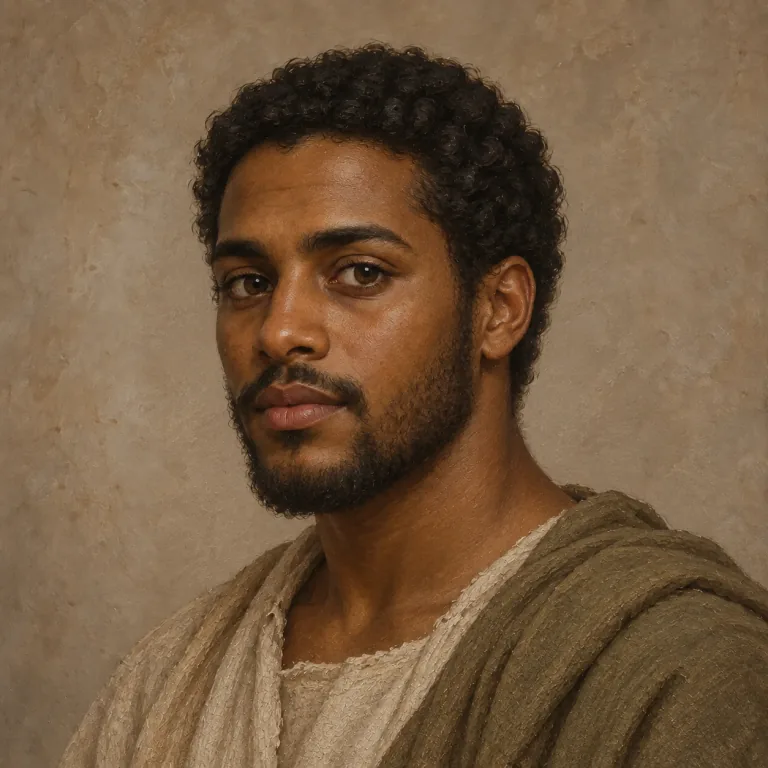
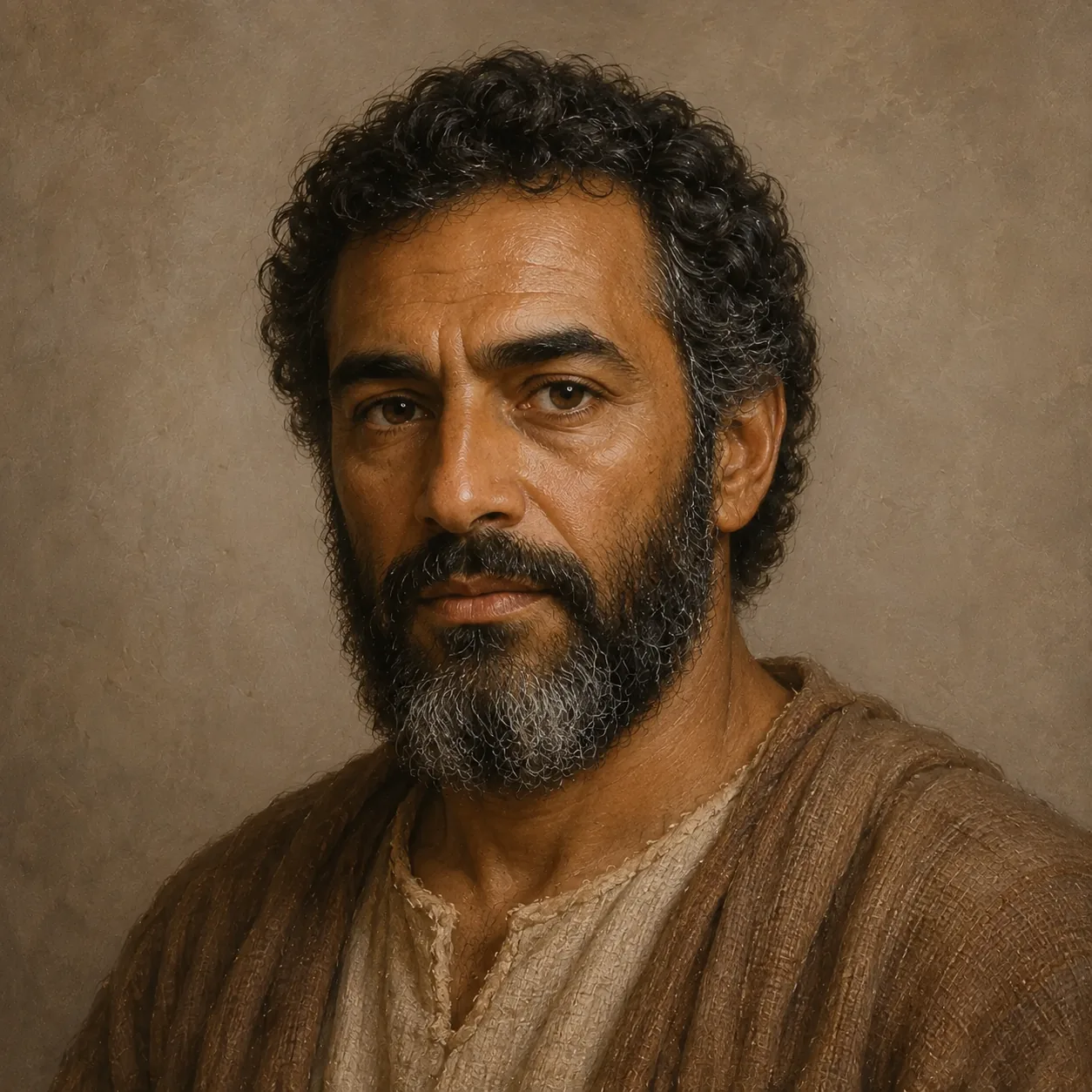
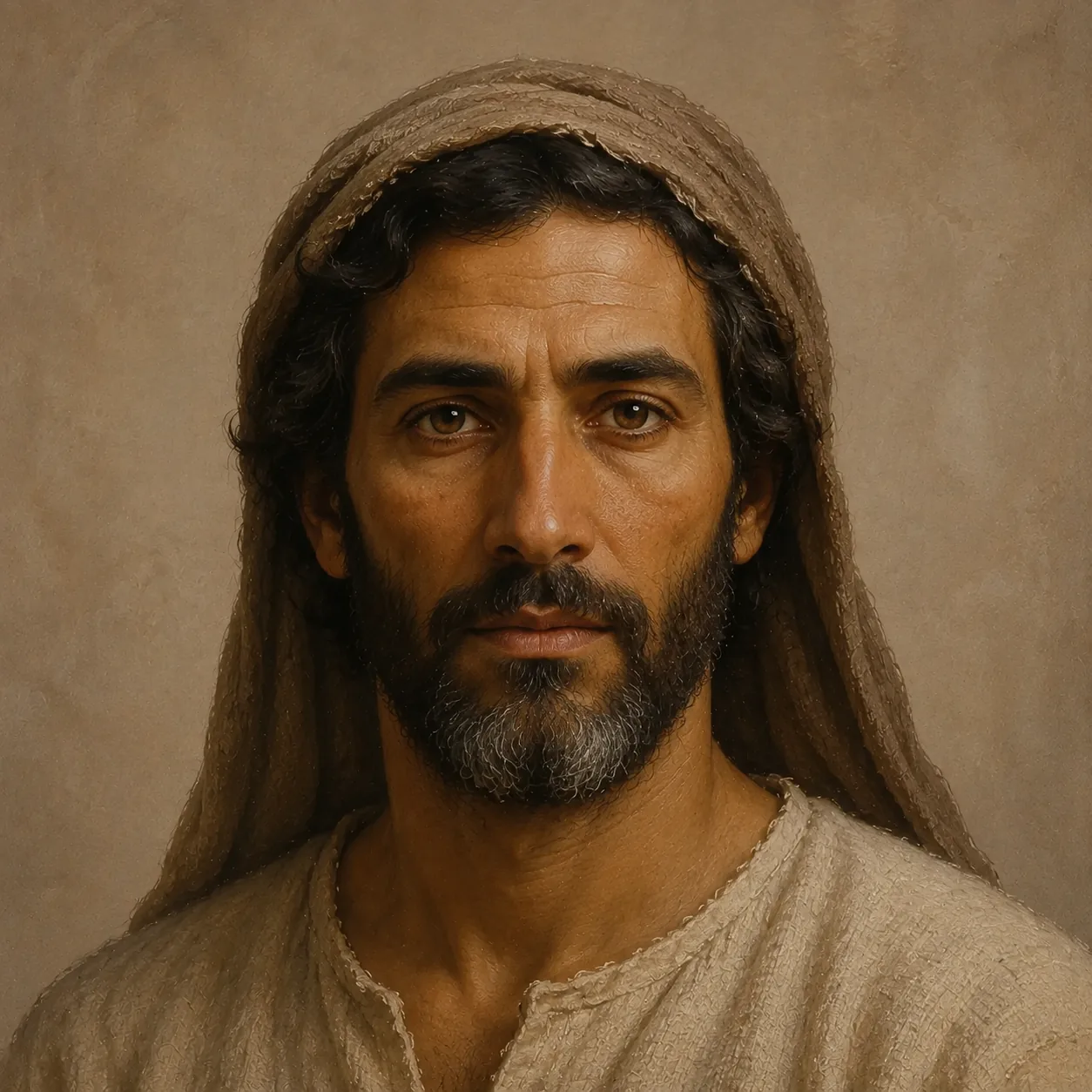
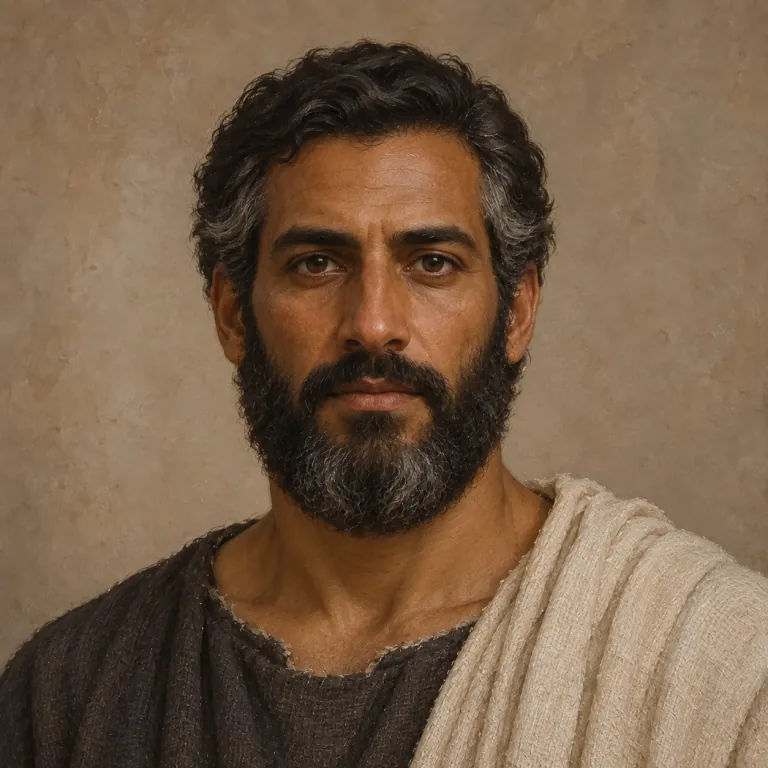
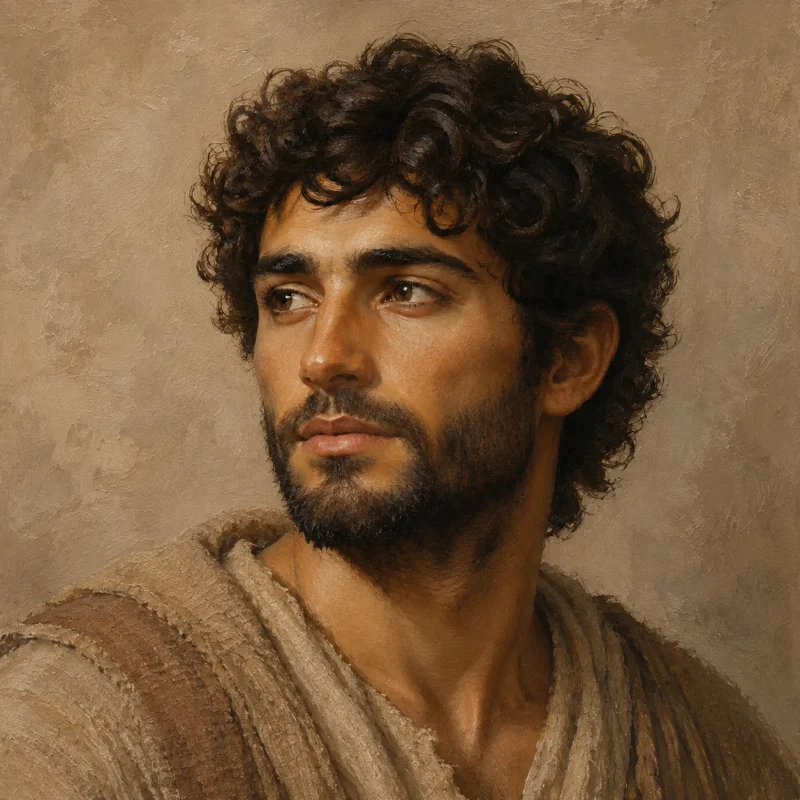
Also indexed here:
- Sennacherib
- Amoz
- Rabshakeh
- Adrammelech
- Eliakim
- Esarhaddon
- Sharezer
- Shebna
- Tirhakah