The Prophets · Old Testament
Isaiah 20
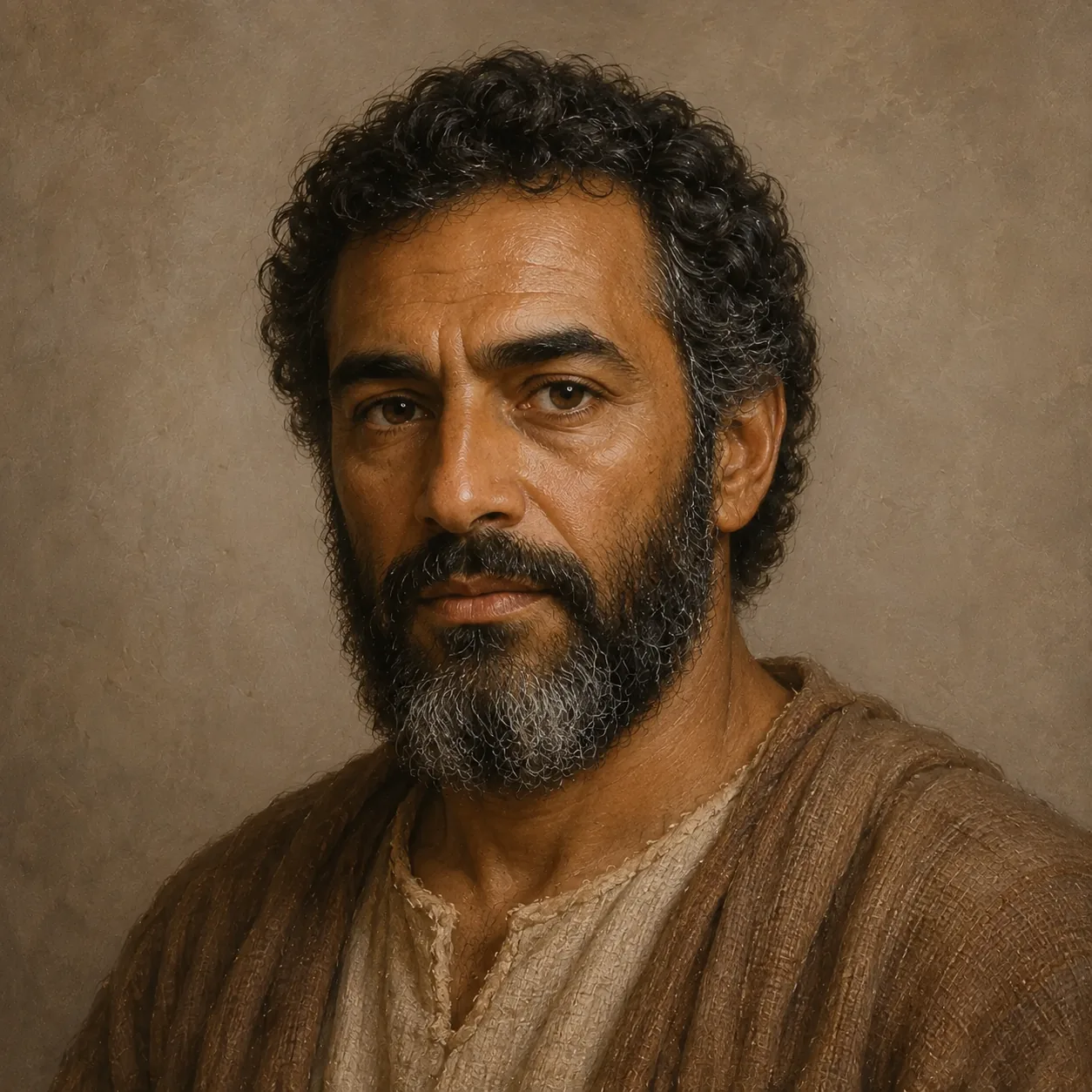
Isaiah 20: Isaiah walks naked and barefoot as a sign against Egypt and Ethiopia
General context
The chapter is dated to the year that Tartan came to Ashdod, sent by Sargon the king of Assyria, and fought against it and took it. At that time the Lord speaks by Isaiah the son of Amoz, telling him to loose the sackcloth from his loins and take the shoe from his foot, and he does so, walking naked and barefoot. The Lord then says that as his servant Isaiah has walked naked and barefoot three years as a sign and wonder upon Egypt and Ethiopia, so the king of Assyria will lead the Egyptians away as prisoners and the Ethiopians as captives, young and old, naked and barefoot with buttocks uncovered, to the shame of Egypt. Those who watch will be afraid and ashamed of Ethiopia, their expectation, and of Egypt, their glory. The inhabitant of this isle will say in that day that such is the hope they fled to for deliverance from the king of Assyria, and will ask how they can escape.
Cited passages: Isaiah 20:1, Isaiah 20:2, Isaiah 20:3, Isaiah 20:4, Isaiah 20:5, Isaiah 20:6
Isaiah 20 (KJV)
1In the year that Tartan came unto Ashdod, (when Sargon the king of Assyria sent him,) and fought against Ashdod, and took it;
2At the same time spake the Lord by Isaiah the son of Amoz, saying, Go and loose the sackcloth from off thy loins, and put off thy shoe from thy foot. And he did so, walking naked and barefoot.
3And the Lord said, Like as my servant Isaiah hath walked naked and barefoot three years for a sign and wonder upon Egypt and upon Ethiopia;
4So shall the king of Assyria lead away the Egyptians prisoners, and the Ethiopians captives, young and old, naked and barefoot, even with their buttocks uncovered, to the shame of Egypt.
5And they shall be afraid and ashamed of Ethiopia their expectation, and of Egypt their glory.
6And the inhabitant of this isle shall say in that day, Behold, such is our expectation, whither we flee for help to be delivered from the king of Assyria: and how shall we escape?
This page shows the King James Version. In the app, reading opens in the Berean Standard Bible unless you have chosen another translation. The reader includes five translations: the Berean Standard Bible (BSB), the King James Version (KJV), the World English Bible (WEB), the Bible in Basic English (BBE), and the American Standard Version (ASV). Search covers three of them: Berean Standard, King James, and World English. Basic English and American Standard readers search the King James words.
Historical context
This is the only chapter in the first twenty-two that gives a king of Assyria a personal name: Sargon, who sent Tartan against Ashdod. Tartan is printed as a name and the text does not explain the word. The date is given by that event rather than by a king of Judah. Unlike chapters six and eight, the narration here is in the third person: the Lord speaks by Isaiah the son of Amoz and he did so, so the prophet does not tell this himself. The Lord calls him my servant Isaiah, a phrase this record does not connect to the servant passages elsewhere in the book. The sign lasts three years, but the text does not say whether the three years ran before or after the fall of Ashdod, and it does not say the prophet was wholly unclothed beyond the words naked and barefoot after removing sackcloth and shoe. Egypt and Ethiopia are the nations the sign concerns, and the ones who are ashamed of them are they, unnamed, followed by the inhabitant of this isle, which the text does not identify. The chapter does not report the captivity happening; it states what the king of Assyria will do. Sargon appears nowhere else in the book.
Cited passages: Isaiah 20:1, Isaiah 20:2, Isaiah 8:1, Isaiah 20:3, Isaiah 20:5, Isaiah 20:6, Isaiah 20:4
Literary context
The chapter is a sign act explained by a Like as, So shall pairing. The prophet's own body carries the message for three years before the words are given, and the words simply transfer his condition, naked and barefoot, to whole peoples, with the added detail of uncovered buttocks that turns the sign into shame. Ashdod's capture opens the chapter as a date, and the closing question, how shall we escape, comes from an unnamed island people who had looked to Egypt for rescue from the same king of Assyria who took Ashdod. Two words, expectation and glory, name what Ethiopia and Egypt were to their hopeful neighbours, and both are reversed to fear and shame. The brevity is part of the effect: six verses set between the long burden of Egypt, which ended in blessing, and the burden of the desert of the sea in chapter twenty-one, so Egypt's future blessing and its present humiliation stand side by side without comment.
Cited passages: Isaiah 20:3, Isaiah 20:4, Isaiah 20:1, Isaiah 20:6, Isaiah 20:5, Isaiah 19:25, Isaiah 21:1
Key moments
- Ashdod taken (Isaiah 20:1). Tartan, sent by Sargon king of Assyria, captures Ashdod.
- Sackcloth and shoe removed (Isaiah 20:2). Isaiah obeys the Lord and walks naked and barefoot.
- Three years as a sign (Isaiah 20:3). The Lord names Isaiah's walk a sign and wonder upon Egypt and Ethiopia.
- Captives led away (Isaiah 20:4). The king of Assyria will lead Egyptians and Ethiopians away naked and barefoot.
- How shall we escape? (Isaiah 20:6). The inhabitant of this isle sees their hoped-for help humiliated.
For reflection
The prophet walks naked and barefoot for three years before the Lord states what the sign means. What does the chapter suggest about a sign that is carried long before it is explained?
People in this chapter
Also indexed here:
- Amoz
- Sennacherib
- Tartan