The Histories · Old Testament
2 Samuel 11
David takes Bathsheba and arranges Uriah's death
General context
While Joab's army besieges Rabbah, David remains in Jerusalem. He sees Bathsheba bathing, learns that she is Uriah's wife, sends for her and lies with her. After she reports her pregnancy, David summons Uriah and tries to get him to go home. Uriah refuses while the ark and his comrades remain in the field. David then orders Joab to arrange his death in battle. After Bathsheba mourns, David takes her as his wife. The narrator closes by declaring the Lord's displeasure.
Cited passages: 2 Samuel 11:1, 2 Samuel 11:2, 2 Samuel 11:3, 2 Samuel 11:4, 2 Samuel 11:5, 2 Samuel 11:6, 2 Samuel 11:7, 2 Samuel 11:8, 2 Samuel 11:9, 2 Samuel 11:10, 2 Samuel 11:11, 2 Samuel 11:12, 2 Samuel 11:13, 2 Samuel 11:14, 2 Samuel 11:15, 2 Samuel 11:16, 2 Samuel 11:17, 2 Samuel 11:18, 2 Samuel 11:19, 2 Samuel 11:20, 2 Samuel 11:21, 2 Samuel 11:22, 2 Samuel 11:23, 2 Samuel 11:24, 2 Samuel 11:25, 2 Samuel 11:26, 2 Samuel 11:27
2 Samuel 11 (KJV)
1And it came to pass, after the year was expired, at the time when kings go forth to battle, that David sent Joab, and his servants with him, and all Israel; and they destroyed the children of Ammon, and besieged Rabbah. But David tarried still at Jerusalem.
2And it came to pass in an eveningtide, that David arose from off his bed, and walked upon the roof of the king’s house: and from the roof he saw a woman washing herself; and the woman was very beautiful to look upon.
3And David sent and enquired after the woman. And one said, Is not this Bath-sheba, the daughter of Eliam, the wife of Uriah the Hittite?
4And David sent messengers, and took her; and she came in unto him, and he lay with her; for she was purified from her uncleanness: and she returned unto her house.
5And the woman conceived, and sent and told David, and said, I am with child.
6And David sent to Joab, saying, Send me Uriah the Hittite. And Joab sent Uriah to David.
7And when Uriah was come unto him, David demanded of him how Joab did, and how the people did, and how the war prospered.
8And David said to Uriah, Go down to thy house, and wash thy feet. And Uriah departed out of the king’s house, and there followed him a mess of meat from the king.
9But Uriah slept at the door of the king’s house with all the servants of his lord, and went not down to his house.
10And when they had told David, saying, Uriah went not down unto his house, David said unto Uriah, Camest thou not from thy journey? why then didst thou not go down unto thine house?
11And Uriah said unto David, The ark, and Israel, and Judah, abide in tents; and my lord Joab, and the servants of my lord, are encamped in the open fields; shall I then go into mine house, to eat and to drink, and to lie with my wife? as thou livest, and as thy soul liveth, I will not do this thing.
12And David said to Uriah, Tarry here to day also, and to morrow I will let thee depart. So Uriah abode in Jerusalem that day, and the morrow.
13And when David had called him, he did eat and drink before him; and he made him drunk: and at even he went out to lie on his bed with the servants of his lord, but went not down to his house.
14And it came to pass in the morning, that David wrote a letter to Joab, and sent it by the hand of Uriah.
15And he wrote in the letter, saying, Set ye Uriah in the forefront of the hottest battle, and retire ye from him, that he may be smitten, and die.
16And it came to pass, when Joab observed the city, that he assigned Uriah unto a place where he knew that valiant men were.
17And the men of the city went out, and fought with Joab: and there fell some of the people of the servants of David; and Uriah the Hittite died also.
18Then Joab sent and told David all the things concerning the war;
19And charged the messenger, saying, When thou hast made an end of telling the matters of the war unto the king,
20And if so be that the king’s wrath arise, and he say unto thee, Wherefore approached ye so nigh unto the city when ye did fight? knew ye not that they would shoot from the wall?
21Who smote Abimelech the son of Jerubbesheth? did not a woman cast a piece of a millstone upon him from the wall, that he died in Thebez? why went ye nigh the wall? then say thou, Thy servant Uriah the Hittite is dead also.
22So the messenger went, and came and shewed David all that Joab had sent him for.
23And the messenger said unto David, Surely the men prevailed against us, and came out unto us into the field, and we were upon them even unto the entering of the gate.
24And the shooters shot from off the wall upon thy servants; and some of the king’s servants be dead, and thy servant Uriah the Hittite is dead also.
25Then David said unto the messenger, Thus shalt thou say unto Joab, Let not this thing displease thee, for the sword devoureth one as well as another: make thy battle more strong against the city, and overthrow it: and encourage thou him.
26And when the wife of Uriah heard that Uriah her husband was dead, she mourned for her husband.
27And when the mourning was past, David sent and fetched her to his house, and she became his wife, and bare him a son. But the thing that David had done displeased the Lord.
This page shows the King James Version. In the app, reading opens in the Berean Standard Bible unless you have chosen another translation. The reader includes five translations: the Berean Standard Bible (BSB), the King James Version (KJV), the World English Bible (WEB), the Bible in Basic English (BBE), and the American Standard Version (ASV). Search covers three of them: Berean Standard, King James, and World English. Basic English and American Standard readers search the King James words.
Historical context
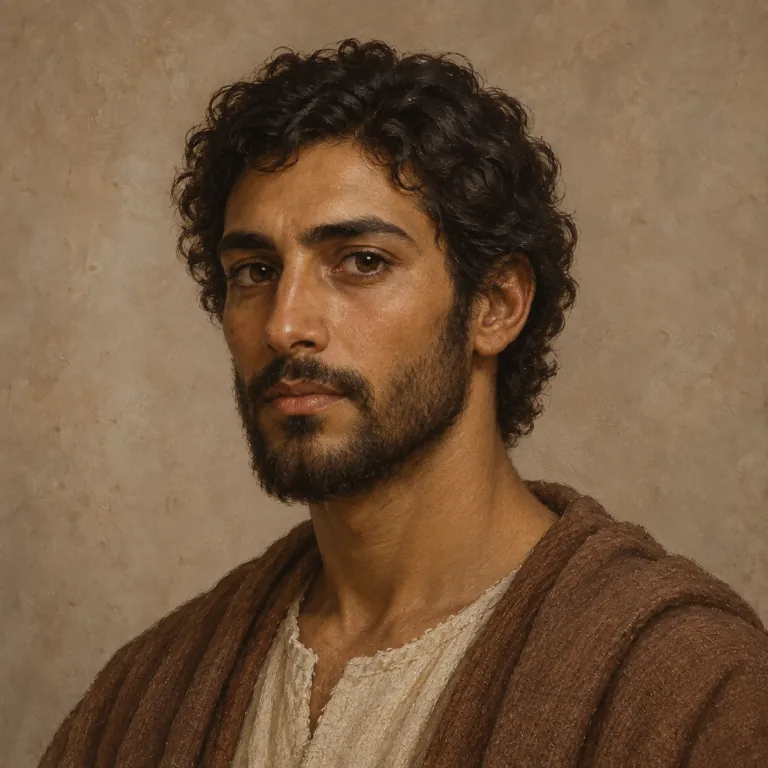
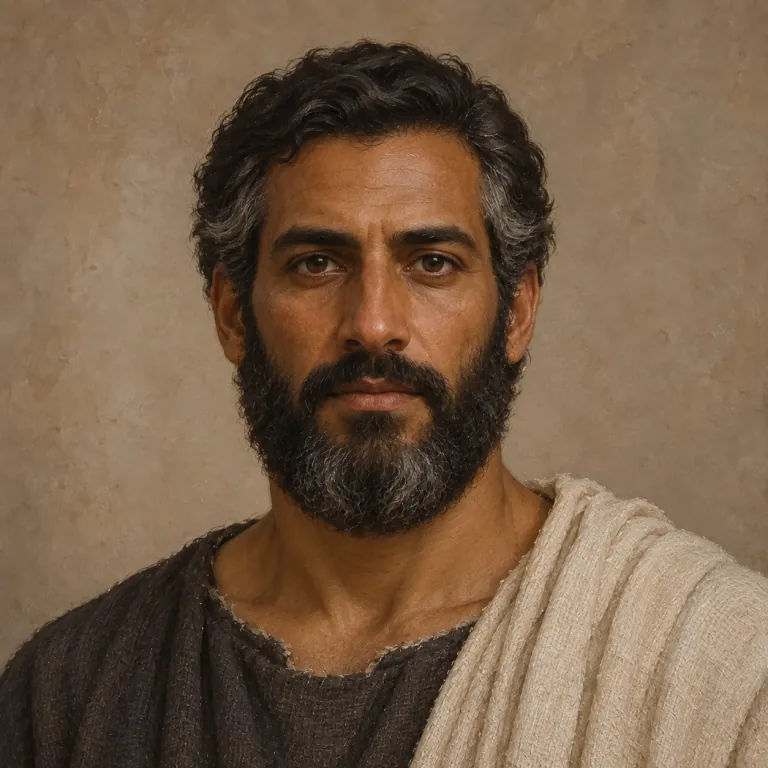
Uriah is identified as a Hittite serving in David's forces, and Bathsheba as Eliam's daughter and Uriah's wife. The rooftop belongs to David's vantage point; the passage does not locate Bathsheba's bath on a roof or say she intended to be seen. Her cleansing is mentioned in the account, but her consent or inner response to David's summons is not narrated. Uriah himself carries the letter directing Joab to expose him to death.
Cited passages: 2 Samuel 11:2, 2 Samuel 11:3, 2 Samuel 11:4, 2 Samuel 11:6, 2 Samuel 11:7, 2 Samuel 11:8, 2 Samuel 11:9, 2 Samuel 11:10, 2 Samuel 11:11, 2 Samuel 11:12, 2 Samuel 11:13, 2 Samuel 11:14, 2 Samuel 11:15, 2 Samuel 11:16, 2 Samuel 11:17
Literary context
David repeatedly sends, summons and instructs others, yet Uriah's refusal frustrates his attempt to control the consequences. Uriah's concern for the ark and the men in the field stands beside David's conduct in Jerusalem. The letter makes the killing deliberate, and the battle report shows that other servants die as well. David's later words about the hazards of war do not overturn the narrator's final judgment.
Cited passages: 2 Samuel 11:6, 2 Samuel 11:7, 2 Samuel 11:8, 2 Samuel 11:9, 2 Samuel 11:10, 2 Samuel 11:11, 2 Samuel 11:12, 2 Samuel 11:13, 2 Samuel 11:14, 2 Samuel 11:15, 2 Samuel 11:16, 2 Samuel 11:17, 2 Samuel 11:18, 2 Samuel 11:19, 2 Samuel 11:20, 2 Samuel 11:21, 2 Samuel 11:22, 2 Samuel 11:23, 2 Samuel 11:24, 2 Samuel 11:25, 2 Samuel 11:26, 2 Samuel 11:27
Key moments
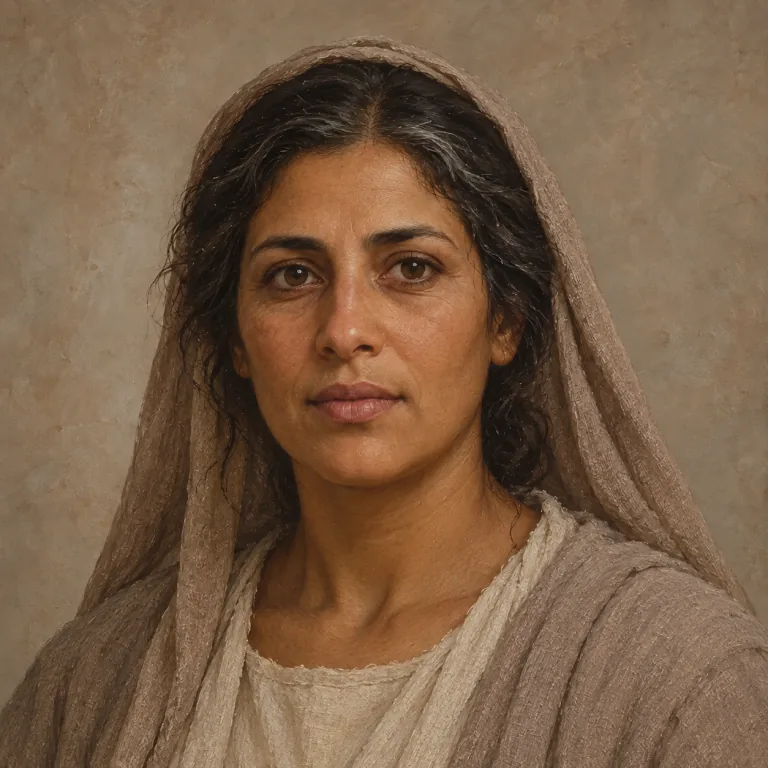
- Bathsheba identified (2 Samuel 11:3). David is told that the woman is Bathsheba, Eliam's daughter and Uriah's wife.
- The pregnancy reported (2 Samuel 11:5). Bathsheba sends word to David that she is pregnant.
- Uriah refuses to go home (2 Samuel 11:11). Uriah appeals to the ark and his comrades' conditions in the field.
- A lethal order written (2 Samuel 11:15). David directs Joab to expose Uriah in the hardest fighting and withdraw support.
- Uriah and others die (2 Samuel 11:17). The defenders kill some of David's servants, including Uriah.
- The Lord's judgment stated (2 Samuel 11:27). The narrator says David's deed displeased the Lord.
For reflection
How does the account distinguish David's public explanation of a battlefield loss from the private order that caused it?
People in this chapter
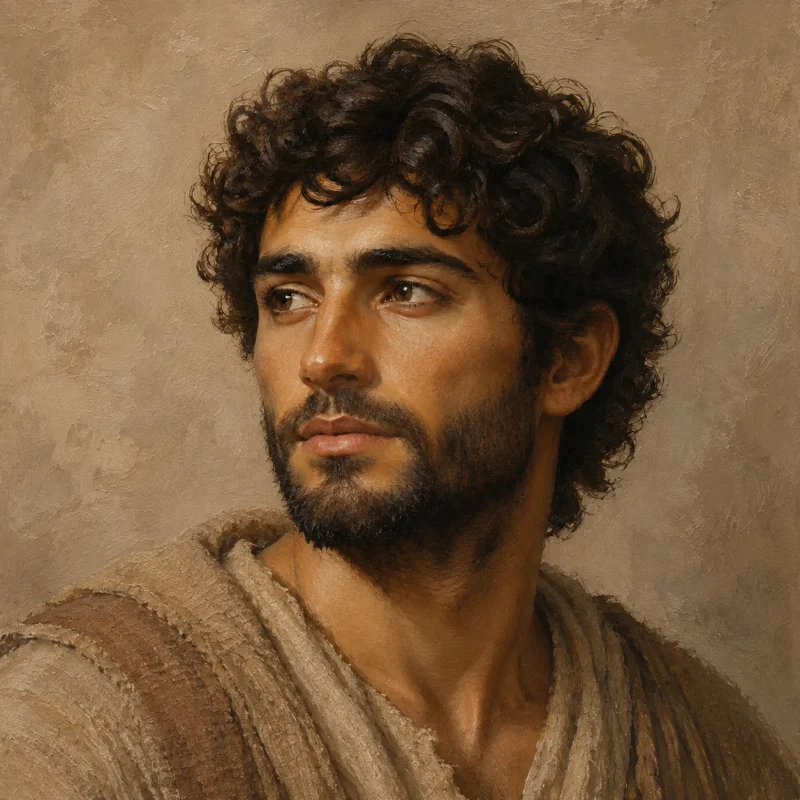
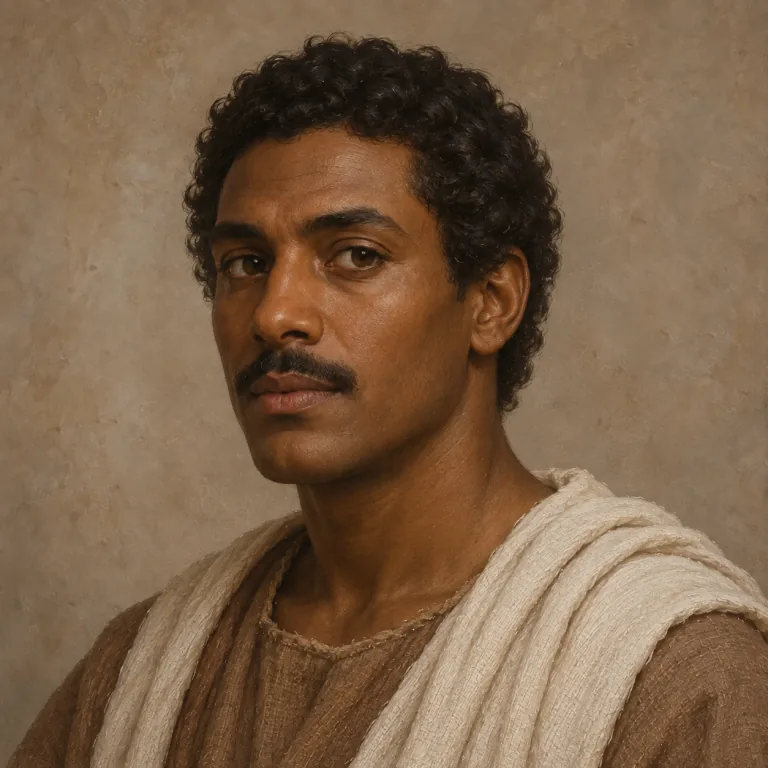
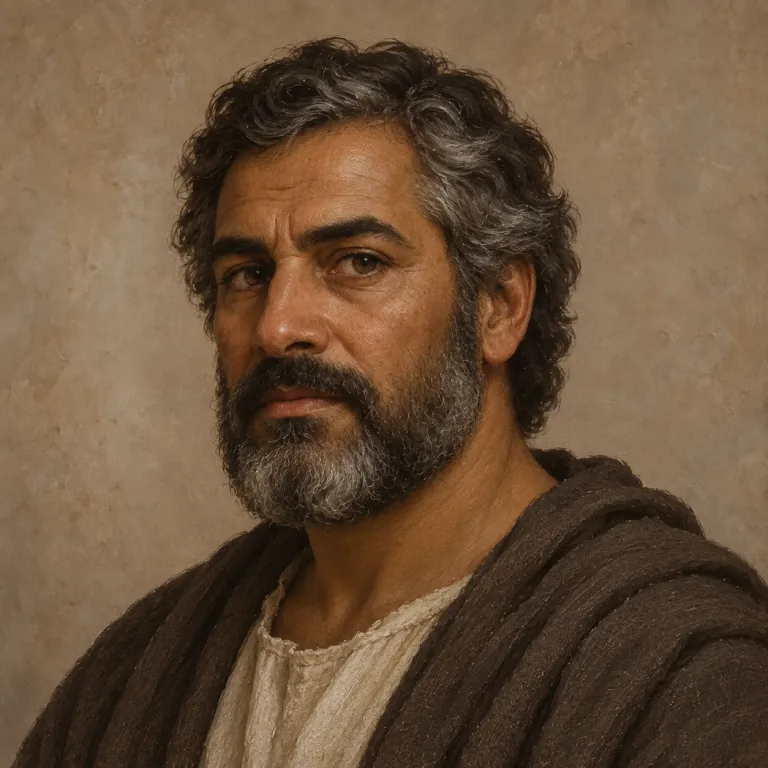
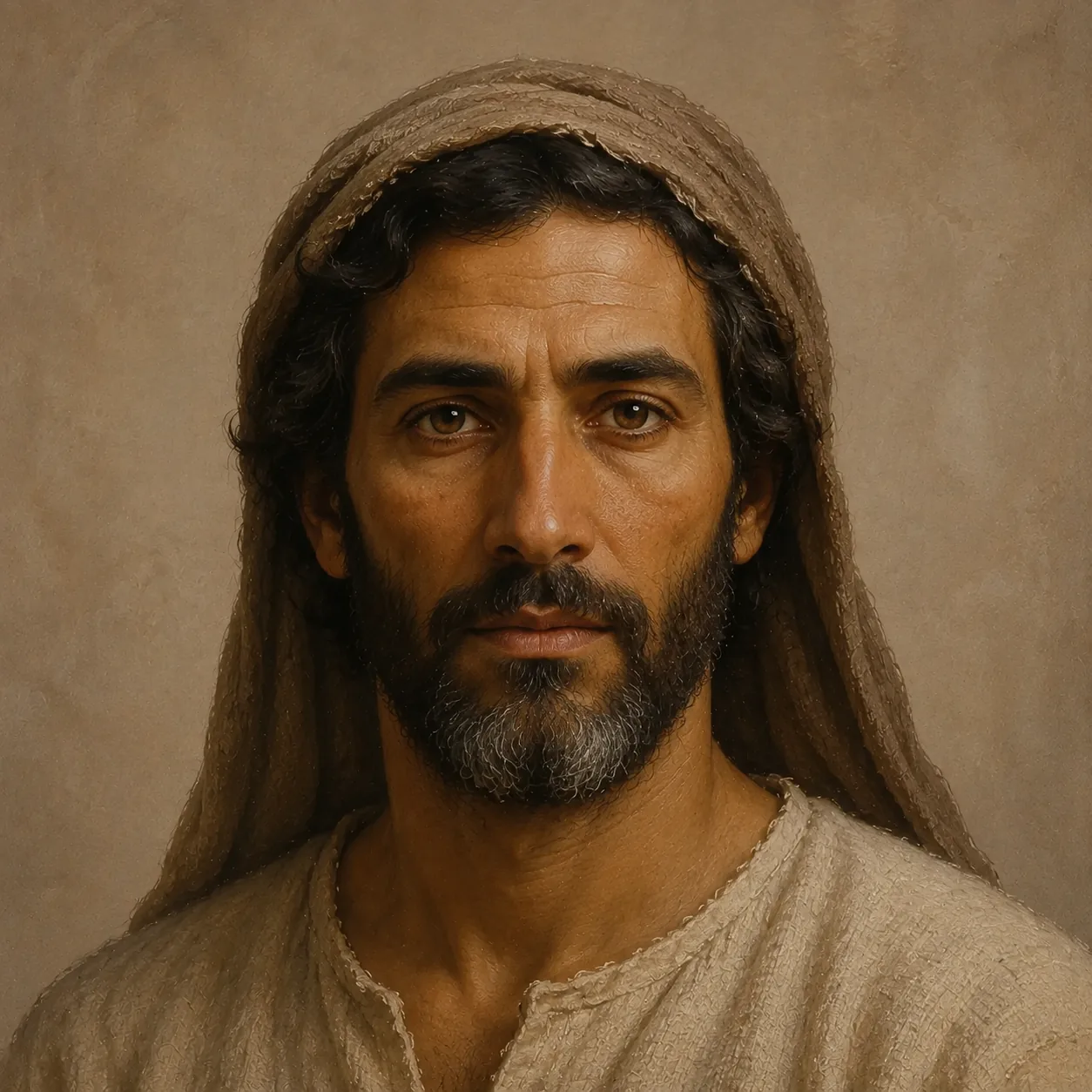
Also indexed here: