The Histories · Old Testament
1 Chronicles 2
1 Chronicles 2: the sons of Israel and the families of Judah
General context
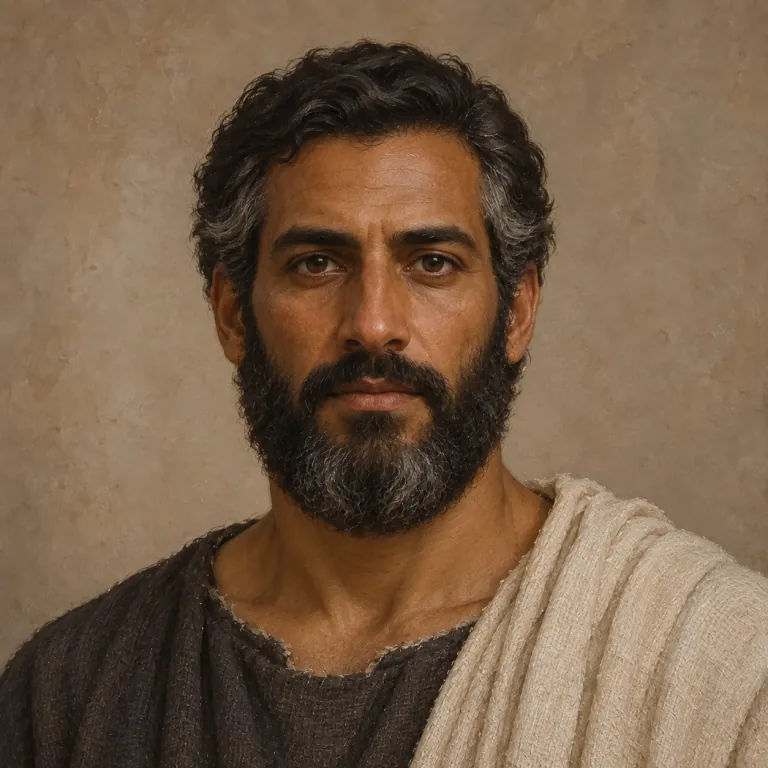
The chapter names Israel's twelve sons and then turns to Judah. Judah's three sons by the daughter of Shua are listed, with the note that Er, the firstborn, "was evil in the sight of the Lord; and he slew him". Tamar, Judah's daughter in law, bears Pharez and Zerah. Zerah's sons include Ethan and Heman; Achar, "the troubler of Israel", is listed among the sons of Carmi. From Pharez the line runs through Hezron and Ram to Amminadab, Nahshon "prince of the children of Judah", Salma, Boaz, Obed and Jesse. Jesse's seven sons are counted, "David the seventh", with his sisters Zeruiah and Abigail and their sons Abishai, Joab, Asahel and Amasa. Caleb the son of Hezron's wives and children follow, including Hur, Uri and Bezaleel. Hezron marries Machir's daughter at sixty and fathers Segub, whose son Jair had cities in Gilead. Jerahmeel's families are traced to Sheshan, who "had no sons, but daughters" and gives one to his Egyptian servant Jarha. Caleb's other sons, concubines and daughter Achsah are listed, then the sons of Caleb the son of Hur, the families of Kirjath–jearim and Beth–lehem, and the families of the scribes at Jabez, Kenites of the house of Rechab.
Cited passages: 1 Chronicles 2:1, 1 Chronicles 2:3, 1 Chronicles 2:4, 1 Chronicles 2:6, 1 Chronicles 2:7, 1 Chronicles 2:9, 1 Chronicles 2:10, 1 Chronicles 2:12, 1 Chronicles 2:15, 1 Chronicles 2:16, 1 Chronicles 2:17, 1 Chronicles 2:19, 1 Chronicles 2:20, 1 Chronicles 2:21, 1 Chronicles 2:22, 1 Chronicles 2:34, 1 Chronicles 2:35, 1 Chronicles 2:49, 1 Chronicles 2:50, 1 Chronicles 2:51, 1 Chronicles 2:55
1 Chronicles 2 (KJV)
1These are the sons of Israel; Reuben, Simeon, Levi, and Judah, Issachar, and Zebulun,
2Dan, Joseph, and Benjamin, Naphtali, Gad, and Asher.
3The sons of Judah; Er, and Onan, and Shelah: which three were born unto him of the daughter of Shua the Canaanitess. And Er, the firstborn of Judah, was evil in the sight of the Lord; and he slew him.
4And Tamar his daughter in law bare him Pharez and Zerah. All the sons of Judah were five.
5The sons of Pharez; Hezron, and Hamul.
6And the sons of Zerah; Zimri, and Ethan, and Heman, and Calcol, and Dara: five of them in all.
7And the sons of Carmi; Achar, the troubler of Israel, who transgressed in the thing accursed.
8And the sons of Ethan; Azariah.
9The sons also of Hezron, that were born unto him; Jerahmeel, and Ram, and Chelubai.
10And Ram begat Amminadab; and Amminadab begat Nahshon, prince of the children of Judah;
11And Nahshon begat Salma, and Salma begat Boaz,
12And Boaz begat Obed, and Obed begat Jesse,
13And Jesse begat his firstborn Eliab, and Abinadab the second, and Shimma the third,
14Nethaneel the fourth, Raddai the fifth,
15Ozem the sixth, David the seventh:
16Whose sisters were Zeruiah, and Abigail. And the sons of Zeruiah; Abishai, and Joab, and Asahel, three.
17And Abigail bare Amasa: and the father of Amasa was Jether the Ishmeelite.
18And Caleb the son of Hezron begat children of Azubah his wife, and of Jerioth: her sons are these; Jesher, and Shobab, and Ardon.
19And when Azubah was dead, Caleb took unto him Ephrath, which bare him Hur.
20And Hur begat Uri, and Uri begat Bezaleel.
21And afterward Hezron went in to the daughter of Machir the father of Gilead, whom he married when he was threescore years old; and she bare him Segub.
22And Segub begat Jair, who had three and twenty cities in the land of Gilead.
23And he took Geshur, and Aram, with the towns of Jair, from them, with Kenath, and the towns thereof, even threescore cities. All these belonged to the sons of Machir the father of Gilead.
24And after that Hezron was dead in Caleb-ephratah, then Abiah Hezron’s wife bare him Ashur the father of Tekoa.
25And the sons of Jerahmeel the firstborn of Hezron were, Ram the firstborn, and Bunah, and Oren, and Ozem, and Ahijah.
26Jerahmeel had also another wife, whose name was Atarah; she was the mother of Onam.
27And the sons of Ram the firstborn of Jerahmeel were, Maaz, and Jamin, and Eker.
28And the sons of Onam were, Shammai, and Jada. And the sons of Shammai; Nadab, and Abishur.
29And the name of the wife of Abishur was Abihail, and she bare him Ahban, and Molid.
30And the sons of Nadab; Seled, and Appaim: but Seled died without children.
31And the sons of Appaim; Ishi. And the sons of Ishi; Sheshan. And the children of Sheshan; Ahlai.
32And the sons of Jada the brother of Shammai; Jether, and Jonathan: and Jether died without children.
33And the sons of Jonathan; Peleth, and Zaza. These were the sons of Jerahmeel.
34Now Sheshan had no sons, but daughters. And Sheshan had a servant, an Egyptian, whose name was Jarha.
35And Sheshan gave his daughter to Jarha his servant to wife; and she bare him Attai.
36And Attai begat Nathan, and Nathan begat Zabad,
37And Zabad begat Ephlal, and Ephlal begat Obed,
38And Obed begat Jehu, and Jehu begat Azariah,
39And Azariah begat Helez, and Helez begat Eleasah,
40And Eleasah begat Sisamai, and Sisamai begat Shallum,
41And Shallum begat Jekamiah, and Jekamiah begat Elishama.
42Now the sons of Caleb the brother of Jerahmeel were, Mesha his firstborn, which was the father of Ziph; and the sons of Mareshah the father of Hebron.
43And the sons of Hebron; Korah, and Tappuah, and Rekem, and Shema.
44And Shema begat Raham, the father of Jorkoam: and Rekem begat Shammai.
45And the son of Shammai was Maon: and Maon was the father of Beth-zur.
46And Ephah, Caleb’s concubine, bare Haran, and Moza, and Gazez: and Haran begat Gazez.
47And the sons of Jahdai; Regem, and Jotham, and Geshan, and Pelet, and Ephah, and Shaaph.
48Maachah, Caleb’s concubine, bare Sheber, and Tirhanah.
49She bare also Shaaph the father of Madmannah, Sheva the father of Machbenah, and the father of Gibea: and the daughter of Caleb was Achsah.
50These were the sons of Caleb the son of Hur, the firstborn of Ephratah; Shobal the father of Kirjath-jearim,
51Salma the father of Beth-lehem, Hareph the father of Beth-gader.
52And Shobal the father of Kirjath-jearim had sons; Haroeh, and half of the Manahethites.
53And the families of Kirjath-jearim; the Ithrites, and the Puhites, and the Shumathites, and the Mishraites; of them came the Zareathites, and the Eshtaulites.
54The sons of Salma; Beth-lehem, and the Netophathites, Ataroth, the house of Joab, and half of the Manahethites, the Zorites.
55And the families of the scribes which dwelt at Jabez; the Tirathites, the Shimeathites, and Suchathites. These are the Kenites that came of Hemath, the father of the house of Rechab.
This page shows the King James Version. In the app, reading opens in the Berean Standard Bible unless you have chosen another translation. The reader includes five translations: the Berean Standard Bible (BSB), the King James Version (KJV), the World English Bible (WEB), the Bible in Basic English (BBE), and the American Standard Version (ASV). Search covers three of them: Berean Standard, King James, and World English. Basic English and American Standard readers search the King James words.
Historical context
The chapter uses "father of" both for a parent and for the founder of a place: Ashur is "the father of Tekoa", Salma "the father of Beth-lehem". Several Calebs appear. Hezron's sons are Jerahmeel, Ram and Chelubai; later verses speak of "Caleb the son of Hezron" and "Caleb the brother of Jerahmeel", and near the end of "Caleb the son of Hur". The text does not say whether Chelubai and Caleb the son of Hezron are the same man, nor how Caleb the son of Hur relates to him. Carmi is not among Zerah's five sons, yet Achar is placed right after them; the connection is not stated. The narrator's judgments are brief: Er was evil and the Lord slew him; Achar troubled Israel "in the thing accursed". The verse on Jair's cities says "he took Geshur, and Aram, with the towns of Jair, from them", and the KJV wording leaves unclear who took the towns from whom. Two men are said to have "died without children". Sheshan's daughter is not named, and her husband is called an Egyptian servant. Time is marked only by relation to persons, such as Hezron's age at marriage and his death "in Caleb-ephratah"; no reigns or dates appear.
Cited passages: 1 Chronicles 2:24, 1 Chronicles 2:51, 1 Chronicles 2:9, 1 Chronicles 2:18, 1 Chronicles 2:42, 1 Chronicles 2:50, 1 Chronicles 2:7, 1 Chronicles 2:3, 1 Chronicles 2:23, 1 Chronicles 2:30, 1 Chronicles 2:32, 1 Chronicles 2:35, 1 Chronicles 2:21
Literary context
After naming all twelve sons of Israel, the chapter gives its whole length to Judah, and within Judah it drives quickly to David. The line from Pharez to Jesse is told in a chain of "begat", and Jesse's sons are numbered one to seven so that "David the seventh" lands as the climax of the first half. The chapter then widens again into the other branches of Hezron's house, Caleb and Jerahmeel, so David's family sits inside a larger tribe rather than standing alone. Three small stories break the lists: the Lord slaying Er, Achar's transgression, and Sheshan marrying his daughter to an Egyptian servant. Counting words ("five", "three", "the seventh") close several units. The chapter ends not with a person but with families of scribes and Kenites, moving from descent to settlement, which prepares the town-based lists of chapter 4.
Cited passages: 1 Chronicles 2:2, 1 Chronicles 2:11, 1 Chronicles 2:13, 1 Chronicles 2:15, 1 Chronicles 2:25, 1 Chronicles 2:3, 1 Chronicles 2:7, 1 Chronicles 2:34, 1 Chronicles 2:6, 1 Chronicles 2:33, 1 Chronicles 2:55
Key moments
- The twelve sons named (1 Chronicles 2:1). The chapter opens by naming the sons of Israel.
- Er slain by the Lord (1 Chronicles 2:3). The narrator says Judah's firstborn was evil and the Lord slew him.
- Achar the troubler (1 Chronicles 2:7). Achar is listed with the note that he transgressed in the accursed thing.
- David the seventh (1 Chronicles 2:15). Jesse's sons are counted and David is placed seventh.
- Hezron's late marriage (1 Chronicles 2:21). Hezron marries Machir's daughter at sixty and fathers Segub.
- Sheshan's daughter and Jarha (1 Chronicles 2:35). Sheshan, having only daughters, gives one to his Egyptian servant.
- Scribes and Kenites (1 Chronicles 2:55). The chapter ends with the scribes at Jabez and the house of Rechab.
For reflection
Sheshan has no sons, so he gives a daughter to his Egyptian servant, and the list then follows their descendants for a dozen generations. Why might a genealogy so concerned with Judah keep that unnamed daughter and the servant in the record?
People in this chapter
 Judah
Judah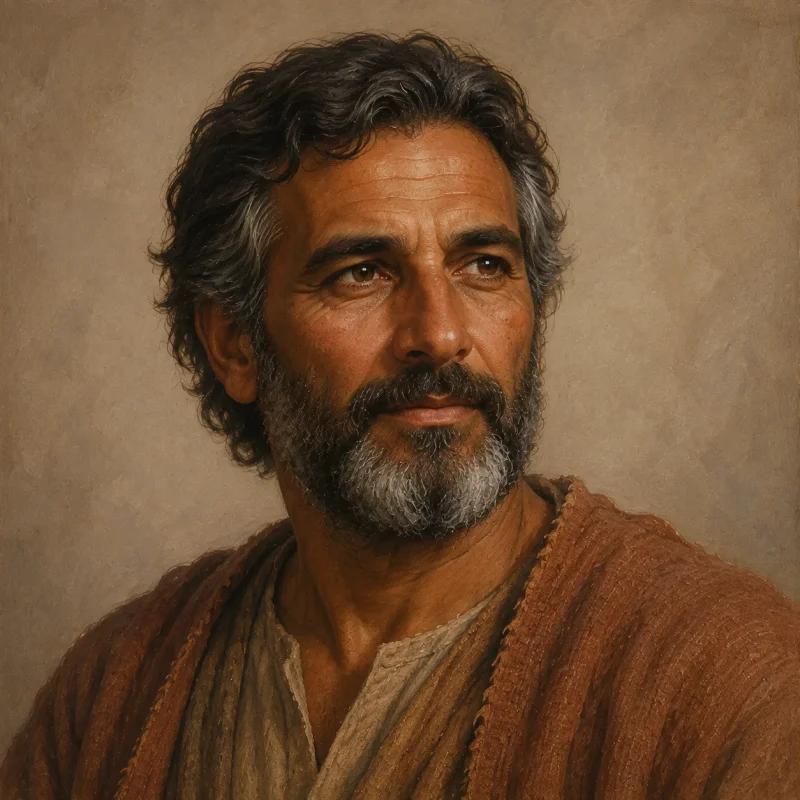 Boaz
Boaz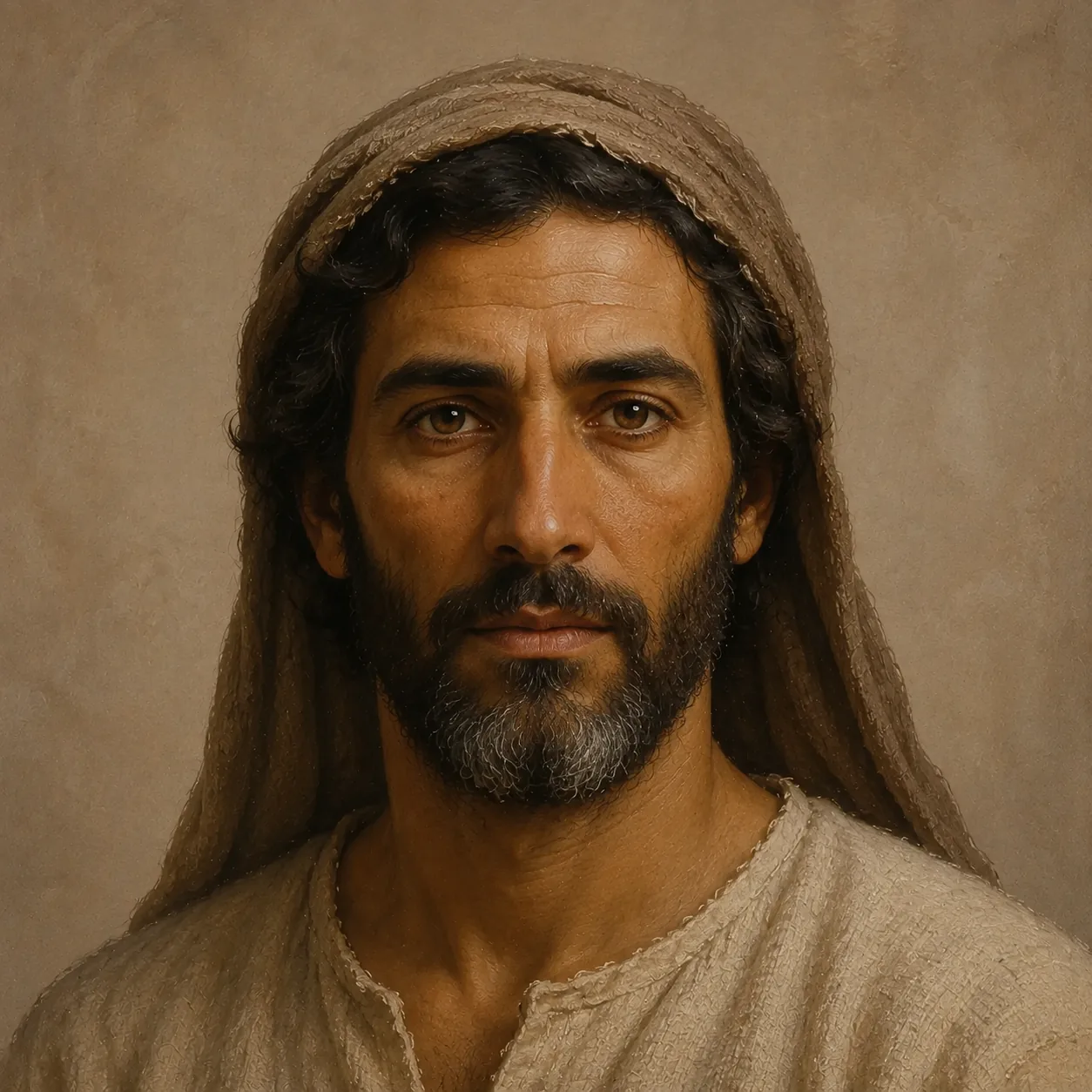 Jacob
Jacob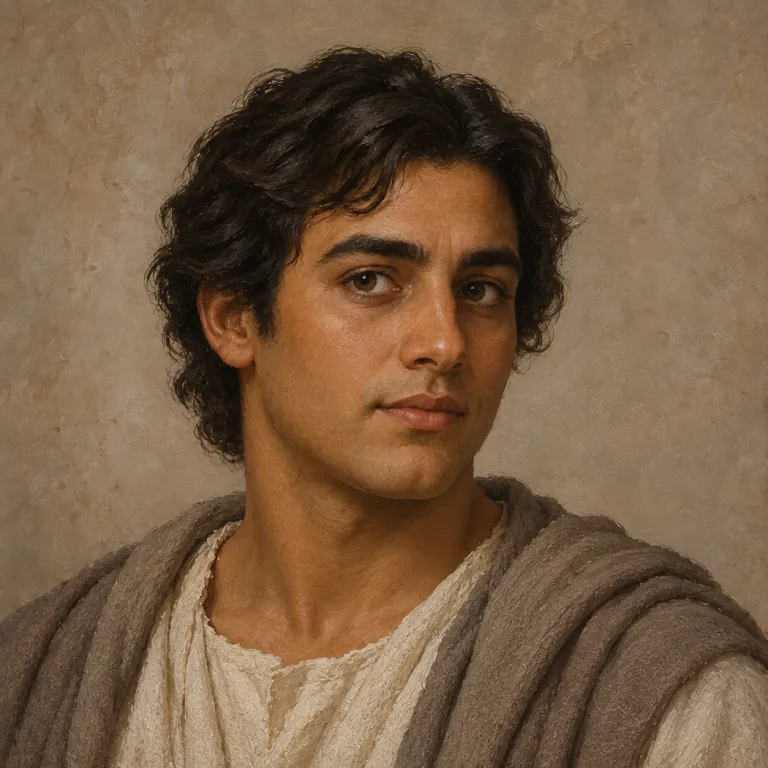 Benjamin
 Bezalel
 David
David Ishmael
 Joab
Joab Joseph (OT)
 Levi
Levi Reuben
 Simeon (Leah’s son)
 Tamar (Judah's daughter-in-law)
Also indexed here: