The Histories · Old Testament
1 Samuel 15
Saul's claim and Samuel's verdict
General context
The text attributes to God a command to destroy Amalek, including children and animals. Saul and the people spare Agag and valuable livestock. When Samuel challenges him, Saul appeals to sacrifice, then admits fearing the people and obeying them. Samuel announces the rejection of Saul's kingship and later kills Agag. The chapter closes with Samuel's mourning and the Lord's regret. The comparison of obedience and sacrifice appears within this violent account of kingship and judgment.
Cited passages: 1 Samuel 15:1, 1 Samuel 15:2, 1 Samuel 15:3, 1 Samuel 15:8, 1 Samuel 15:9, 1 Samuel 15:15, 1 Samuel 15:22, 1 Samuel 15:23, 1 Samuel 15:24, 1 Samuel 15:28, 1 Samuel 15:33, 1 Samuel 15:35
1 Samuel 15 (KJV)
1Samuel also said unto Saul, The Lord sent me to anoint thee to be king over his people, over Israel: now therefore hearken thou unto the voice of the words of the Lord.
2Thus saith the Lord of hosts, I remember that which Amalek did to Israel, how he laid wait for him in the way, when he came up from Egypt.
3Now go and smite Amalek, and utterly destroy all that they have, and spare them not; but slay both man and woman, infant and suckling, ox and sheep, camel and ass.
4And Saul gathered the people together, and numbered them in Telaim, two hundred thousand footmen, and ten thousand men of Judah.
5And Saul came to a city of Amalek, and laid wait in the valley.
6And Saul said unto the Kenites, Go, depart, get you down from among the Amalekites, lest I destroy you with them: for ye shewed kindness to all the children of Israel, when they came up out of Egypt. So the Kenites departed from among the Amalekites.
7And Saul smote the Amalekites from Havilah until thou comest to Shur, that is over against Egypt.
8And he took Agag the king of the Amalekites alive, and utterly destroyed all the people with the edge of the sword.
9But Saul and the people spared Agag, and the best of the sheep, and of the oxen, and of the fatlings, and the lambs, and all that was good, and would not utterly destroy them: but every thing that was vile and refuse, that they destroyed utterly.
10Then came the word of the Lord unto Samuel, saying,
11It repenteth me that I have set up Saul to be king: for he is turned back from following me, and hath not performed my commandments. And it grieved Samuel; and he cried unto the Lord all night.
12And when Samuel rose early to meet Saul in the morning, it was told Samuel, saying, Saul came to Carmel, and, behold, he set him up a place, and is gone about, and passed on, and gone down to Gilgal.
13And Samuel came to Saul: and Saul said unto him, Blessed be thou of the Lord: I have performed the commandment of the Lord.
14And Samuel said, What meaneth then this bleating of the sheep in mine ears, and the lowing of the oxen which I hear?
15And Saul said, They have brought them from the Amalekites: for the people spared the best of the sheep and of the oxen, to sacrifice unto the Lord thy God; and the rest we have utterly destroyed.
16Then Samuel said unto Saul, Stay, and I will tell thee what the Lord hath said to me this night. And he said unto him, Say on.
17And Samuel said, When thou wast little in thine own sight, wast thou not made the head of the tribes of Israel, and the Lord anointed thee king over Israel?
18And the Lord sent thee on a journey, and said, Go and utterly destroy the sinners the Amalekites, and fight against them until they be consumed.
19Wherefore then didst thou not obey the voice of the Lord, but didst fly upon the spoil, and didst evil in the sight of the Lord?
20And Saul said unto Samuel, Yea, I have obeyed the voice of the Lord, and have gone the way which the Lord sent me, and have brought Agag the king of Amalek, and have utterly destroyed the Amalekites.
21But the people took of the spoil, sheep and oxen, the chief of the things which should have been utterly destroyed, to sacrifice unto the Lord thy God in Gilgal.
22And Samuel said, Hath the Lord as great delight in burnt offerings and sacrifices, as in obeying the voice of the Lord? Behold, to obey is better than sacrifice, and to hearken than the fat of rams.
23For rebellion is as the sin of witchcraft, and stubbornness is as iniquity and idolatry. Because thou hast rejected the word of the Lord, he hath also rejected thee from being king.
24And Saul said unto Samuel, I have sinned: for I have transgressed the commandment of the Lord, and thy words: because I feared the people, and obeyed their voice.
25Now therefore, I pray thee, pardon my sin, and turn again with me, that I may worship the Lord.
26And Samuel said unto Saul, I will not return with thee: for thou hast rejected the word of the Lord, and the Lord hath rejected thee from being king over Israel.
27And as Samuel turned about to go away, he laid hold upon the skirt of his mantle, and it rent.
28And Samuel said unto him, The Lord hath rent the kingdom of Israel from thee this day, and hath given it to a neighbour of thine, that is better than thou.
29And also the Strength of Israel will not lie nor repent: for he is not a man, that he should repent.
30Then he said, I have sinned: yet honour me now, I pray thee, before the elders of my people, and before Israel, and turn again with me, that I may worship the Lord thy God.
31So Samuel turned again after Saul; and Saul worshipped the Lord.
32Then said Samuel, Bring ye hither to me Agag the king of the Amalekites. And Agag came unto him delicately. And Agag said, Surely the bitterness of death is past.
33And Samuel said, As thy sword hath made women childless, so shall thy mother be childless among women. And Samuel hewed Agag in pieces before the Lord in Gilgal.
34Then Samuel went to Ramah; and Saul went up to his house to Gibeah of Saul.
35And Samuel came no more to see Saul until the day of his death: nevertheless Samuel mourned for Saul: and the Lord repented that he had made Saul king over Israel.
This page shows the King James Version. In the app, reading opens in the Berean Standard Bible unless you have chosen another translation. The reader includes five translations: the Berean Standard Bible (BSB), the King James Version (KJV), the World English Bible (WEB), the Bible in Basic English (BBE), and the American Standard Version (ASV). Search covers three of them: Berean Standard, King James, and World English. Basic English and American Standard readers search the King James words.
Historical context
Samuel begins by recalling Saul's anointing as king over Israel. The command against Amalek is connected within the account to hostility during Israel's departure from Egypt. The Kenites are allowed to leave because of their earlier kindness to Israel. Samuel's confrontation with Saul takes place at Gilgal, and the closing movements take Samuel to Ramah and Saul to Gibeah. These are the political relationships and locations the chapter itself supplies.
Cited passages: 1 Samuel 15:1, 1 Samuel 15:2, 1 Samuel 15:6, 1 Samuel 15:12, 1 Samuel 15:21, 1 Samuel 15:33, 1 Samuel 15:34
Literary context
Saul's declaration that he has obeyed is immediately challenged by the sound of the spared animals. Dialogue draws out his explanations and Samuel's verdict. The torn mantle becomes a sign of the kingdom being torn from Saul. The Lord's regret is stated before Samuel confronts Saul and repeated at the close, while Samuel also says that the Strength of Israel will not lie or repent. The narration places these statements together, closing with grief rather than resolving their tension in a separate explanation.
Cited passages: 1 Samuel 15:11, 1 Samuel 15:13, 1 Samuel 15:14, 1 Samuel 15:15, 1 Samuel 15:22, 1 Samuel 15:23, 1 Samuel 15:27, 1 Samuel 15:28, 1 Samuel 15:29, 1 Samuel 15:35
Key moments
- What Saul and the people spare (1 Samuel 15:9). Agag and the best of the livestock are spared while what is considered worthless is destroyed.
- Sacrifice is questioned (1 Samuel 15:22). Samuel contrasts offerings with listening to and obeying the voice of the Lord.
- The kingdom is torn away (1 Samuel 15:28). Samuel declares that the kingdom has been torn from Saul and given to a better neighbour.
- The chapter closes in grief (1 Samuel 15:35). Samuel no longer comes to see Saul, yet mourns for him; the narrator again says that the Lord regrets making Saul king.
For reflection
How do Saul's claims, his admission of fear and Samuel's mourning affect your reading of this chapter?
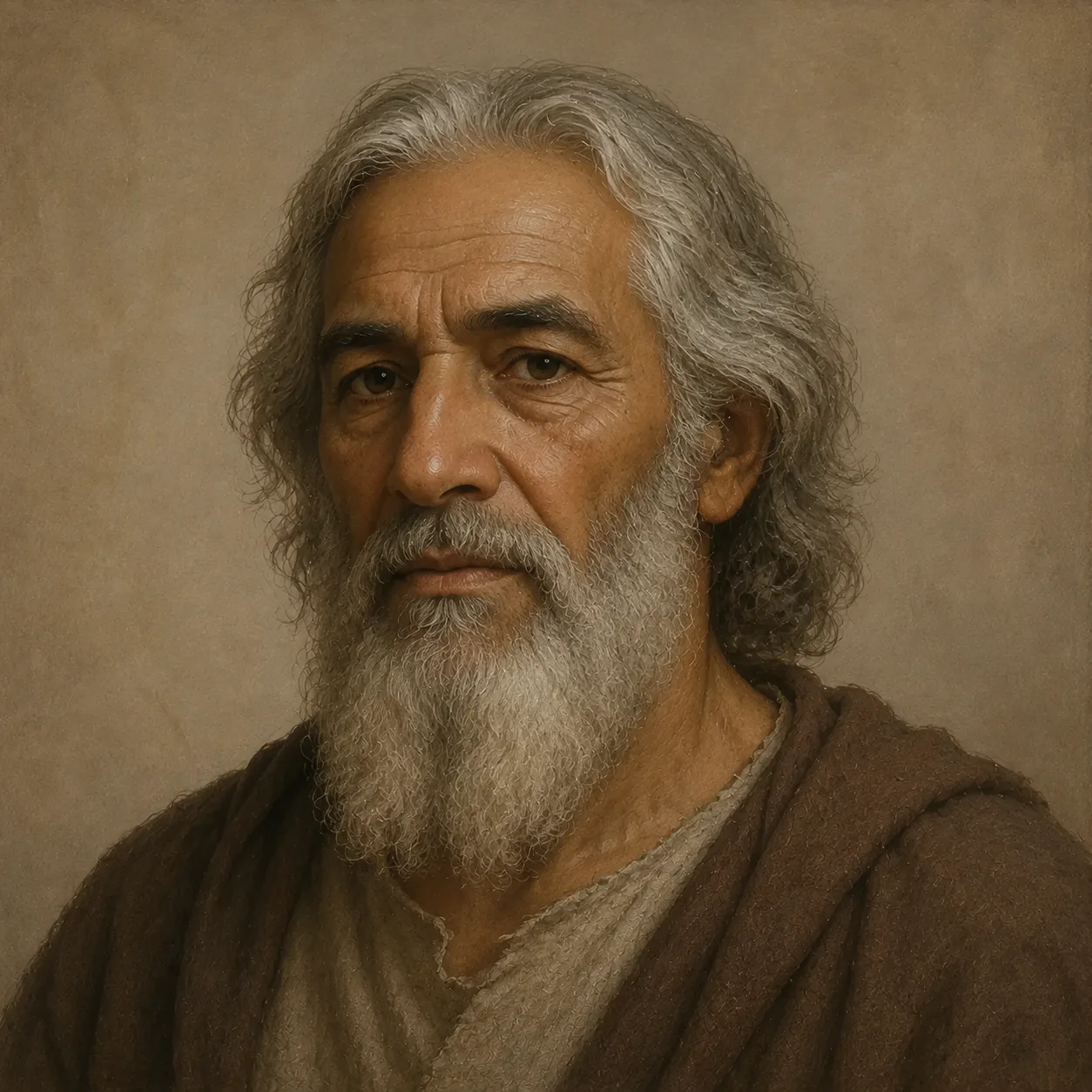
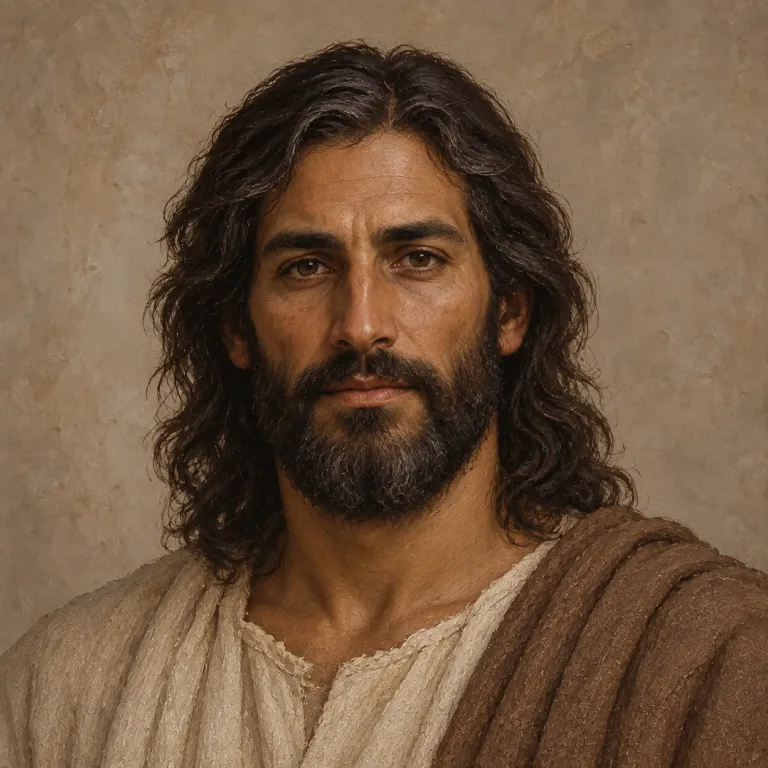
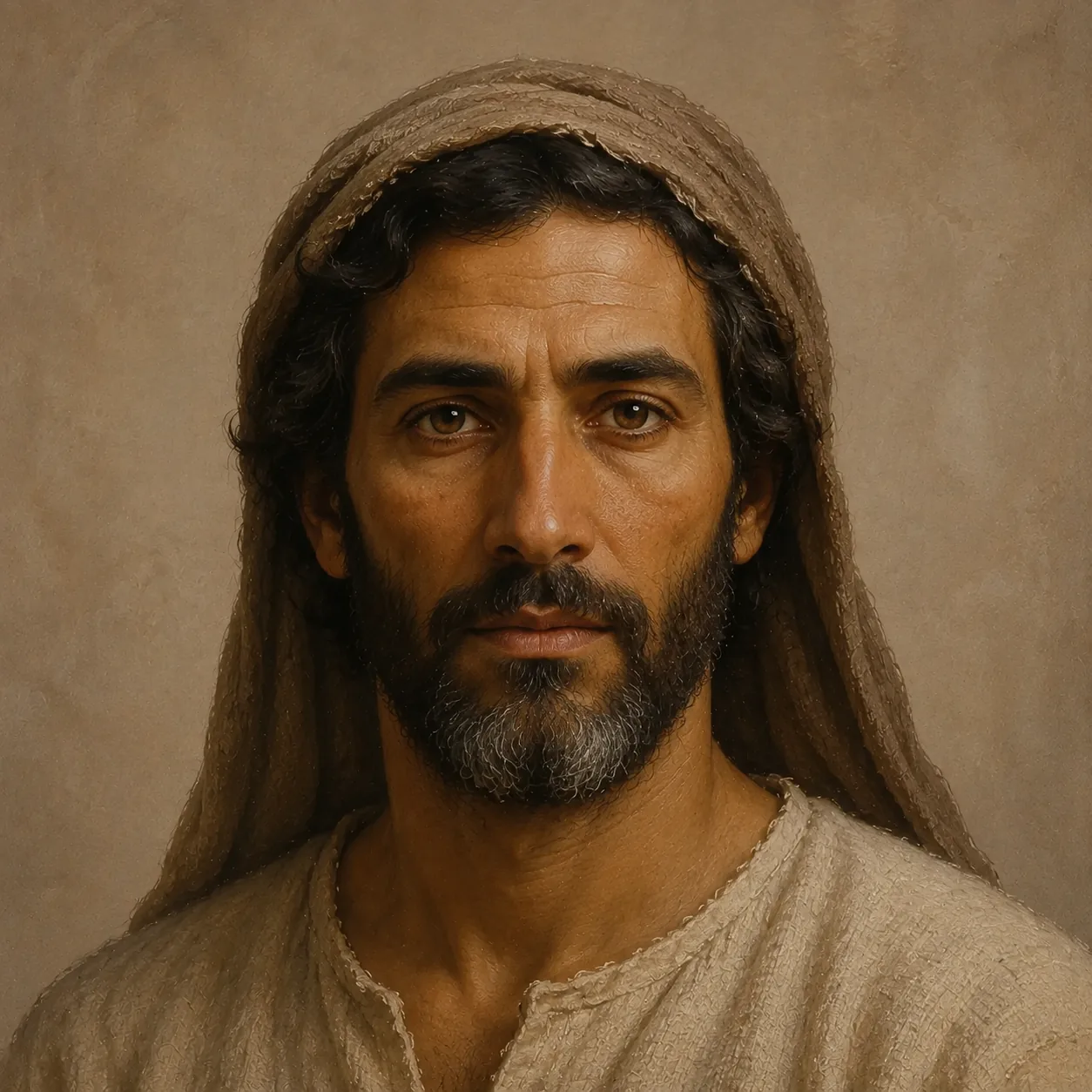
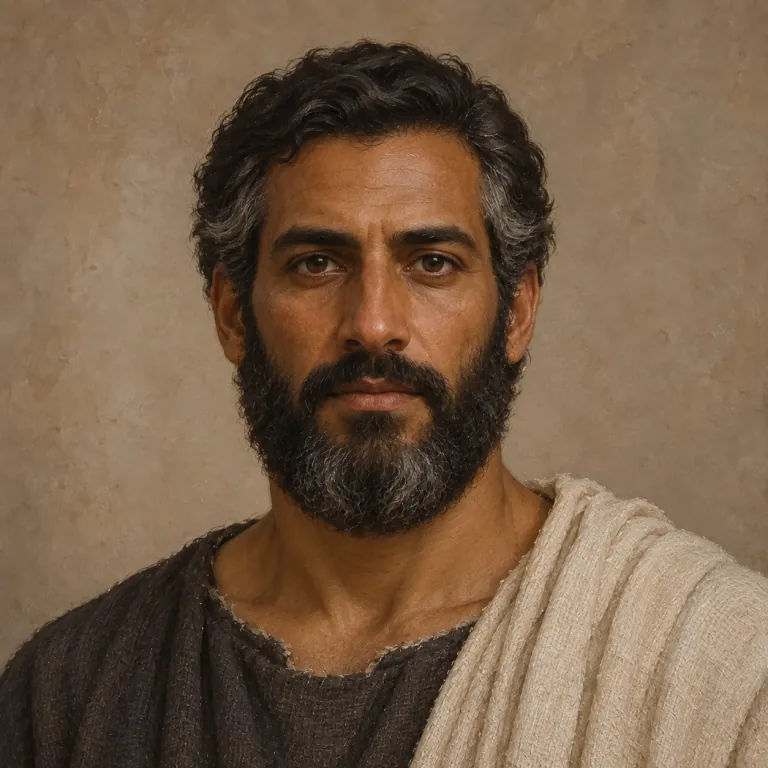
People in this chapter
Also indexed here: