The Histories · Old Testament
1 Samuel 13
Saul offers the sacrifice before Samuel arrives
General context
Jonathan attacks a Philistine garrison, and Israel faces a large enemy mobilization. With men scattering from him at Gilgal, Saul offers the burnt offering before Samuel arrives. Saul explains the military pressure and his wish to seek the Lord's favor. Samuel calls his act disobedience and declares that his kingdom will not continue. The chapter closes with Philistine raiding parties and Israel's severe shortage of swords and spears.
Cited passages: 1 Samuel 13:2, 1 Samuel 13:3, 1 Samuel 13:4, 1 Samuel 13:5, 1 Samuel 13:6, 1 Samuel 13:7, 1 Samuel 13:8, 1 Samuel 13:9, 1 Samuel 13:10, 1 Samuel 13:11, 1 Samuel 13:12, 1 Samuel 13:13, 1 Samuel 13:14, 1 Samuel 13:15, 1 Samuel 13:16, 1 Samuel 13:17, 1 Samuel 13:18, 1 Samuel 13:19, 1 Samuel 13:20, 1 Samuel 13:21, 1 Samuel 13:22, 1 Samuel 13:23
1 Samuel 13 (KJV)
1Saul reigned one year; and when he had reigned two years over Israel,
2Saul chose him three thousand men of Israel; whereof two thousand were with Saul in Michmash and in mount Beth-el, and a thousand were with Jonathan in Gibeah of Benjamin: and the rest of the people he sent every man to his tent.
3And Jonathan smote the garrison of the Philistines that was in Geba, and the Philistines heard of it. And Saul blew the trumpet throughout all the land, saying, Let the Hebrews hear.
4And all Israel heard say that Saul had smitten a garrison of the Philistines, and that Israel also was had in abomination with the Philistines. And the people were called together after Saul to Gilgal.
5And the Philistines gathered themselves together to fight with Israel, thirty thousand chariots, and six thousand horsemen, and people as the sand which is on the sea shore in multitude: and they came up, and pitched in Michmash, eastward from Beth-aven.
6When the men of Israel saw that they were in a strait, (for the people were distressed,) then the people did hide themselves in caves, and in thickets, and in rocks, and in high places, and in pits.
7And some of the Hebrews went over Jordan to the land of Gad and Gilead. As for Saul, he was yet in Gilgal, and all the people followed him trembling.
8And he tarried seven days, according to the set time that Samuel had appointed: but Samuel came not to Gilgal; and the people were scattered from him.
9And Saul said, Bring hither a burnt offering to me, and peace offerings. And he offered the burnt offering.
10And it came to pass, that as soon as he had made an end of offering the burnt offering, behold, Samuel came; and Saul went out to meet him, that he might salute him.
11And Samuel said, What hast thou done? And Saul said, Because I saw that the people were scattered from me, and that thou camest not within the days appointed, and that the Philistines gathered themselves together at Michmash;
12Therefore said I, The Philistines will come down now upon me to Gilgal, and I have not made supplication unto the Lord: I forced myself therefore, and offered a burnt offering.
13And Samuel said to Saul, Thou hast done foolishly: thou hast not kept the commandment of the Lord thy God, which he commanded thee: for now would the Lord have established thy kingdom upon Israel for ever.
14But now thy kingdom shall not continue: the Lord hath sought him a man after his own heart, and the Lord hath commanded him to be captain over his people, because thou hast not kept that which the Lord commanded thee.
15And Samuel arose, and gat him up from Gilgal unto Gibeah of Benjamin. And Saul numbered the people that were present with him, about six hundred men.
16And Saul, and Jonathan his son, and the people that were present with them, abode in Gibeah of Benjamin: but the Philistines encamped in Michmash.
17And the spoilers came out of the camp of the Philistines in three companies: one company turned unto the way that leadeth to Ophrah, unto the land of Shual:
18And another company turned the way to Beth-horon: and another company turned to the way of the border that looketh to the valley of Zeboim toward the wilderness.
19Now there was no smith found throughout all the land of Israel: for the Philistines said, Lest the Hebrews make them swords or spears:
20But all the Israelites went down to the Philistines, to sharpen every man his share, and his coulter, and his axe, and his mattock.
21Yet they had a file for the mattocks, and for the coulters, and for the forks, and for the axes, and to sharpen the goads.
22So it came to pass in the day of battle, that there was neither sword nor spear found in the hand of any of the people that were with Saul and Jonathan: but with Saul and with Jonathan his son was there found.
23And the garrison of the Philistines went out to the passage of Michmash.
This page shows the King James Version. In the app, reading opens in the Berean Standard Bible unless you have chosen another translation. The reader includes five translations: the Berean Standard Bible (BSB), the King James Version (KJV), the World English Bible (WEB), the Bible in Basic English (BBE), and the American Standard Version (ASV). Search covers three of them: Berean Standard, King James, and World English. Basic English and American Standard readers search the King James words.
Historical context
Gilgal is the place of Saul's waiting and sacrifice; the Philistines gather at Michmash. The account describes Israel's dependence on Philistine smiths and says that only Saul and Jonathan have swords or spears among the men with them. The opening verse differs sharply across translations: KJV begins with a year of Saul's reign, ASV supplies an age of forty, and BBE leaves the verse unfilled. It should not be used to assert a settled age for Saul.
Cited passages: 1 Samuel 13:1, 1 Samuel 13:5, 1 Samuel 13:6, 1 Samuel 13:7, 1 Samuel 13:8, 1 Samuel 13:9, 1 Samuel 13:10, 1 Samuel 13:15, 1 Samuel 13:16, 1 Samuel 13:17, 1 Samuel 13:18, 1 Samuel 13:19, 1 Samuel 13:20, 1 Samuel 13:21, 1 Samuel 13:22, 1 Samuel 13:23
Literary context
The pressure of a scattering army frames Saul's explanation, but Samuel evaluates his conduct by the command he received. The declaration that the kingdom will not continue interrupts a story of urgent military need. The closing inventory of limited weapons leaves Israel's weakness before the reader rather than resolving the battle within this chapter.
Cited passages: 1 Samuel 13:6, 1 Samuel 13:7, 1 Samuel 13:8, 1 Samuel 13:9, 1 Samuel 13:10, 1 Samuel 13:11, 1 Samuel 13:12, 1 Samuel 13:13, 1 Samuel 13:14, 1 Samuel 13:19, 1 Samuel 13:20, 1 Samuel 13:21, 1 Samuel 13:22, 1 Samuel 13:23
Key moments
- Jonathan strikes the garrison (1 Samuel 13:3). Jonathan attacks at Geba, and Saul sounds a trumpet through the land.
- Saul offers the burnt offering (1 Samuel 13:9). He proceeds with the sacrifice while Samuel has not yet arrived.
- Samuel announces the consequence (1 Samuel 13:14). Samuel says the kingdom will not continue because Saul has not kept the command.
- A shortage of weapons (1 Samuel 13:22). Only Saul and Jonathan have a sword or spear among the men described.
For reflection
How does Saul's explanation differ from Samuel's judgment of his action? Read the pressure he faced alongside the instruction he was expected to keep.
People in this chapter
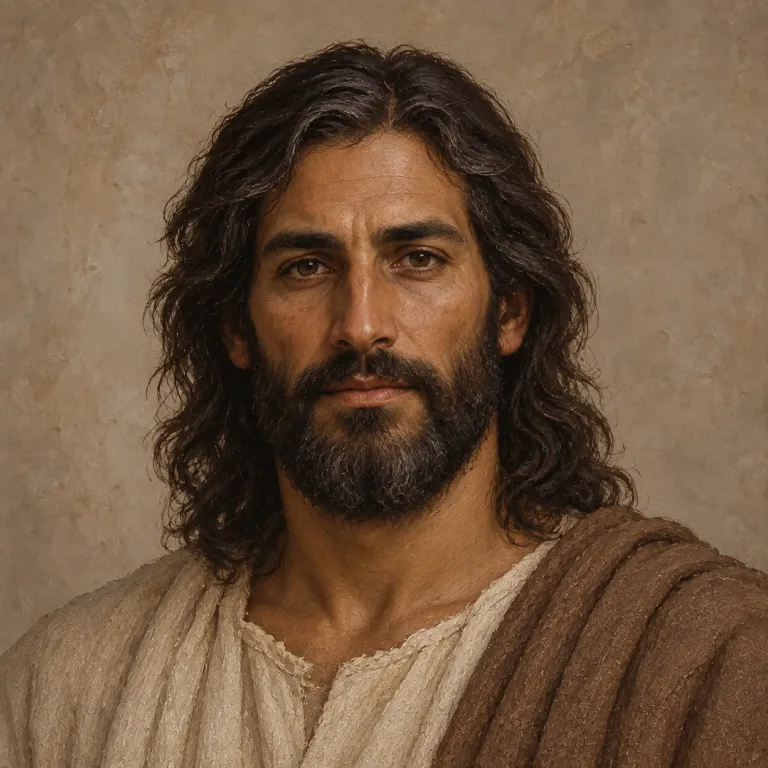
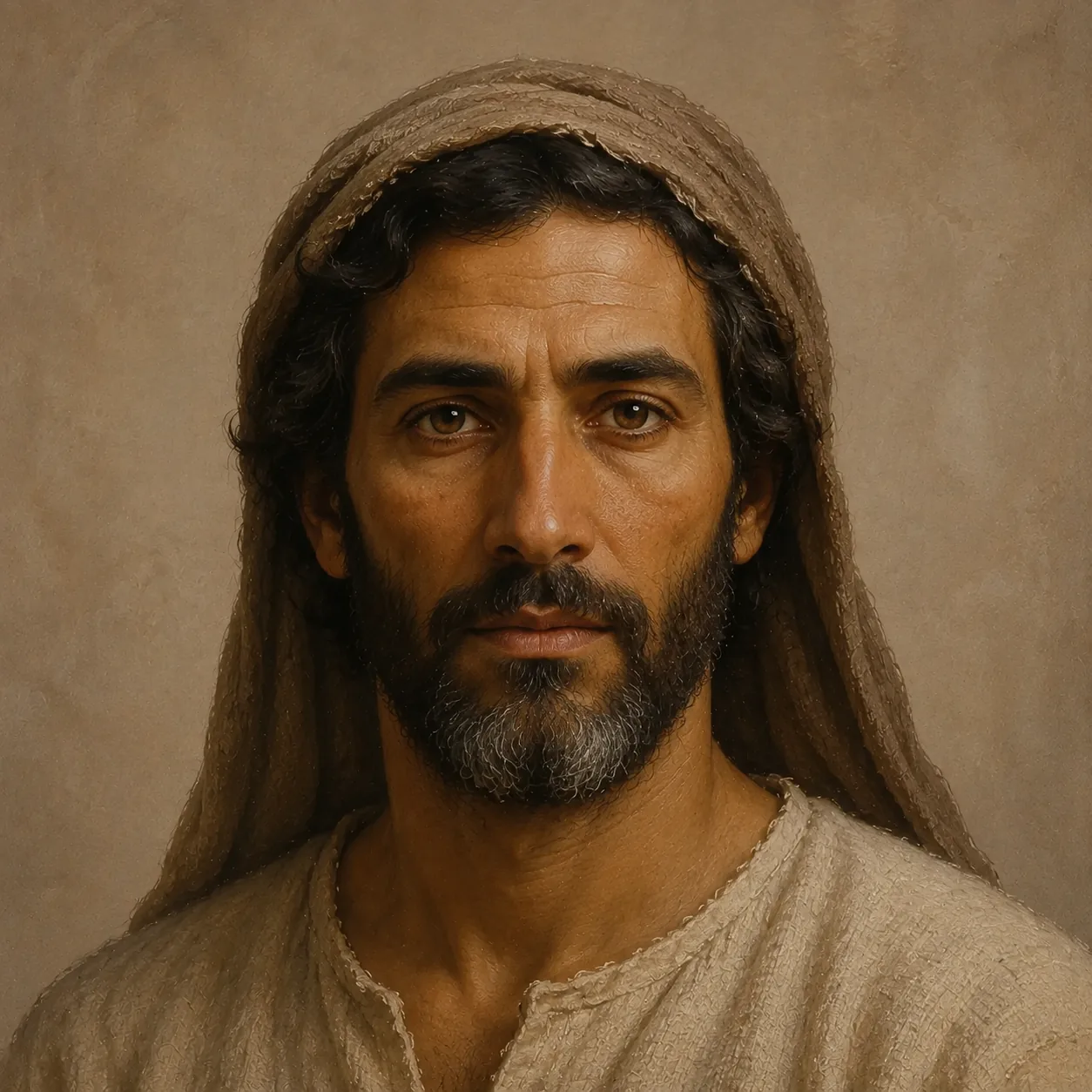
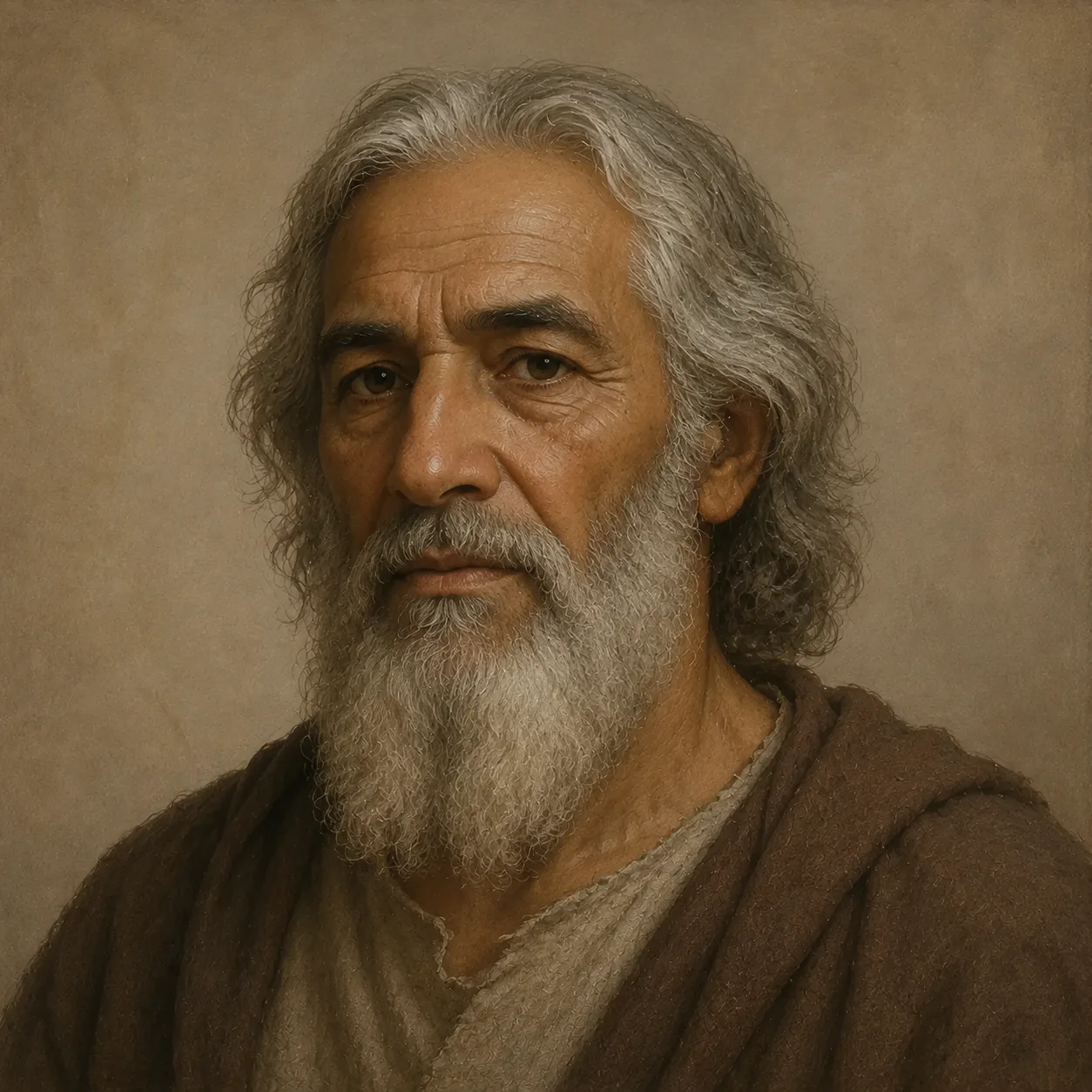
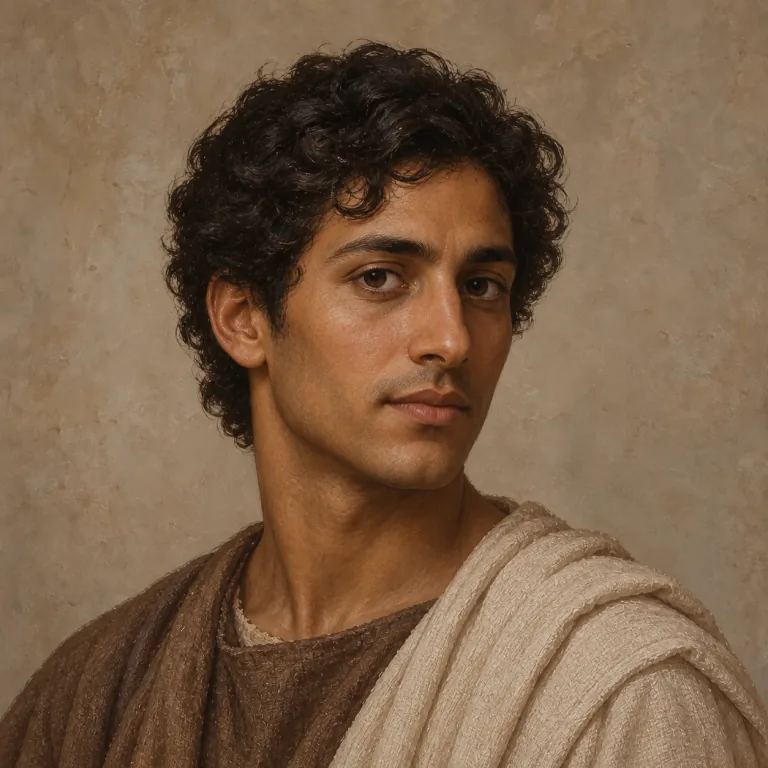
Also indexed here: