Person in the Old Testament
Mahlah
Mahlah: sharing the petition for Zelophehad's inheritance
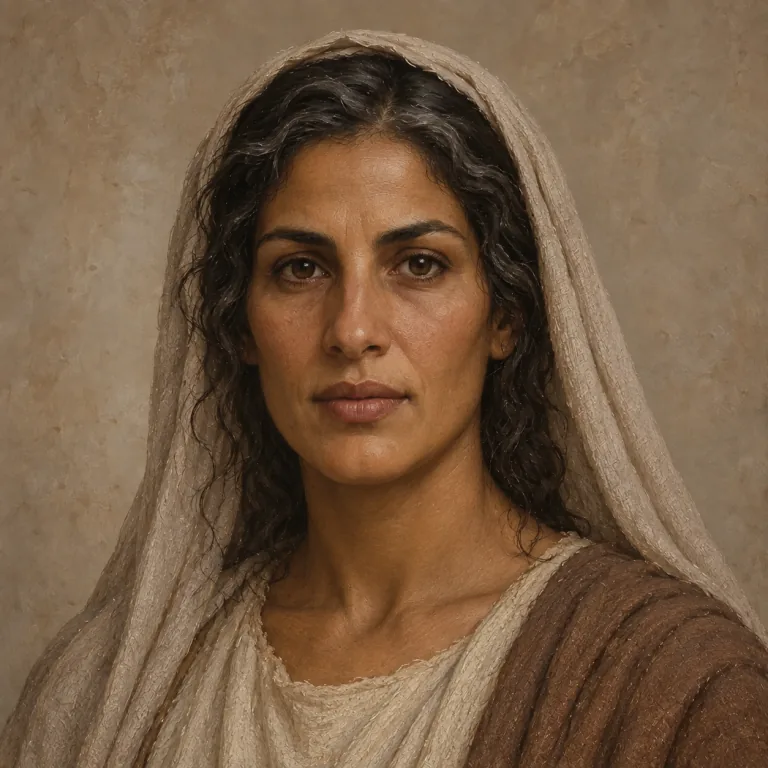
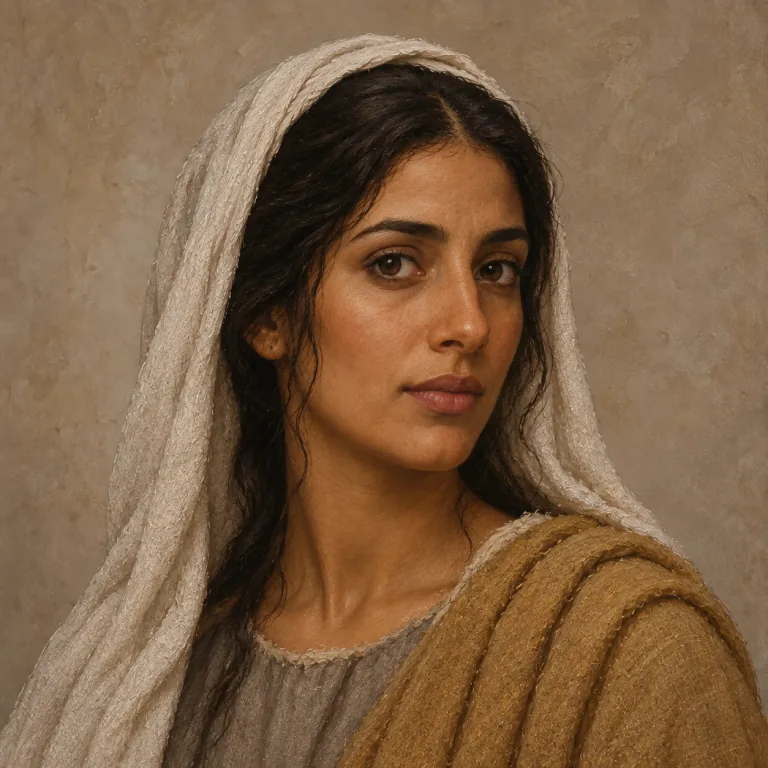
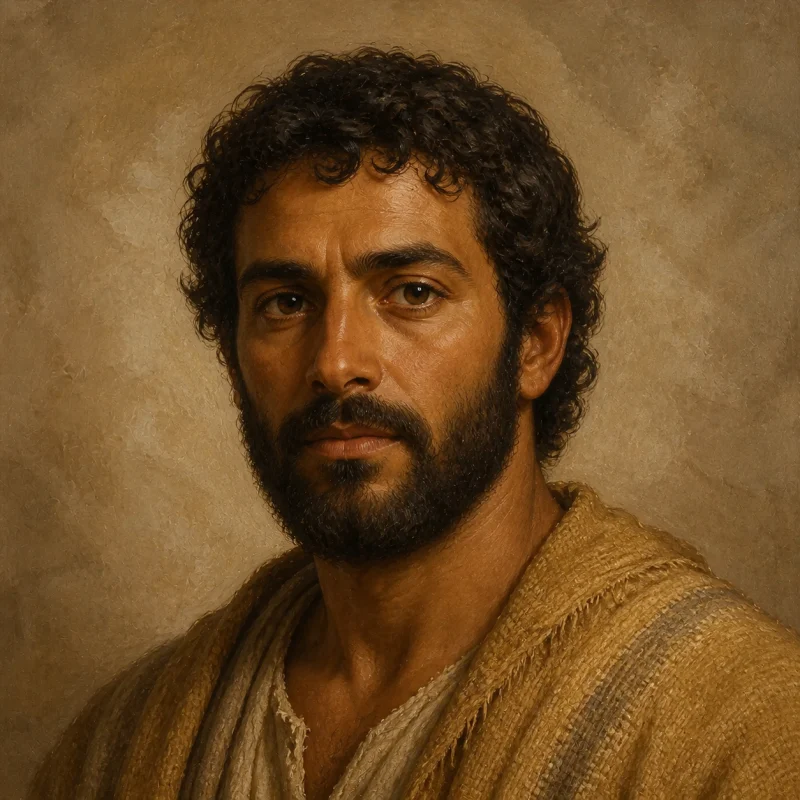
Portrait: an AI-generated artistic interpretation, not evidence of how Mahlah looked.
Who Mahlah is
Mahlah is one of Zelophehad's five daughters, with Noah, Hoglah, Milcah and Tirzah. Their father has no sons. Together they stand before Moses, Eleazar, the leaders and congregation and ask for a possession among their father's relatives, so his name will not disappear from the family. Moses brings their case before the Lord, who says they speak rightly and orders the inheritance to pass to them. Joshua later names the five women again when they appeal to that command and receive an inheritance among their father's brothers.
Cited passages: Numbers 26:33, Numbers 27:1, Numbers 27:2, Numbers 27:3, Numbers 27:4, Numbers 27:5, Numbers 27:6, Numbers 27:7, Joshua 17:3, Joshua 17:4, Joshua 17:5, Joshua 17:6
Historical setting
Mahlah belongs to the Manasseh family traced through Zelophehad, Hepher, Gilead and Machir. The ruling prompted by the petition places a daughter after a son in the inheritance sequence when a man dies without a son. Numbers 36 then addresses the tribe's concern about land passing elsewhere through marriage. The daughters may choose husbands within their father's tribal family, and Mahlah is named among those who marry their paternal cousins. The text supplies no individual husband's name or separate marriage account for her.
Cited passages: Numbers 27:1, Numbers 27:7, Numbers 27:8, Numbers 27:9, Numbers 27:10, Numbers 27:11, Numbers 36:1, Numbers 36:2, Numbers 36:3, Numbers 36:4, Numbers 36:5, Numbers 36:6, Numbers 36:7, Numbers 36:8, Numbers 36:9, Numbers 36:10, Numbers 36:11, Numbers 36:12
How the story is told
Mahlah stands first in the lists of the sisters in Numbers and Joshua, but the speeches are recorded as the daughters' shared words. List order does not establish that she alone led or spoke for them. Their case moves from a named family's request to a rule for other households and then to an account of its implementation. Her presence is preserved through all those stages without a separate personal biography.
Cited passages: Numbers 26:33, Numbers 27:1, Numbers 27:2, Numbers 27:3, Numbers 27:4, Numbers 27:5, Numbers 27:6, Numbers 27:7, Numbers 27:8, Numbers 27:9, Numbers 27:10, Numbers 27:11, Numbers 36:10, Numbers 36:11, Numbers 36:12, Joshua 17:3, Joshua 17:4, Joshua 17:5, Joshua 17:6
Story moments
- Mahlah is named (Numbers 26:33). The census names Mahlah among Zelophehad's five daughters.
- The petition is affirmed (Numbers 27:7). The Lord affirms the daughters' request and orders an inheritance for them.
- The inheritance is given (Joshua 17:4). The sisters invoke the command given to Moses and receive the promised share.
Key passages
Numbers 26:33
And Zelophehad the son of Hepher had no sons, but daughters: and the names of the daughters of Zelophehad were Mahlah, and Noah, Hoglah, Milcah, and Tirzah.
Numbers 27:1
Then came the daughters of Zelophehad, the son of Hepher, the son of Gilead, the son of Machir, the son of Manasseh, of the families of Manasseh the son of Joseph: and these are the names of his daughters; Mahlah, Noah, and Hoglah, and Milcah, and Tirzah.
Numbers 36:11
For Mahlah, Tirzah, and Hoglah, and Milcah, and Noah, the daughters of Zelophehad, were married unto their father’s brothers’ sons:
Joshua 17:3
But Zelophehad, the son of Hepher, the son of Gilead, the son of Machir, the son of Manasseh, had no sons, but daughters: and these are the names of his daughters, Mahlah, and Noah, Hoglah, Milcah, and Tirzah.
King James Version. 4 indexed passages in total.
For reflection
How does the repeated naming of each sister affect your reading of a petition voiced together? What would be lost by treating it only as an abstract inheritance rule?
Books Mahlah appears in
Related people
Names and references are adapted from STEPBible TIPNR. A person listed with a verse is named or indexed there; it does not mean they wrote or spoke it.