Person in the Old Testament
Noah (Zelophehad's daughter)
Noah: Zelophehad's daughter and an inheritor in Manasseh
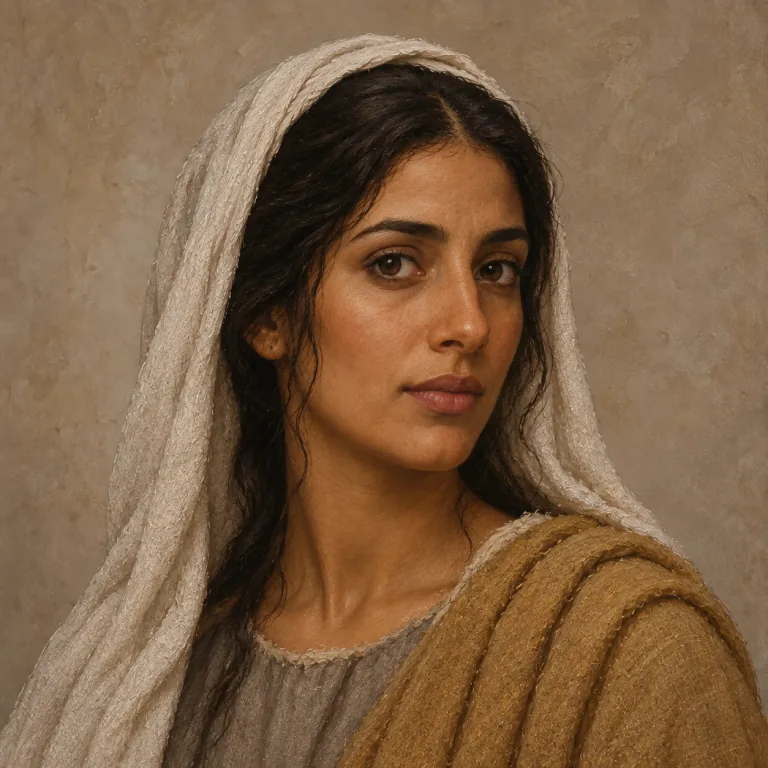
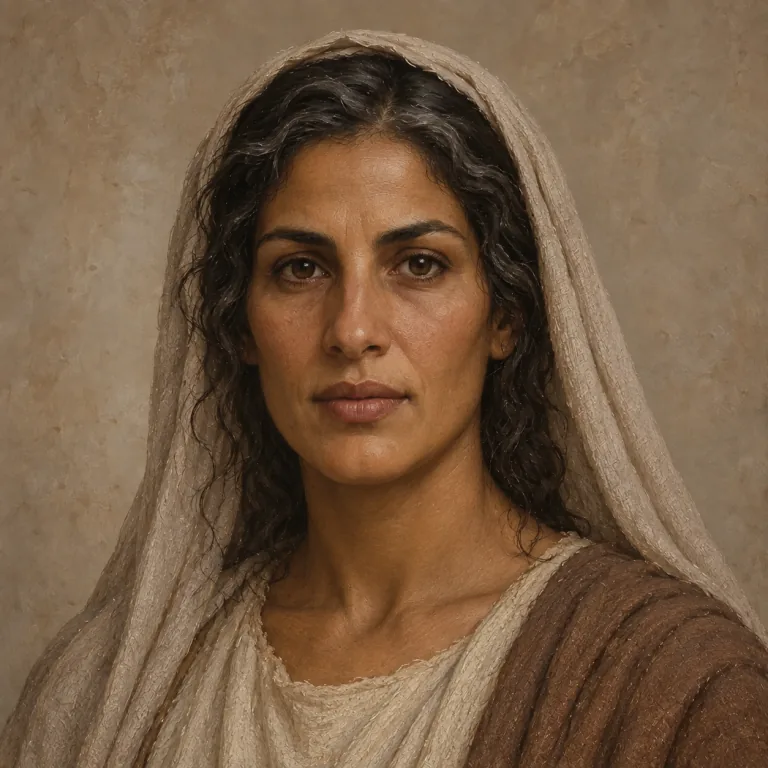
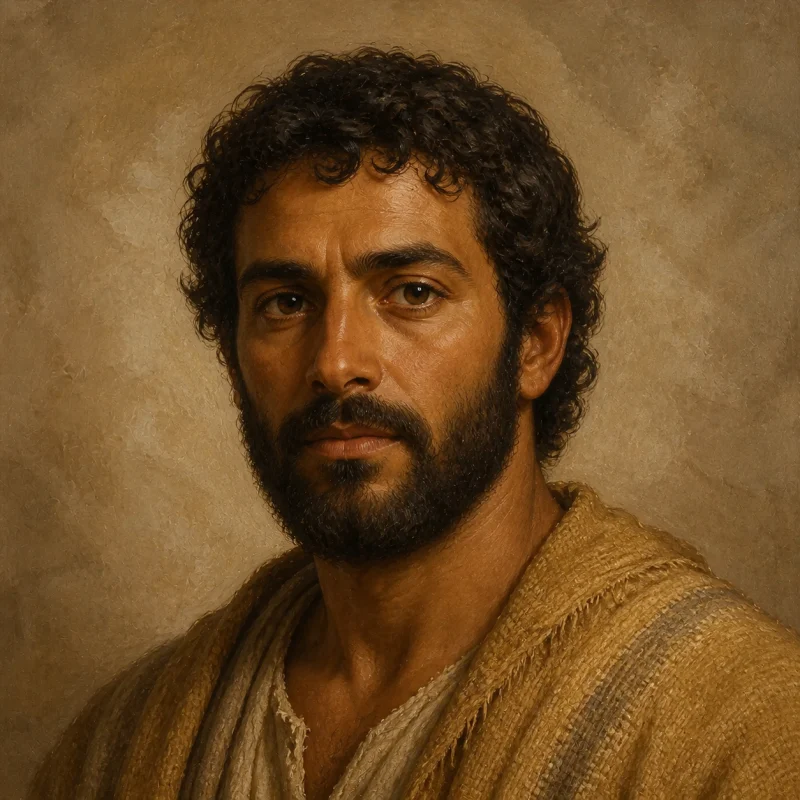
Portrait: an AI-generated artistic interpretation, not evidence of how Noah looked.
Who Noah is
Noah is a daughter of Zelophehad in the tribe of Manasseh. She is named with Mahlah, Hoglah, Milcah and Tirzah in the family census. Because their father died without sons, the five ask Moses for a possession among his relatives. They describe his death as in his own sin and distinguish him from Korah's company. The Lord affirms their request, and a rule is given for a daughter to inherit when there is no son. In Joshua, Noah is named again among the sisters who present the earlier command and receive the inheritance.
Cited passages: Numbers 26:33, Numbers 27:1, Numbers 27:2, Numbers 27:3, Numbers 27:4, Numbers 27:5, Numbers 27:6, Numbers 27:7, Numbers 27:8, Joshua 17:3, Joshua 17:4, Joshua 17:5, Joshua 17:6
Historical setting
Noah's identity here is fixed by her father Zelophehad and the lineage through Hepher, Gilead and Machir to Manasseh. A later concern about marriage transferring land to another tribe leads to a restriction: land-inheriting daughters must marry within their father's tribal family. Numbers reports that Noah and her sisters marry their father's brothers' sons and keep the inheritance within Manasseh. It does not name Noah's husband or describe her individual choice among the eligible men.
Cited passages: Numbers 27:1, Numbers 36:1, Numbers 36:2, Numbers 36:3, Numbers 36:4, Numbers 36:5, Numbers 36:6, Numbers 36:7, Numbers 36:8, Numbers 36:9, Numbers 36:10, Numbers 36:11, Numbers 36:12, Joshua 17:3
How the story is told
The repeated family list carries Noah from census to petition, marriage report and land allocation. The petition and later appeal are collective speech; neither gives her a separate set of words. The story connects a father's threatened loss of name with the daughters' recognized place in the inheritance. Reading those stages together keeps both the granted claim and the later condition on marriage in view.
Cited passages: Numbers 26:33, Numbers 27:1, Numbers 27:2, Numbers 27:3, Numbers 27:4, Numbers 27:5, Numbers 27:6, Numbers 27:7, Numbers 36:6, Numbers 36:7, Numbers 36:8, Numbers 36:9, Numbers 36:10, Numbers 36:11, Numbers 36:12, Joshua 17:3, Joshua 17:4, Joshua 17:5, Joshua 17:6
Story moments
- Noah in the family list (Numbers 26:33). Noah is named as one of Zelophehad's daughters.
- A claim among the relatives (Numbers 27:4). The sisters ask for a possession so their father's name will not disappear from his family.
- Noah named at the allocation (Joshua 17:3). Joshua names Noah with her sisters immediately before reporting their renewed appeal and inheritance.
Key passages
Numbers 26:33
And Zelophehad the son of Hepher had no sons, but daughters: and the names of the daughters of Zelophehad were Mahlah, and Noah, Hoglah, Milcah, and Tirzah.
Numbers 27:1
Then came the daughters of Zelophehad, the son of Hepher, the son of Gilead, the son of Machir, the son of Manasseh, of the families of Manasseh the son of Joseph: and these are the names of his daughters; Mahlah, Noah, and Hoglah, and Milcah, and Tirzah.
Numbers 36:11
For Mahlah, Tirzah, and Hoglah, and Milcah, and Noah, the daughters of Zelophehad, were married unto their father’s brothers’ sons:
Joshua 17:3
But Zelophehad, the son of Hepher, the son of Gilead, the son of Machir, the son of Manasseh, had no sons, but daughters: and these are the names of his daughters, Mahlah, and Noah, Hoglah, Milcah, and Tirzah.
King James Version. 4 indexed passages in total.
For reflection
How do the family's name, the daughters' request and the land remain connected across these passages? How does the later marriage condition shape the grant?
Books Noah appears in
Related people
Names and references are adapted from STEPBible TIPNR. A person listed with a verse is named or indexed there; it does not mean they wrote or spoke it.