The Gospels · New Testament
Matthew 10
Matthew 10: the twelve named and the instructions for their sending
General context
Jesus calls his twelve disciples and gives them power over unclean spirits and to heal. The narrator then lists the names of the twelve apostles in pairs, from Simon called Peter to Judas Iscariot. Jesus sends them out with instructions: not to the Gentiles or the Samaritans but to the lost sheep of the house of Israel, preaching that the kingdom of heaven is at hand, healing and raising and casting out, and giving freely what they received freely. They are to carry no money, bag, spare coat, shoes or staff, to find a worthy host in each town, to leave peace on a worthy house and take it back from an unworthy one, and to shake off the dust where they are not received. The instructions turn to danger: sheep among wolves, councils and scourgings, governors and kings, words given in the hour, and families divided. He tells them not to fear those who kill the body, points to sparrows and counted hairs, and speaks of confessing and denying him before men. He says he came to send a sword rather than peace, sets love of family against worthiness, and closes with rewards for those who receive a prophet, a righteous man, or a little one given a cup of cold water.
Cited passages: Matthew 10:1, Matthew 10:2, Matthew 10:3, Matthew 10:4, Matthew 10:5, Matthew 10:6, Matthew 10:8, Matthew 10:9, Matthew 10:11, Matthew 10:14, Matthew 10:16, Matthew 10:17, Matthew 10:19, Matthew 10:21, Matthew 10:28, Matthew 10:29, Matthew 10:32, Matthew 10:34, Matthew 10:37, Matthew 10:42
Matthew 10 (KJV)
1And when he had called unto him his twelve disciples, he gave them power against unclean spirits, to cast them out, and to heal all manner of sickness and all manner of disease.
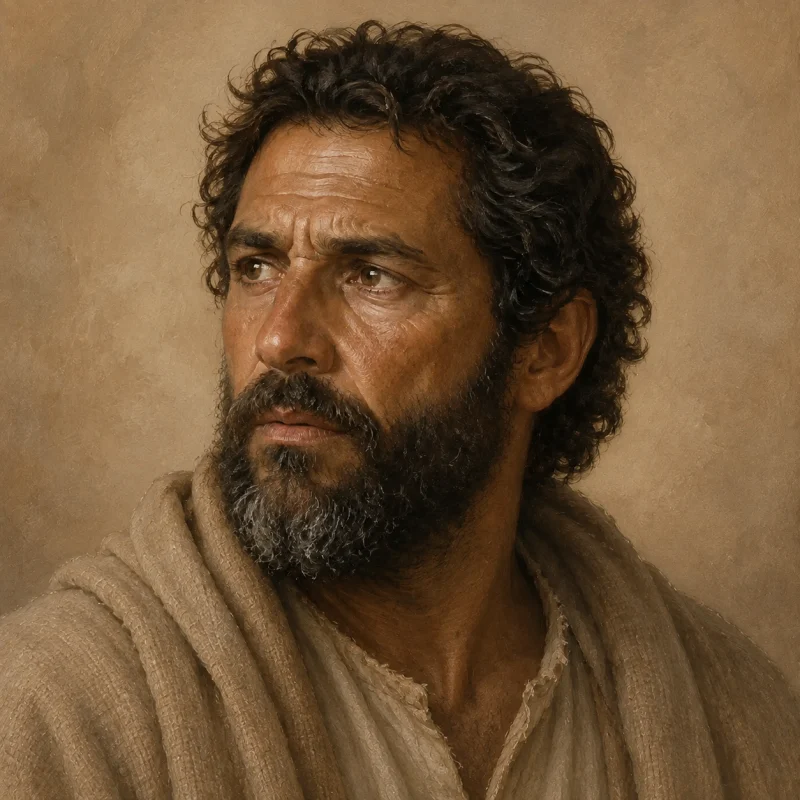
2Now the names of the twelve apostles are these; The first, Simon, who is called Peter, and Andrew his brother; James the son of Zebedee, and John his brother;
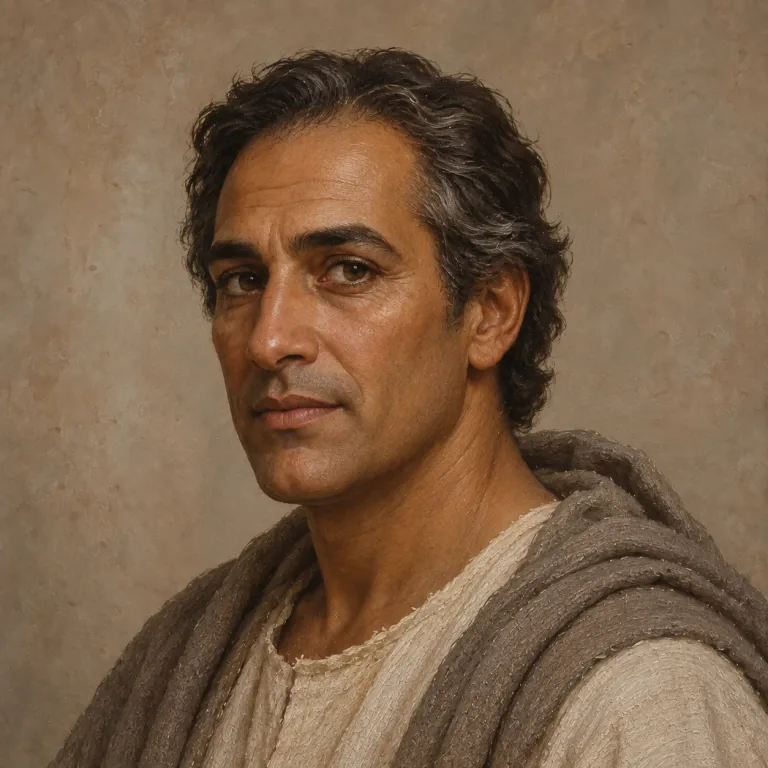
3Philip, and Bartholomew; Thomas, and Matthew the publican; James the son of Alphaeus, and Lebbaeus, whose surname was Thaddaeus;
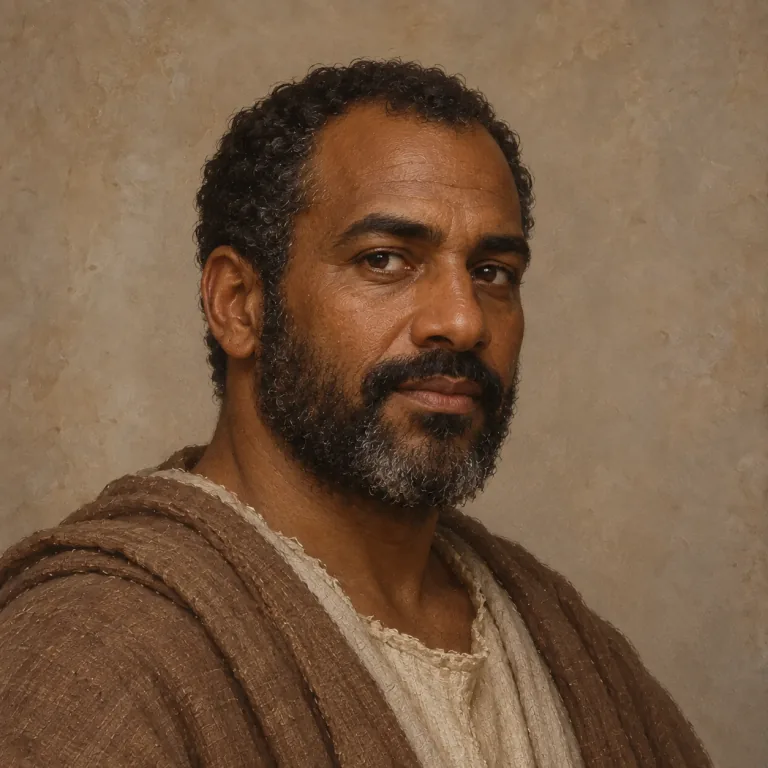
4Simon the Canaanite, and Judas Iscariot, who also betrayed him.
5These twelve Jesus sent forth, and commanded them, saying, Go not into the way of the Gentiles, and into any city of the Samaritans enter ye not:
6But go rather to the lost sheep of the house of Israel.
7And as ye go, preach, saying, The kingdom of heaven is at hand.
8Heal the sick, cleanse the lepers, raise the dead, cast out devils: freely ye have received, freely give.
9Provide neither gold, nor silver, nor brass in your purses,
10Nor scrip for your journey, neither two coats, neither shoes, nor yet staves: for the workman is worthy of his meat.
11And into whatsoever city or town ye shall enter, enquire who in it is worthy; and there abide till ye go thence.
12And when ye come into an house, salute it.
13And if the house be worthy, let your peace come upon it: but if it be not worthy, let your peace return to you.
14And whosoever shall not receive you, nor hear your words, when ye depart out of that house or city, shake off the dust of your feet.
15Verily I say unto you, It shall be more tolerable for the land of Sodom and Gomorrha in the day of judgment, than for that city.
16Behold, I send you forth as sheep in the midst of wolves: be ye therefore wise as serpents, and harmless as doves.
17But beware of men: for they will deliver you up to the councils, and they will scourge you in their synagogues;
18And ye shall be brought before governors and kings for my sake, for a testimony against them and the Gentiles.
19But when they deliver you up, take no thought how or what ye shall speak: for it shall be given you in that same hour what ye shall speak.
20For it is not ye that speak, but the Spirit of your Father which speaketh in you.
21And the brother shall deliver up the brother to death, and the father the child: and the children shall rise up against their parents, and cause them to be put to death.
22And ye shall be hated of all men for my name’s sake: but he that endureth to the end shall be saved.
23But when they persecute you in this city, flee ye into another: for verily I say unto you, Ye shall not have gone over the cities of Israel, till the Son of man be come.
24The disciple is not above his master, nor the servant above his lord.
25It is enough for the disciple that he be as his master, and the servant as his lord. If they have called the master of the house Beelzebub, how much more shall they call them of his household?
26Fear them not therefore: for there is nothing covered, that shall not be revealed; and hid, that shall not be known.
27What I tell you in darkness, that speak ye in light: and what ye hear in the ear, that preach ye upon the housetops.
28And fear not them which kill the body, but are not able to kill the soul: but rather fear him which is able to destroy both soul and body in hell.
29Are not two sparrows sold for a farthing? and one of them shall not fall on the ground without your Father.
30But the very hairs of your head are all numbered.
31Fear ye not therefore, ye are of more value than many sparrows.
32Whosoever therefore shall confess me before men, him will I confess also before my Father which is in heaven.
33But whosoever shall deny me before men, him will I also deny before my Father which is in heaven.
34Think not that I am come to send peace on earth: I came not to send peace, but a sword.
35For I am come to set a man at variance against his father, and the daughter against her mother, and the daughter in law against her mother in law.
36And a man’s foes shall be they of his own household.
37He that loveth father or mother more than me is not worthy of me: and he that loveth son or daughter more than me is not worthy of me.
38And he that taketh not his cross, and followeth after me, is not worthy of me.
39He that findeth his life shall lose it: and he that loseth his life for my sake shall find it.
40He that receiveth you receiveth me, and he that receiveth me receiveth him that sent me.
41He that receiveth a prophet in the name of a prophet shall receive a prophet’s reward; and he that receiveth a righteous man in the name of a righteous man shall receive a righteous man’s reward.
42And whosoever shall give to drink unto one of these little ones a cup of cold water only in the name of a disciple, verily I say unto you, he shall in no wise lose his reward.
This page shows the King James Version. In the app, reading opens in the Berean Standard Bible unless you have chosen another translation. The reader includes five translations: the Berean Standard Bible (BSB), the King James Version (KJV), the World English Bible (WEB), the Bible in Basic English (BBE), and the American Standard Version (ASV). Search covers three of them: Berean Standard, King James, and World English. Basic English and American Standard readers search the King James words.
Historical context
The list of twelve is arranged in pairs joined by and. Two men named Simon appear, Simon who is called Peter and Simon the Canaanite, and two named James, the son of Zebedee and the son of Alpheus, so the text itself keeps the namesakes apart by patronymic or epithet. Matthew is listed as Matthew the publican, the only occupation attached to a name in the list. One apostle is given two names in the same clause, Lebbeus, whose surname was Thaddeus. The narrator identifies Judas Iscariot as the one who also betrayed him, a note placed before anything in the story has happened. The chapter records the instructions but not the journey: no town is named, no result is reported, and the narrator's closing sentence in 11:1 says only that Jesus finished commanding and went on to teach and preach. The text gives no dates and no length for the mission.
Cited passages: Matthew 10:2, Matthew 10:3, Matthew 10:4, Matthew 10:5, Matthew 10:6, Matthew 10:18, Matthew 10:23, Matthew 11:1
Literary context
The chapter opens as a roster and turns into a speech that never comes back to the narrator. After the list, the instructions move outward in time. First the practical rules for a journey, then what will happen in councils and before governors, then a stretch about fear that repeats the command three times, fear them not, fear not them, fear ye not therefore. Sheep appear at both ends of the sending, the lost sheep the twelve are sent to and the sheep among wolves they are said to become. The last section works by matched opposites: confess and deny, find a life and lose it, receive and be rewarded. The unit shrinks as it closes, from prophet to righteous man to one of these little ones and a cup of cold water.
Cited passages: Matthew 10:6, Matthew 10:16, Matthew 10:26, Matthew 10:28, Matthew 10:31, Matthew 10:32, Matthew 10:33, Matthew 10:39, Matthew 10:40, Matthew 10:41, Matthew 10:42
Key moments
- The twelve given power (Matthew 10:1). Jesus calls the twelve and gives them authority over unclean spirits and sickness.
- The names listed (Matthew 10:2). The narrator lists the twelve apostles in pairs, beginning with Simon called Peter.
- Where not to go (Matthew 10:5). Jesus restricts the mission from Gentiles and Samaritans to Israel.
- Travel without provision (Matthew 10:9). The twelve are told to take no money, bag, spare coat, shoes or staff.
- Sheep among wolves (Matthew 10:16). Jesus describes the sending as sheep sent among wolves.
- Sparrows and hairs (Matthew 10:29). Jesus sets a farthing's worth of sparrows beside the Father's notice.
- A cup of cold water (Matthew 10:42). The discourse ends with a reward promised for the smallest act of reception.
For reflection
The instructions cover what to carry, where to stay, and what to expect from councils and families, but the chapter never reports the journey. What does the reader lose, and what does the reader gain, from a sending told only as orders?
People in this chapter
 Jacob
Jacob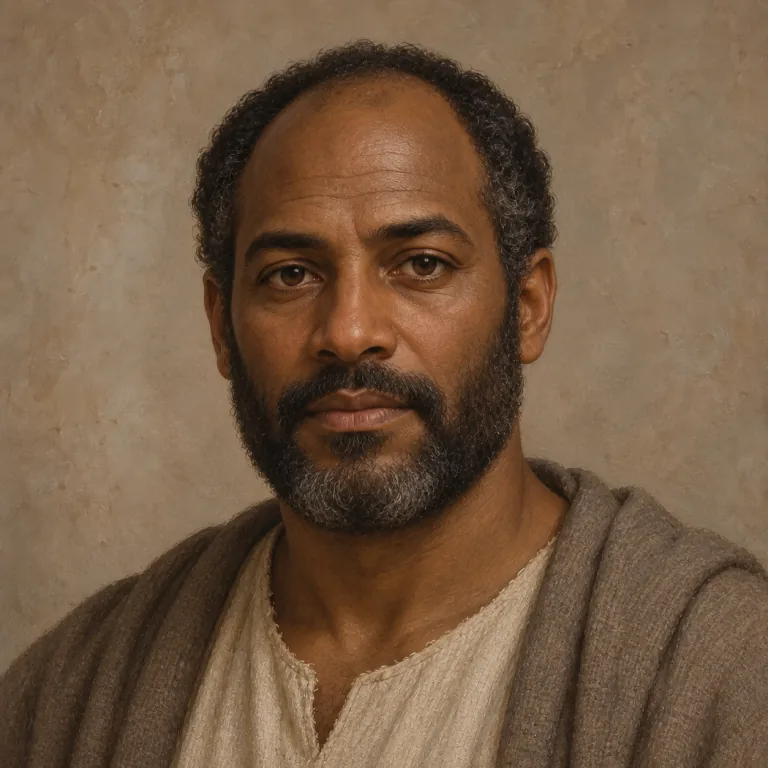 Andrew
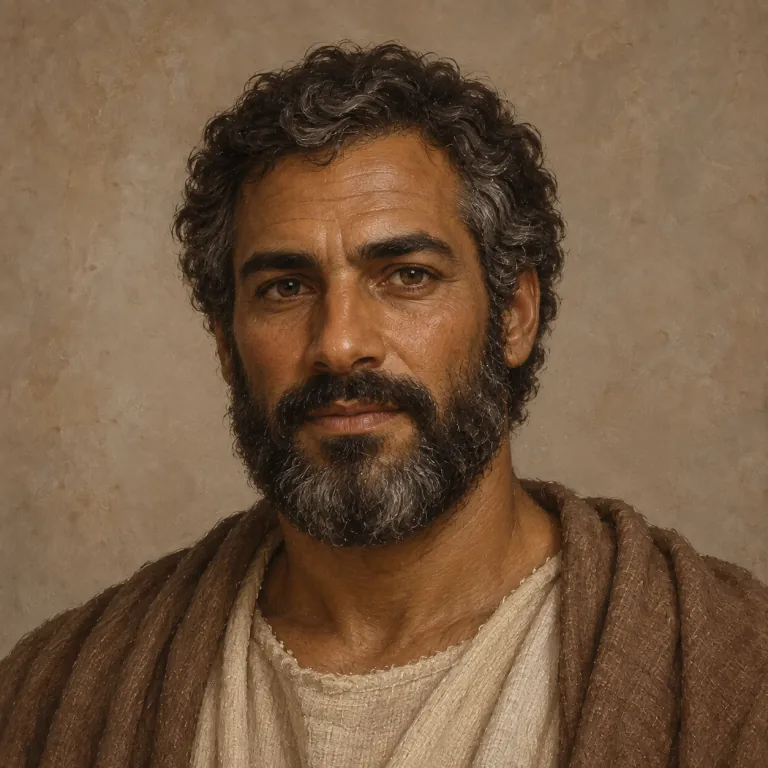 Bartholomew
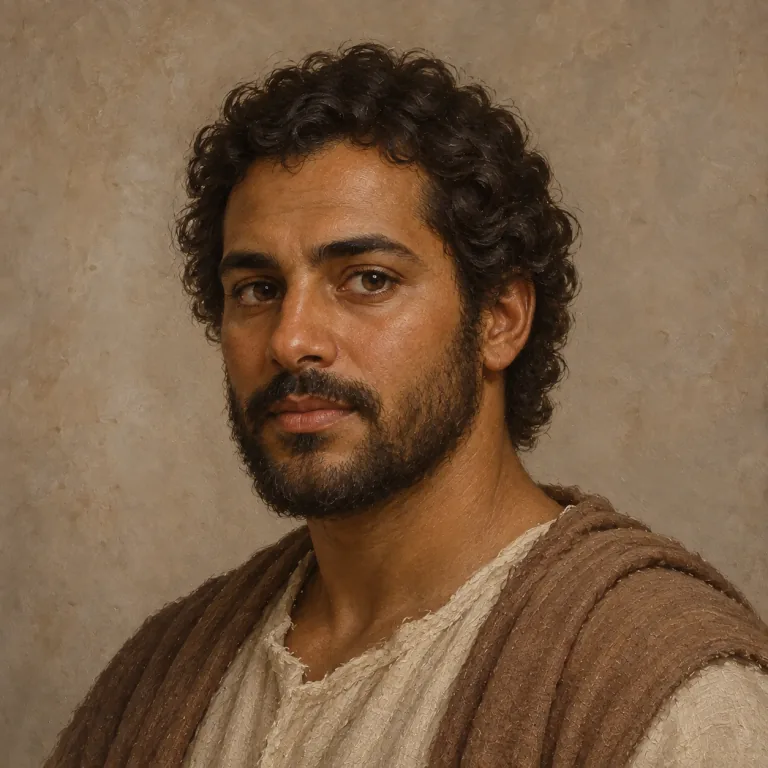 James son of Alphaeus
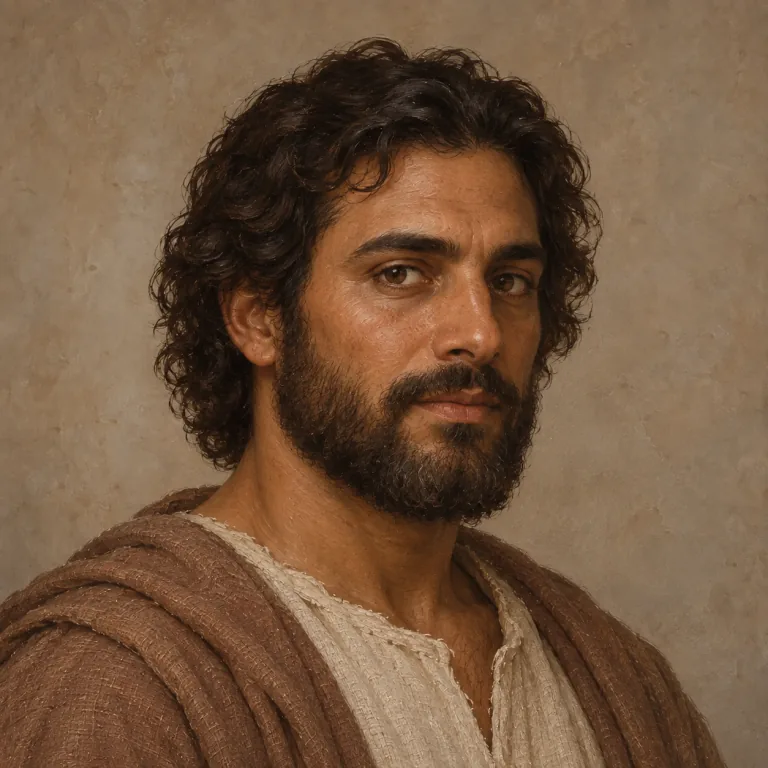 James son of Zebedee
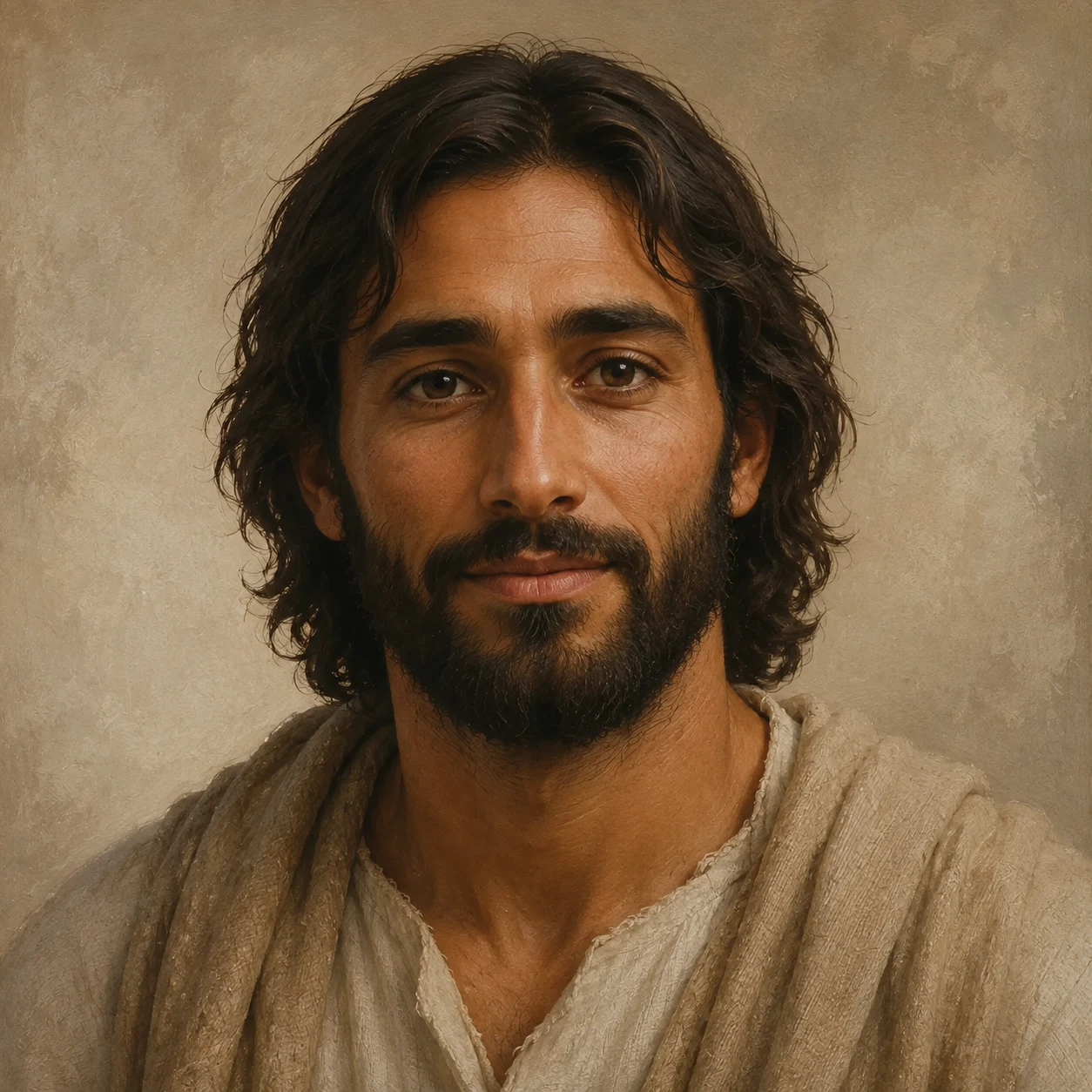 Jesus Christ
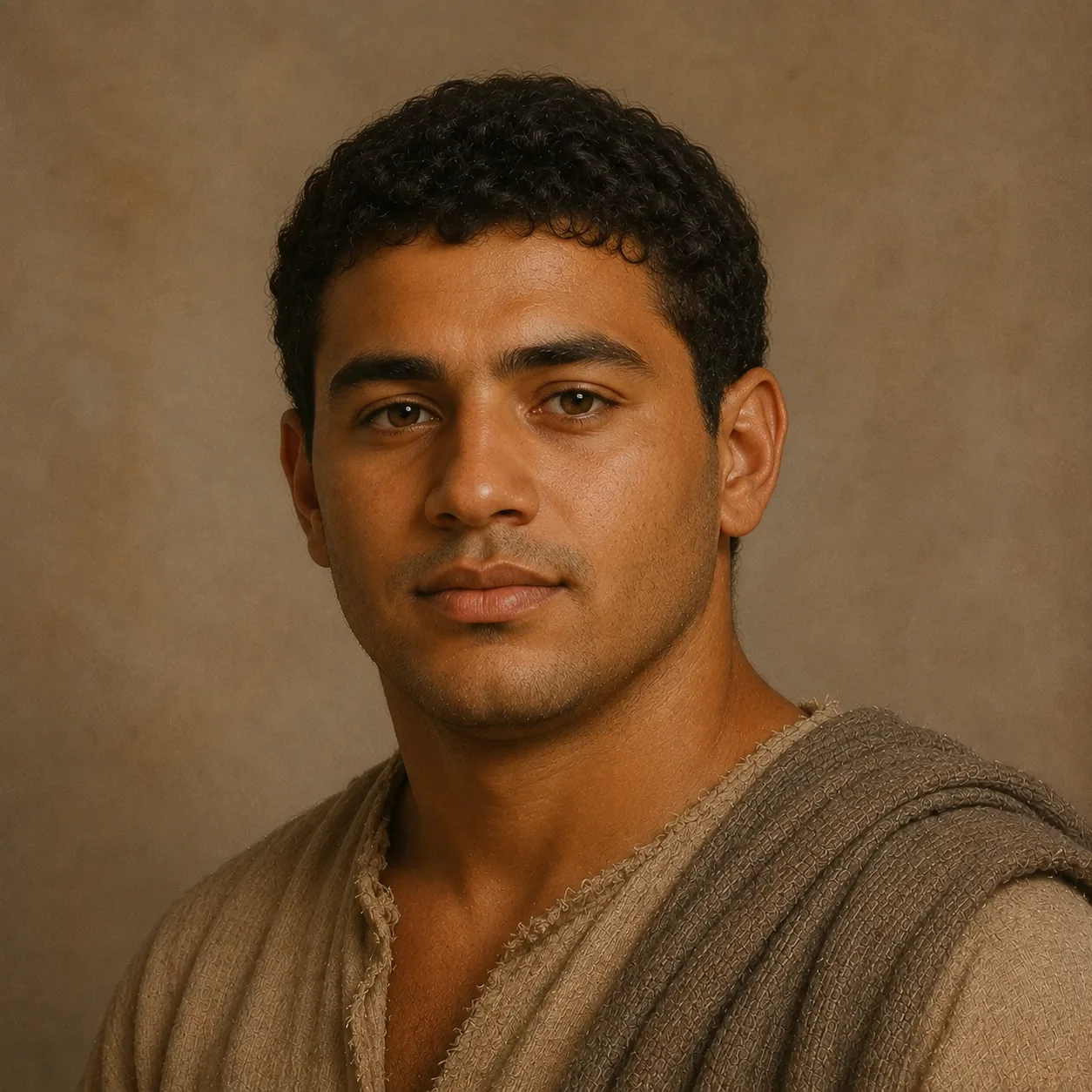 John the Apostle
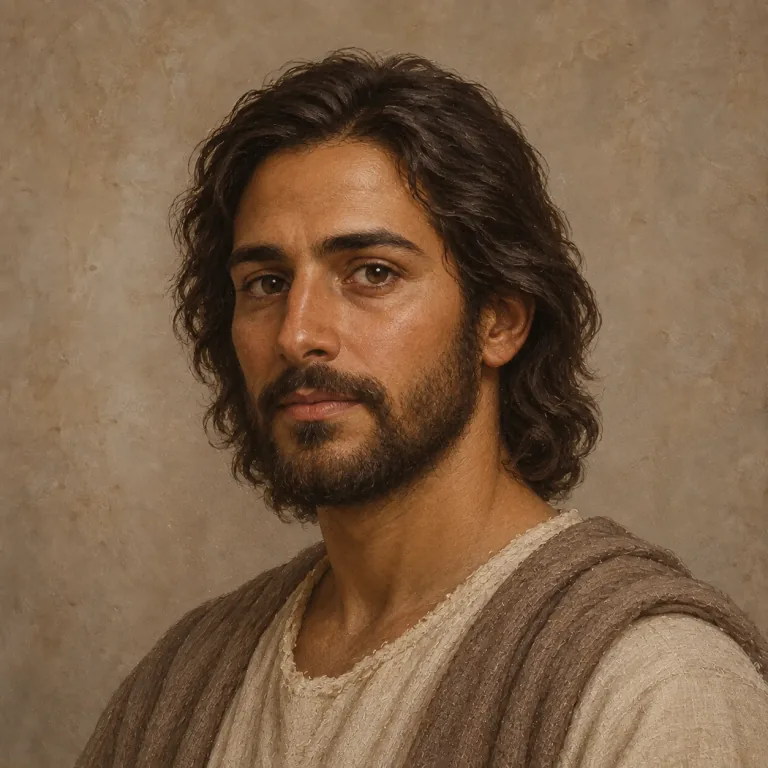 Judas
Judas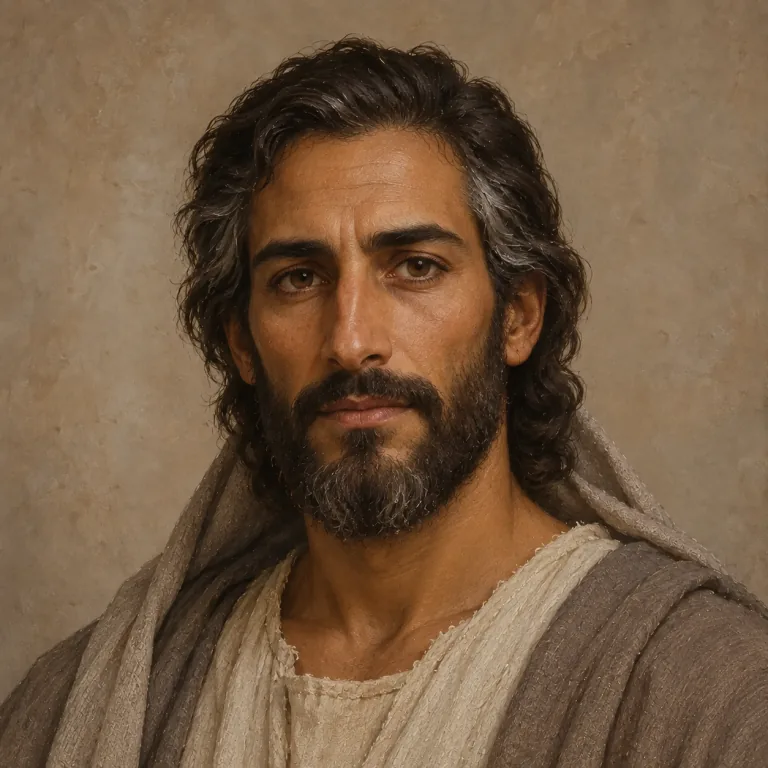 Jude Thaddaeus
 Matthew
 Peter
Peter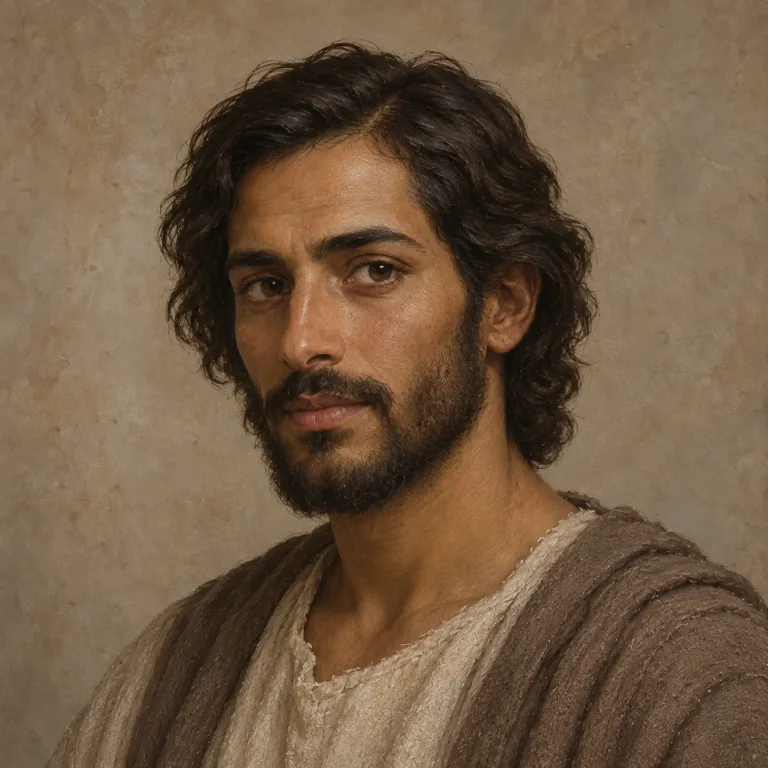 Philip the apostle
 Simon the Canaanite
 Thomas
Also indexed here: