The Gospels · New Testament
Matthew 9
Matthew 9: forgiveness questioned, Matthew called, and a harvest named
General context
Back in his own city, Jesus tells a man sick of the palsy that his sins are forgiven, and certain scribes call it blasphemy within themselves. He answers their thoughts, tells the man to take up his bed, and the man goes home while the crowds glorify God. Passing on, Jesus sees a man named Matthew at the receipt of custom, says Follow me, and Matthew rises and follows. Publicans and sinners sit at meat with him, the Pharisees question the disciples, and Jesus answers with the physician saying and a line about mercy and sacrifice. John's disciples ask about fasting, and Jesus replies with the bridegroom, a patch of new cloth, and new wine in old bottles. A ruler asks him to come to his dead daughter. On the way a woman with a twelve year issue of blood touches the hem of his garment and is made whole. At the house he says the girl sleeps, is laughed at, and takes her by the hand so that she rises. Two blind men are healed after being asked whether they believe, and a dumb man possessed is freed, drawing a charge from the Pharisees. The chapter ends with Jesus travelling, teaching and healing, moved with compassion for scattered crowds, and naming a plentiful harvest with few labourers.
Cited passages: Matthew 9:2, Matthew 9:3, Matthew 9:4, Matthew 9:6, Matthew 9:8, Matthew 9:9, Matthew 9:10, Matthew 9:11, Matthew 9:12, Matthew 9:13, Matthew 9:14, Matthew 9:15, Matthew 9:17, Matthew 9:18, Matthew 9:20, Matthew 9:22, Matthew 9:24, Matthew 9:25, Matthew 9:28, Matthew 9:33, Matthew 9:34, Matthew 9:36, Matthew 9:37
Matthew 9 (KJV)
1And he entered into a ship, and passed over, and came into his own city.
2And, behold, they brought to him a man sick of the palsy, lying on a bed: and Jesus seeing their faith said unto the sick of the palsy; Son, be of good cheer; thy sins be forgiven thee.
3And, behold, certain of the scribes said within themselves, This man blasphemeth.
4And Jesus knowing their thoughts said, Wherefore think ye evil in your hearts?
5For whether is easier, to say, Thy sins be forgiven thee; or to say, Arise, and walk?
6But that ye may know that the Son of man hath power on earth to forgive sins, (then saith he to the sick of the palsy,) Arise, take up thy bed, and go unto thine house.
7And he arose, and departed to his house.
8But when the multitudes saw it, they marvelled, and glorified God, which had given such power unto men.
9And as Jesus passed forth from thence, he saw a man, named Matthew, sitting at the receipt of custom: and he saith unto him, Follow me. And he arose, and followed him.
10And it came to pass, as Jesus sat at meat in the house, behold, many publicans and sinners came and sat down with him and his disciples.
11And when the Pharisees saw it, they said unto his disciples, Why eateth your Master with publicans and sinners?
12But when Jesus heard that, he said unto them, They that be whole need not a physician, but they that are sick.
13But go ye and learn what that meaneth, I will have mercy, and not sacrifice: for I am not come to call the righteous, but sinners to repentance.
14Then came to him the disciples of John, saying, Why do we and the Pharisees fast oft, but thy disciples fast not?
15And Jesus said unto them, Can the children of the bridechamber mourn, as long as the bridegroom is with them? but the days will come, when the bridegroom shall be taken from them, and then shall they fast.
16No man putteth a piece of new cloth unto an old garment, for that which is put in to fill it up taketh from the garment, and the rent is made worse.
17Neither do men put new wine into old bottles: else the bottles break, and the wine runneth out, and the bottles perish: but they put new wine into new bottles, and both are preserved.
18While he spake these things unto them, behold, there came a certain ruler, and worshipped him, saying, My daughter is even now dead: but come and lay thy hand upon her, and she shall live.
19And Jesus arose, and followed him, and so did his disciples.
20And, behold, a woman, which was diseased with an issue of blood twelve years, came behind him, and touched the hem of his garment:
21For she said within herself, If I may but touch his garment, I shall be whole.
22But Jesus turned him about, and when he saw her, he said, Daughter, be of good comfort; thy faith hath made thee whole. And the woman was made whole from that hour.
23And when Jesus came into the ruler’s house, and saw the minstrels and the people making a noise,
24He said unto them, Give place: for the maid is not dead, but sleepeth. And they laughed him to scorn.
25But when the people were put forth, he went in, and took her by the hand, and the maid arose.
26And the fame hereof went abroad into all that land.
27And when Jesus departed thence, two blind men followed him, crying, and saying, Thou Son of David, have mercy on us.
28And when he was come into the house, the blind men came to him: and Jesus saith unto them, Believe ye that I am able to do this? They said unto him, Yea, Lord.
29Then touched he their eyes, saying, According to your faith be it unto you.
30And their eyes were opened; and Jesus straitly charged them, saying, See that no man know it.
31But they, when they were departed, spread abroad his fame in all that country.
32As they went out, behold, they brought to him a dumb man possessed with a devil.
33And when the devil was cast out, the dumb spake: and the multitudes marvelled, saying, It was never so seen in Israel.
34But the Pharisees said, He casteth out devils through the prince of the devils.
35And Jesus went about all the cities and villages, teaching in their synagogues, and preaching the gospel of the kingdom, and healing every sickness and every disease among the people.
36But when he saw the multitudes, he was moved with compassion on them, because they fainted, and were scattered abroad, as sheep having no shepherd.
37Then saith he unto his disciples, The harvest truly is plenteous, but the labourers are few;
38Pray ye therefore the Lord of the harvest, that he will send forth labourers into his harvest.
This page shows the King James Version. In the app, reading opens in the Berean Standard Bible unless you have chosen another translation. The reader includes five translations: the Berean Standard Bible (BSB), the King James Version (KJV), the World English Bible (WEB), the Bible in Basic English (BBE), and the American Standard Version (ASV). Search covers three of them: Berean Standard, King James, and World English. Basic English and American Standard readers search the King James words.
Historical context
The man called at the receipt of custom is named Matthew, and the chapter says only that he was sitting there, that he was told to follow, and that he arose and followed. Nothing here states that he wrote this book or any other. The ruler whose daughter is raised is not named in this chapter, and neither is the woman with the issue of blood, the two blind men, or the dumb man. The father says his daughter is even now dead, while Jesus says the maid is not dead, but sleepeth; the text records both statements without deciding between them in its own voice. The words I will have mercy, and not sacrifice are quoted by Jesus, and Hosea 6:6 reads I desired mercy, and not sacrifice, a change of tense. The Pharisees' explanation of the exorcism, that it works through the prince of the devils, is left without a reply in this chapter.
Cited passages: Matthew 9:9, Matthew 9:13, Hosea 6:6, Matthew 9:18, Matthew 9:20, Matthew 9:24, Matthew 9:27, Matthew 9:32, Matthew 9:34
Literary context
Objection runs through the chapter, and the objectors rotate. Scribes think blasphemy, Pharisees ask about table company, John's disciples ask about fasting, and Pharisees close the sequence with a charge about the prince of the devils. Faith is the recurring word on the other side. The narrator says Jesus saw their faith, the woman is told her faith has made her whole, and the blind men are asked whether they believe before their eyes are opened. One story is interrupted by another: the ruler's errand is suspended at verse 20 and resumed at verse 23, and the delay is not explained. The closing verses shift from single scenes to a wide view, then hand the reader an image of harvest and too few workers, which the sending in chapter 10 takes up.
Cited passages: Matthew 9:2, Matthew 9:3, Matthew 9:11, Matthew 9:14, Matthew 9:19, Matthew 9:21, Matthew 9:22, Matthew 9:23, Matthew 9:29, Matthew 9:34, Matthew 9:35, Matthew 9:38
Key moments
- Sins forgiven, thoughts read (Matthew 9:4). Jesus answers the scribes' unspoken charge of blasphemy.
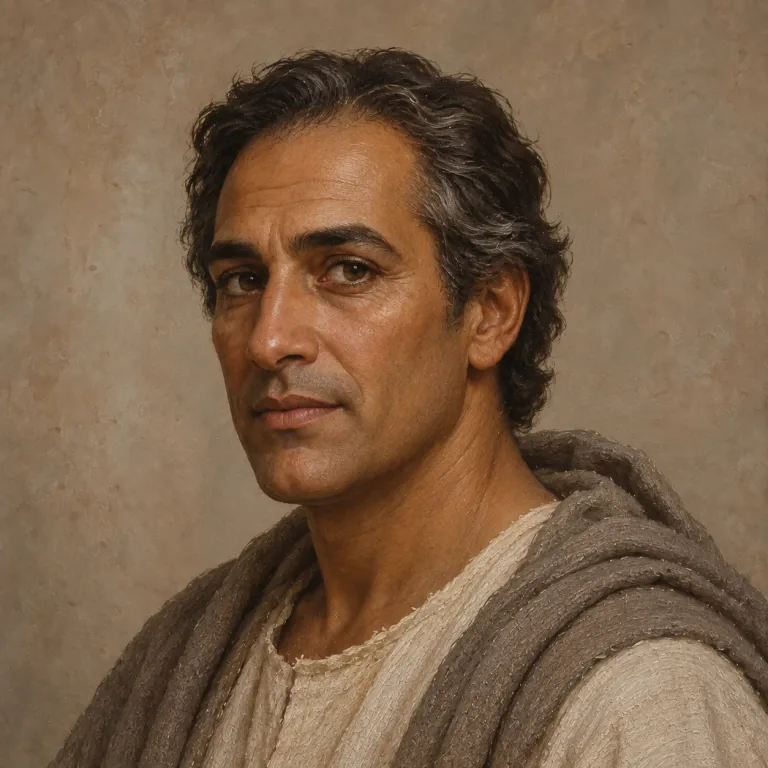
- Matthew called (Matthew 9:9). Jesus tells Matthew at the receipt of custom to follow him, and he rises and follows.
- Mercy and not sacrifice (Matthew 9:13). Jesus answers the Pharisees' question about his table company with a prophetic line.
- The hem touched (Matthew 9:20). A woman ill for twelve years touches the hem of his garment from behind.
- The maid raised (Matthew 9:25). Jesus takes the girl by the hand and she rises.
- The Pharisees' charge (Matthew 9:34). The Pharisees say the exorcisms work through the prince of the devils.
- Harvest and labourers (Matthew 9:37). Jesus names a plentiful harvest with few labourers and calls for prayer.
For reflection
The chapter reports a call in one sentence: Matthew is sitting at the receipt of custom, hears two words, and follows. What does the reader do with a summons the text refuses to explain?