Person in the New Testament
Judas
Judas Iscariot: one of the twelve who betrayed Jesus, and the two accounts of his death
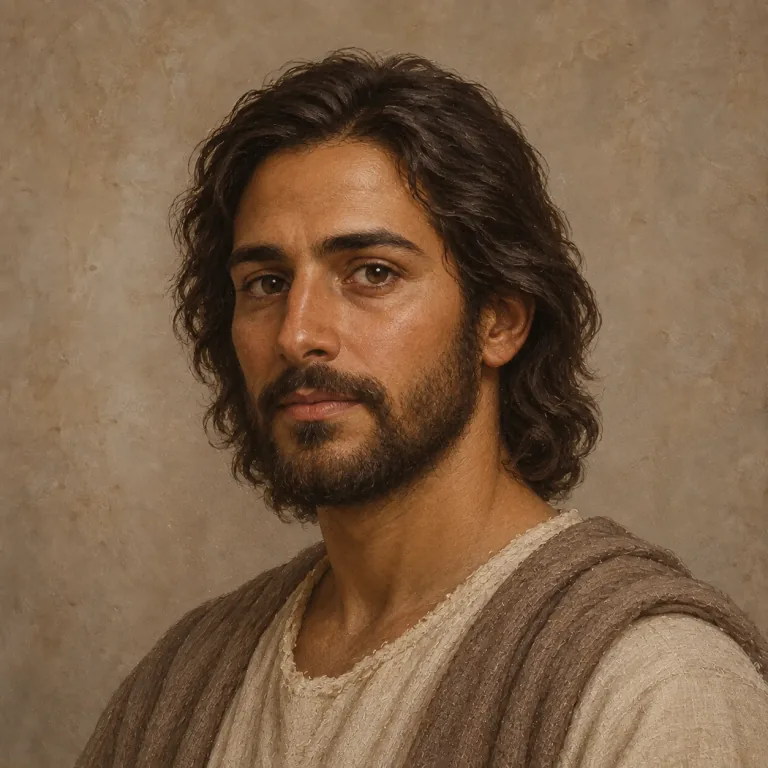
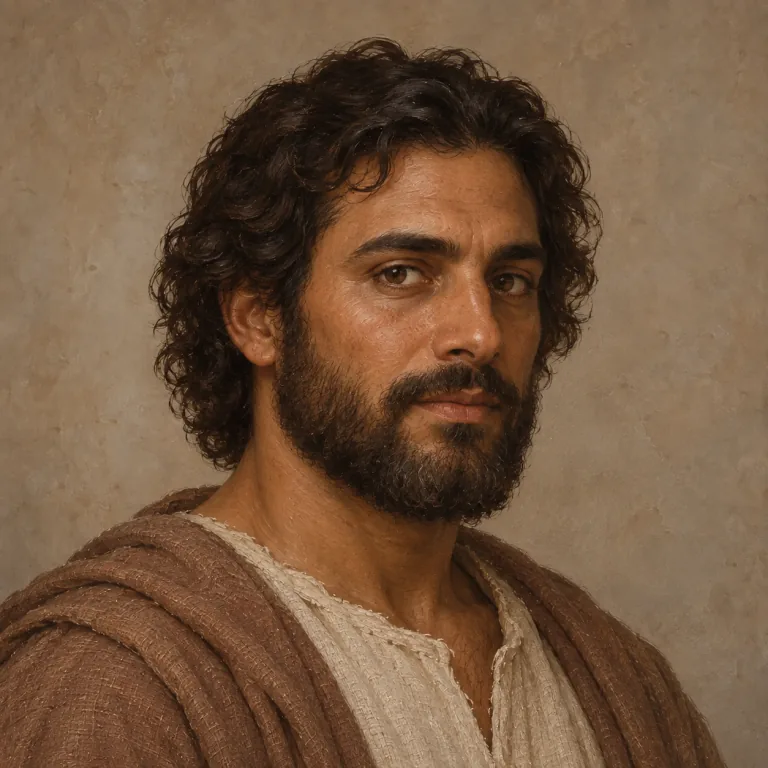
Portrait: an AI-generated artistic interpretation, not evidence of how Judas looked.
Who Judas is
In the lists of the twelve his name comes with a clause attached: Judas Iscariot, who also betrayed him in Matthew, which also betrayed him in Mark, which also was the traitor in Luke. John calls him the son of Simon and says Jesus spoke of him when he said one of you is a devil. At the anointing in John he asks why the ointment was not sold for three hundred pence and given to the poor, and the narrator says he was a thief, and had the bag. Matthew and Mark report that he went to the chief priests; Matthew records his question, What will ye give me, and the covenant of thirty pieces of silver. Luke says Satan entered into Judas surnamed Iscariot. At the supper he asks, Master, is it I, and is answered, Thou hast said; John reports the sop and says that after the sop Satan entered into him. He comes with a great multitude with swords and staves, gives the kiss as the agreed sign, and in Luke is asked, betrayest thou the Son of man with a kiss. Matthew then reports that he repented himself, brought the silver back, said he had betrayed the innocent blood, cast it down in the temple and went and hanged himself. Acts 1 says he was numbered with the apostles, purchased a field with the reward of iniquity, and falling headlong, burst asunder in the midst.
Cited passages: Matthew 10:4, Mark 3:19, Luke 6:16, John 6:71, John 6:70, John 12:5, John 12:6, Matthew 26:14, Matthew 26:15, Mark 14:10, Luke 22:3, Matthew 26:25, John 13:26, John 13:27, Matthew 26:47, Matthew 26:48, Luke 22:48, Matthew 27:3, Matthew 27:4, Matthew 27:5, Acts 1:17, Acts 1:18
Historical setting
Two accounts of his death stand in the texts and are printed here as each gives it, without harmonizing. Matthew 27:5 says he cast down the pieces of silver in the temple, and departed, and went and hanged himself, and Matthew 27:7 says the chief priests took counsel and bought the potter's field with the money. Acts 1:18 says this man purchased a field with the reward of iniquity; and falling headlong, he burst asunder in the midst. The two differ on who bought the field and on how he died, and neither refers to the other; Matthew calls the field The field of blood, and Acts calls it Aceldama, that is to say, The field of blood. He is kept distinct from another Judas in the same books: Luke 6:16 lists Judas the brother of James beside Judas Iscariot, and John 14:22 says Judas saith unto him, not Iscariot. John names his father as Simon. What the texts say moved him differs by book: Matthew records his question about payment, John calls him a thief who had the bag, and Luke and John say Satan entered into him. No age, no home town and no date are given.
Cited passages: Matthew 27:5, Matthew 27:7, Matthew 27:8, Acts 1:18, Acts 1:19, Luke 6:16, John 14:22, John 6:71, Matthew 26:15, John 12:6, Luke 22:3, Acts 1:16
How the story is told
Every list that names him adds the betrayal in the same breath, so a reader knows the end at the first mention and reads every later scene against it. The word betray follows the name through all four Gospels, often as an identifying phrase rather than an action: he that betrayed him, Judas, which betrayed him. Matthew and Mark turn the arrest on a kiss agreed in advance as a sign, Luke has Jesus name the kiss in a question, and John does not report it, saying only that Judas stood with them. Matthew gives him a scene after the arrest that no other Gospel has, where his last recorded words, I have sinned, are answered with What is that to us? see thou to that. Acts speaks of him only in the past, in a speech about filling the place he left.
Cited passages: Matthew 10:4, Mark 3:19, Luke 6:16, Matthew 26:48, Matthew 26:25, Mark 14:44, Luke 22:48, John 18:5, Matthew 27:4, Acts 1:25
Story moments
- Named among the twelve (Matthew 10:4). The list of the twelve names Judas Iscariot with the clause who also betrayed him.
- Thirty pieces of silver (Matthew 26:15). Judas asks the chief priests what they will give him and they set a price.
- Master, is it I? (Matthew 26:25). At the supper Judas asks the question the others asked and gets a direct answer.
- The kiss as sign (Matthew 26:49). Judas greets Jesus and kisses him, the sign he had arranged with the armed multitude.
- I have sinned (Matthew 27:4). Judas returns the silver and says he has betrayed the innocent blood.
- Matthew's account of his death (Matthew 27:5). He throws the silver down in the temple, departs and hangs himself.
- Acts' account of his death (Acts 1:18). Peter's speech says he bought a field and fell headlong and burst asunder.
Key passages
Matthew 10:4
Simon the Canaanite, and Judas Iscariot, who also betrayed him.
Matthew 26:14
Then one of the twelve, called Judas Iscariot, went unto the chief priests,
Matthew 26:25
Then Judas, which betrayed him, answered and said, Master, is it I? He said unto him, Thou hast said.
Matthew 26:47
And while he yet spake, lo, Judas, one of the twelve, came, and with him a great multitude with swords and staves, from the chief priests and elders of the people.
Matthew 27:3
Then Judas, which had betrayed him, when he saw that he was condemned, repented himself, and brought again the thirty pieces of silver to the chief priests and elders,
Mark 3:19
And Judas Iscariot, which also betrayed him: and they went into an house.
King James Version. 23 indexed passages in total.
For reflection
Matthew reports that he repented himself and said he had sinned, and then reports what he did next without comment. What does a reader hold on to in a remorse the text records and leaves unresolved?
Books Judas appears in
Related people
Names and references are adapted from STEPBible TIPNR. A person listed with a verse is named or indexed there; it does not mean they wrote or spoke it.