Person in the New Testament
Thomas
Thomas: called Didymus, who asked to see and then answered
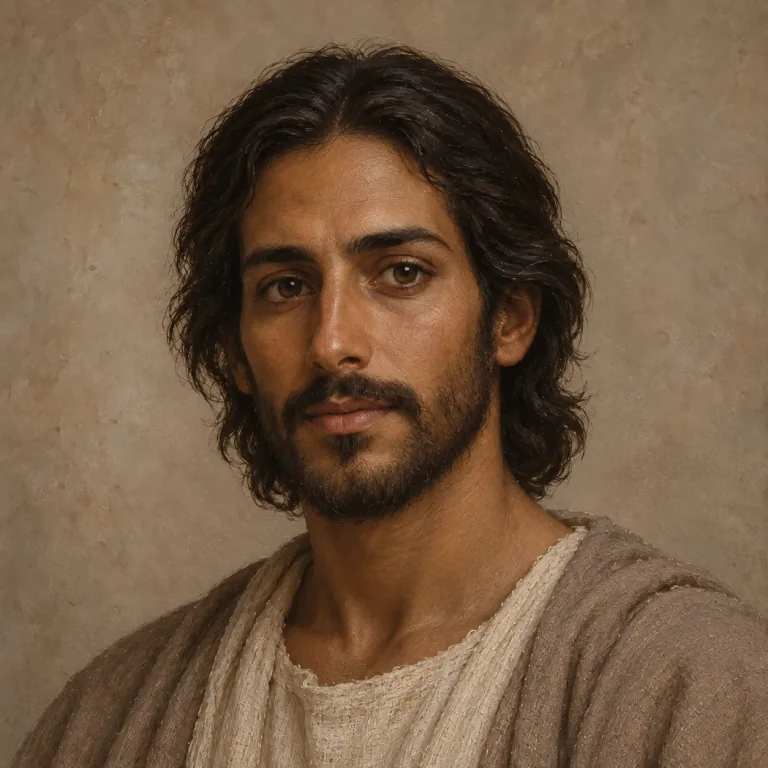
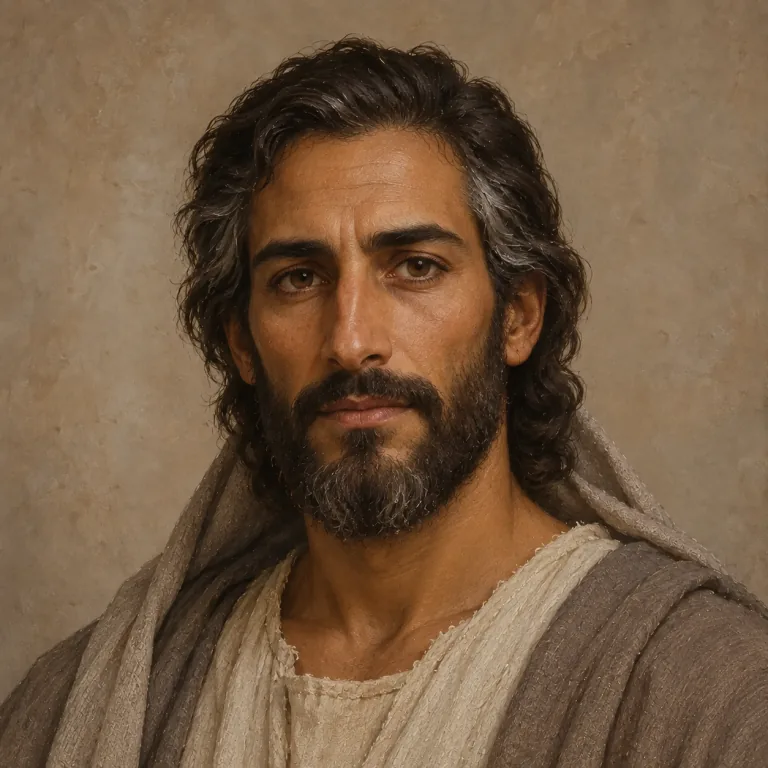
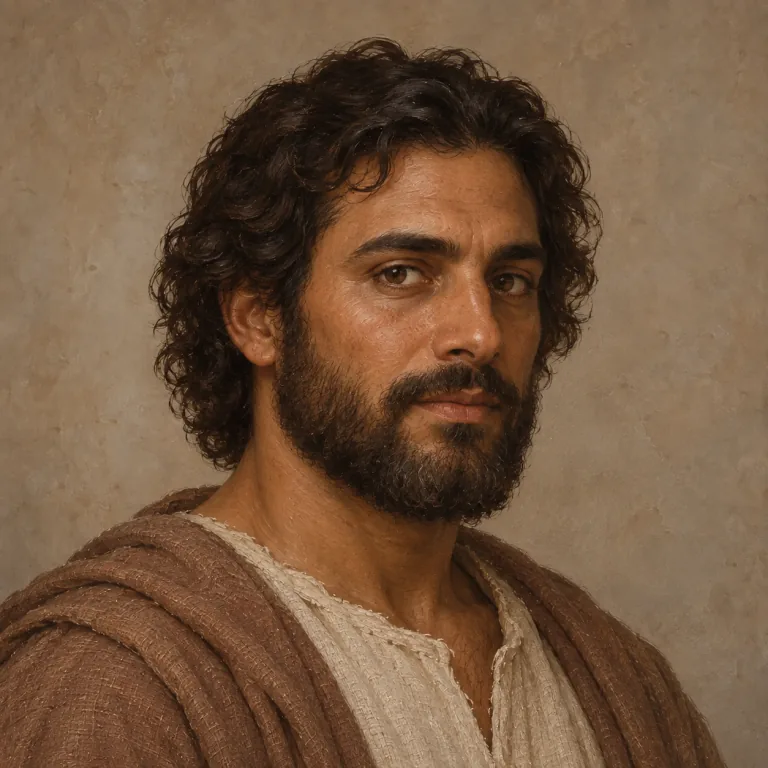
Portrait: an AI-generated artistic interpretation, not evidence of how Thomas looked.
Who Thomas is
Thomas is named in the apostle lists of Matthew, Mark and Luke and in the upper room list in Acts, and in those books he does nothing but stand in the list. John gives him a second name, Didymus, and all his recorded speech. When Jesus says plainly that Lazarus is dead and that they will go to him, Thomas tells his fellowdisciples to go also, that they may die with him. In the discourse before the arrest he says they do not know where Jesus is going and asks how they can know the way, and Jesus answers that he is the way, the truth and the life. After the resurrection John reports that Thomas was not with the others when Jesus came; told by them that they have seen the Lord, he says he will not believe unless he sees the print of the nails, puts his finger into it and thrusts his hand into the side. Eight days later, with the doors shut, Jesus comes and tells Thomas to reach his finger and his hand and to be not faithless but believing. Thomas answers, calling him his Lord and his God, and Jesus says he has believed because he has seen and calls blessed those who have not seen and yet believed. John lists him again among those at the sea of Tiberias when Peter goes fishing.
Cited passages: Matthew 10:3, Mark 3:18, Luke 6:15, John 11:14, John 11:15, John 11:16, John 14:5, John 14:6, John 20:24, John 20:25, John 20:26, John 20:27, John 20:28, John 20:29, John 21:1, John 21:2, Acts 1:13
Historical setting
The handle calls him the Doubter, and that word is not in the printed text. What the text records is his stated condition for believing and Jesus' words to him about being not faithless but believing. It also does not say whether he put out his finger or his hand; the next thing reported is his answer. John alone supplies the name Didymus and every line he speaks; the other books name him only in lists, where Matthew and Luke place him beside Matthew. Nothing in these passages gives his family, trade, home town, later travels or death. The eight days between the two appearances is the only interval the text measures, and his absence at the first appearance is stated without a reason.
Cited passages: Matthew 10:3, Luke 6:15, John 11:16, John 20:24, John 20:25, John 20:26, John 20:27, John 20:28, Acts 1:13
How the story is told
John gives Thomas three speeches, and each asks for something definite. He wants the journey to Lazarus stated as what it is, a going toward death; he wants the road named before he is told to follow it; he wants the wounds under his own hand. The scene in the locked room answers him in his own words, since Jesus repeats the finger, the hand and the side back to him, and the answer that follows is the shortest and most direct address to Jesus in the chapter. The saying that closes it turns from him to readers who will not see. In the other books he is only a name in a sequence, which makes the contrast with John's portrait plain.
Cited passages: Matthew 10:3, Mark 3:18, John 11:16, John 14:5, John 14:6, John 20:25, John 20:27, John 20:28, John 20:29, John 21:2
Story moments
- Let us also go (John 11:16). Told that Lazarus is dead, Thomas urges the others to go and die with him.
- How can we know the way (John 14:5). He says they do not know where Jesus is going.
- Absent at the first appearance (John 20:24). John notes he was not with them when Jesus came.
- His stated condition (John 20:25). He says he will not believe without seeing and touching the wounds.
- Be not faithless (John 20:27). Jesus offers him the finger, the hand and the side in his own words.
- My Lord and my God (John 20:28). Thomas answers him directly.
- At the sea of Tiberias (John 21:2). He is among those present when Peter goes fishing.
Key passages
Matthew 10:3
Philip, and Bartholomew; Thomas, and Matthew the publican; James the son of Alphaeus, and Lebbaeus, whose surname was Thaddaeus;
Mark 3:18
And Andrew, and Philip, and Bartholomew, and Matthew, and Thomas, and James the son of Alphaeus, and Thaddaeus, and Simon the Canaanite,
Luke 6:15
Matthew and Thomas, James the son of Alphæus, and Simon called Zelotes,
John 11:16
Then said Thomas, which is called Didymus, unto his fellowdisciples, Let us also go, that we may die with him.
John 14:5
Thomas saith unto him, Lord, we know not whither thou goest; and how can we know the way?
John 20:24
But Thomas, one of the twelve, called Didymus, was not with them when Jesus came.
King James Version. 12 indexed passages in total.
For reflection
Thomas names exactly what would convince him, and is offered it. What changes between the demand and the answer, and what does the closing saying about not seeing add to it?
Books Thomas appears in
Related people
Names and references are adapted from STEPBible TIPNR. A person listed with a verse is named or indexed there; it does not mean they wrote or spoke it.