Person in the New Testament
Matthew
Matthew: the publican called from the receipt of custom
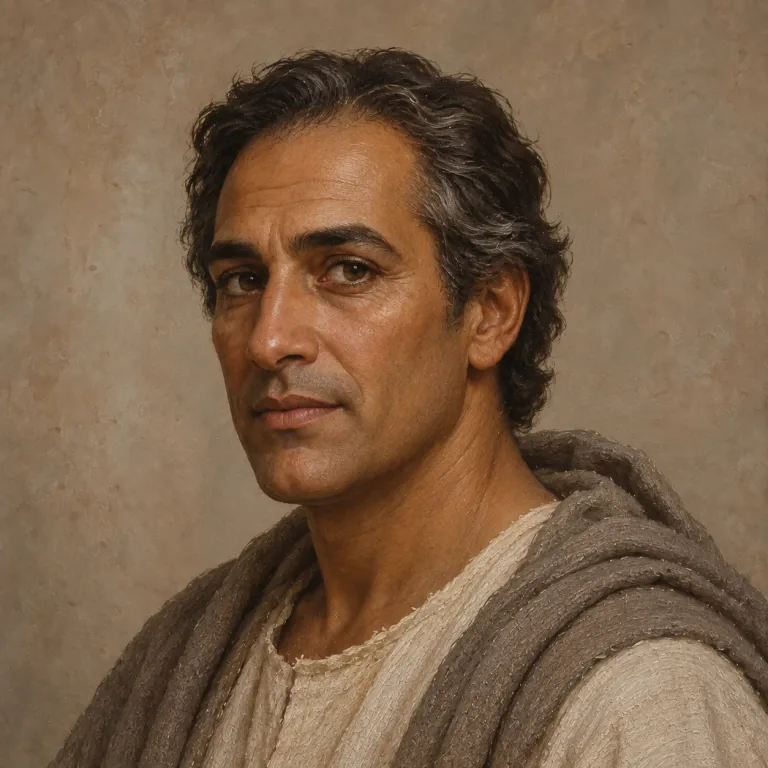
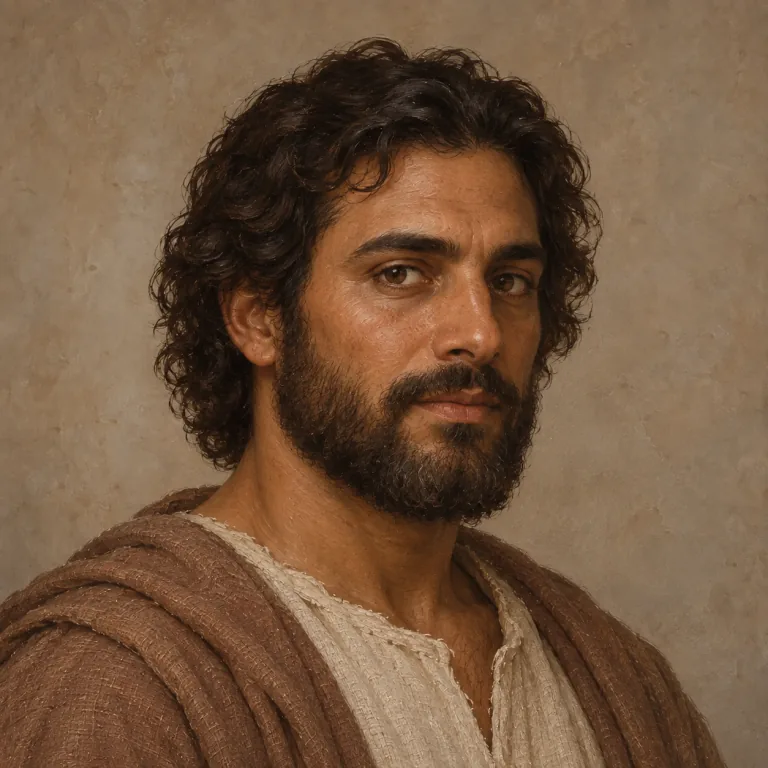
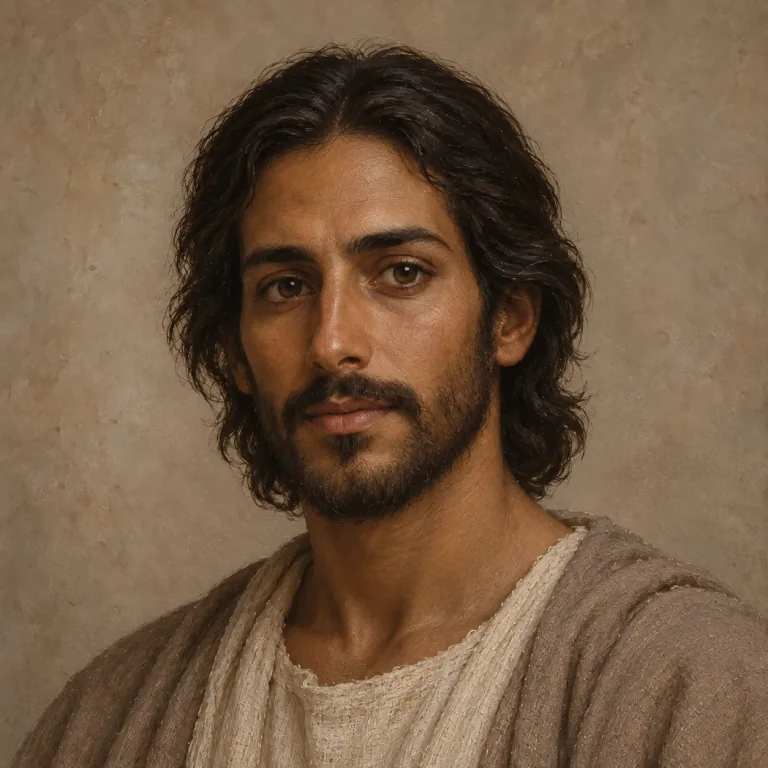
Portrait: an AI-generated artistic interpretation, not evidence of how Matthew looked.
Who Matthew is
Matthew is introduced in one sentence. Jesus passes by, sees a man named Matthew sitting at the receipt of custom, says Follow me, and the man rises and follows. The meal that follows has many publicans and sinners sitting with Jesus and his disciples, which draws the Pharisees' question about his table company and the answer about the physician and about mercy rather than sacrifice. He is then named in the list of the twelve apostles, where Matthew's own list adds the word publican to his name. Mark's list and Luke's list name him without that description, and he appears again in the list of those in the upper room in Acts. Mark and Luke tell a call scene with the same details, a man sitting at the receipt of custom, the same two words Follow me, and an immediate rising, but they give the man's name as Levi; Mark calls him Levi the son of Alpheus and Luke calls him a publican named Levi who left all, rose up and followed, and made a great feast in his own house.
Cited passages: Matthew 9:9, Matthew 9:10, Matthew 9:11, Matthew 9:13, Matthew 10:3, Mark 3:18, Luke 6:15, Acts 1:13, Mark 2:14, Luke 5:27, Luke 5:28, Luke 5:29
Historical setting
Nothing in these passages states that Matthew wrote the Gospel that bears the name, or any other book. No family, home town or later action is given for him; outside the call scene he appears only as a name in the four lists of apostles. The one description attached to him is publican, and it appears only in Matthew's list. The call scene told in Mark and Luke matches the one in Matthew in setting, words and response, but the man is named Levi in both, and none of the four texts says that Levi and Matthew are two names for one person. Mark adds that Levi is the son of Alpheus, a patronymic also given in every list for a different apostle, James the son of Alpheus, and no text says the two are brothers. Luke says the great feast was in Levi's own house, while Matthew says only that Jesus sat at meat in the house.
Cited passages: Matthew 10:3, Mark 3:18, Mark 2:14, Luke 5:27, Luke 6:15, Matthew 9:10, Luke 5:29
How the story is told
The call is written without any explanation. Two words are spoken and the response takes half a sentence, he arose, and followed him, with no reported thought, no bargaining and no report of what happened to the tax booth. What the scene does supply is the company that comes with him. The meal that follows brings publicans and sinners to the table, and the objection is aimed at Jesus through his disciples rather than at the new follower. His trade then stays attached to his name when the list of the twelve is given, so the one detail the reader is told about him is the one the Pharisees objected to. In the remaining lists he is a name in a sequence, placed beside Thomas in three of them.
Cited passages: Matthew 9:9, Matthew 9:10, Matthew 9:11, Matthew 9:12, Matthew 10:3, Luke 6:15, Acts 1:13
Story moments
- Called at the tax booth (Matthew 9:9). Jesus sees Matthew at the receipt of custom and tells him to follow.
- The table fills with publicans (Matthew 9:10). Many publicans and sinners sit down with Jesus and his disciples.
- The objection answered (Matthew 9:13). Jesus answers the Pharisees with mercy rather than sacrifice.
- Listed as the publican (Matthew 10:3). Matthew's list of the twelve attaches the word publican to his name.
- The same scene, a different name (Mark 2:14). Mark tells the call of a man at the receipt of custom and names him Levi the son of Alpheus.
- A feast in his own house (Luke 5:29). Luke says Levi made a great feast in his own house for a large company.
- In the upper room (Acts 1:13). Matthew is named among those gathered in the upper room in Acts.
Key passages
Matthew 9:9
And as Jesus passed forth from thence, he saw a man, named Matthew, sitting at the receipt of custom: and he saith unto him, Follow me. And he arose, and followed him.
Matthew 10:3
Philip, and Bartholomew; Thomas, and Matthew the publican; James the son of Alphaeus, and Lebbaeus, whose surname was Thaddaeus;
Mark 2:14
And as he passed by, he saw Levi the son of Alphæus sitting at the receipt of custom, and said unto him, Follow me. And he arose and followed him.
Mark 3:18
And Andrew, and Philip, and Bartholomew, and Matthew, and Thomas, and James the son of Alphaeus, and Thaddaeus, and Simon the Canaanite,
Luke 5:27
And after these things he went forth, and saw a publican, named Levi, sitting at the receipt of custom: and he said unto him, Follow me.
Luke 5:29
And Levi made him a great feast in his own house: and there was a great company of publicans and of others that sat down with them.
King James Version. 8 indexed passages in total.
For reflection
The text gives him one sentence of story and one word of description. What does a reader do with a follower whose whole recorded decision fits in five words?
Books Matthew appears in
Related people
Names and references are adapted from STEPBible TIPNR. A person listed with a verse is named or indexed there; it does not mean they wrote or spoke it.