The Gospels · New Testament
Matthew 11
Matthew 11: John's question, cities upbraided, and an offer of rest
General context
Jesus finishes commanding the twelve and goes on to teach and preach. John, in prison, hears of the works of Christ and sends two of his disciples to ask whether Jesus is the one who should come or whether they should look for another. Jesus tells them to report what they hear and see, and lists the blind, lame, lepers, deaf, dead and poor. As they leave he speaks to the crowds about John, asking three times what they went out into the wilderness to see, calling him more than a prophet, applying to him a written word about a messenger sent ahead, and saying that none born of women is greater than John while the least in the kingdom is greater still. He compares the generation to children in the markets who complain that neither piping nor mourning got a response, noting that John's abstinence and the Son of man's eating both drew accusations. He then upbraids Chorazin, Bethsaida and Capernaum for not repenting, comparing them with Tyre, Sidon and Sodom. He thanks the Father for hiding these things from the wise and revealing them to babes, states that the Son and the Father are known to each other, and invites those who labour and are heavy laden to come to him for rest, offering a yoke he calls easy.
Cited passages: Matthew 11:1, Matthew 11:2, Matthew 11:3, Matthew 11:4, Matthew 11:5, Matthew 11:7, Matthew 11:9, Matthew 11:10, Matthew 11:11, Matthew 11:14, Matthew 11:16, Matthew 11:18, Matthew 11:19, Matthew 11:20, Matthew 11:21, Matthew 11:23, Matthew 11:25, Matthew 11:27, Matthew 11:28, Matthew 11:30
Matthew 11 (KJV)
1And it came to pass, when Jesus had made an end of commanding his twelve disciples, he departed thence to teach and to preach in their cities.
2Now when John had heard in the prison the works of Christ, he sent two of his disciples,
3And said unto him, Art thou he that should come, or do we look for another?
4Jesus answered and said unto them, Go and shew John again those things which ye do hear and see:
5The blind receive their sight, and the lame walk, the lepers are cleansed, and the deaf hear, the dead are raised up, and the poor have the gospel preached to them.
6And blessed is he, whosoever shall not be offended in me.
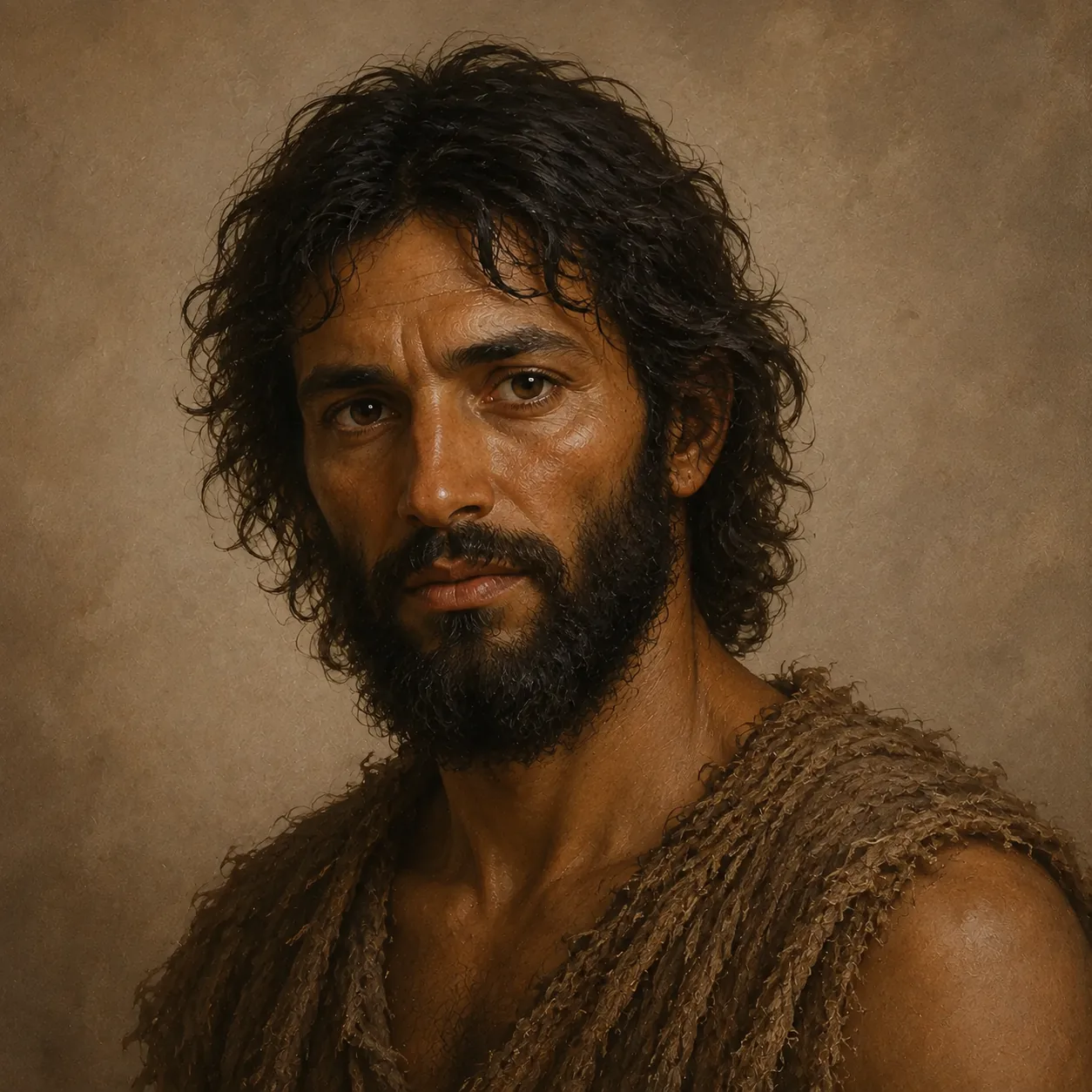
7And as they departed, Jesus began to say unto the multitudes concerning John, What went ye out into the wilderness to see? A reed shaken with the wind?
8But what went ye out for to see? A man clothed in soft raiment? behold, they that wear soft clothing are in kings’ houses.
9But what went ye out for to see? A prophet? yea, I say unto you, and more than a prophet.
10For this is he, of whom it is written, Behold, I send my messenger before thy face, which shall prepare thy way before thee.
11Verily I say unto you, Among them that are born of women there hath not risen a greater than John the Baptist: notwithstanding he that is least in the kingdom of heaven is greater than he.
12And from the days of John the Baptist until now the kingdom of heaven suffereth violence, and the violent take it by force.
13For all the prophets and the law prophesied until John.
14And if ye will receive it, this is Elias, which was for to come.
15He that hath ears to hear, let him hear.
16But whereunto shall I liken this generation? It is like unto children sitting in the markets, and calling unto their fellows,
17And saying, We have piped unto you, and ye have not danced; we have mourned unto you, and ye have not lamented.
18For John came neither eating nor drinking, and they say, He hath a devil.
19The Son of man came eating and drinking, and they say, Behold a man gluttonous, and a winebibber, a friend of publicans and sinners. But wisdom is justified of her children.
20Then began he to upbraid the cities wherein most of his mighty works were done, because they repented not:
21Woe unto thee, Chorazin! woe unto thee, Bethsaida! for if the mighty works, which were done in you, had been done in Tyre and Sidon, they would have repented long ago in sackcloth and ashes.
22But I say unto you, It shall be more tolerable for Tyre and Sidon at the day of judgment, than for you.
23And thou, Capernaum, which art exalted unto heaven, shalt be brought down to hell: for if the mighty works, which have been done in thee, had been done in Sodom, it would have remained until this day.
24But I say unto you, That it shall be more tolerable for the land of Sodom in the day of judgment, than for thee.
25At that time Jesus answered and said, I thank thee, O Father, Lord of heaven and earth, because thou hast hid these things from the wise and prudent, and hast revealed them unto babes.
26Even so, Father: for so it seemed good in thy sight.
27All things are delivered unto me of my Father: and no man knoweth the Son, but the Father; neither knoweth any man the Father, save the Son, and he to whomsoever the Son will reveal him.
28Come unto me, all ye that labour and are heavy laden, and I will give you rest.
29Take my yoke upon you, and learn of me; for I am meek and lowly in heart: and ye shall find rest unto your souls.
30For my yoke is easy, and my burden is light.
This page shows the King James Version. In the app, reading opens in the Berean Standard Bible unless you have chosen another translation. The reader includes five translations: the Berean Standard Bible (BSB), the King James Version (KJV), the World English Bible (WEB), the Bible in Basic English (BBE), and the American Standard Version (ASV). Search covers three of them: Berean Standard, King James, and World English. Basic English and American Standard readers search the King James words.
Historical context
John is in prison when he sends the question, and the chapter gives no reason for the imprisonment and does not say who holds him. His question is reported as his own, sent through two of his disciples, and Jesus answers the messengers rather than John directly. The written word applied to John is printed as Behold, I send my messenger before thy face, which shall prepare thy way before thee, while Malachi 3:1 reads Behold, I will send my messenger, and he shall prepare the way before me: the pronouns differ, since Matthew's form addresses a second person. The identification with Elias is given conditionally, if ye will receive it, and the text does not explain the condition. Chorazin, Bethsaida and Capernaum are named as places where mighty works were done, though the book to this point has narrated nothing at Chorazin or Bethsaida; both names appear here only. The comparisons with Tyre, Sidon and Sodom are stated as what would have happened, not as reports of events.
Cited passages: Matthew 11:2, Matthew 11:4, Matthew 11:10, Malachi 3:1, Matthew 11:14, Matthew 11:20, Matthew 11:21, Matthew 11:23
Literary context
The chapter is organised around reception and refusal. John's question asks whether to keep looking, and the answer is a list of things heard and seen rather than a claim. The speech about John repeats one question three times, What went ye out for to see, and answers it by raising the stakes each round, from a reed to soft clothing to a prophet and more than a prophet. The children in the markets give the refusal a picture: two opposite tunes, neither of which produced a response, matched by two opposite lives, one abstaining and one eating, each condemned. The woes then name real towns, so the complaint stops being general. The last movement reverses direction. After naming what the cities would not do, the speech thanks the Father for what babes receive, and ends with an invitation addressed to anyone carrying a load.
Cited passages: Matthew 11:3, Matthew 11:6, Matthew 11:7, Matthew 11:8, Matthew 11:9, Matthew 11:17, Matthew 11:18, Matthew 11:19, Matthew 11:22, Matthew 11:25, Matthew 11:29
Key moments
- The question from prison (Matthew 11:3). John's disciples ask whether Jesus is the one who should come.
- What you hear and see (Matthew 11:5). Jesus answers with a list of the blind, lame, lepers, deaf, dead and poor.
- More than a prophet (Matthew 11:9). Jesus tells the crowds that John is more than a prophet.
- Children in the markets (Matthew 11:17). Jesus likens the generation to children whose piping and mourning got no response.
- Woe to the cities (Matthew 11:21). Chorazin and Bethsaida are named and compared unfavourably with Tyre and Sidon.
- Hidden and revealed (Matthew 11:25). Jesus thanks the Father for hiding these things from the wise and revealing them to babes.
- Come unto me (Matthew 11:28). Jesus invites those who labour and are heavy laden and promises rest.
For reflection
John asks whether to look for another, and the reply is a list of what the messengers hear and see rather than a yes. What does the reader make of an answer that hands the question back with evidence?