Person in the New Testament
Andrew
Andrew: Simon Peter’s brother, who keeps bringing people to Jesus
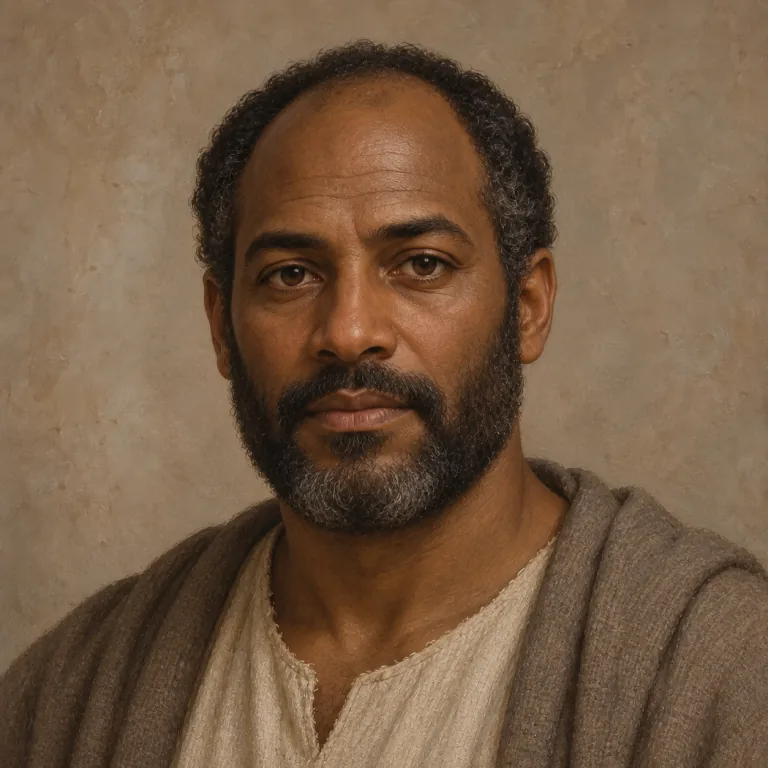
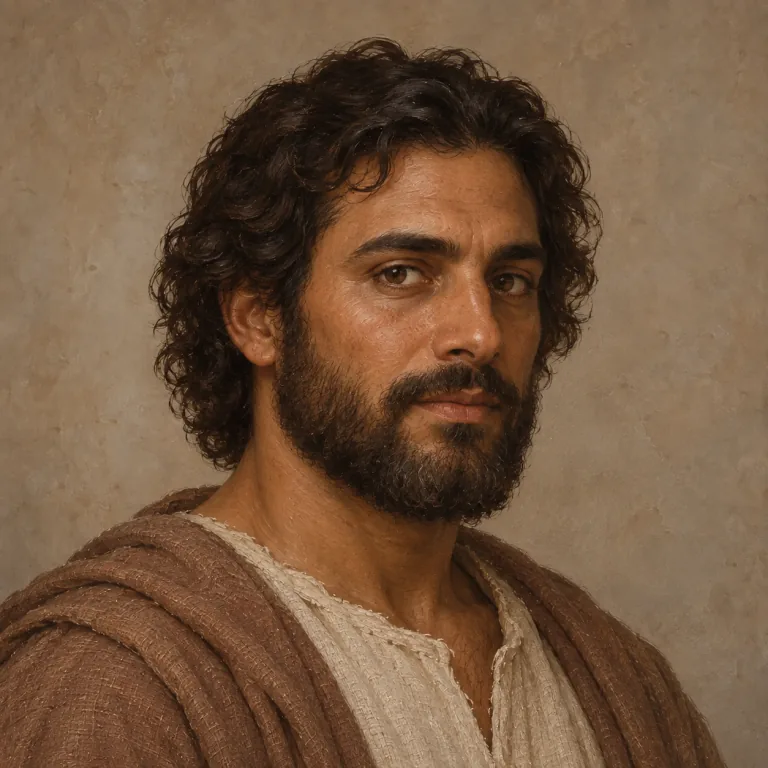
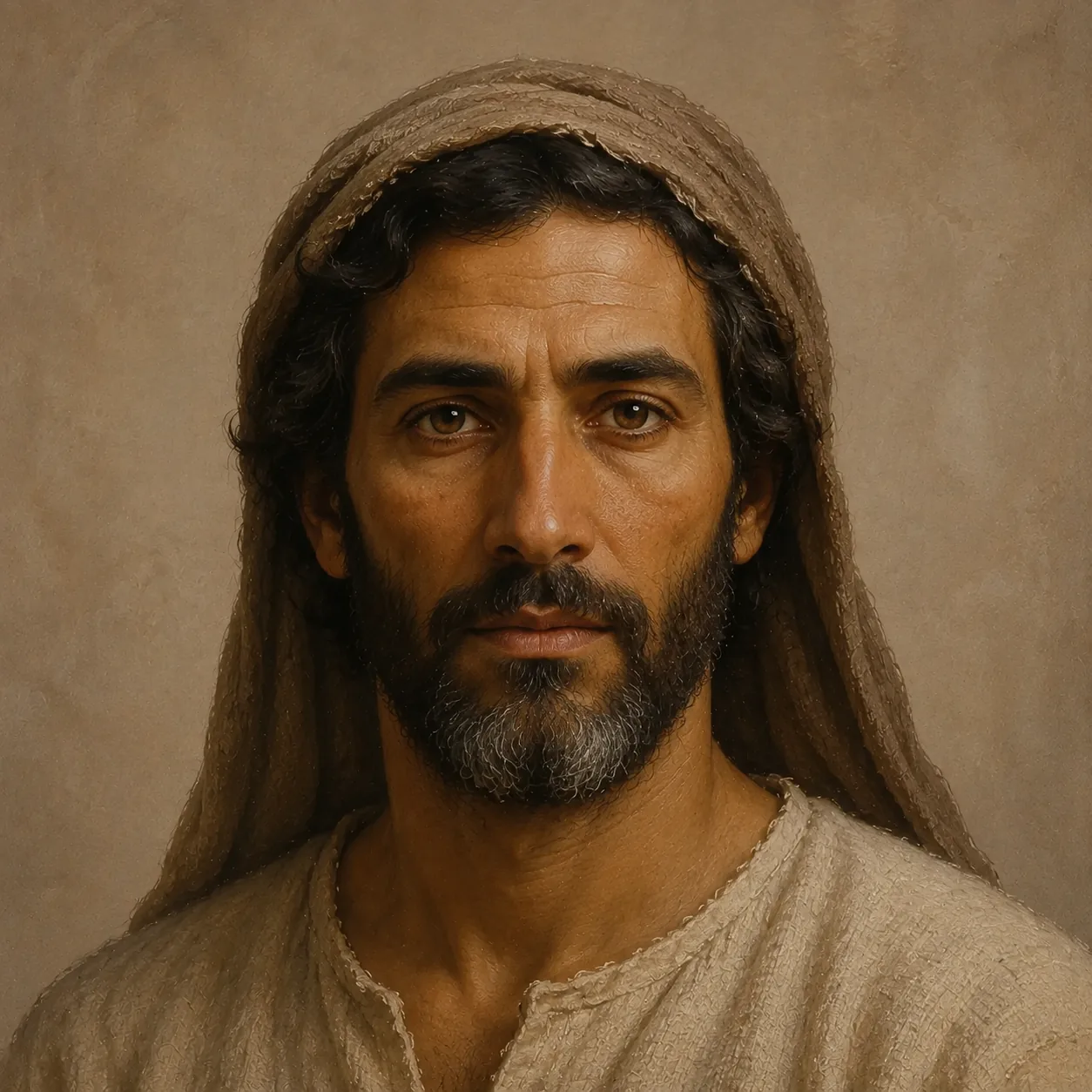
Portrait: an AI-generated artistic interpretation, not evidence of how Andrew looked.
Who Andrew is
Every passage that names Andrew calls him Simon Peter's brother. Matthew and Mark show Jesus seeing the two brothers casting a net in the sea of Galilee, since they were fishers, calling them to become fishers of men, and both say they left the nets at once. Mark places the Capernaum house they enter after the synagogue as the house of Simon and Andrew. The apostle lists in Matthew, Mark and Luke all include him, and Acts names him among those in the upper room. Mark also has him join Peter, James and John to ask privately on the mount of Olives. John gives a different first meeting: one of the two who heard John speak and followed Jesus was Andrew, who first finds his own brother Simon, tells him they have found the Messias, and brings him to Jesus. John says Philip was of Bethsaida, the city of Andrew and Peter. When a great company comes and there is no bread, Andrew points out a lad with five barley loaves and two small fishes and asks what they are among so many. When Greeks ask Philip to see Jesus, Philip tells Andrew, and the two of them tell Jesus.
Cited passages: Matthew 4:18, Matthew 4:19, Matthew 4:20, Matthew 10:2, Mark 1:16, Mark 1:17, Mark 1:18, Mark 1:29, Mark 3:18, Mark 13:3, Luke 6:14, John 1:40, John 1:41, John 1:42, John 1:44, John 6:8, John 6:9, John 12:21, John 12:22, Acts 1:13
Historical setting
The relationship the passages fix is family: he is Simon Peter's brother in Matthew, Mark, John and the apostle lists, and Matthew's list places Peter first with Andrew beside him. The setting of the first meeting is not the same in every book. Matthew and Mark put it at the nets by the sea of Galilee; John puts it after two disciples hear John speak, with Andrew then fetching Simon. John names Bethsaida as the city of Andrew and Peter, and John alone quotes Andrew's words. These passages give no wife, children, later travels or death, and the last of them is the upper room list in Acts. The handle calls him the first called, and that phrase is not in the printed text; John says only that he first found his own brother Simon.
Cited passages: Matthew 4:18, Matthew 10:2, Mark 1:16, Mark 1:29, Luke 6:14, John 1:40, John 1:41, John 1:44, John 6:8, Acts 1:13
How the story is told
In John's Gospel Andrew is repeatedly the person who moves someone else into the scene. He brings Simon; he produces the boy with the loaves; he carries the Greeks' request forward with Philip. The words attributed to him are short and practical, a report of what is found and a question about whether it is enough. In Matthew and Mark he is half of a pair, named with Simon at the nets and in the house, and in Mark's discourse on the mount of Olives he is added to the three so that four disciples ask the question. Across the lists he stays near the front without ever leading them.
Cited passages: Matthew 4:18, Matthew 10:2, Mark 1:16, Mark 1:29, Mark 13:3, Luke 6:14, John 1:40, John 1:41, John 1:42, John 6:8, John 6:9, John 12:22
Story moments
- Called from the nets (Mark 1:18). Simon and Andrew leave their nets straightway and follow Jesus.
- He finds his brother (John 1:41). Andrew tells Simon they have found the Messias.
- The house at Capernaum (Mark 1:29). The house they enter after the synagogue is called the house of Simon and Andrew.
- Five barley loaves (John 6:9). He names the lad’s loaves and fishes and asks what they are among so many.
- The Greeks’ request passed on (John 12:22). Philip tells Andrew, and Andrew and Philip tell Jesus.
- One of four on the mount (Mark 13:3). He asks privately with Peter, James and John about the temple.
- In the upper room (Acts 1:13). Acts names him among those who went up to the upper room.
Key passages
Matthew 4:18
And Jesus, walking by the sea of Galilee, saw two brethren, Simon called Peter, and Andrew his brother, casting a net into the sea: for they were fishers.
Matthew 10:2
Now the names of the twelve apostles are these; The first, Simon, who is called Peter, and Andrew his brother; James the son of Zebedee, and John his brother;
Mark 1:16
Now as he walked by the sea of Galilee, he saw Simon and Andrew his brother casting a net into the sea: for they were fishers.
Mark 1:29
And forthwith, when they were come out of the synagogue, they entered into the house of Simon and Andrew, with James and John.
Mark 3:18
And Andrew, and Philip, and Bartholomew, and Matthew, and Thomas, and James the son of Alphaeus, and Thaddaeus, and Simon the Canaanite,
Mark 13:3
And as he sat upon the mount of Olives over against the temple, Peter and James and John and Andrew asked him privately,
King James Version. 12 indexed passages in total.
For reflection
Andrew's recorded words are a report of loaves and a question about how far they go. What does it mean that the passages remember him mostly for the people he brought rather than for anything he said?
Books Andrew appears in
Related people
Names and references are adapted from STEPBible TIPNR. A person listed with a verse is named or indexed there; it does not mean they wrote or spoke it.