The Gospels · New Testament
Luke 1
Luke 1: the promised births of John and Jesus
General context
The book opens with an address to Theophilus: many have taken in hand to set forth in order a declaration of things most surely believed, delivered by eyewitnesses and ministers of the word, and the writer says it seemed good to him also to write in order, that Theophilus might know the certainty of what he has been taught. The account then names Zacharias, a priest of the course of Abia, and his wife Elisabeth, both called righteous and without child. While Zacharias burns incense, an angel promises a son to be called John. Zacharias asks how he shall know it, the angel names himself Gabriel, and Zacharias is left unable to speak. Elisabeth conceives and hides herself five months. In the sixth month Gabriel is sent to Mary in Nazareth with word of a son to be called JESUS; Mary asks how this shall be and then answers, Behold the handmaid of the Lord. Mary travels to the hill country, the babe leaps in Elisabeth's womb, Elisabeth blesses her, and Mary says, My soul doth magnify the Lord. Elisabeth bears a son, his mother says he shall be called John, Zacharias writes the name and speaks again, and he prophesies over the child. The chapter ends with the child in the deserts.
Cited passages: Luke 1:1, Luke 1:2, Luke 1:3, Luke 1:4, Luke 1:5, Luke 1:6, Luke 1:7, Luke 1:9, Luke 1:13, Luke 1:18, Luke 1:19, Luke 1:20, Luke 1:24, Luke 1:26, Luke 1:27, Luke 1:31, Luke 1:34, Luke 1:38, Luke 1:39, Luke 1:41, Luke 1:42, Luke 1:46, Luke 1:57, Luke 1:60, Luke 1:63, Luke 1:64, Luke 1:67, Luke 1:80
Luke 1 (KJV)
1Forasmuch as many have taken in hand to set forth in order a declaration of those things which are most surely believed among us,
2Even as they delivered them unto us, which from the beginning were eyewitnesses, and ministers of the word;
3It seemed good to me also, having had perfect understanding of all things from the very first, to write unto thee in order, most excellent Theophilus,
4That thou mightest know the certainty of those things, wherein thou hast been instructed.
5There was in the days of Herod, the king of Judæa, a certain priest named Zacharias, of the course of Abia: and his wife was of the daughters of Aaron, and her name was Elisabeth.
6And they were both righteous before God, walking in all the commandments and ordinances of the Lord blameless.
7And they had no child, because that Elisabeth was barren, and they both were now well stricken in years.
8And it came to pass, that while he executed the priest’s office before God in the order of his course,
9According to the custom of the priest’s office, his lot was to burn incense when he went into the temple of the Lord.
10And the whole multitude of the people were praying without at the time of incense.
11And there appeared unto him an angel of the Lord standing on the right side of the altar of incense.
12And when Zacharias saw him, he was troubled, and fear fell upon him.
13But the angel said unto him, Fear not, Zacharias: for thy prayer is heard; and thy wife Elisabeth shall bear thee a son, and thou shalt call his name John.
14And thou shalt have joy and gladness; and many shall rejoice at his birth.
15For he shall be great in the sight of the Lord, and shall drink neither wine nor strong drink; and he shall be filled with the Holy Ghost, even from his mother’s womb.
16And many of the children of Israel shall he turn to the Lord their God.
17And he shall go before him in the spirit and power of Elias, to turn the hearts of the fathers to the children, and the disobedient to the wisdom of the just; to make ready a people prepared for the Lord.
18And Zacharias said unto the angel, Whereby shall I know this? for I am an old man, and my wife well stricken in years.
19And the angel answering said unto him, I am Gabriel, that stand in the presence of God; and am sent to speak unto thee, and to shew thee these glad tidings.
20And, behold, thou shalt be dumb, and not able to speak, until the day that these things shall be performed, because thou believest not my words, which shall be fulfilled in their season.
21And the people waited for Zacharias, and marvelled that he tarried so long in the temple.
22And when he came out, he could not speak unto them: and they perceived that he had seen a vision in the temple: for he beckoned unto them, and remained speechless.
23And it came to pass, that, as soon as the days of his ministration were accomplished, he departed to his own house.
24And after those days his wife Elisabeth conceived, and hid herself five months, saying,
25Thus hath the Lord dealt with me in the days wherein he looked on me, to take away my reproach among men.
26And in the sixth month the angel Gabriel was sent from God unto a city of Galilee, named Nazareth,
27To a virgin espoused to a man whose name was Joseph, of the house of David; and the virgin’s name was Mary.
28And the angel came in unto her, and said, Hail, thou that art highly favoured, the Lord is with thee: blessed art thou among women.
29And when she saw him, she was troubled at his saying, and cast in her mind what manner of salutation this should be.
30And the angel said unto her, Fear not, Mary: for thou hast found favour with God.
31And, behold, thou shalt conceive in thy womb, and bring forth a son, and shalt call his name JESUS.
32He shall be great, and shall be called the Son of the Highest: and the Lord God shall give unto him the throne of his father David:
33And he shall reign over the house of Jacob for ever; and of his kingdom there shall be no end.
34Then said Mary unto the angel, How shall this be, seeing I know not a man?
35And the angel answered and said unto her, The Holy Ghost shall come upon thee, and the power of the Highest shall overshadow thee: therefore also that holy thing which shall be born of thee shall be called the Son of God.
36And, behold, thy cousin Elisabeth, she hath also conceived a son in her old age: and this is the sixth month with her, who was called barren.
37For with God nothing shall be impossible.
38And Mary said, Behold the handmaid of the Lord; be it unto me according to thy word. And the angel departed from her.
39And Mary arose in those days, and went into the hill country with haste, into a city of Juda;
40And entered into the house of Zacharias, and saluted Elisabeth.
41And it came to pass, that, when Elisabeth heard the salutation of Mary, the babe leaped in her womb; and Elisabeth was filled with the Holy Ghost:
42And she spake out with a loud voice, and said, Blessed art thou among women, and blessed is the fruit of thy womb.
43And whence is this to me, that the mother of my Lord should come to me?
44For, lo, as soon as the voice of thy salutation sounded in mine ears, the babe leaped in my womb for joy.
45And blessed is she that believed: for there shall be a performance of those things which were told her from the Lord.
46And Mary said, My soul doth magnify the Lord,
47And my spirit hath rejoiced in God my Saviour.
48For he hath regarded the low estate of his handmaiden: for, behold, from henceforth all generations shall call me blessed.
49For he that is mighty hath done to me great things; and holy is his name.
50And his mercy is on them that fear him from generation to generation.
51He hath shewed strength with his arm; he hath scattered the proud in the imagination of their hearts.
52He hath put down the mighty from their seats, and exalted them of low degree.
53He hath filled the hungry with good things; and the rich he hath sent empty away.
54He hath holpen his servant Israel, in remembrance of his mercy;
55As he spake to our fathers, to Abraham, and to his seed for ever.
56And Mary abode with her about three months, and returned to her own house.
57Now Elisabeth’s full time came that she should be delivered; and she brought forth a son.
58And her neighbours and her cousins heard how the Lord had shewed great mercy upon her; and they rejoiced with her.
59And it came to pass, that on the eighth day they came to circumcise the child; and they called him Zacharias, after the name of his father.
60And his mother answered and said, Not so; but he shall be called John.
61And they said unto her, There is none of thy kindred that is called by this name.
62And they made signs to his father, how he would have him called.
63And he asked for a writing table, and wrote, saying, His name is John. And they marvelled all.
64And his mouth was opened immediately, and his tongue loosed, and he spake, and praised God.
65And fear came on all that dwelt round about them: and all these sayings were noised abroad throughout all the hill country of Judæa.
66And all they that heard them laid them up in their hearts, saying, What manner of child shall this be! And the hand of the Lord was with him.
67And his father Zacharias was filled with the Holy Ghost, and prophesied, saying,
68Blessed be the Lord God of Israel; for he hath visited and redeemed his people,
69And hath raised up an horn of salvation for us in the house of his servant David;
70As he spake by the mouth of his holy prophets, which have been since the world began:
71That we should be saved from our enemies, and from the hand of all that hate us;
72To perform the mercy promised to our fathers, and to remember his holy covenant;
73The oath which he sware to our father Abraham,
74That he would grant unto us, that we being delivered out of the hand of our enemies might serve him without fear,
75In holiness and righteousness before him, all the days of our life.
76And thou, child, shalt be called the prophet of the Highest: for thou shalt go before the face of the Lord to prepare his ways;
77To give knowledge of salvation unto his people by the remission of their sins,
78Through the tender mercy of our God; whereby the dayspring from on high hath visited us,
79To give light to them that sit in darkness and in the shadow of death, to guide our feet into the way of peace.
80And the child grew, and waxed strong in spirit, and was in the deserts till the day of his shewing unto Israel.
This page shows the King James Version. In the app, reading opens in the Berean Standard Bible unless you have chosen another translation. The reader includes five translations: the Berean Standard Bible (BSB), the King James Version (KJV), the World English Bible (WEB), the Bible in Basic English (BBE), and the American Standard Version (ASV). Search covers three of them: Berean Standard, King James, and World English. Basic English and American Standard readers search the King James words.
Historical context
The setting is given by the text itself: there was in the days of Herod, the king of Judea, a certain priest named Zacharias, of the course of Abia, whose wife was of the daughters of Aaron. No year, no date and no outside history are supplied here. This Zacharias is identified only as the priest of that course and the father of John; nothing here connects him with any other man of the name. In the temple scene the angel goes unnamed until he says, I am Gabriel, that stand in the presence of God, while at the second sending the narrator names the angel Gabriel directly. Mary is introduced as a virgin espoused to Joseph, of the house of David, in a city of Galilee named Nazareth, and Elisabeth is called her cousin. Elisabeth's home is located only as the hill country, into a city of Juda. The angel says John shall go before him in the spirit and power of Elias, without further explanation of the comparison. The printed text carries no headings or titles over the two songs; they stand as the recorded speech of Mary and of Zacharias inside the narrative.
Cited passages: Luke 1:5, Luke 1:8, Luke 1:9, Luke 1:13, Luke 1:17, Luke 1:19, Luke 1:26, Luke 1:27, Luke 1:36, Luke 1:39, Luke 1:46, Luke 1:67
Literary context
Two announcements run in parallel. Each opens with an appearance and the words Fear not, and each meets a question. Zacharias asks, Whereby shall I know this? and is told he shall be dumb because he believed not; Mary asks, How shall this be, seeing I know not a man? and is given the sign of Elisabeth's own conception. Elisabeth hides herself five months, and the sixth month is named both at Gabriel's sending and in his word to Mary, which ties the two births together, and the meeting of the two women joins them in one scene. Speech frames the chapter: Zacharias loses it at the altar and recovers it when he writes, His name is John. Blessing repeats in Elisabeth's greeting and in her word about believing. Both songs move from praise to reversal and promise, Mary speaking of the mighty put down and the hungry filled, Zacharias of an horn of salvation and the oath sworn to Abraham before turning to address the child directly.
Cited passages: Luke 1:12, Luke 1:13, Luke 1:18, Luke 1:19, Luke 1:20, Luke 1:24, Luke 1:26, Luke 1:30, Luke 1:34, Luke 1:36, Luke 1:41, Luke 1:42, Luke 1:45, Luke 1:46, Luke 1:52, Luke 1:53, Luke 1:63, Luke 1:64, Luke 1:69, Luke 1:73, Luke 1:76
Key moments
- An address to Theophilus (Luke 1:3). The writer says he sets the account down in order for Theophilus.
- An angel at the incense altar (Luke 1:11). An angel of the Lord stands on the right side of the altar of incense.
- Zacharias is left speechless (Luke 1:20). The angel says he shall be dumb until the words are performed.
- Gabriel is sent to Mary (Luke 1:26). The angel Gabriel is sent from God to a city of Galilee named Nazareth.
- Mary answers the angel (Luke 1:38). Mary says she is the handmaid of the Lord and the angel departs.
- The babe leaps at a greeting (Luke 1:41). Elisabeth hears Mary's salutation and is filled with the Holy Ghost.
- His name is John (Luke 1:63). Zacharias writes the name and his speech returns.
For reflection
Zacharias and Mary each answer the angel with a question, and the text reports different outcomes for the two. Reading only what Luke prints of their words, what separates the two replies?
People in this chapter
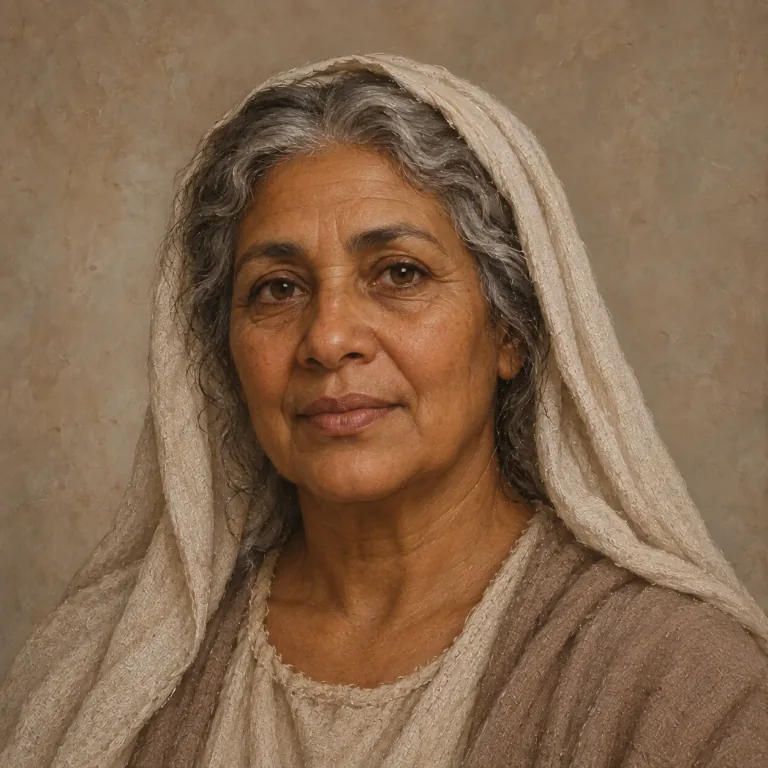 Elizabeth
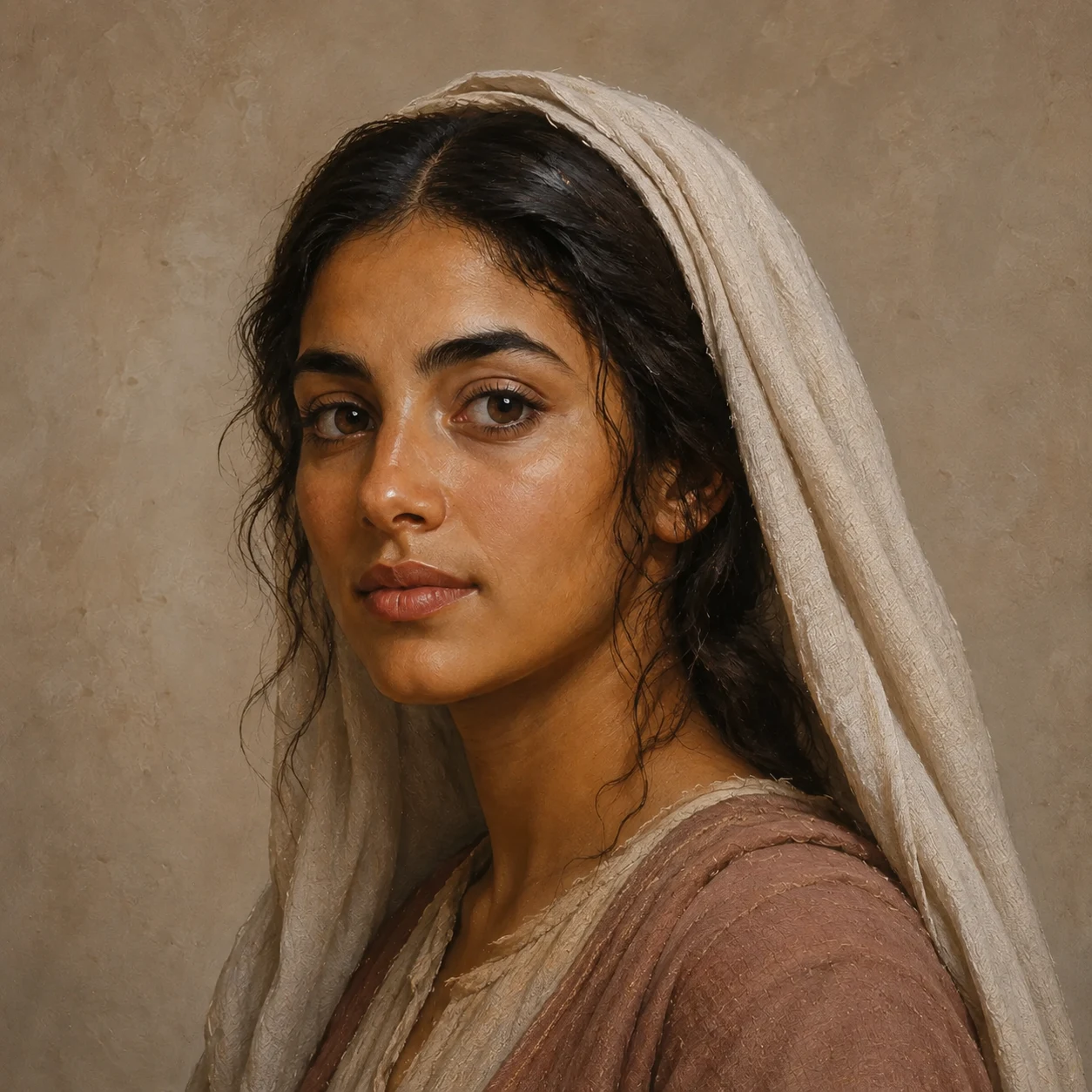 Mary, Mother of Jesus
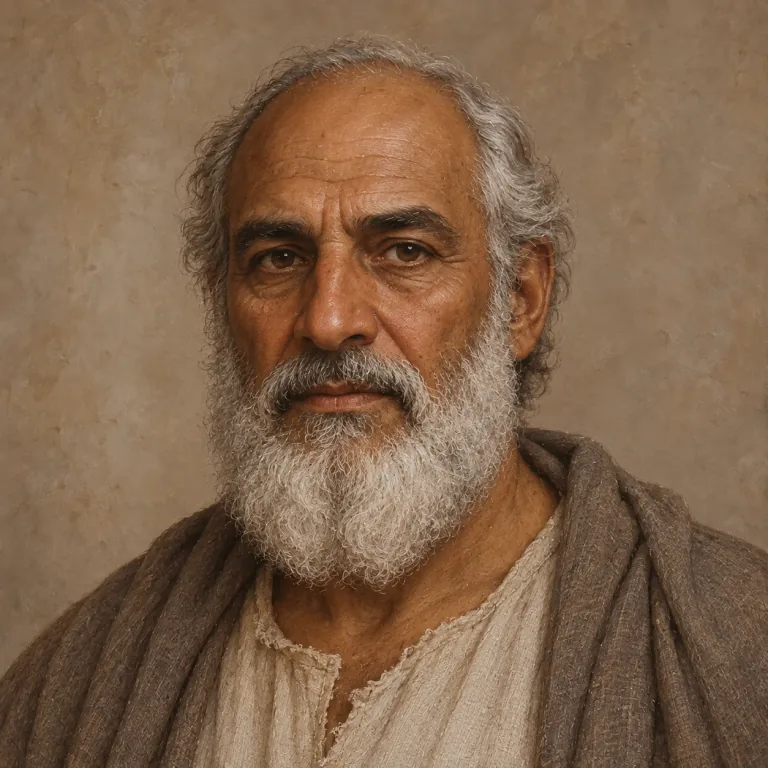 Zechariah
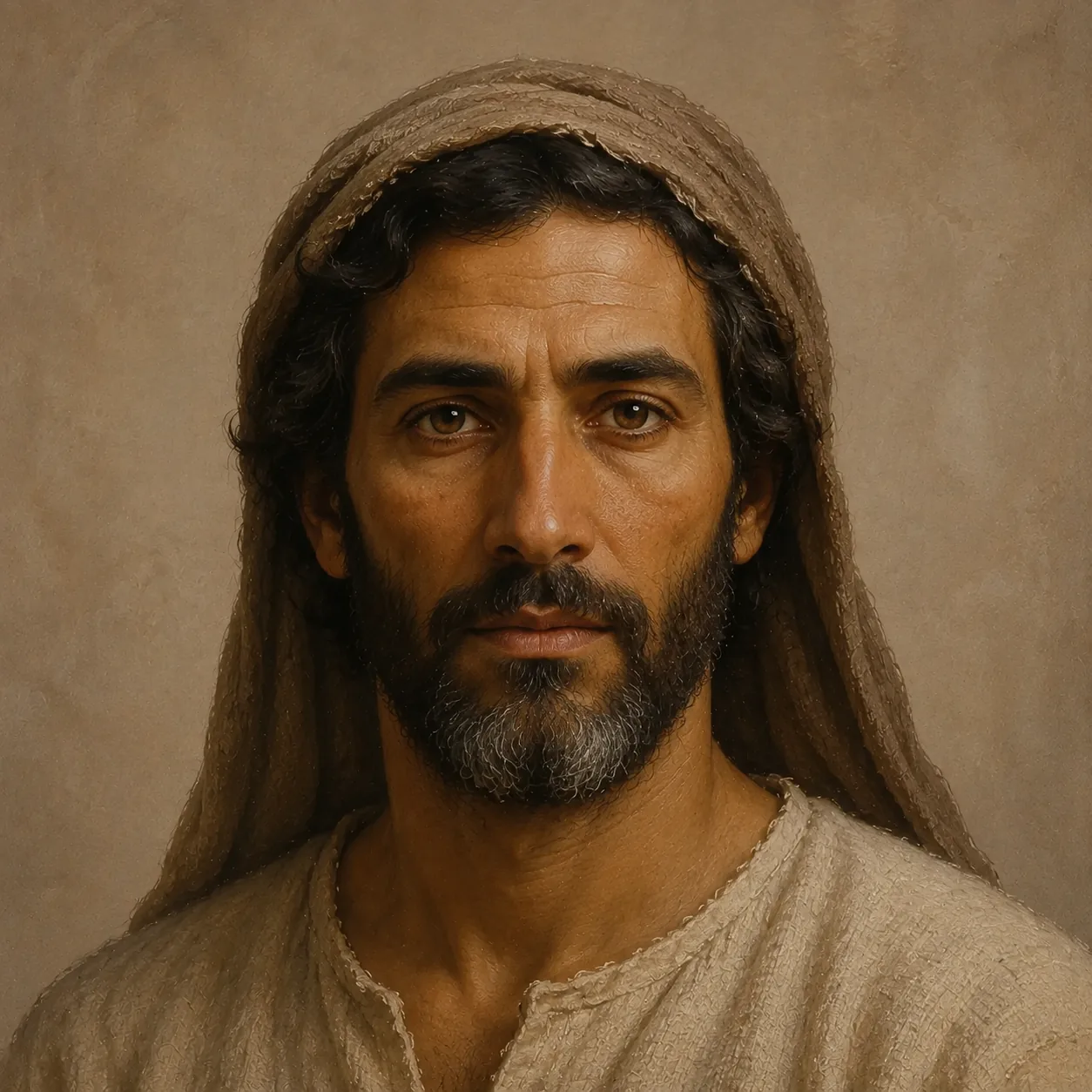 Jacob
Jacob David
David John the Baptist
 Abraham
 Aaron
Aaron Herod the king
 Jesus Christ
 Joseph
 Judah
Judah
Also indexed here:
- Abijah
- Father of Elizabeth
- Theophilus
- Wife of Heli