Person in the New Testament
Zechariah
Zacharias: the priest made speechless who writes his son's name
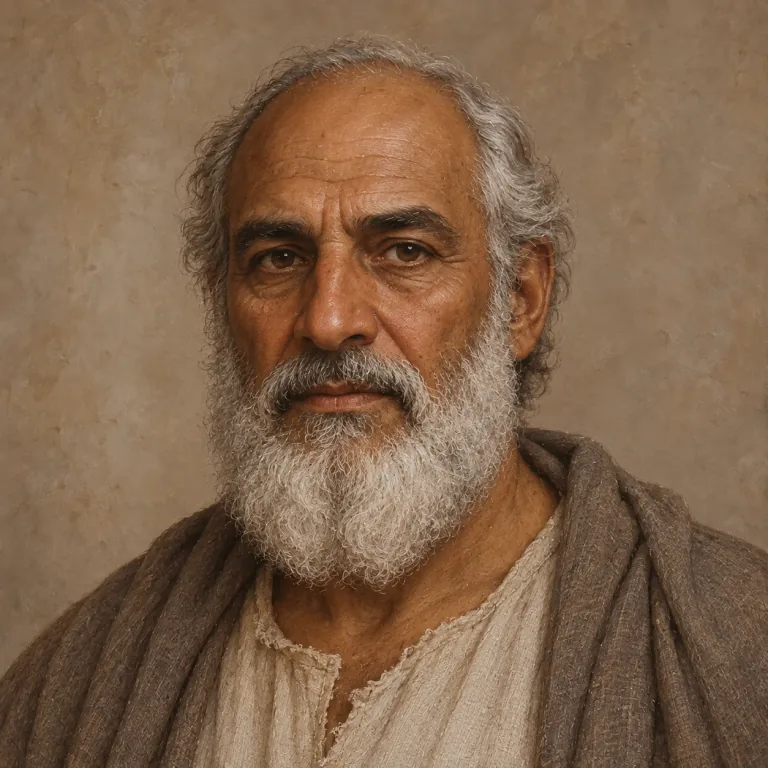
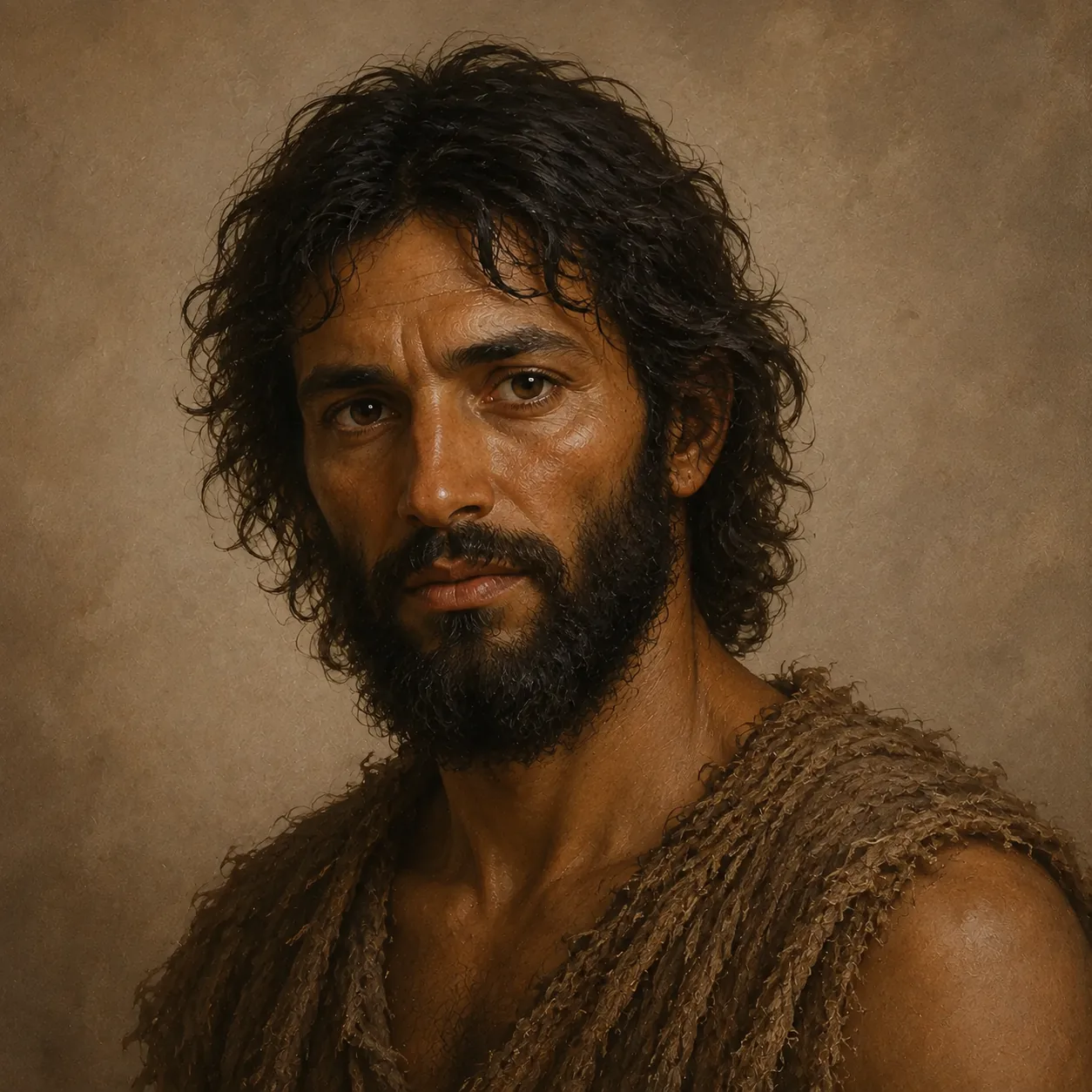
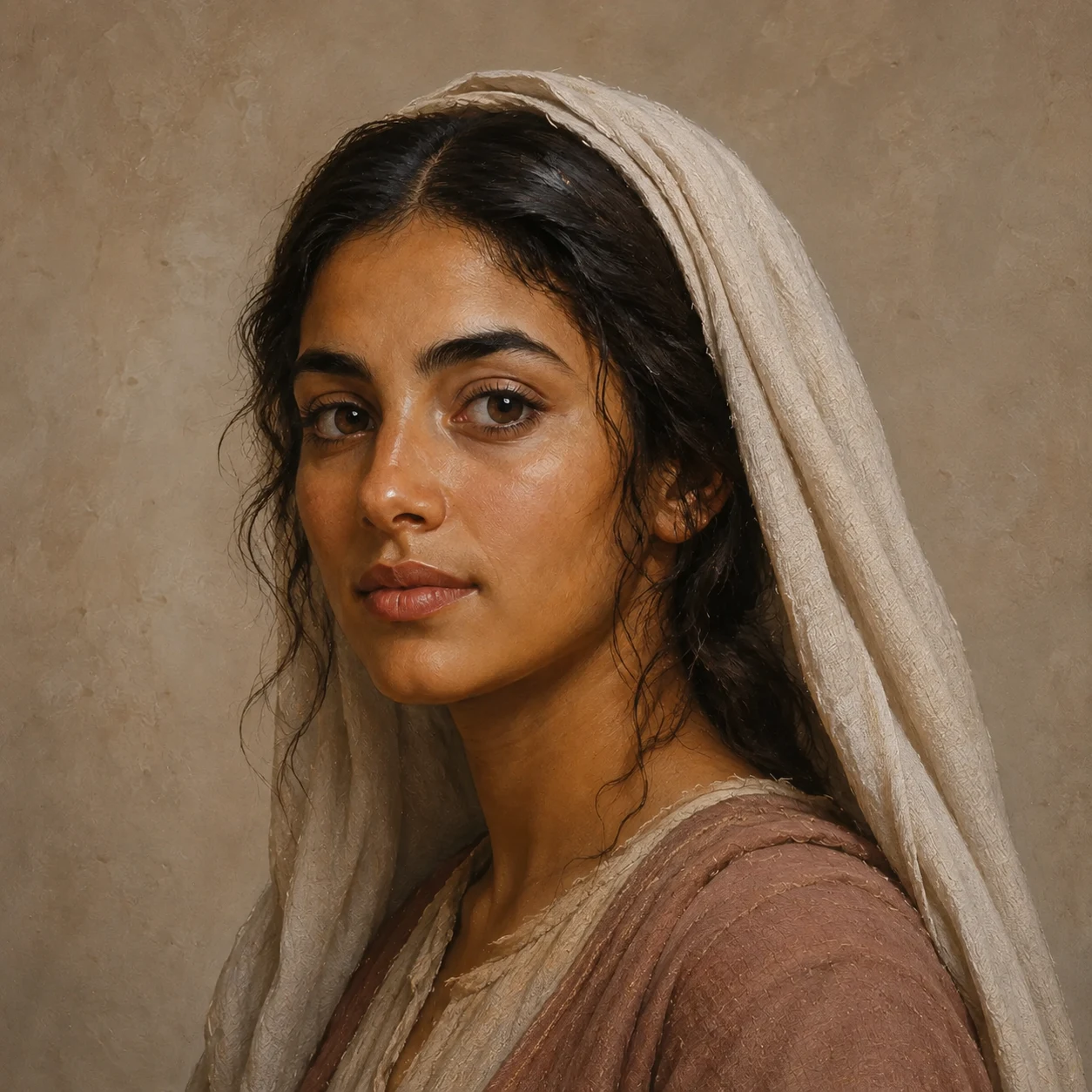
Portrait: an AI-generated artistic interpretation, not evidence of how Zechariah looked.
Who Zechariah is
Zacharias is a certain priest of the course of Abia in the days of Herod, the king of Judea, married to Elisabeth, and the narrator calls them both righteous and blameless. While serving in the order of his course, his lot is to burn incense in the temple, and an angel appears at the right side of the altar. Zacharias is troubled and afraid; the angel tells him his prayer is heard, that Elisabeth shall bear a son to be called John, and describes what the child will be and do. Zacharias asks, Whereby shall I know this? for I am an old man, and my wife well stricken in years. The angel answers that he is Gabriel, sent to speak to him, and that Zacharias shall be dumb until the words are performed. The people outside wonder at the delay, and when he comes out he cannot speak and beckons to them. He returns home when his days of ministration are ended. Later Mary enters his house. At the circumcision the family would call the child Zacharias after him, and they make signs to him; he asks for a writing table and writes, His name is John. His mouth is opened, he speaks and praises God, and, filled with the Holy Ghost, he prophesies about the Lord God of Israel, an horn of salvation, the oath sworn to Abraham, and the child who shall go before the face of the Lord. A later chapter identifies John as the son of Zacharias.
Cited passages: Luke 1:5, Luke 1:6, Luke 1:8, Luke 1:9, Luke 1:11, Luke 1:12, Luke 1:13, Luke 1:14, Luke 1:17, Luke 1:18, Luke 1:19, Luke 1:20, Luke 1:21, Luke 1:22, Luke 1:23, Luke 1:40, Luke 1:59, Luke 1:62, Luke 1:63, Luke 1:64, Luke 1:67, Luke 1:68, Luke 1:69, Luke 1:73, Luke 1:76, Luke 3:2
Historical setting
This Zacharias is identified by his course, his wife and his son: a priest of the course of Abia, husband of Elisabeth, and the father whose son is named John, a link the third chapter repeats when it calls John the son of Zacharias. The same book names a different Zacharias, which perished between the altar and the temple, in a saying about the blood of the prophets, and it makes no connection between the two men. Nothing in the account identifies him with any other man of the name. The text gives his own description of himself as an old man, but no number of years, no town, no account of his death and no further appearance after the prophecy. His silence is stated as a consequence given by the angel, because thou believest not my words, and it ends when the naming is settled.
Cited passages: Luke 1:5, Luke 1:13, Luke 1:18, Luke 1:20, Luke 1:59, Luke 1:63, Luke 1:64, Luke 3:2, Luke 11:51
How the story is told
The account is built around a mouth that closes and opens. Zacharias enters the temple to burn incense while the whole multitude prays outside, and he leaves unable to tell them what happened, so the first sign is one the crowd can see but not hear. His question at the altar is set beside Mary's question a few verses later, with different answers given to each. During his silence the household speech belongs to Elisabeth. The writing table returns his part to him in a single line, His name is John, which agrees with what his wife has already said, and his first recorded act afterward is praise. The long prophecy then moves from the God of Israel and the oath sworn to Abraham to a direct address to the child, so the man who could not speak ends by naming what his son will do.
Cited passages: Luke 1:9, Luke 1:10, Luke 1:18, Luke 1:20, Luke 1:22, Luke 1:34, Luke 1:60, Luke 1:63, Luke 1:64, Luke 1:67, Luke 1:68, Luke 1:73, Luke 1:76
Story moments
- The lot to burn incense (Luke 1:9). His course brings him into the temple to burn incense.
- Whereby shall I know this (Luke 1:18). He asks the angel for assurance, citing his age.
- Struck dumb (Luke 1:20). The angel says he will not speak until the words are performed.
- Beckoning to the people (Luke 1:22). He comes out unable to speak and they perceive a vision.
- His name is John (Luke 1:63). He asks for a writing table and writes the name.
- His speech returns (Luke 1:64). His mouth is opened and he praises God.
- He prophesies over the child (Luke 1:76). He addresses the child as the prophet of the Highest.
Key passages
Luke 1:5
There was in the days of Herod, the king of Judæa, a certain priest named Zacharias, of the course of Abia: and his wife was of the daughters of Aaron, and her name was Elisabeth.
Luke 1:12
And when Zacharias saw him, he was troubled, and fear fell upon him.
Luke 1:13
But the angel said unto him, Fear not, Zacharias: for thy prayer is heard; and thy wife Elisabeth shall bear thee a son, and thou shalt call his name John.
Luke 1:18
And Zacharias said unto the angel, Whereby shall I know this? for I am an old man, and my wife well stricken in years.
Luke 1:21
And the people waited for Zacharias, and marvelled that he tarried so long in the temple.
Luke 1:40
And entered into the house of Zacharias, and saluted Elisabeth.
King James Version. 9 indexed passages in total.
For reflection
Zacharias asks for a way to know, and the answer he receives is a sign he must carry in his own body for months. What does the text let you see about him during the silence?
Books Zechariah appears in
Related people
Names and references are adapted from STEPBible TIPNR. A person listed with a verse is named or indexed there; it does not mean they wrote or spoke it.