The Early Church · New Testament
Acts 22
Acts 22: Paul's defence in the Hebrew tongue and his claim of Roman birth
General context
The chapter opens inside the speech begun on the castle stairs. Paul asks the crowd to hear his defence, and the narrator notes in an aside that they keep the more silence when they hear the Hebrew tongue. He says he is a Jew born in Tarsus, brought up in Jerusalem at the feet of Gamaliel and taught according to the perfect manner of the law of the fathers, and that he persecuted this way unto the death, binding men and women and carrying letters from the high priest and the estate of the elders to Damascus. He describes a great light from heaven about noon, falling to the ground, and a voice asking why he persecutes, answering his question with the words I am Jesus of Nazareth. He says his companions saw the light but heard not the voice, and that he was led blind into Damascus. There Ananias, a devout man according to the law, restores his sight, tells him he is chosen to know God's will and be his witness unto all men, and tells him to arise and be baptized. Paul then reports a trance in the temple at Jerusalem in which he was told to leave quickly and was sent far hence unto the Gentiles. At that word the crowd shouts for his life, casts off clothes and throws dust. The chief captain orders him examined by scourging; bound with thongs, Paul asks the centurion whether it is lawful to scourge an uncondemned Roman. The chief captain says he obtained his freedom with a great sum, Paul says he was free born, the examiners withdraw, and the next day the captain looses him and sets him before the chief priests and council.
Cited passages: Acts 22:1, Acts 22:2, Acts 22:3, Acts 22:4, Acts 22:5, Acts 22:6, Acts 22:7, Acts 22:8, Acts 22:9, Acts 22:10, Acts 22:11, Acts 22:12, Acts 22:13, Acts 22:14, Acts 22:15, Acts 22:16, Acts 22:17, Acts 22:18, Acts 22:20, Acts 22:21, Acts 22:22, Acts 22:23, Acts 22:24, Acts 22:25, Acts 22:26, Acts 22:27, Acts 22:28, Acts 22:29, Acts 22:30
Acts 22 (KJV)
1Men, brethren, and fathers, hear ye my defence which I make now unto you.
2(And when they heard that he spake in the Hebrew tongue to them, they kept the more silence: and he saith,)
3I am verily a man which am a Jew, born in Tarsus, a city in Cilicia, yet brought up in this city at the feet of Gamaliel, and taught according to the perfect manner of the law of the fathers, and was zealous toward God, as ye all are this day.
4And I persecuted this way unto the death, binding and delivering into prisons both men and women.
5As also the high priest doth bear me witness, and all the estate of the elders: from whom also I received letters unto the brethren, and went to Damascus, to bring them which were there bound unto Jerusalem, for to be punished.
6And it came to pass, that, as I made my journey, and was come nigh unto Damascus about noon, suddenly there shone from heaven a great light round about me.
7And I fell unto the ground, and heard a voice saying unto me, Saul, Saul, why persecutest thou me?
8And I answered, Who art thou, Lord? And he said unto me, I am Jesus of Nazareth, whom thou persecutest.
9And they that were with me saw indeed the light, and were afraid; but they heard not the voice of him that spake to me.
10And I said, What shall I do, Lord? And the Lord said unto me, Arise, and go into Damascus; and there it shall be told thee of all things which are appointed for thee to do.
11And when I could not see for the glory of that light, being led by the hand of them that were with me, I came into Damascus.
12And one Ananias, a devout man according to the law, having a good report of all the Jews which dwelt there,
13Came unto me, and stood, and said unto me, Brother Saul, receive thy sight. And the same hour I looked up upon him.
14And he said, The God of our fathers hath chosen thee, that thou shouldest know his will, and see that Just One, and shouldest hear the voice of his mouth.
15For thou shalt be his witness unto all men of what thou hast seen and heard.
16And now why tarriest thou? arise, and be baptized, and wash away thy sins, calling on the name of the Lord.
17And it came to pass, that, when I was come again to Jerusalem, even while I prayed in the temple, I was in a trance;
18And saw him saying unto me, Make haste, and get thee quickly out of Jerusalem: for they will not receive thy testimony concerning me.
19And I said, Lord, they know that I imprisoned and beat in every synagogue them that believed on thee:
20And when the blood of thy martyr Stephen was shed, I also was standing by, and consenting unto his death, and kept the raiment of them that slew him.
21And he said unto me, Depart: for I will send thee far hence unto the Gentiles.
22And they gave him audience unto this word, and then lifted up their voices, and said, Away with such a fellow from the earth: for it is not fit that he should live.
23And as they cried out, and cast off their clothes, and threw dust into the air,
24The chief captain commanded him to be brought into the castle, and bade that he should be examined by scourging; that he might know wherefore they cried so against him.
25And as they bound him with thongs, Paul said unto the centurion that stood by, Is it lawful for you to scourge a man that is a Roman, and uncondemned?
26When the centurion heard that, he went and told the chief captain, saying, Take heed what thou doest: for this man is a Roman.
27Then the chief captain came, and said unto him, Tell me, art thou a Roman? He said, Yea.
28And the chief captain answered, With a great sum obtained I this freedom. And Paul said, But I was free born.
29Then straightway they departed from him which should have examined him: and the chief captain also was afraid, after he knew that he was a Roman, and because he had bound him.
30On the morrow, because he would have known the certainty wherefore he was accused of the Jews, he loosed him from his bands, and commanded the chief priests and all their council to appear, and brought Paul down, and set him before them.
This page shows the King James Version. In the app, reading opens in the Berean Standard Bible unless you have chosen another translation. The reader includes five translations: the Berean Standard Bible (BSB), the King James Version (KJV), the World English Bible (WEB), the Bible in Basic English (BBE), and the American Standard Version (ASV). Search covers three of them: Berean Standard, King James, and World English. Basic English and American Standard readers search the King James words.
Historical context
The Ananias of this chapter is described as a devout man according to the law with a good report of all the Jews at Damascus, and he is a different man from Ananias the high priest in the next chapter and from the Ananias who sold a possession earlier in the book. Paul's account of the Damascus event differs in detail from the narrated account earlier in Acts: here he says his companions saw the light but heard not the voice, while the earlier telling says the men stood speechless, hearing a voice, but seeing no man. The high priest and the estate of the elders are cited as witnesses of his earlier zeal and are not named. The Roman status of the two men rests on their own statements, a purchased freedom for the chief captain and birth for Paul, and no document is described. Gamaliel is named as the teacher of his upbringing, with nothing further said of him here. No dates are given.
Cited passages: Acts 22:3, Acts 22:5, Acts 22:9, Acts 22:12, Acts 22:13, Acts 22:20, Acts 22:27, Acts 22:28, Acts 22:29, Acts 9:7, Acts 9:10, Acts 5:1, Acts 23:2
Literary context
The defence is a speech made of other voices: the voice from heaven, Ananias in Damascus and the Lord in the temple trance all speak inside Paul's own account. Silence and shouting frame it. The crowd grows quieter at the sound of the Hebrew tongue and erupts at the word Gentiles, and the narrator marks the exact sentence at which the audience stopped listening. What follows repeats a pattern the book has already used at Philippi: a beating prepared, a claim of Roman citizenship, and officials suddenly afraid. The account of Stephen's death is placed in Paul's own mouth, so the chapter reports his part in it as testimony rather than as narration.
Cited passages: Acts 22:2, Acts 22:7, Acts 22:8, Acts 22:13, Acts 22:14, Acts 22:18, Acts 22:21, Acts 22:22, Acts 22:20, Acts 22:25, Acts 22:29, Acts 16:37, Acts 16:38
Key moments
- Silence at the Hebrew tongue (Acts 22:2). The crowd keeps the more silence when it hears Paul speak in the Hebrew tongue.
- The voice on the Damascus road (Acts 22:7). Paul recounts falling to the ground and hearing a voice ask why he persecutes.
- Ananias restores his sight (Acts 22:13). A devout man named Ananias comes to him and tells him to receive his sight.
- Sent to the Gentiles (Acts 22:21). Paul reports being told in the temple trance to depart far hence unto the Gentiles.
- The crowd breaks off (Acts 22:22). At that word the hearers lift their voices and call for him to be removed from the earth.
- Is it lawful to scourge a Roman (Acts 22:25). Bound with thongs, Paul asks the centurion about scourging an uncondemned Roman.
- Free born (Acts 22:28). The chief captain says he bought his freedom, and Paul answers that he was free born.
For reflection
The crowd gives him audience through the whole account and breaks off at the sentence about being sent far hence unto the Gentiles. What does that show about which part of a story an audience is willing to hear?
People in this chapter
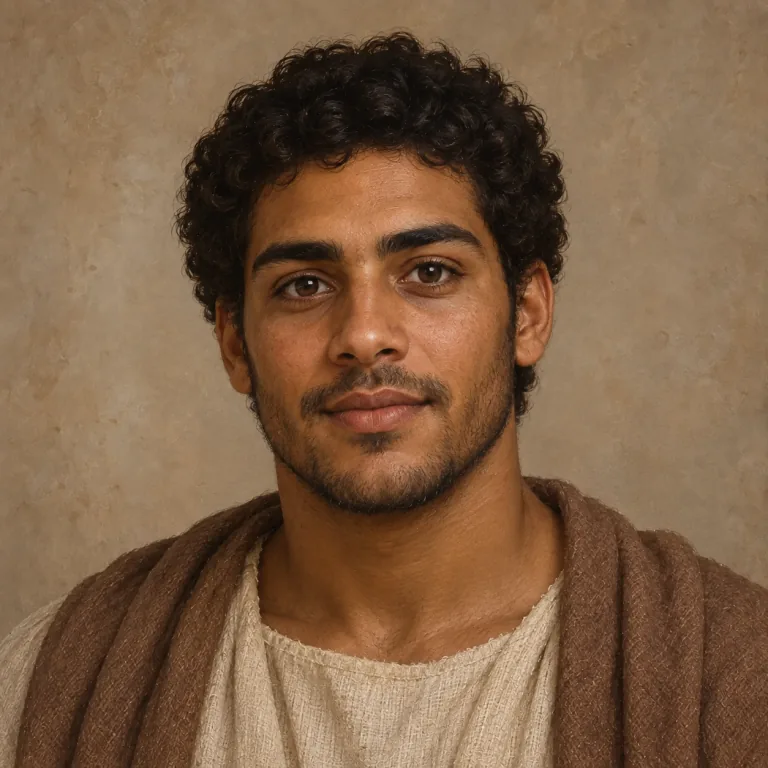
Also indexed here:
- Gamaliel