Person in the New Testament
Ananias of Damascus
Ananias of Damascus: the disciple sent to Saul
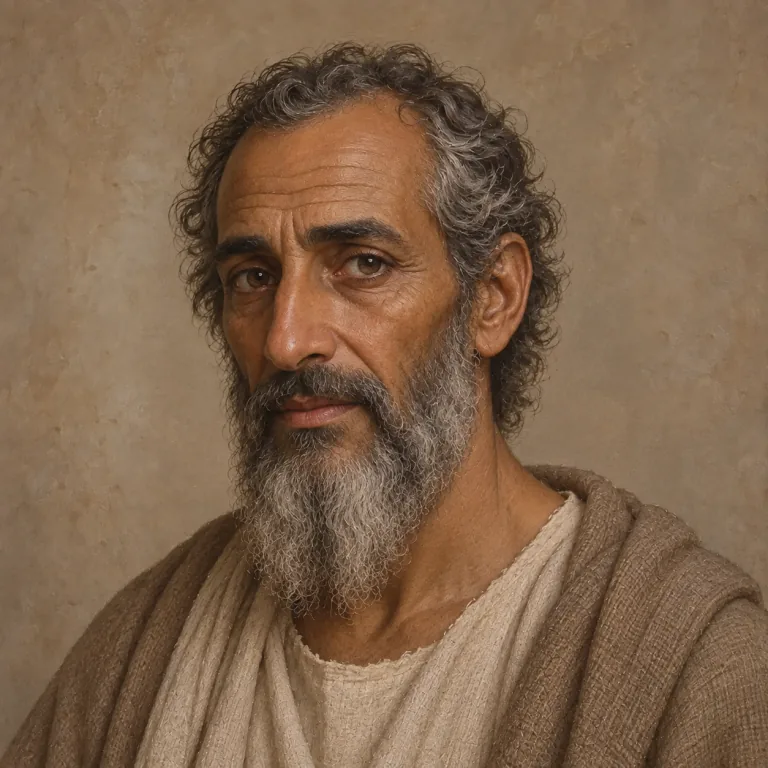
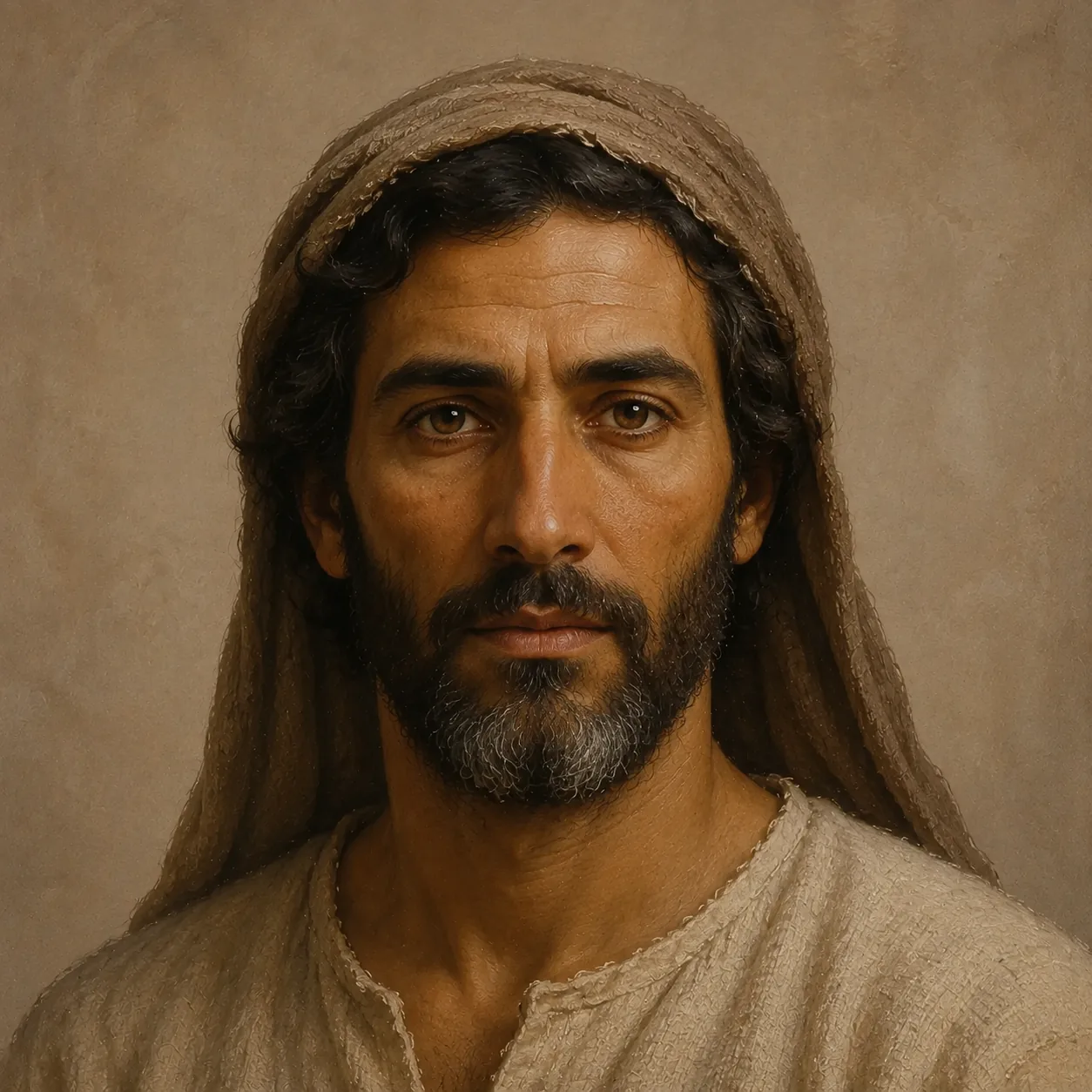
Portrait: an AI-generated artistic interpretation, not evidence of how Ananias looked.
Who Ananias is
This Ananias is introduced at Acts 9:10 as a certain disciple at Damascus. The Lord calls him by name in a vision and he answers, Behold, I am here, Lord. He is told to go to the street which is called Straight and ask at the house of Judas for Saul of Tarsus, who is praying and who has already seen in a vision a man named Ananias coming in and putting his hand on him. Ananias answers with what he has heard, that this man has done much evil to the saints at Jerusalem and has authority from the chief priests to bind all that call on thy name. The Lord tells him to go, calls Saul a chosen vessel to bear his name before the Gentiles and kings and the children of Israel, and says he will be shown how great things he must suffer. Ananias goes, enters the house, puts his hands on him and calls him Brother Saul, saying the Lord who appeared to him in the way has sent him so that Saul may receive his sight and be filled with the Holy Ghost. Scales fall from Saul's eyes. In Paul's own later account the same man is called one Ananias, a devout man according to the law, having a good report of all the Jews which dwelt there, who tells him to receive his sight and then to arise, and be baptized, and wash away thy sins.
Cited passages: Acts 9:10, Acts 9:11, Acts 9:12, Acts 9:13, Acts 9:14, Acts 9:15, Acts 9:16, Acts 9:17, Acts 9:18, Acts 22:12, Acts 22:13, Acts 22:14, Acts 22:16
Historical setting
Acts names three different men called Ananias and keeps them apart. This one is a certain disciple at Damascus. A different Ananias is the husband of Sapphira who dies at Jerusalem in Acts 5, and a third is a high priest named Ananias who appears later in the book. Nothing links them in the text. Of the Damascus disciple the text gives no family, no trade and no office beyond the word disciple, and the later description in Paul's speech adds only that he was a devout man according to the law with a good report of all the Jews which dwelt there. The two accounts differ in what they report: Acts 9 prints his exchange with the Lord and his objection, while Acts 22 gives his words to Saul, including the instruction about baptism, which the earlier account does not quote. Nothing is said of him before or after these scenes.
Cited passages: Acts 9:10, Acts 5:1, Acts 5:5, Acts 23:2, Acts 24:1, Acts 22:12, Acts 9:13, Acts 22:16
How the story is told
Ananias is given something the chapter gives to almost no one else, an argument with the instruction he receives. His objection is printed in full rather than summarized, and it is built from report rather than experience, since he begins, I have heard by many of this man. The vision is doubled: he is told that Saul has already seen him coming in and putting his hand on him, so the reader knows the outcome before he consents. His first recorded words to Saul are the greeting Brother Saul, set directly against the description he had just given of the same man. Then he leaves the account. Paul's retelling brings him back only as a witness, described by his standing among the Jews at Damascus.
Cited passages: Acts 9:13, Acts 9:14, Acts 9:12, Acts 9:17, Acts 9:10, Acts 22:12
Story moments
- Behold, I am here, Lord (Acts 9:10). Called by name in a vision, Ananias answers before he is told the errand.
- Sent to the street called Straight (Acts 9:11). He is told where to find Saul of Tarsus and that the man is praying.
- I have heard by many (Acts 9:13). Ananias objects by repeating what he has heard about Saul's treatment of the saints.
- A chosen vessel (Acts 9:15). The Lord answers the objection and says what Saul will be sent to do.
- Brother Saul (Acts 9:17). Ananias enters the house, lays hands on Saul and greets him as a brother.
- Named again by Paul (Acts 22:12). In his own later account Paul describes Ananias as a devout man well reported of by the Jews at Damascus.
Key passages
Acts 9:10
And there was a certain disciple at Damascus, named Ananias; and to him said the Lord in a vision, Ananias. And he said, Behold, I am here, Lord.
Acts 9:12
And hath seen in a vision a man named Ananias coming in, and putting his hand on him, that he might receive his sight.
Acts 9:13
Then Ananias answered, Lord, I have heard by many of this man, how much evil he hath done to thy saints at Jerusalem:
Acts 9:17
And Ananias went his way, and entered into the house; and putting his hands on him said, Brother Saul, the Lord, even Jesus, that appeared unto thee in the way as thou camest, hath sent me, that thou mightest receive thy sight, and be filled with the Holy Ghost.
Acts 22:12
And one Ananias, a devout man according to the law, having a good report of all the Jews which dwelt there,
King James Version. 5 indexed passages in total.
For reflection
Ananias answers the call before he knows the errand, then objects once he hears it, and greets the man as a brother. What does the text let you see about the distance between those three moments?
Books Ananias appears in
Related people



Names and references are adapted from STEPBible TIPNR. A person listed with a verse is named or indexed there; it does not mean they wrote or spoke it.