Person in the New Testament
Stephen
Stephen: one of the seven, accused before the council and stoned
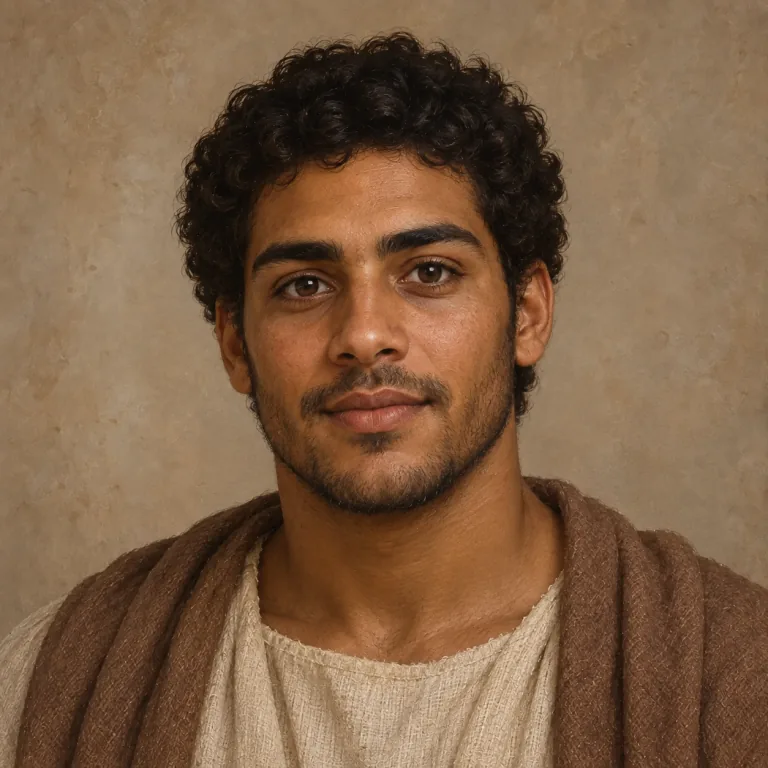
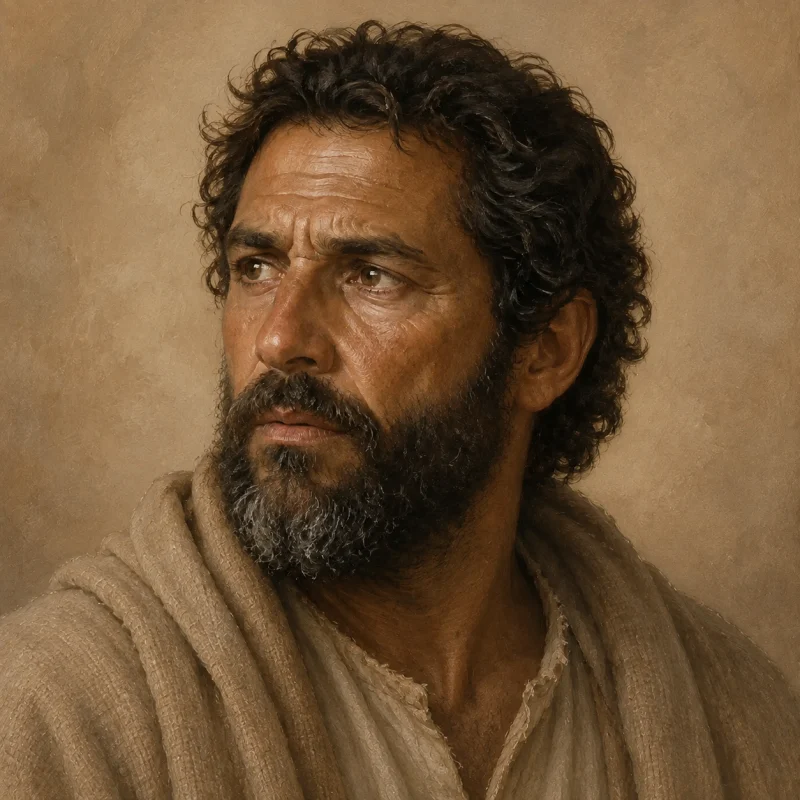
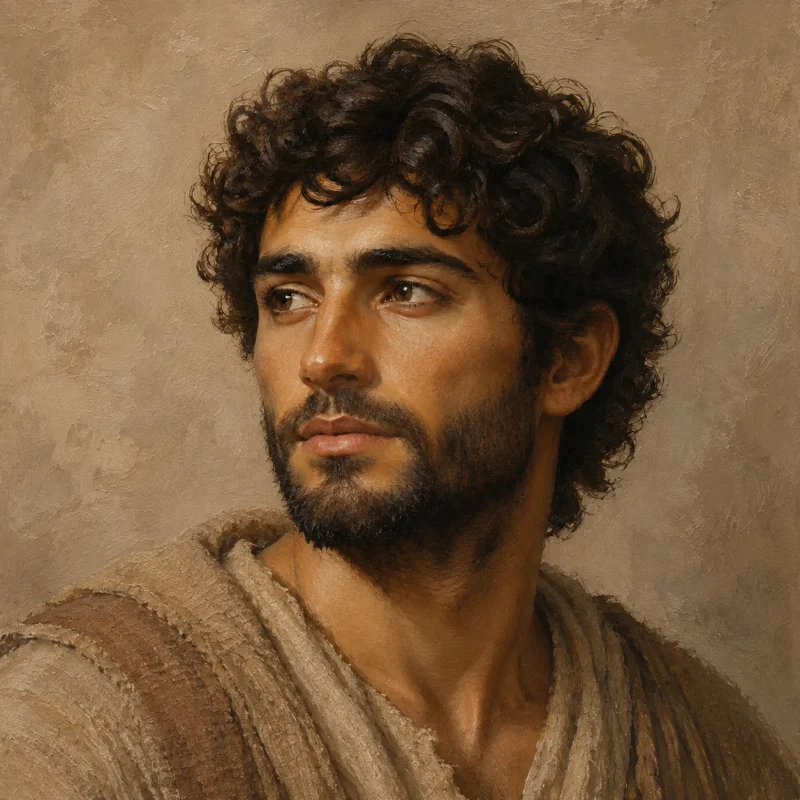
Portrait: an AI-generated artistic interpretation, not evidence of how Stephen looked.
Who Stephen is
Stephen is first named at Acts 6:5, among seven men the disciples choose, where he is called a man full of faith and of the Holy Ghost. The narrator then says he did great wonders and miracles among the people. Men of a named synagogue dispute with him and are not able to resist the wisdom and the spirit by which he spake, so they put forward men to say he spoke blasphemous words against Moses and against God, stir up the elders and scribes, seize him and bring him before the council with witnesses the narrator calls false. Those seated see his face as it had been the face of an angel. Asked whether the charges are so, he answers with a long account of Israel's past, then charges his hearers with resisting the Holy Ghost and with betraying and murdering the Just One. They gnash on him with their teeth. He says he sees the heavens opened and the Son of man standing on the right hand of God, and they stop their ears, cast him out of the city and stone him. He asks the Lord to receive his spirit and not to lay this sin to their charge, and the narrator says he fell asleep. Devout men carry him to his burial and make great lamentation. Two later verses look back: the scattering of believers is dated by the persecution that arose about Stephen, and Paul says he stood by, consenting to his death, and kept the raiment of them that slew him.
Cited passages: Acts 6:5, Acts 6:8, Acts 6:9, Acts 6:10, Acts 6:11, Acts 6:12, Acts 6:13, Acts 6:15, Acts 7:1, Acts 7:51, Acts 7:52, Acts 7:54, Acts 7:56, Acts 7:57, Acts 7:58, Acts 7:59, Acts 7:60, Acts 8:2, Acts 11:19, Acts 22:20
Historical setting
Nothing is said of Stephen before Acts 6:5, no family, no home town, no age and no trade. He is identified only as one of the seven chosen when the Grecians complained about their widows, and the text uses no title for that group. Both parts of the case against him are marked by the narrator: the men who repeat the charge were suborned, and the witnesses are called false, so the words about destroying this place and changing the customs are the accusers' and not the narrator's. Saul appears at the stoning only as a young man at whose feet the witnesses lay their clothes, with his consent stated in the next verse. Two later passages refer back to him, one dating a scattering by the persecution that arose about Stephen, and one where Paul, speaking of himself, calls him thy martyr Stephen. The text does not say he was the first person killed for the name, gives no burial place beyond the notice that devout men carried him, and records nothing about the outcome for anyone who stoned him.
Cited passages: Acts 6:5, Acts 6:1, Acts 6:11, Acts 6:13, Acts 6:14, Acts 7:58, Acts 8:1, Acts 11:19, Acts 22:20, Acts 8:2
How the story is told
Stephen enters inside a list of seven names and is alone within three verses. The phrase full of is applied to him twice and grows, first full of faith and of the Holy Ghost and then full of faith and power. What his opponents cannot do is stated before what they then arrange, since they were not able to resist the wisdom and the spirit by which he spake. His answer fills almost a whole chapter and holds his hearers inside one shared story with the words our fathers until it turns on them directly. The last scene sets his sight against their stopped ears, and his two dying sentences stand side by side, one for himself and one for those killing him. After his death the book keeps using him as a marker of when the scattering began.
Cited passages: Acts 6:5, Acts 6:8, Acts 6:10, Acts 6:11, Acts 7:2, Acts 7:51, Acts 7:56, Acts 7:57, Acts 7:59, Acts 7:60, Acts 11:19
Story moments
- Chosen among the seven (Acts 6:5). The disciples choose Stephen first among seven men, calling him full of faith and of the Holy Ghost.
- They cannot resist him (Acts 6:10). Those disputing with Stephen are unable to resist the wisdom and spirit by which he speaks.
- False witnesses set up (Acts 6:13). Witnesses the narrator calls false accuse him of speaking against the holy place and the law.
- The charge turns direct (Acts 7:51). Stephen stops recounting the past and accuses his hearers of resisting the Holy Ghost.
- I see the heavens opened (Acts 7:56). He tells the council he sees the Son of man standing on the right hand of God.
- Lay not this sin to their charge (Acts 7:60). Stephen kneels, asks that the sin not be charged against them, and dies.
- Remembered by Paul (Acts 22:20). Paul later says he stood by at Stephen's death and kept the clothes of those who killed him.
Key passages
Acts 6:5
And the saying pleased the whole multitude: and they chose Stephen, a man full of faith and of the Holy Ghost, and Philip, and Prochorus, and Nicanor, and Timon, and Parmenas, and Nicolas a proselyte of Antioch:
Acts 6:8
And Stephen, full of faith and power, did great wonders and miracles among the people.
Acts 6:9
Then there arose certain of the synagogue, which is called the synagogue of the Libertines, and Cyrenians, and Alexandrians, and of them of Cilicia and of Asia, disputing with Stephen.
Acts 7:59
And they stoned Stephen, calling upon God, and saying, Lord Jesus, receive my spirit.
Acts 8:2
And devout men carried Stephen to his burial, and made great lamentation over him.
Acts 11:19
Now they which were scattered abroad upon the persecution that arose about Stephen travelled as far as Phenice, and Cyprus, and Antioch, preaching the word to none but unto the Jews only.
King James Version. 7 indexed passages in total.
For reflection
Almost everything the text gives about Stephen is either his own long speech or what other people see and say about him. What does it change for you that the account tells nothing of his life before he is chosen?
Books Stephen appears in
Related people
Names and references are adapted from STEPBible TIPNR. A person listed with a verse is named or indexed there; it does not mean they wrote or spoke it.