Person in the Old Testament
Jeroboam
Jeroboam son of Nebat: Israel's king after the division
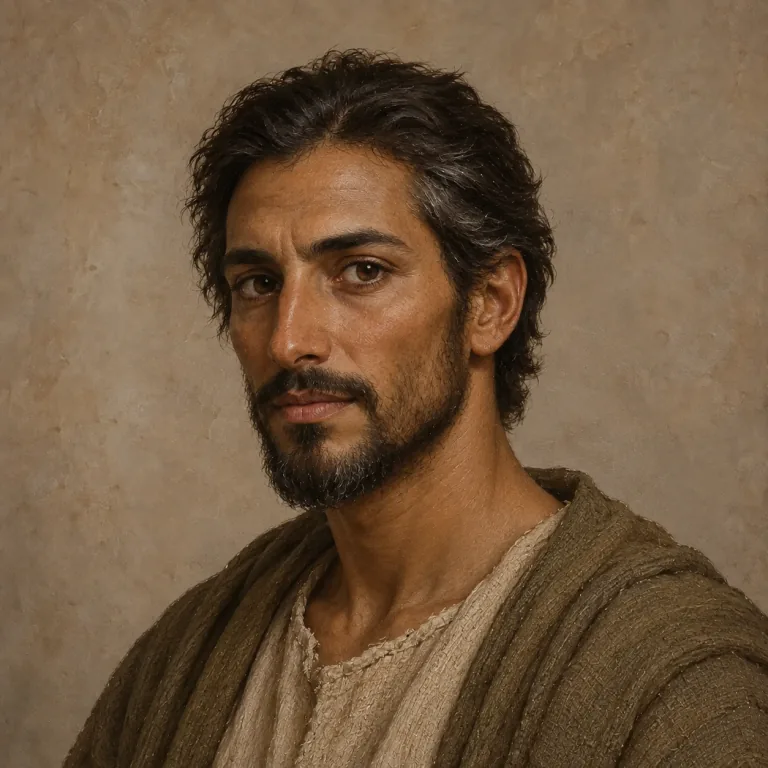
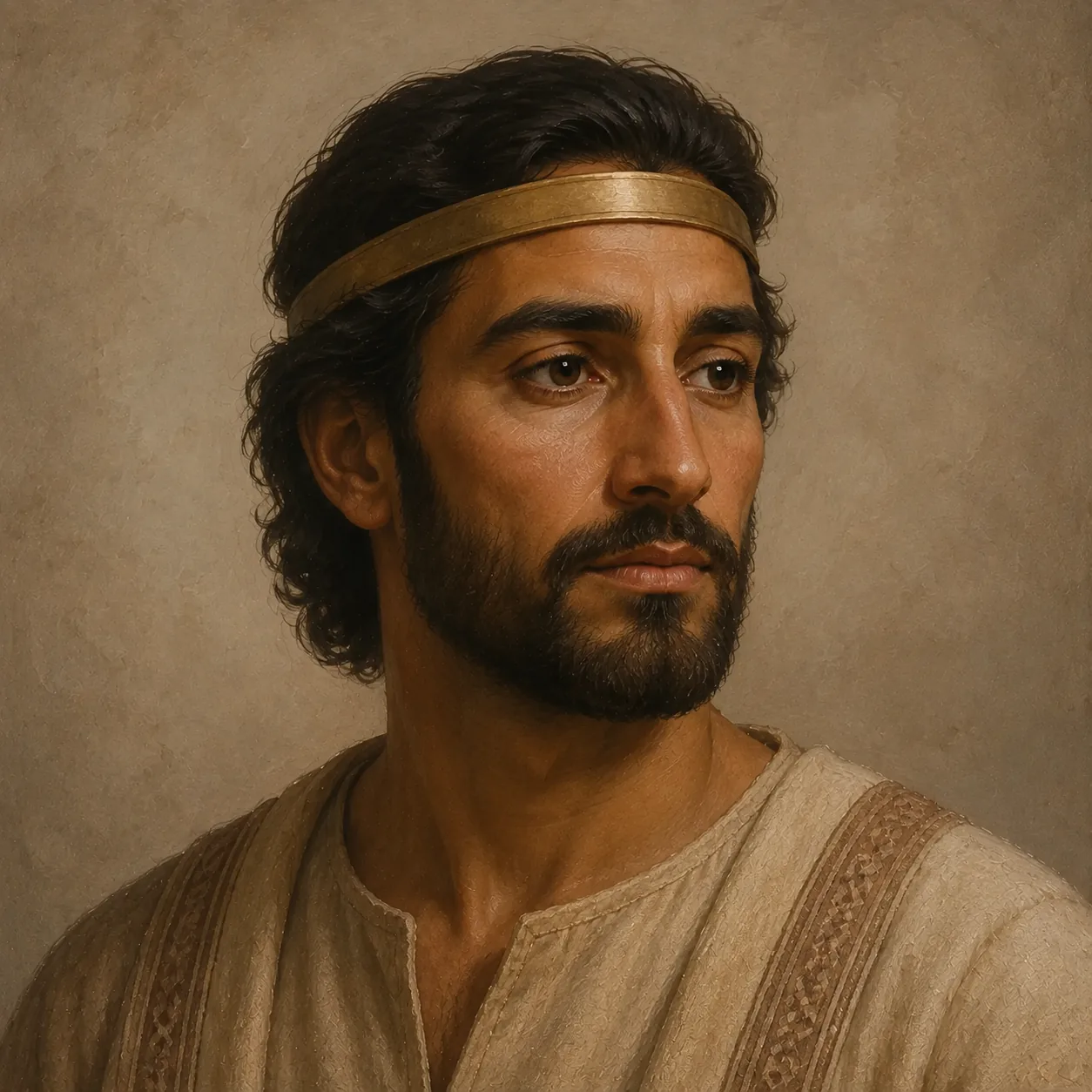
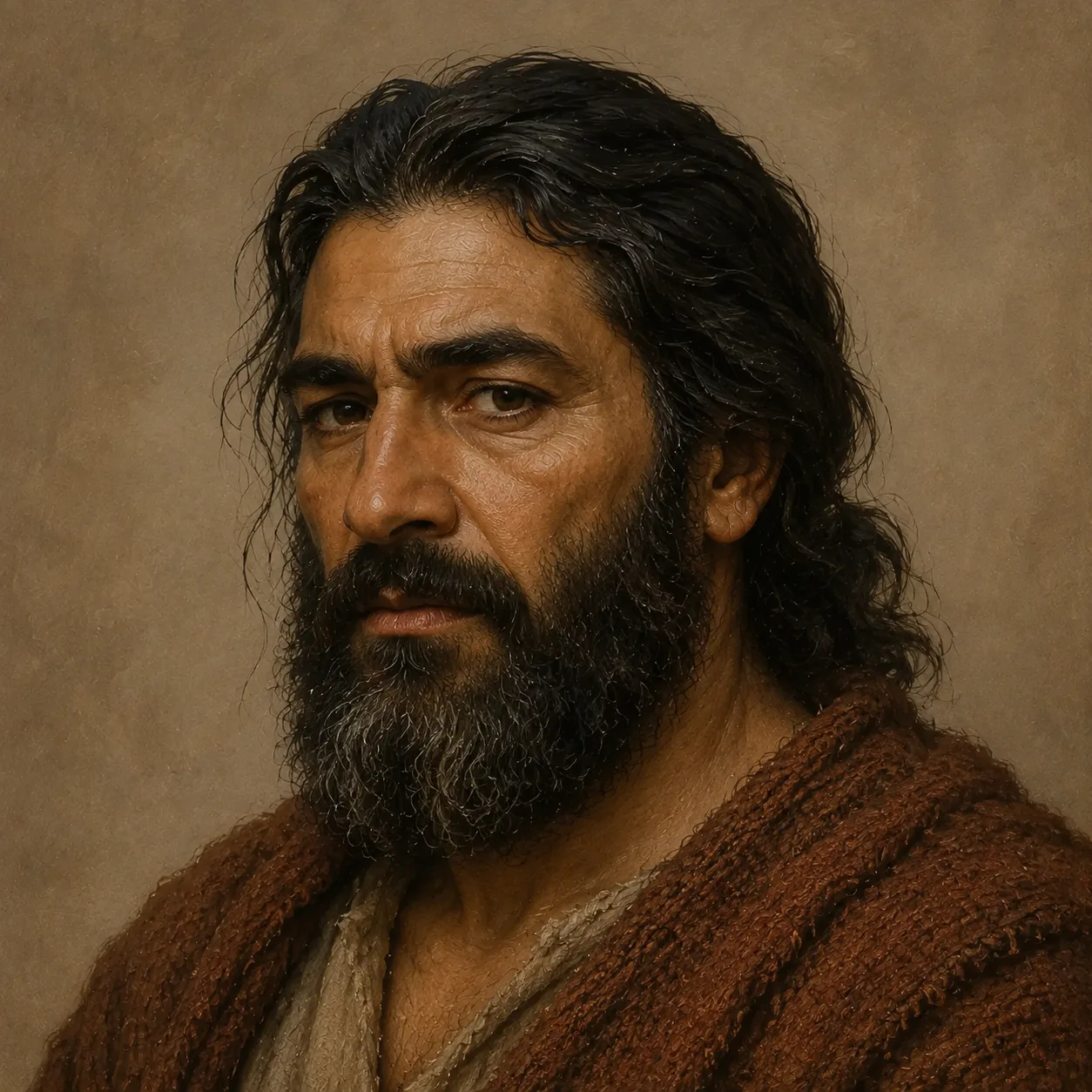
Portrait: an AI-generated artistic interpretation, not evidence of how Jeroboam looked.
Who Jeroboam is
Jeroboam son of Nebat serves Solomon and is placed over the work of Joseph's house. Ahijah promises him rule over ten tribes, but Solomon seeks his death and he flees to Egypt. He returns for the dispute over Rehoboam's rule, and Israel makes him king. Fearing that worship in Jerusalem will draw the people back to David's house, he sets golden calves at Bethel and Dan, appoints priests outside Levi and devises a feast. An altar sign and the restoration of his withered hand do not bring a change in his practice. When his son Abijah is sick, his disguised wife receives Ahijah's judgment on the house. Jeroboam reigns twenty-two years, is succeeded by Nadab, and his dynasty is later destroyed by Baasha.
Cited passages: 1 Kings 11:26, 1 Kings 11:27, 1 Kings 11:28, 1 Kings 11:29, 1 Kings 11:30, 1 Kings 11:31, 1 Kings 11:32, 1 Kings 11:33, 1 Kings 11:34, 1 Kings 11:35, 1 Kings 11:36, 1 Kings 11:37, 1 Kings 11:38, 1 Kings 11:39, 1 Kings 11:40, 1 Kings 12:2, 1 Kings 12:3, 1 Kings 12:4, 1 Kings 12:20, 1 Kings 12:26, 1 Kings 12:27, 1 Kings 12:28, 1 Kings 12:29, 1 Kings 12:30, 1 Kings 12:31, 1 Kings 12:32, 1 Kings 12:33, 1 Kings 13:1, 1 Kings 13:2, 1 Kings 13:3, 1 Kings 13:4, 1 Kings 13:5, 1 Kings 13:6, 1 Kings 13:33, 1 Kings 13:34, 1 Kings 14:1, 1 Kings 14:2, 1 Kings 14:3, 1 Kings 14:4, 1 Kings 14:5, 1 Kings 14:6, 1 Kings 14:7, 1 Kings 14:8, 1 Kings 14:9, 1 Kings 14:10, 1 Kings 14:11, 1 Kings 14:12, 1 Kings 14:13, 1 Kings 14:14, 1 Kings 14:15, 1 Kings 14:16, 1 Kings 14:17, 1 Kings 14:18, 1 Kings 14:20, 1 Kings 15:27, 1 Kings 15:28, 1 Kings 15:29, 1 Kings 15:30
Historical setting
This Jeroboam is Nebat's son, with Zeruah named as his widowed mother. He is distinct from the later Jeroboam son of Joash named at the opening of Hosea. Ahijah's promise includes obedience to the Lord's commands, so the gift of a kingdom is not an endorsement of every later choice. The narrator supplies Jeroboam's fear of losing kingdom and life as the reason behind the new worship arrangements. Later statements about other kings continuing his way describe his influence after death, not additional years of his own life.
Cited passages: 1 Kings 11:26, 1 Kings 11:37, 1 Kings 11:38, 1 Kings 12:26, 1 Kings 12:27, 1 Kings 12:28, 1 Kings 12:29, 1 Kings 12:30, 1 Kings 12:31, 1 Kings 12:32, 1 Kings 12:33, 1 Kings 14:20, 1 Kings 16:25, 1 Kings 16:26, 1 Kings 22:52, Hosea 1:1
How the story is told
The kingdom promised through a prophet becomes something Jeroboam tries to secure through altered worship. The narrative repeats warnings and signs while repeatedly describing his failure to turn back. The restored hand gives him relief but is not followed by a changed course. His name then becomes a continuing standard of adverse comparison for later kings, extending the consequences of his reign beyond the survival of his house.
Cited passages: 1 Kings 11:31, 1 Kings 11:32, 1 Kings 11:33, 1 Kings 11:34, 1 Kings 11:35, 1 Kings 11:36, 1 Kings 11:37, 1 Kings 11:38, 1 Kings 12:26, 1 Kings 12:27, 1 Kings 12:28, 1 Kings 12:29, 1 Kings 12:30, 1 Kings 12:31, 1 Kings 12:32, 1 Kings 12:33, 1 Kings 13:4, 1 Kings 13:5, 1 Kings 13:6, 1 Kings 13:33, 1 Kings 13:34, 1 Kings 14:7, 1 Kings 14:8, 1 Kings 14:9, 1 Kings 14:10, 1 Kings 14:11, 1 Kings 14:12, 1 Kings 14:13, 1 Kings 14:14, 1 Kings 14:15, 1 Kings 14:16, 1 Kings 16:25, 1 Kings 16:26
Story moments
- Ten tribes promised (1 Kings 11:31). Ahijah tells Jeroboam to take ten pieces of the torn garment.
- Flight to Egypt (1 Kings 11:40). Jeroboam escapes when Solomon seeks to kill him.
- Made king over Israel (1 Kings 12:20). The assembly makes Jeroboam king after the break with David's house.
- Golden calves established (1 Kings 12:28). Jeroboam introduces the calves as an alternative to going to Jerusalem.
- His hand restored (1 Kings 13:6). The man of God prays and Jeroboam's hand is restored.
- Judgment announced to his wife (1 Kings 14:12). Ahijah tells Jeroboam's wife that the child will die when she returns.
- His house destroyed (1 Kings 15:29). After Jeroboam's death, Baasha destroys his house as the narrator recalls Ahijah's word.
Key passages
1 Kings 11:26
And Jeroboam the son of Nebat, an Ephrathite of Zereda, Solomon’s servant, whose mother’s name was Zeruah, a widow woman, even he lifted up his hand against the king.
1 Kings 11:28
And the man Jeroboam was a mighty man of valour: and Solomon seeing the young man that he was industrious, he made him ruler over all the charge of the house of Joseph.
1 Kings 11:29
And it came to pass at that time when Jeroboam went out of Jerusalem, that the prophet Ahijah the Shilonite found him in the way; and he had clad himself with a new garment; and they two were alone in the field:
1 Kings 11:31
And he said to Jeroboam, Take thee ten pieces: for thus saith the Lord, the God of Israel, Behold, I will rend the kingdom out of the hand of Solomon, and will give ten tribes to thee:
1 Kings 11:40
Solomon sought therefore to kill Jeroboam. And Jeroboam arose, and fled into Egypt, unto Shishak king of Egypt, and was in Egypt until the death of Solomon.
1 Kings 12:2
And it came to pass, when Jeroboam the son of Nebat, who was yet in Egypt, heard of it, (for he was fled from the presence of king Solomon, and Jeroboam dwelt in Egypt;)
King James Version. 81 indexed passages in total.
For reflection
How does Jeroboam's stated fear interact with the promise he has received and the choices he makes about worship?
Books Jeroboam appears in
Related people
Names and references are adapted from STEPBible TIPNR. A person listed with a verse is named or indexed there; it does not mean they wrote or spoke it.