Person in the Old and New Testaments
Zerubbabel
Zerubbabel: the son of Shealtiel who led the return and the rebuilding of the house
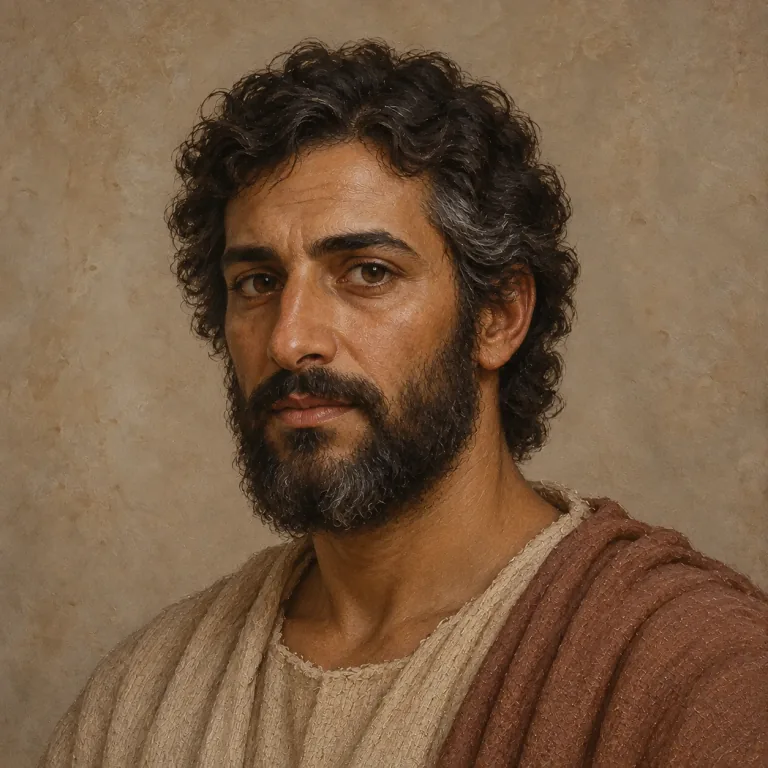
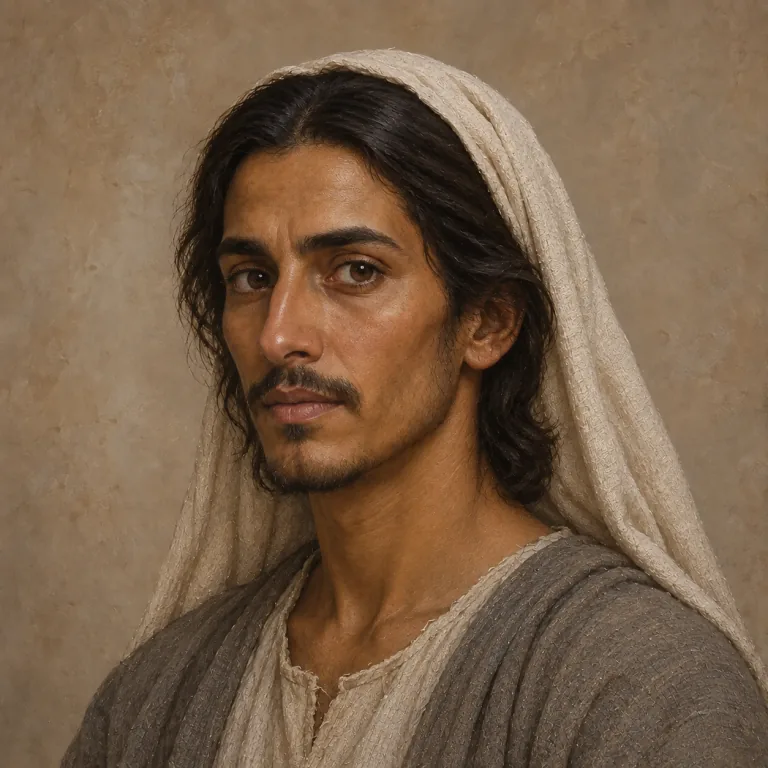
Portrait: an AI-generated artistic interpretation, not evidence of how Zerubbabel looked.
Who Zerubbabel is
Zerubbabel heads the register of those who came up from Babylon to Jerusalem and Judah after Nebuchadnezzar's captivity. With Jeshua the son of Jozadak he builds the altar in the seventh month and, in the second year, sets the Levites to oversee the work on the house of the Lord as the foundation is laid. When adversaries ask to build with them, Zerubbabel, Jeshua and the chief of the fathers refuse, and the people of the land weaken their hands until the work stops. After Haggai and Zechariah prophesy in the second year of Darius, he and Jeshua rise and begin to build again. Haggai's oracles are addressed to him as governor of Judah: the Lord stirs up his spirit and the people's, tells him to be strong and work, and in a final word says the Lord will take him as a signet, for he has chosen him. Zechariah's vision of the candlestick carries the word to Zerubbabel that it is not by might nor by power but by the Lord's spirit, that the great mountain will become a plain before him, and that his hands laid the foundation and will finish the house. Nehemiah records the priests and Levites who went up with him and the portions given in his days. Chronicles places him among the sons of Pedaiah and names his sons Meshullam and Hananiah with their sister Shelomith, then five more; Matthew's genealogy has Salathiel beget Zorobabel and Zorobabel beget Abiud, and Luke lists Zorobabel as son of Salathiel.
Cited passages: Ezra 2:1, Ezra 2:2, Ezra 3:2, Ezra 3:8, Ezra 4:2, Ezra 4:3, Ezra 4:4, Ezra 5:2, Haggai 1:1, Haggai 1:14, Haggai 2:4, Haggai 2:23, Zechariah 4:6, Zechariah 4:7, Zechariah 4:9, Nehemiah 12:1, Nehemiah 12:47, 1 Chronicles 3:19, 1 Chronicles 3:20, Matthew 1:12, Matthew 1:13, Luke 3:27
Historical setting
Ezra, Haggai and Nehemiah call Zerubbabel the son of Shealtiel, and Matthew has Salathiel beget Zorobabel, but 1 Chronicles 3 lists him among the sons of Pedaiah, who is named with Salathiel among the sons of Jeconiah; the text gives both without reconciling them. Matthew names Jechonias as Salathiel's father, while Luke names Neri, and Matthew's son Abiud does not appear among the sons listed in Chronicles. Haggai alone gives him the title governor of Judah; Ezra never does, though Darius's decree in Ezra 6 refers to an unnamed governor of the Jews. The book of Ezra also tells of Sheshbazzar, the prince of Judah who received the vessels from Cyrus and, in the elders' account, laid the foundation as governor. The text never says that Sheshbazzar and Zerubbabel are the same man, and Ezra 3 credits the foundation to Zerubbabel, Jeshua and the builders; the relation between the two names is left open. Zechariah's two anointed ones are not named in the text. Haggai's signet oracle is dated to the second year of Darius and says nothing further about his life; no book records his death, and he is absent from Ezra's account of the temple's completion and dedication in Darius's sixth year, where the builders are called the elders of the Jews.
Cited passages: Ezra 3:2, Haggai 1:12, 1 Chronicles 3:17, 1 Chronicles 3:18, 1 Chronicles 3:19, Matthew 1:12, Luke 3:27, Matthew 1:13, Haggai 2:21, Ezra 6:7, Ezra 1:8, Ezra 5:14, Ezra 5:16, Ezra 3:10, Zechariah 4:14, Haggai 2:10, Ezra 6:14
How the story is told
In Ezra, Zerubbabel is almost always paired with Jeshua and never speaks alone; the refusal to the adversaries is a joint statement, and the narrative gives him actions rather than words. Haggai and Zechariah turn him into an addressee: the Lord stirs up his spirit, commands him to be strong, and promises that the mountain will flatten before him and that his hands will finish what they began. The signet image in Haggai's last oracle stands apart from the building story and speaks of choice rather than construction. Zechariah's word to him, not by might nor by power, is set inside a vision he does not appear in, so his name arrives as the interpretation of a candlestick. The genealogies in Chronicles, Matthew and Luke treat him as a link in a line rather than a builder, and Matthew places him in the sequence after the carrying away to Babylon. Across these books he is the figure through whom the return is dated and remembered, in the days of Zerubbabel, more than a character whose inner life is shown.
Cited passages: Ezra 4:3, Ezra 5:2, Haggai 1:14, Haggai 2:4, Zechariah 4:7, Zechariah 4:9, Haggai 2:23, Zechariah 4:6, Zechariah 4:2, Matthew 1:12, Nehemiah 12:47
Story moments
- At the head of the return (Ezra 2:2). The register of returning captives names Zerubbabel first among the leaders.
- The altar rebuilt (Ezra 3:2). With Jeshua he builds the altar and restores burnt offerings.
- The adversaries refused (Ezra 4:3). Zerubbabel and Jeshua deny the settlers any part in building the house.
- Rising to build again (Ezra 5:2). After the prophets speak, he and Jeshua resume the work on the house.
- Spirit stirred by the Lord (Haggai 1:14). Haggai reports the Lord stirring the governor, the high priest and the people to work.
- Chosen as a signet (Haggai 2:23). The final oracle of Haggai calls Zerubbabel the Lord's servant and signet.
- Hands that will finish (Zechariah 4:9). Zechariah's word promises that Zerubbabel's hands will complete the house they founded.
Key passages
1 Chronicles 3:19
And the sons of Pedaiah were, Zerubbabel, and Shimei: and the sons of Zerubbabel; Meshullam, and Hananiah, and Shelomith their sister:
Ezra 1:8
Even those did Cyrus king of Persia bring forth by the hand of Mithredath the treasurer, and numbered them unto Sheshbazzar, the prince of Judah.
Ezra 1:11
All the vessels of gold and of silver were five thousand and four hundred. All these did Sheshbazzar bring up with them of the captivity that were brought up from Babylon unto Jerusalem.
Ezra 2:2
Which came with Zerubbabel: Jeshua, Nehemiah, Seraiah, Reelaiah, Mordecai, Bilshan, Mispar, Bigvai, Rehum, Baanah. The number of the men of the people of Israel:
Ezra 3:2
Then stood up Jeshua the son of Jozadak, and his brethren the priests, and Zerubbabel the son of Shealtiel, and his brethren, and builded the altar of the God of Israel, to offer burnt offerings thereon, as it is written in the law of Moses the man of God.
Ezra 3:8
Now in the second year of their coming unto the house of God at Jerusalem, in the second month, began Zerubbabel the son of Shealtiel, and Jeshua the son of Jozadak, and the remnant of their brethren the priests and the Levites, and all they that were come out of the captivity unto Jerusalem; and appointed the Levites, from twenty years old and upward, to set forward the work of the house of the Lord.
King James Version. 27 indexed passages in total.
For reflection
Zechariah tells Zerubbabel that his hands laid the foundation and will finish the house, yet Ezra's account of the finished temple names only the elders. What might it mean that the promise is personal and the completion is told without him?
Books Zerubbabel appears in
Related people

Names and references are adapted from STEPBible TIPNR. A person listed with a verse is named or indexed there; it does not mean they wrote or spoke it.