The Prophets · Old Testament
Haggai 1
Haggai 1: consider your ways, and the work on the house begins
General context
In the second year of Darius the king, in the sixth month, on the first day, the word of the Lord comes by Haggai the prophet to Zerubbabel the son of Shealtiel, governor of Judah, and to Joshua the son of Josedech, the high priest. The Lord of hosts reports that this people say the time has not come to build the Lord's house, and asks whether it is time for them to dwell in ceiled houses while this house lies waste. He tells them to consider their ways: they have sown much and brought in little, eaten without enough, drunk without being filled, clothed themselves without warmth, and earned wages into a bag with holes. They are to go up to the mountain, bring wood and build the house, and he will take pleasure in it. They looked for much and it came to little, and what they brought home he blew upon, because his house is waste while every man runs to his own house. Therefore the heaven is stayed from dew and the earth from fruit, and he has called for a drought on land, corn, wine, oil, men, cattle and all labour. Zerubbabel, Joshua and all the remnant of the people obey the Lord's voice and Haggai's words and fear before the Lord. Haggai, the Lord's messenger, delivers the Lord's message: "I am with you." The Lord stirs up the spirit of Zerubbabel, Joshua and the remnant, and they come and work in the house of the Lord of hosts on the twenty-fourth day of the sixth month in the second year of Darius.
Cited passages: Haggai 1:1, Haggai 1:2, Haggai 1:3, Haggai 1:4, Haggai 1:5, Haggai 1:6, Haggai 1:7, Haggai 1:8, Haggai 1:9, Haggai 1:10, Haggai 1:11, Haggai 1:12, Haggai 1:13, Haggai 1:14, Haggai 1:15
Haggai 1 (KJV)
1In the second year of Darius the king, in the sixth month, in the first day of the month, came the word of the Lord by Haggai the prophet unto Zerubbabel the son of Shealtiel, governor of Judah, and to Joshua the son of Josedech, the high priest, saying,
2Thus speaketh the Lord of hosts, saying, This people say, The time is not come, the time that the Lord’s house should be built.
3Then came the word of the Lord by Haggai the prophet, saying,
4Is it time for you, O ye, to dwell in your cieled houses, and this house lie waste?
5Now therefore thus saith the Lord of hosts; Consider your ways.
6Ye have sown much, and bring in little; ye eat, but ye have not enough; ye drink, but ye are not filled with drink; ye clothe you, but there is none warm; and he that earneth wages earneth wages to put it into a bag with holes.
7Thus saith the Lord of hosts; Consider your ways.
8Go up to the mountain, and bring wood, and build the house; and I will take pleasure in it, and I will be glorified, saith the Lord.
9Ye looked for much, and, lo, it came to little; and when ye brought it home, I did blow upon it. Why? saith the Lord of hosts. Because of mine house that is waste, and ye run every man unto his own house.
10Therefore the heaven over you is stayed from dew, and the earth is stayed from her fruit.
11And I called for a drought upon the land, and upon the mountains, and upon the corn, and upon the new wine, and upon the oil, and upon that which the ground bringeth forth, and upon men, and upon cattle, and upon all the labour of the hands.
12Then Zerubbabel the son of Shealtiel, and Joshua the son of Josedech, the high priest, with all the remnant of the people, obeyed the voice of the Lord their God, and the words of Haggai the prophet, as the Lord their God had sent him, and the people did fear before the Lord.
13Then spake Haggai the Lord’s messenger in the Lord’s message unto the people, saying, I am with you, saith the Lord.
14And the Lord stirred up the spirit of Zerubbabel the son of Shealtiel, governor of Judah, and the spirit of Joshua the son of Josedech, the high priest, and the spirit of all the remnant of the people; and they came and did work in the house of the Lord of hosts, their God,
15In the four and twentieth day of the sixth month, in the second year of Darius the king.
This page shows the King James Version. In the app, reading opens in the Berean Standard Bible unless you have chosen another translation. The reader includes five translations: the Berean Standard Bible (BSB), the King James Version (KJV), the World English Bible (WEB), the Bible in Basic English (BBE), and the American Standard Version (ASV). Search covers three of them: Berean Standard, King James, and World English. Basic English and American Standard readers search the King James words.
Historical context
The chapter is dated in its own verse text at both ends: "In the second year of Darius the king, in the sixth month, in the first day of the month" at verse 1, and "In the four and twentieth day of the sixth month, in the second year of Darius the king" at verse 15. Darius is called "the king" without further description, and the text gives no year in any other reckoning. The addressees are named with father and office: "Zerubbabel the son of Shealtiel, governor of Judah" and "Joshua the son of Josedech, the high priest." Ezra 5:1 records "Haggai the prophet, and Zechariah the son of Iddo" prophesying to the Jews in Judah and Jerusalem, and Ezra 6:14 says the elders "prospered through the prophesying of Haggai the prophet and Zechariah the son of Iddo"; Ezra spells the priest's name Jeshua the son of Jozadak. Haggai is called "the prophet" and "the Lord’s messenger" and is given no father or town. The people's saying, "The time is not come," is reported by the Lord, not narrated as a scene. The house is described only as "waste"; the chapter does not say what state it is in or what the workers do beyond "did work." The narrator states that the people obeyed and feared; no dissent is recorded.
Cited passages: Haggai 1:1, Haggai 1:15, Ezra 5:1, Ezra 6:14, Ezra 5:2, Haggai 1:13, Haggai 1:2, Haggai 1:4, Haggai 1:14, Haggai 1:12
Literary context
The chapter is framed by two dates twenty-three days apart, and the whole movement between them is from "The time is not come" to "they came and did work." The Lord's argument is built from contrasts: their ceiled houses against his waste house, their much sowing against little harvest. The command "Consider your ways" is given twice, at verses 5 and 7, and each time is followed by a list of frustrated labours. Verse 9 asks and answers its own question: "Why? saith the Lord of hosts. Because of mine house that is waste." The drought is stated as the Lord's own act, "I called for a drought," with a catalogue of what it touches. The response in verse 12 names the same three parties as the heading and adds fear. The brief message "I am with you" follows their obedience rather than preceding it. Chapter 2 continues with a new date and a question about the house's former glory.
Cited passages: Haggai 1:1, Haggai 1:15, Haggai 1:2, Haggai 1:14, Haggai 1:4, Haggai 1:6, Haggai 1:5, Haggai 1:7, Haggai 1:9, Haggai 1:11, Haggai 1:12, Haggai 1:13, Haggai 2:1, Haggai 2:3
Key moments
- The word by Haggai (Haggai 1:1). On the first day of the sixth month of Darius's second year the word comes to Zerubbabel and Joshua.
- The time is not come (Haggai 1:2). The Lord reports the people's saying that it is not time to build his house.
- Ceiled houses, waste house (Haggai 1:4). The Lord asks whether it is time to dwell in ceiled houses while his house lies waste.
- A bag with holes (Haggai 1:6). Their sowing, eating, drinking, clothing and wages all come to little.
- Go up and build (Haggai 1:8). The people are told to bring wood and build so the Lord may take pleasure in it.
- The people obey and fear (Haggai 1:12). Zerubbabel, Joshua and the remnant obey the Lord's voice.
- Work begins (Haggai 1:14). The Lord stirs up their spirits and they work on the house on the twenty-fourth day.
For reflection
The people say the time to build has not come, and the Lord points to their bags with holes as the answer. What does the chapter suggest about how a community decides that the time for something has or has not come?
People in this chapter
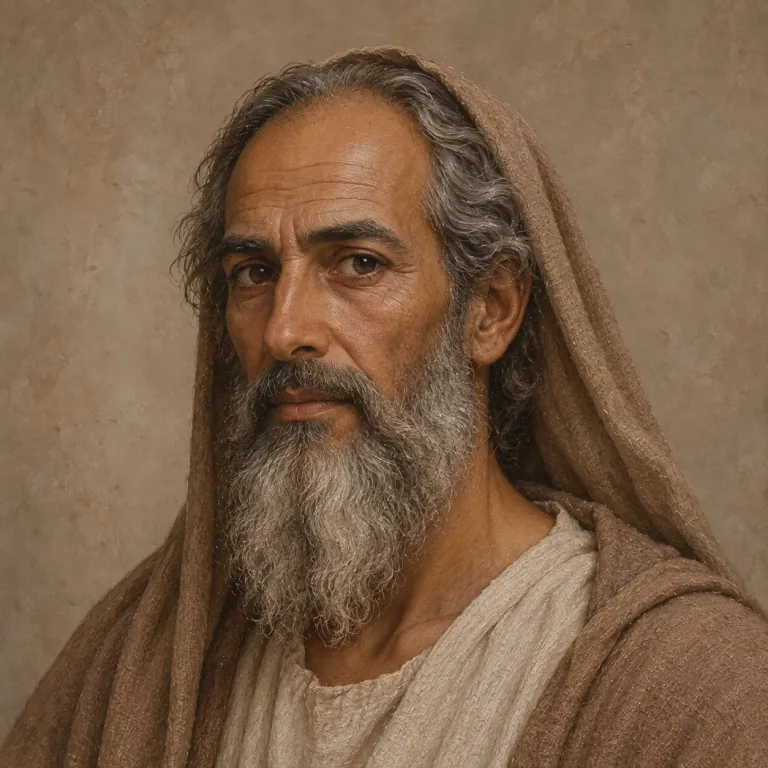
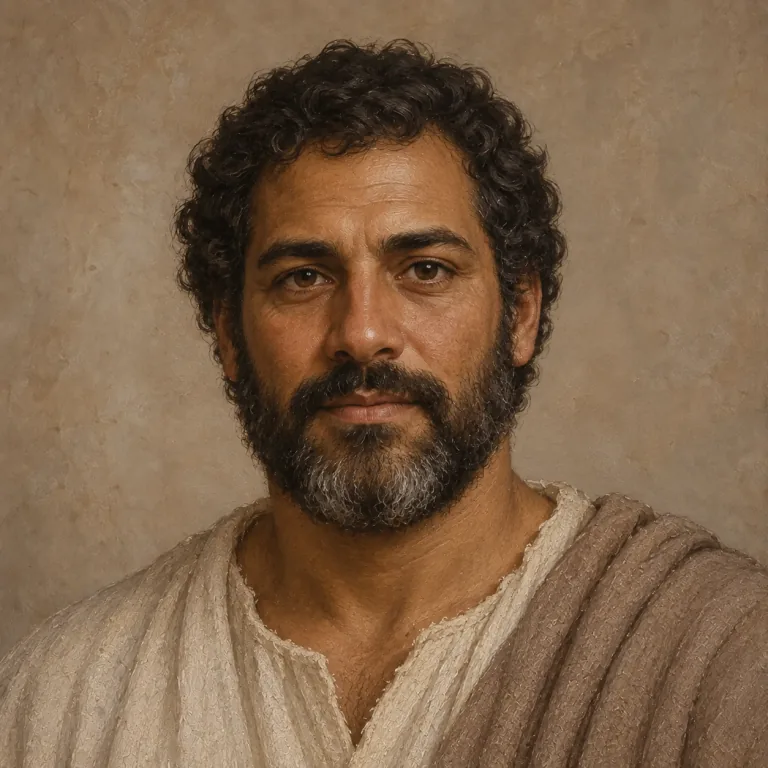
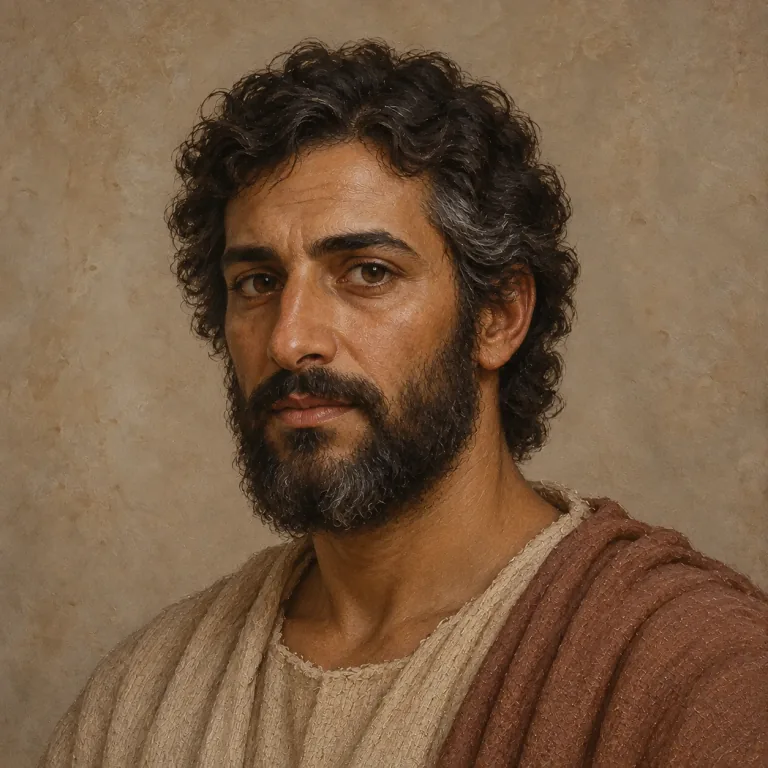
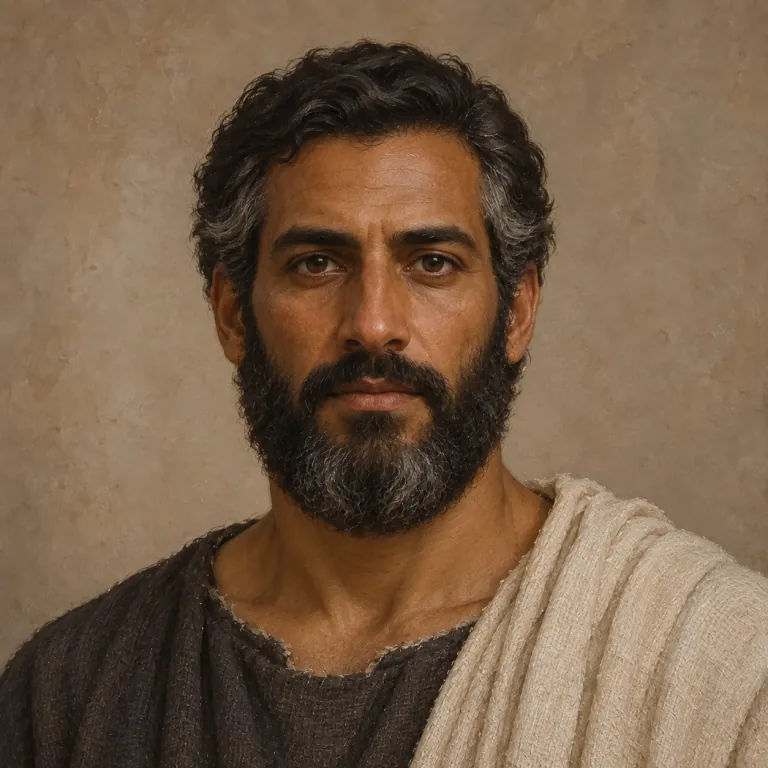
Also indexed here: