The Histories · Old Testament
Ezra 4
Ezra 4: adversaries stop the work at Jerusalem
General context
When the adversaries of Judah and Benjamin hear that the children of the captivity are building the temple, they come to Zerubbabel and the chief of the fathers and ask to build with them, saying they have sought and sacrificed to the same God since Esar-haddon king of Assur brought them there. Zerubbabel, Jeshua and the rest of the chief of the fathers refuse, saying the adversaries have nothing to do with them and that they will build as Cyrus commanded. The people of the land then weaken the hands of the people of Judah, trouble them in building and hire counsellors against them through the days of Cyrus until the reign of Darius. The narrator adds that in the reign of Ahasuerus an accusation was written, and in the days of Artaxerxes Bishlam, Mithredath, Tabeel and their companions wrote to the king in the Syrian tongue. Rehum the chancellor and Shimshai the scribe, with many named peoples settled in Samaria by Asnappar, send a letter warning that the Jews are rebuilding the rebellious and bad city and its walls, that a finished city will withhold toll, tribute and custom, and that the records will show Jerusalem's old sedition. Artaxerxes replies that a search confirmed the city's history of insurrection and that mighty kings once ruled from it, and he orders the men to cease until he commands otherwise. Rehum, Shimshai and their companions go up in haste and stop the Jews by force and power. The narrator closes by saying the work of the house of God ceased until the second year of Darius king of Persia.
Cited passages: Ezra 4:1, Ezra 4:2, Ezra 4:3, Ezra 4:4, Ezra 4:5, Ezra 4:6, Ezra 4:7, Ezra 4:8, Ezra 4:10, Ezra 4:12, Ezra 4:13, Ezra 4:15, Ezra 4:19, Ezra 4:20, Ezra 4:21, Ezra 4:23, Ezra 4:24
Ezra 4 (KJV)
1Now when the adversaries of Judah and Benjamin heard that the children of the captivity builded the temple unto the Lord God of Israel;
2Then they came to Zerubbabel, and to the chief of the fathers, and said unto them, Let us build with you: for we seek your God, as ye do; and we do sacrifice unto him since the days of Esar-haddon king of Assur, which brought us up hither.
3But Zerubbabel, and Jeshua, and the rest of the chief of the fathers of Israel, said unto them, Ye have nothing to do with us to build an house unto our God; but we ourselves together will build unto the Lord God of Israel, as king Cyrus the king of Persia hath commanded us.
4Then the people of the land weakened the hands of the people of Judah, and troubled them in building,
5And hired counsellors against them, to frustrate their purpose, all the days of Cyrus king of Persia, even until the reign of Darius king of Persia.
6And in the reign of Ahasuerus, in the beginning of his reign, wrote they unto him an accusation against the inhabitants of Judah and Jerusalem.
7And in the days of Artaxerxes wrote Bishlam, Mithredath, Tabeel, and the rest of their companions, unto Artaxerxes king of Persia; and the writing of the letter was written in the Syrian tongue, and interpreted in the Syrian tongue.
8Rehum the chancellor and Shimshai the scribe wrote a letter against Jerusalem to Artaxerxes the king in this sort:
9Then wrote Rehum the chancellor, and Shimshai the scribe, and the rest of their companions; the Dinaites, the Apharsathchites, the Tarpelites, the Apharsites, the Archevites, the Babylonians, the Susanchites, the Dehavites, and the Elamites,
10And the rest of the nations whom the great and noble Asnappar brought over, and set in the cities of Samaria, and the rest that are on this side the river, and at such a time.
11This is the copy of the letter that they sent unto him, even unto Artaxerxes the king; Thy servants the men on this side the river, and at such a time.
12Be it known unto the king, that the Jews which came up from thee to us are come unto Jerusalem, building the rebellious and the bad city, and have set up the walls thereof, and joined the foundations.
13Be it known now unto the king, that, if this city be builded, and the walls set up again, then will they not pay toll, tribute, and custom, and so thou shalt endamage the revenue of the kings.
14Now because we have maintenance from the king’s palace, and it was not meet for us to see the king’s dishonour, therefore have we sent and certified the king;
15That search may be made in the book of the records of thy fathers: so shalt thou find in the book of the records, and know that this city is a rebellious city, and hurtful unto kings and provinces, and that they have moved sedition within the same of old time: for which cause was this city destroyed.
16We certify the king that, if this city be builded again, and the walls thereof set up, by this means thou shalt have no portion on this side the river.
17Then sent the king an answer unto Rehum the chancellor, and to Shimshai the scribe, and to the rest of their companions that dwell in Samaria, and unto the rest beyond the river, Peace, and at such a time.
18The letter which ye sent unto us hath been plainly read before me.
19And I commanded, and search hath been made, and it is found that this city of old time hath made insurrection against kings, and that rebellion and sedition have been made therein.
20There have been mighty kings also over Jerusalem, which have ruled over all countries beyond the river; and toll, tribute, and custom, was paid unto them.
21Give ye now commandment to cause these men to cease, and that this city be not builded, until another commandment shall be given from me.
22Take heed now that ye fail not to do this: why should damage grow to the hurt of the kings?
23Now when the copy of king Artaxerxes’ letter was read before Rehum, and Shimshai the scribe, and their companions, they went up in haste to Jerusalem unto the Jews, and made them to cease by force and power.
24Then ceased the work of the house of God which is at Jerusalem. So it ceased unto the second year of the reign of Darius king of Persia.
This page shows the King James Version. In the app, reading opens in the Berean Standard Bible unless you have chosen another translation. The reader includes five translations: the Berean Standard Bible (BSB), the King James Version (KJV), the World English Bible (WEB), the Bible in Basic English (BBE), and the American Standard Version (ASV). Search covers three of them: Berean Standard, King James, and World English. Basic English and American Standard readers search the King James words.
Historical context
The chapter names Persian kings in this sequence: Cyrus, Darius, Ahasuerus, Artaxerxes, and then Darius again in the closing verse. The opposition under Cyrus and Darius concerns the temple, while the letter to Artaxerxes complains about the city and its walls and never mentions the house of God. The narrator nonetheless closes by saying the work of the house of God ceased until the second year of Darius. The text does not explain how the correspondence with Artaxerxes relates in time to the stop under Darius, and readers should not assume a single continuous sequence without noticing this. The adversaries describe themselves as settlers brought by Esar-haddon king of Assur, and the letter writers as peoples Asnappar set in Samaria; the text does not say whether these are the same group. The word adversaries is the narrator's; the settlers' own claim is that they seek the same God. The complaint that Jerusalem was a rebellious city and that mighty kings once ruled beyond the river comes from the letter and the king's reply, not from the narrator. Mithredath appears here among letter writers, whereas Ezra 1 names a Mithredath as treasurer; the text does not connect them. The letter is said to be written and interpreted in the Syrian tongue, which is the only note the chapter gives about its language.
Cited passages: Ezra 4:5, Ezra 4:6, Ezra 4:7, Ezra 4:24, Ezra 4:12, Ezra 4:2, Ezra 4:10, Ezra 4:1, Ezra 4:15, Ezra 4:20, Ezra 1:8
Literary context
The chapter opens with a request and a refusal, and everything after it is the consequence. The offer to build with you is answered by nothing to do with us, and the narrator immediately reports weakened hands and hired counsellors. The middle of the chapter is a pair of documents: the accusation and the royal answer, each quoted in full, with the formula Be it known unto the king repeated in the complaint and echoed by the king's own I commanded, and search hath been made. The letter writers stack up a long list of peoples to give their complaint weight, and they frame the city's past rebellion as the reason it was destroyed. The king's reply picks up their vocabulary of toll, tribute and custom and their appeal to records. The chapter's final verse pulls back from the walls to the house of God, so that the temple story left hanging in chapter 3 is picked up again with the second year of Darius, which is where chapter 5 begins with Haggai and Zechariah.
Cited passages: Ezra 4:2, Ezra 4:3, Ezra 4:4, Ezra 4:12, Ezra 4:13, Ezra 4:19, Ezra 4:9, Ezra 4:15, Ezra 4:20, Ezra 4:24, Ezra 5:1
Key moments
- An offer to build together (Ezra 4:2). The adversaries ask Zerubbabel to let them join the work, claiming to seek the same God.
- The offer refused (Ezra 4:3). Zerubbabel, Jeshua and the chief of the fathers say the settlers have nothing to do with the house.
- Hands weakened (Ezra 4:4). The people of the land trouble the builders and hire counsellors against them.
- A letter against Jerusalem (Ezra 4:12). Rehum and Shimshai warn Artaxerxes that the rebellious city and its walls are being rebuilt.
- The king orders a halt (Ezra 4:21). Artaxerxes commands that the men cease and the city not be built until he says otherwise.
- Stopped by force (Ezra 4:23). The letter's authors hurry to Jerusalem and make the Jews cease by force and power.
- The work ceases (Ezra 4:24). The house of God stands unbuilt until the second year of Darius.
For reflection
The settlers say they seek the same God and have sacrificed to him for generations, and the leaders refuse them flatly. What does the chapter give a reader to weigh in judging that refusal, and what does it leave out?
People in this chapter
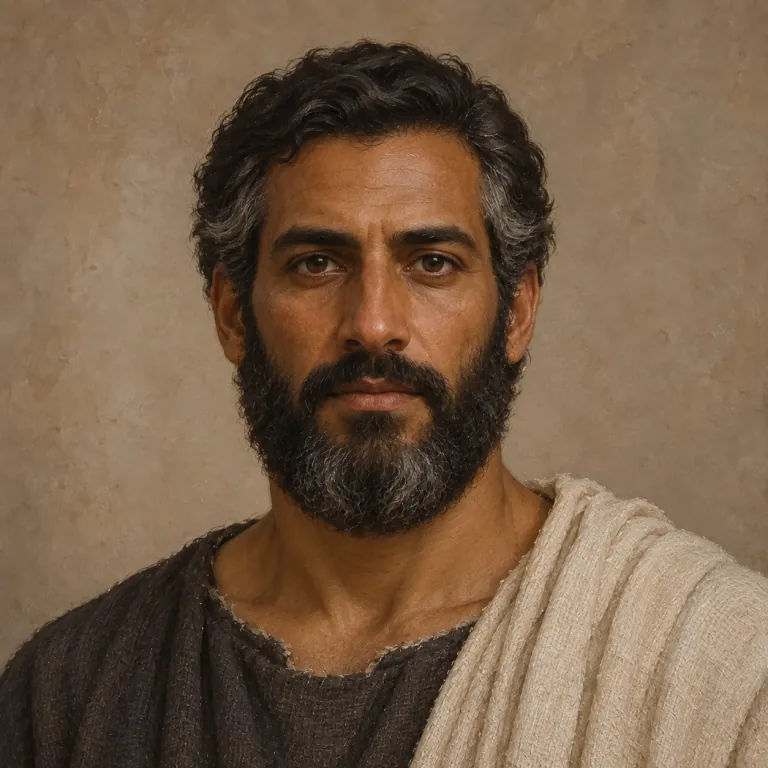
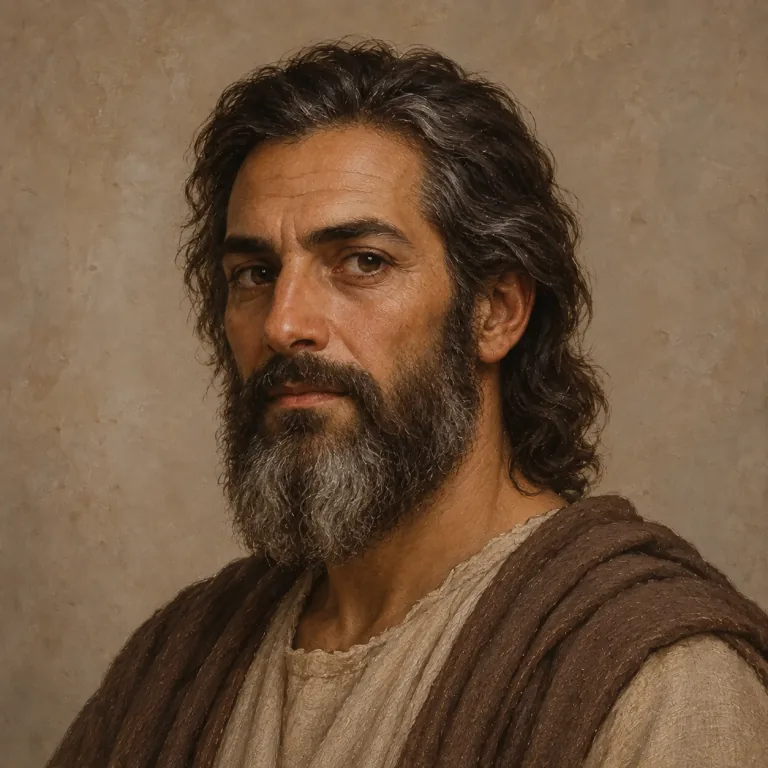
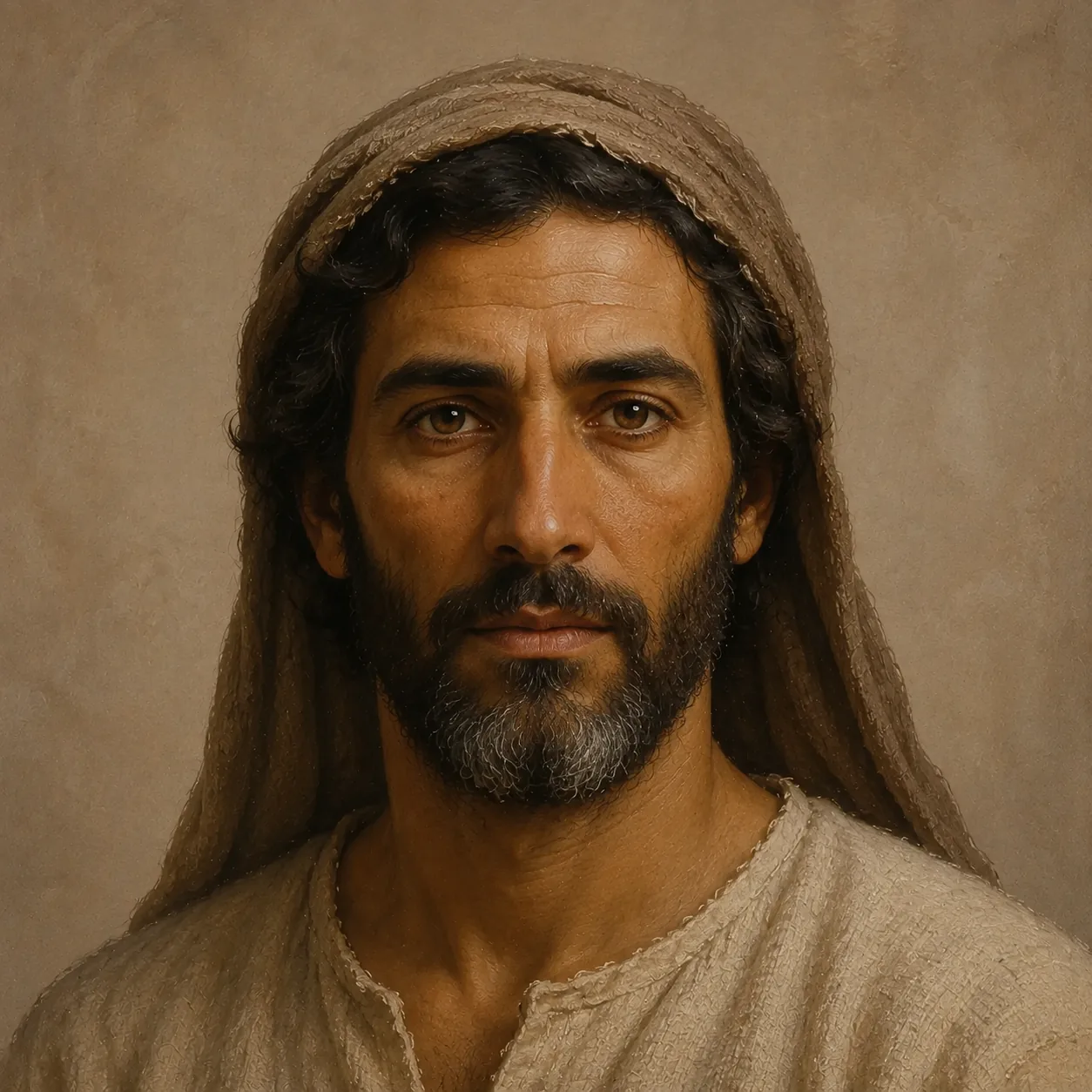
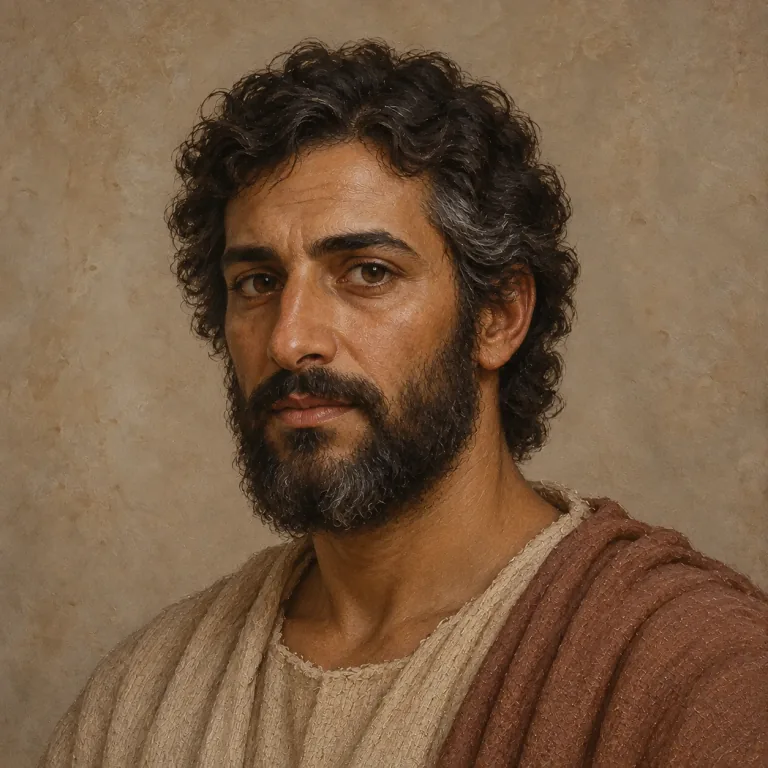

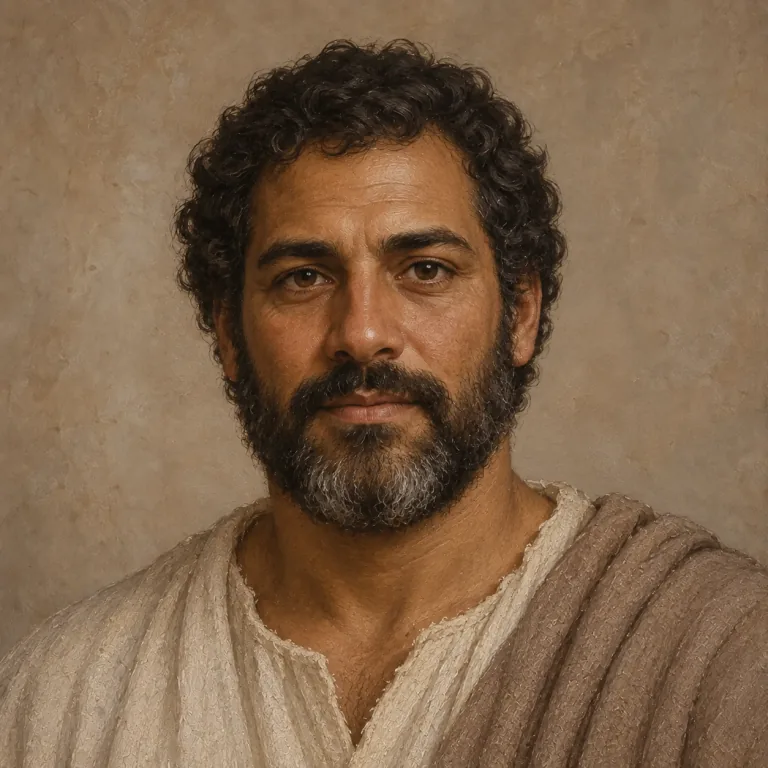
Also indexed here:
- Artaxerxes
- Rehum
- Shimshai
- Darius
- Ahasuerus
- Bishlam
- Dinaites
- Esarhaddon
- Mithredath
- Osnappar
- Tabeel