Person in the New Testament
Barabbas
Barabbas: the prisoner the crowd asked for instead of Jesus
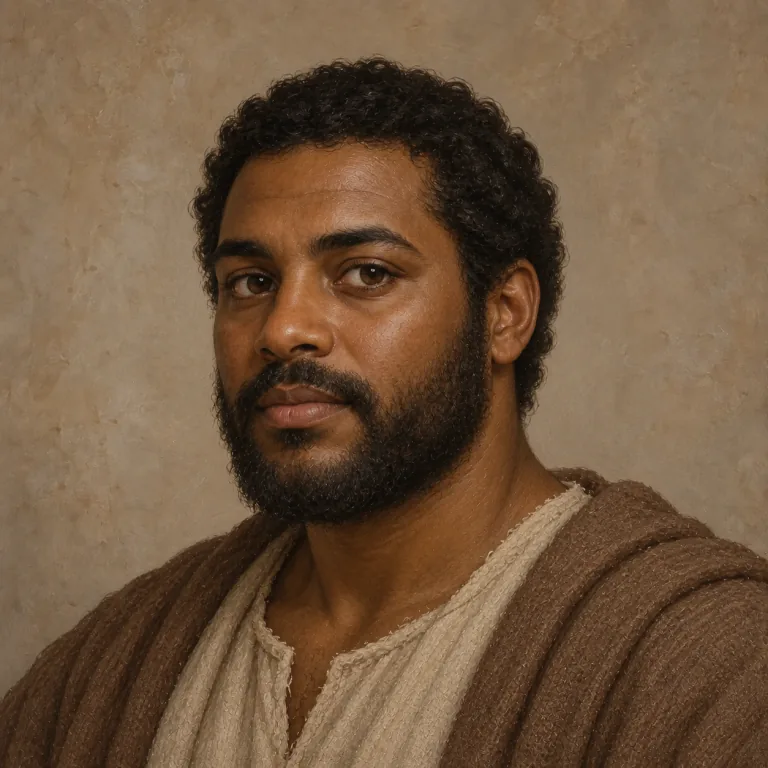
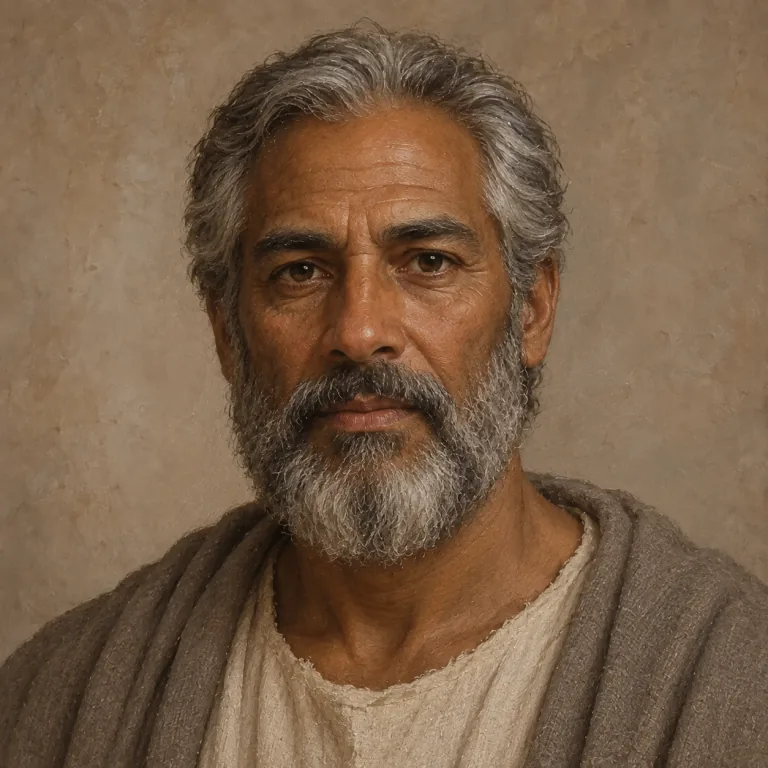
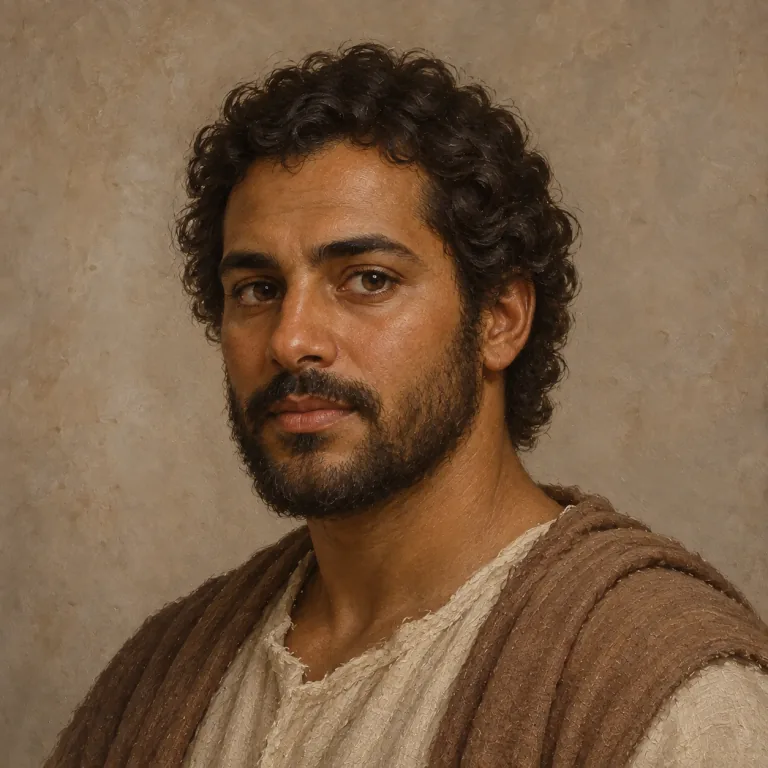
Portrait: an AI-generated artistic interpretation, not evidence of how Barabbas looked.
Who Barabbas is
Matthew says they had then a notable prisoner, called Barabbas, and that Pilate asked the gathered people whether he should release Barabbas or Jesus which is called Christ. The chief priests and elders persuaded the multitude that they should ask Barabbas, and when the governor asked which of the two they wanted, they said, Barabbas. Pilate then released him and delivered Jesus to be crucified. Mark says there was one named Barabbas, which lay bound with them that had made insurrection with him, who had committed murder in the insurrection, that the chief priests moved the people to ask for him, and that Pilate, willing to content the people, released Barabbas. Luke records the shout, Away with this man, and release unto us Barabbas, and adds that he had been cast into prison for a certain sedition made in the city, and for murder. John reports the same shout, Not this man, but Barabbas, and adds, Now Barabbas was a robber. He says nothing in any of these verses, and no passage follows him after the release.
Cited passages: Matthew 27:16, Matthew 27:17, Matthew 27:20, Matthew 27:21, Matthew 27:26, Mark 15:7, Mark 15:11, Mark 15:15, Luke 23:18, Luke 23:19, John 18:40
Historical setting
The four descriptions of him differ in wording. Matthew calls him a notable prisoner and gives no charge. Mark says he lay bound with men who had made insurrection and had committed murder in it. Luke says he was imprisoned for a certain sedition made in the city, and for murder. John says he was a robber. The release itself is described as a practice: Matthew says the governor was wont at that feast to release a prisoner whom the people would, and John has Pilate call it a custom of theirs. No family, home, age or later history is given, and the texts record no word from him. The name is all four books agree on, together with the fact that he was the one released.
Cited passages: Matthew 27:16, Mark 15:7, Luke 23:19, John 18:40, Matthew 27:15, John 18:39, Luke 23:25
How the story is told
He functions in each account as the alternative, and his name is most often on other people's lips. Pilate puts the two names in one sentence, and the crowd's reply is a single word. Mark and Luke hold back his crime until the moment of the choice, so the reader learns what he did just as he is being asked for. John states it last of all, in a short sentence set after the shout, which reads as the narrator's comment rather than part of the scene. In Luke's sentence of release Barabbas is not named but described, him that for sedition and murder was cast into prison, while Jesus is named in the same verse. After the release the texts drop him entirely.
Cited passages: Matthew 27:17, Matthew 27:21, Mark 15:7, Luke 23:18, John 18:40, Luke 23:25
Story moments
- A notable prisoner (Matthew 27:16). Matthew introduces Barabbas as a prisoner held at the time of the feast.
- They said, Barabbas (Matthew 27:21). Asked which of the two to release, the multitude names Barabbas.
- Released (Matthew 27:26). Pilate releases Barabbas and delivers Jesus to be crucified.
- Bound with the insurgents (Mark 15:7). Mark says he was bound with men who had committed murder in an insurrection.
- Away with this man (Luke 23:18). The crowd in Luke cries out for Barabbas to be released to them.
- Now Barabbas was a robber (John 18:40). John adds a one-sentence description after the crowd's shout.
Key passages
Matthew 27:16
And they had then a notable prisoner, called Barabbas.
Matthew 27:17
Therefore when they were gathered together, Pilate said unto them, Whom will ye that I release unto you? Barabbas, or Jesus which is called Christ?
Matthew 27:20
But the chief priests and elders persuaded the multitude that they should ask Barabbas, and destroy Jesus.
Matthew 27:21
The governor answered and said unto them, Whether of the twain will ye that I release unto you? They said, Barabbas.
Matthew 27:26
Then released he Barabbas unto them: and when he had scourged Jesus, he delivered him to be crucified.
Mark 15:7
And there was one named Barabbas, which lay bound with them that had made insurrection with him, who had committed murder in the insurrection.
King James Version. 10 indexed passages in total.
For reflection
The texts name what Barabbas was held for and then say nothing further about him. What does it do to a reader that the man who walked free is given no word and no later scene?
Books Barabbas appears in
Related people
Names and references are adapted from STEPBible TIPNR. A person listed with a verse is named or indexed there; it does not mean they wrote or spoke it.