The Gospels · New Testament
John 18
John 18: the arrest in the garden, Peter's denials, and Pilate's questions
General context
Jesus crosses the brook Cedron into a garden that Judas knows. Judas comes with a band of men and officers carrying lanterns, torches and weapons. Jesus asks whom they seek, and when he says he is the one, they go backward and fall to the ground. He asks again and tells them to let the others go. Simon Peter draws a sword and cuts off the right ear of the high priest's servant, named Malchus, and is told to put up the sword. Bound, Jesus is taken first to Annas, father in law to Caiaphas. Peter follows with another disciple known to the high priest and is let in by the door keeper, who asks whether he is one of the disciples; he says he is not. Questioned about his doctrine, Jesus answers that he spoke openly and is struck by an officer. Peter denies twice more and the cock crows. Jesus is led to the hall of judgment. Pilate asks for the accusation and whether he is King of the Jews, is told the kingdom is not of this world, says he finds no fault, and offers a release; the crowd asks for Barabbas.
Cited passages: John 18:1, John 18:2, John 18:3, John 18:4, John 18:6, John 18:8, John 18:10, John 18:11, John 18:12, John 18:13, John 18:16, John 18:17, John 18:19, John 18:20, John 18:22, John 18:27, John 18:29, John 18:33, John 18:36, John 18:38, John 18:40
John 18 (KJV)
1When Jesus had spoken these words, he went forth with his disciples over the brook Cedron, where was a garden, into the which he entered, and his disciples.
2And Judas also, which betrayed him, knew the place: for Jesus ofttimes resorted thither with his disciples.
3Judas then, having received a band of men and officers from the chief priests and Pharisees, cometh thither with lanterns and torches and weapons.
4Jesus therefore, knowing all things that should come upon him, went forth, and said unto them, Whom seek ye?
5They answered him, Jesus of Nazareth. Jesus saith unto them, I am he. And Judas also, which betrayed him, stood with them.
6As soon then as he had said unto them, I am he, they went backward, and fell to the ground.
7Then asked he them again, Whom seek ye? And they said, Jesus of Nazareth.
8Jesus answered, I have told you that I am he: if therefore ye seek me, let these go their way:
9That the saying might be fulfilled, which he spake, Of them which thou gavest me have I lost none.
10Then Simon Peter having a sword drew it, and smote the high priest’s servant, and cut off his right ear. The servant’s name was Malchus.
11Then said Jesus unto Peter, Put up thy sword into the sheath: the cup which my Father hath given me, shall I not drink it?
12Then the band and the captain and officers of the Jews took Jesus, and bound him,
13And led him away to Annas first; for he was father in law to Caiaphas, which was the high priest that same year.
14Now Caiaphas was he, which gave counsel to the Jews, that it was expedient that one man should die for the people.
15And Simon Peter followed Jesus, and so did another disciple: that disciple was known unto the high priest, and went in with Jesus into the palace of the high priest.
16But Peter stood at the door without. Then went out that other disciple, which was known unto the high priest, and spake unto her that kept the door, and brought in Peter.
17Then saith the damsel that kept the door unto Peter, Art not thou also one of this man’s disciples? He saith, I am not.
18And the servants and officers stood there, who had made a fire of coals; for it was cold: and they warmed themselves: and Peter stood with them, and warmed himself.
19The high priest then asked Jesus of his disciples, and of his doctrine.
20Jesus answered him, I spake openly to the world; I ever taught in the synagogue, and in the temple, whither the Jews always resort; and in secret have I said nothing.
21Why askest thou me? ask them which heard me, what I have said unto them: behold, they know what I said.
22And when he had thus spoken, one of the officers which stood by struck Jesus with the palm of his hand, saying, Answerest thou the high priest so?
23Jesus answered him, If I have spoken evil, bear witness of the evil: but if well, why smitest thou me?
24Now Annas had sent him bound unto Caiaphas the high priest.
25And Simon Peter stood and warmed himself. They said therefore unto him, Art not thou also one of his disciples? He denied it, and said, I am not.
26One of the servants of the high priest, being his kinsman whose ear Peter cut off, saith, Did not I see thee in the garden with him?
27Peter then denied again: and immediately the cock crew.
28Then led they Jesus from Caiaphas unto the hall of judgment: and it was early; and they themselves went not into the judgment hall, lest they should be defiled; but that they might eat the passover.
29Pilate then went out unto them, and said, What accusation bring ye against this man?
30They answered and said unto him, If he were not a malefactor, we would not have delivered him up unto thee.
31Then said Pilate unto them, Take ye him, and judge him according to your law. The Jews therefore said unto him, It is not lawful for us to put any man to death:
32That the saying of Jesus might be fulfilled, which he spake, signifying what death he should die.
33Then Pilate entered into the judgment hall again, and called Jesus, and said unto him, Art thou the King of the Jews?
34Jesus answered him, Sayest thou this thing of thyself, or did others tell it thee of me?
35Pilate answered, Am I a Jew? Thine own nation and the chief priests have delivered thee unto me: what hast thou done?
36Jesus answered, My kingdom is not of this world: if my kingdom were of this world, then would my servants fight, that I should not be delivered to the Jews: but now is my kingdom not from hence.
37Pilate therefore said unto him, Art thou a king then? Jesus answered, Thou sayest that I am a king. To this end was I born, and for this cause came I into the world, that I should bear witness unto the truth. Every one that is of the truth heareth my voice.
38Pilate saith unto him, What is truth? And when he had said this, he went out again unto the Jews, and saith unto them, I find in him no fault at all.
39But ye have a custom, that I should release unto you one at the passover: will ye therefore that I release unto you the King of the Jews?
40Then cried they all again, saying, Not this man, but Barabbas. Now Barabbas was a robber.
This page shows the King James Version. In the app, reading opens in the Berean Standard Bible unless you have chosen another translation. The reader includes five translations: the Berean Standard Bible (BSB), the King James Version (KJV), the World English Bible (WEB), the Bible in Basic English (BBE), and the American Standard Version (ASV). Search covers three of them: Berean Standard, King James, and World English. Basic English and American Standard readers search the King James words.
Historical context
The chapter names people the earlier scenes left unnamed, including the servant Malchus and the man the crowd chooses, Barabbas, whom the narrator calls a robber. The disciple who goes in with Peter is described only as another disciple known to the high priest and is not named. Annas and Caiaphas are distinguished by relation and office: Annas receives him first, Caiaphas is called the high priest that same year, and the narrator recalls the counsel Caiaphas gave. The narrator explains why the accusers stay out of the judgment hall, and states that the saying about his death was fulfilled by their answer that they cannot put a man to death. The blow struck by the officer and the binding are reported plainly, with no comment added.
Cited passages: John 18:10, John 18:40, John 18:15, John 18:13, John 18:14, John 18:24, John 18:28, John 18:31, John 18:32, John 18:22, John 18:12
Literary context
The chapter cuts between two interrogations happening at once, and the contrast is left for the reader to see. Inside, Jesus answers that he has always spoken openly; outside at a fire of coals, Peter says three times that he is not what he is. The same words, I am, stand at the arrest and at the denials in opposite mouths and opposite senses. The question Whom seek ye opens the chapter, and questions carry the rest of it, from the door keeper's to the several Pilate puts to him. Pilate's last one, What is truth, is asked and not answered, and he walks out mid-scene. The chapter ends on a shouted preference for another man, with the narrator's one-line note about who that man was.
Cited passages: John 18:4, John 18:20, John 18:21, John 18:18, John 18:17, John 18:25, John 18:5, John 18:26, John 18:33, John 18:35, John 18:37, John 18:38, John 18:40
Key moments
- The garden Judas knew (John 18:2). Judas knows the place because Jesus often went there with his disciples.
- Whom seek ye (John 18:4). Jesus goes out to the armed party and asks whom they are looking for.
- Peter's sword (John 18:10). Peter cuts off the right ear of the high priest's servant Malchus.
- A first denial (John 18:17). The woman at the door asks Peter if he is a disciple, and he says he is not.
- Struck for answering (John 18:22). An officer strikes Jesus with his hand for how he answered the high priest.
- The cock crew (John 18:27). After a third denial the cock crows.
- Not this man, but Barabbas (John 18:40). Offered a release, the crowd asks for Barabbas instead.
For reflection
Pilate asks what truth is and leaves without waiting for a reply. What does the chapter do by letting that question stand unanswered while the trial continues?
People in this chapter
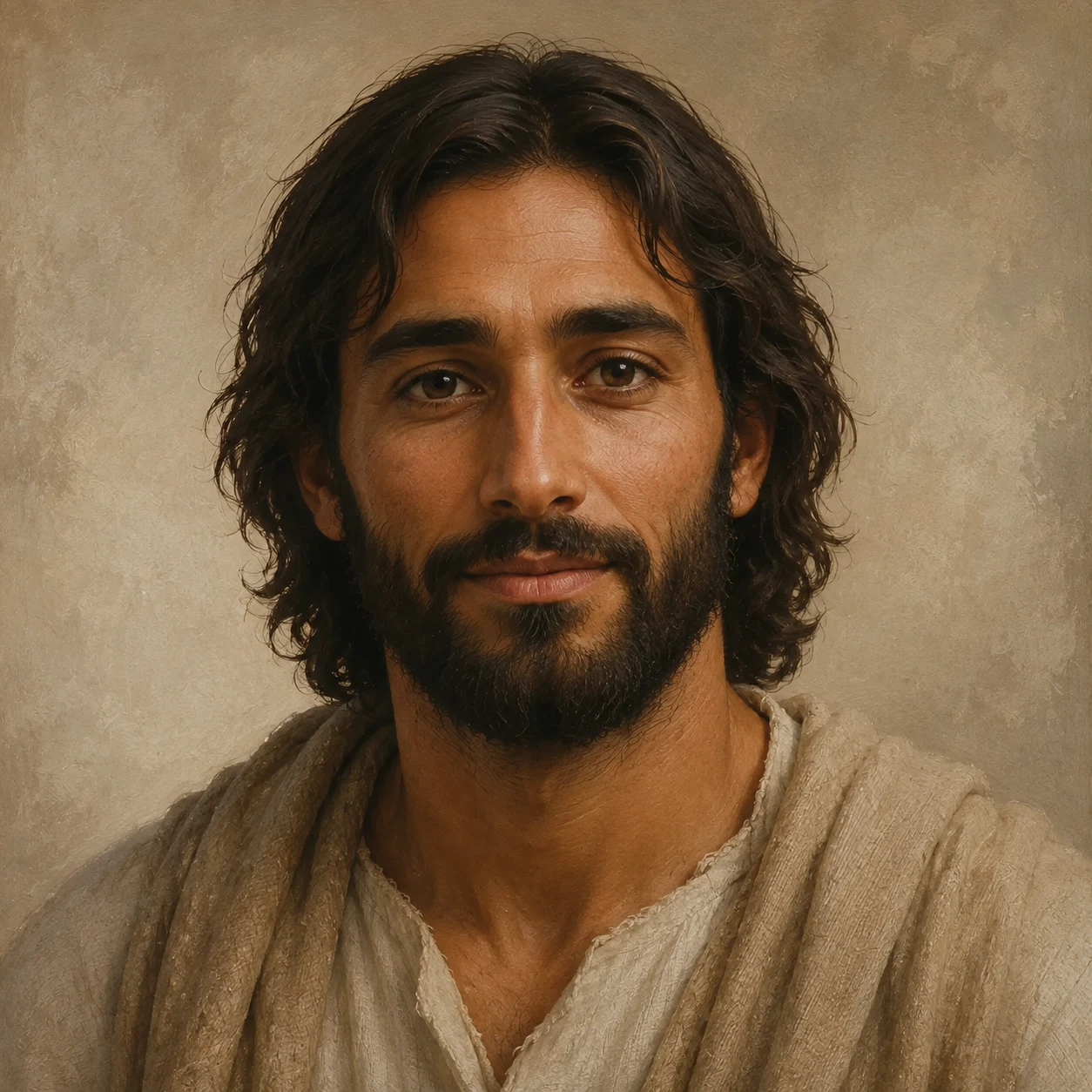
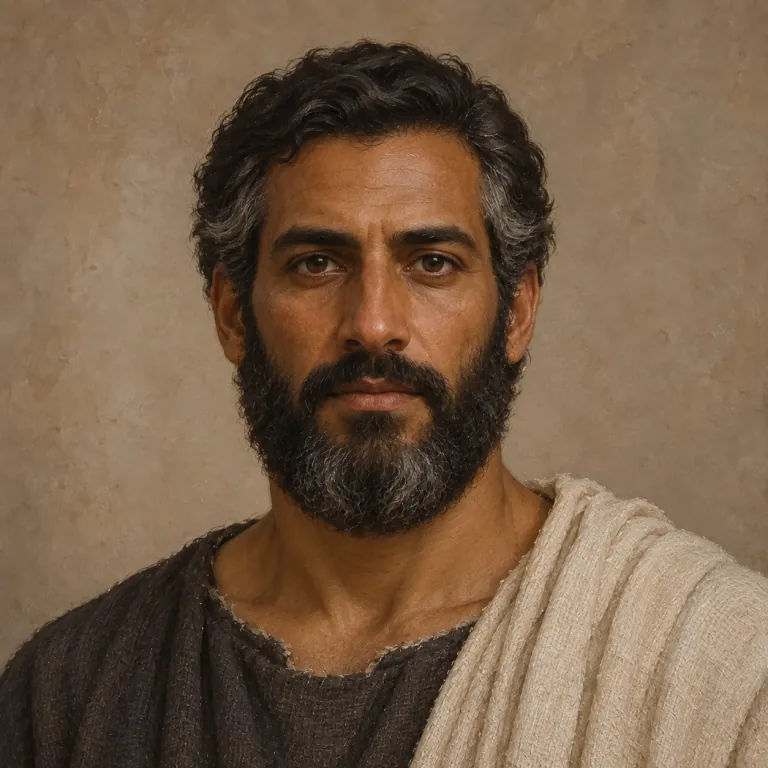
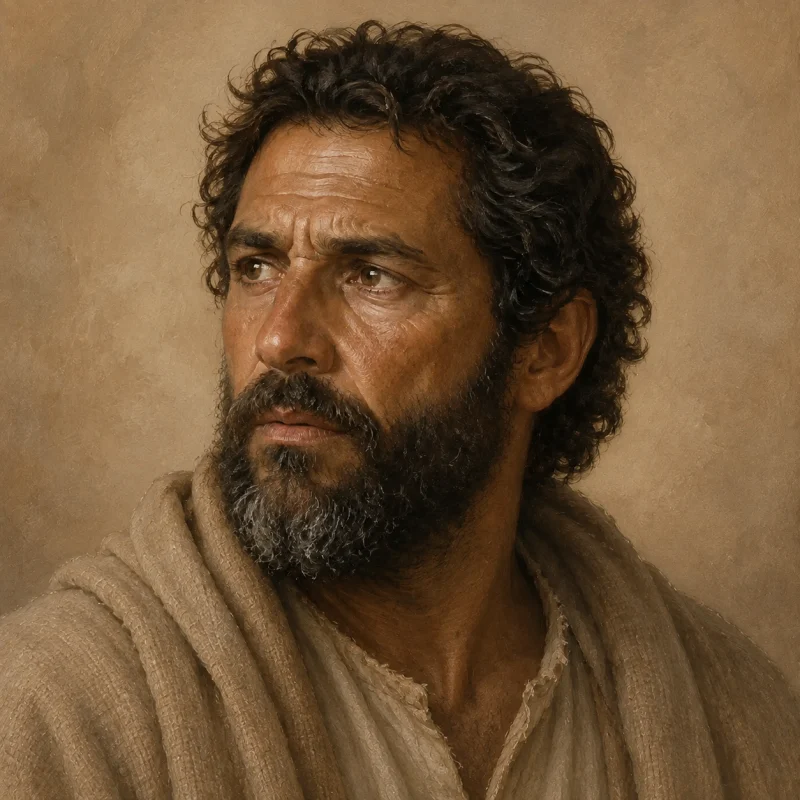
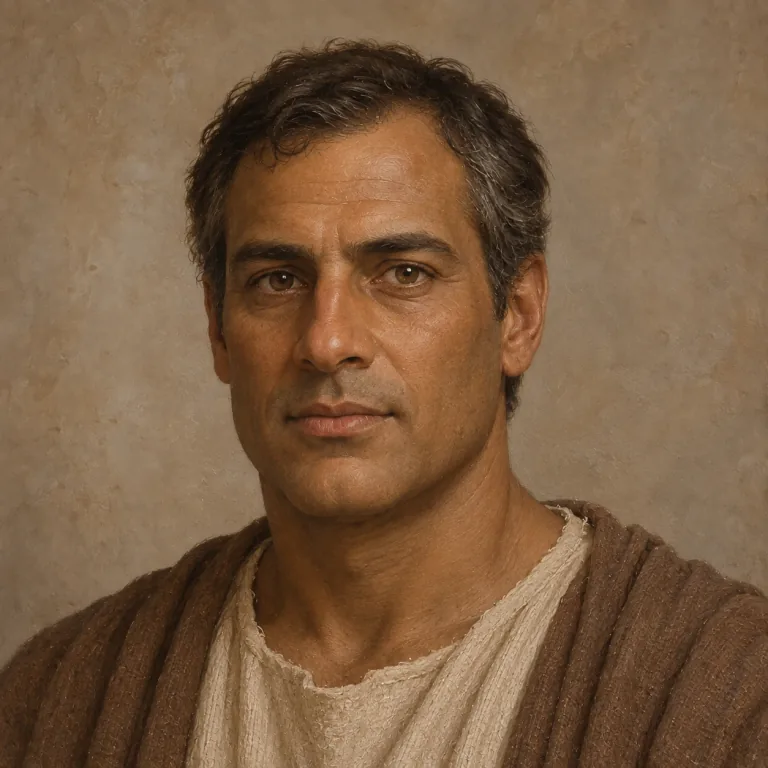
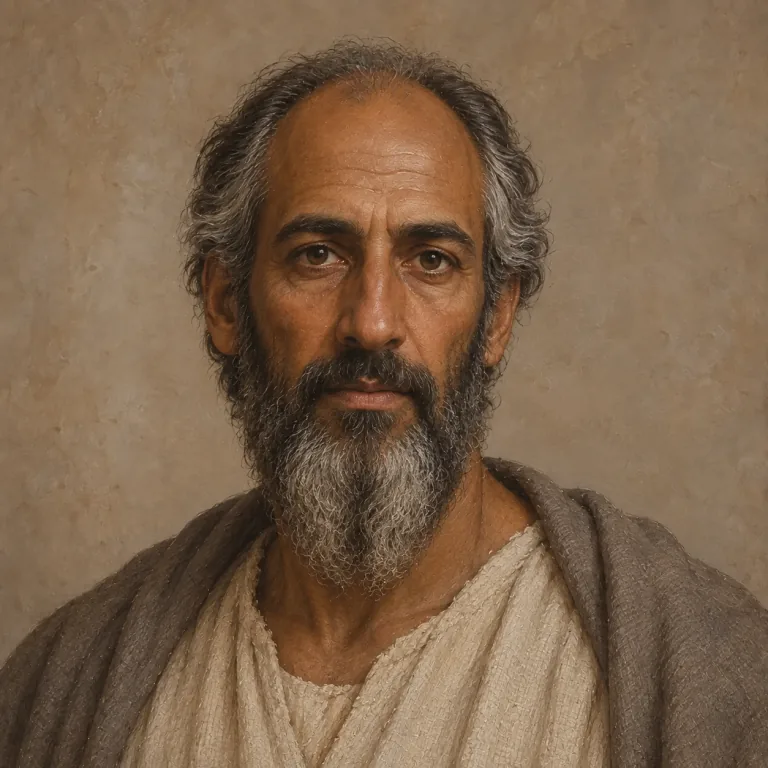
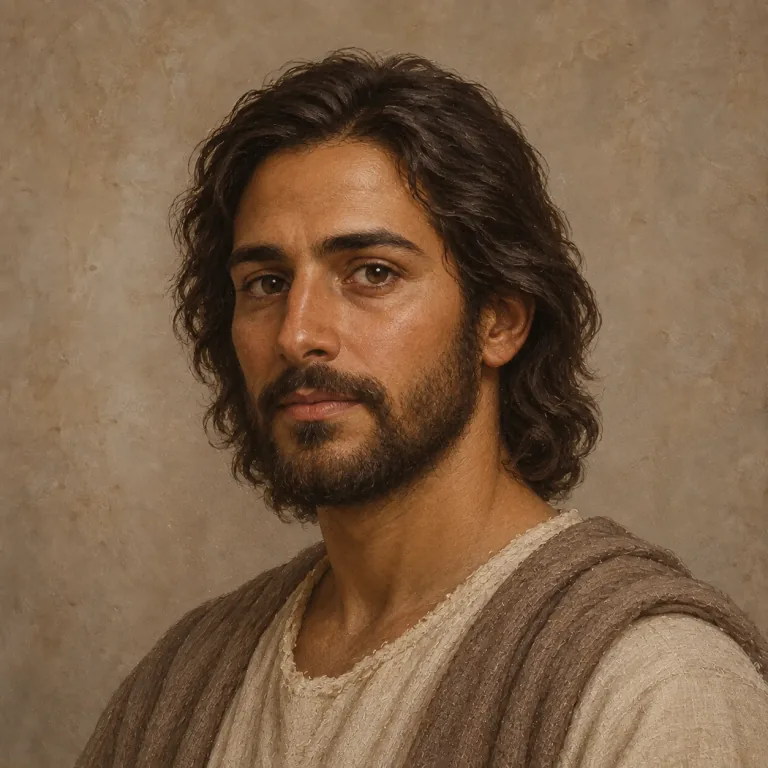
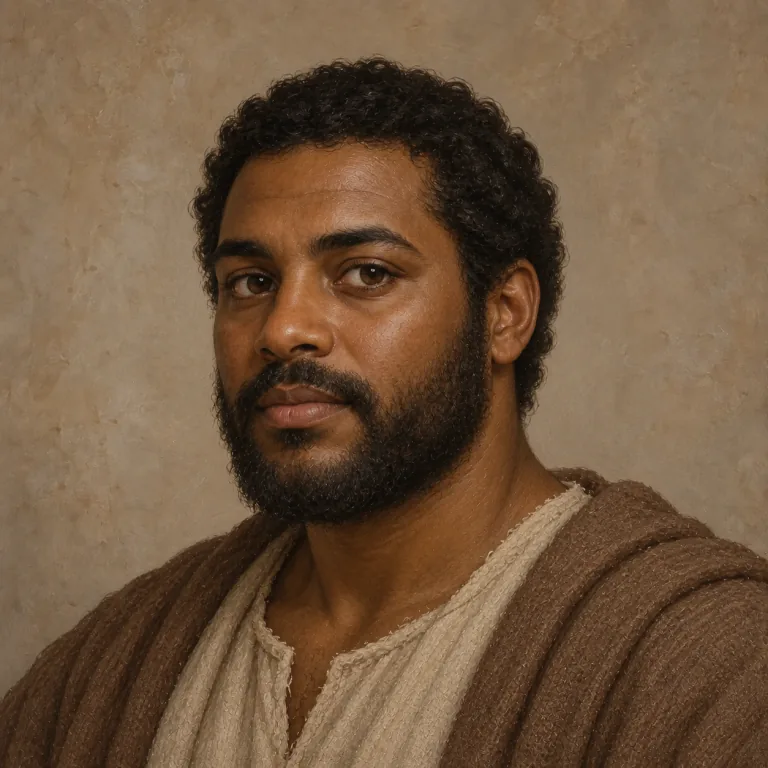
Also indexed here:
- Annas
- Daughter of Annas
- Malchus