The Gospels · New Testament
John 19
John 19: the scourging, the crucifixion, and the burial in a garden
General context
Pilate has Jesus scourged. Soldiers plait a crown of thorns, put a purple robe on him, hail him as King of the Jews and strike him with their hands. Pilate brings him out saying he finds no fault, and the chief priests and officers cry for crucifixion, saying their law requires death because he made himself the Son of God. Pilate questions him again and is told his power is given from above. Told that releasing him would make him no friend of Cesar, Pilate sits in the judgment seat at the Pavement, called Gabbatha in the Hebrew, at about the sixth hour of the preparation, and delivers him to be crucified. At Golgotha he is crucified between two others. Pilate writes a title in Hebrew, Greek and Latin and refuses to change it. Soldiers divide his garments and cast lots for the seamless coat. His mother and other women stand by, and he commits her to the disciple whom he loved. He says he thirsts, receives vinegar, says it is finished and dies. A soldier pierces his side, and blood and water come out. Joseph of Arimathea and Nicodemus bury him in a new sepulchre in a garden.
Cited passages: John 19:1, John 19:2, John 19:3, John 19:5, John 19:6, John 19:7, John 19:11, John 19:12, John 19:13, John 19:14, John 19:17, John 19:18, John 19:19, John 19:22, John 19:23, John 19:25, John 19:26, John 19:28, John 19:30, John 19:34, John 19:38, John 19:41
John 19 (KJV)
1Then Pilate therefore took Jesus, and scourged him.
2And the soldiers platted a crown of thorns, and put it on his head, and they put on him a purple robe,
3And said, Hail, King of the Jews! and they smote him with their hands.
4Pilate therefore went forth again, and saith unto them, Behold, I bring him forth to you, that ye may know that I find no fault in him.
5Then came Jesus forth, wearing the crown of thorns, and the purple robe. And Pilate saith unto them, Behold the man!
6When the chief priests therefore and officers saw him, they cried out, saying, Crucify him, crucify him. Pilate saith unto them, Take ye him, and crucify him: for I find no fault in him.
7The Jews answered him, We have a law, and by our law he ought to die, because he made himself the Son of God.
8When Pilate therefore heard that saying, he was the more afraid;
9And went again into the judgment hall, and saith unto Jesus, Whence art thou? But Jesus gave him no answer.
10Then saith Pilate unto him, Speakest thou not unto me? knowest thou not that I have power to crucify thee, and have power to release thee?
11Jesus answered, Thou couldest have no power at all against me, except it were given thee from above: therefore he that delivered me unto thee hath the greater sin.
12And from thenceforth Pilate sought to release him: but the Jews cried out, saying, If thou let this man go, thou art not Cæsar’s friend: whosoever maketh himself a king speaketh against Cæsar.
13When Pilate therefore heard that saying, he brought Jesus forth, and sat down in the judgment seat in a place that is called the Pavement, but in the Hebrew, Gabbatha.
14And it was the preparation of the passover, and about the sixth hour: and he saith unto the Jews, Behold your King!
15But they cried out, Away with him, away with him, crucify him. Pilate saith unto them, Shall I crucify your King? The chief priests answered, We have no king but Cæsar.
16Then delivered he him therefore unto them to be crucified. And they took Jesus, and led him away.
17And he bearing his cross went forth into a place called the place of a skull, which is called in the Hebrew Golgotha:
18Where they crucified him, and two other with him, on either side one, and Jesus in the midst.
19And Pilate wrote a title, and put it on the cross. And the writing was, JESUS OF NAZARETH THE KING OF THE JEWS.
20This title then read many of the Jews: for the place where Jesus was crucified was nigh to the city: and it was written in Hebrew, and Greek, and Latin.
21Then said the chief priests of the Jews to Pilate, Write not, The King of the Jews; but that he said, I am King of the Jews.
22Pilate answered, What I have written I have written.
23Then the soldiers, when they had crucified Jesus, took his garments, and made four parts, to every soldier a part; and also his coat: now the coat was without seam, woven from the top throughout.
24They said therefore among themselves, Let us not rend it, but cast lots for it, whose it shall be: that the scripture might be fulfilled, which saith, They parted my raiment among them, and for my vesture they did cast lots. These things therefore the soldiers did.
25Now there stood by the cross of Jesus his mother, and his mother’s sister, Mary the wife of Cleophas, and Mary Magdalene.
26When Jesus therefore saw his mother, and the disciple standing by, whom he loved, he saith unto his mother, Woman, behold thy son!
27Then saith he to the disciple, Behold thy mother! And from that hour that disciple took her unto his own home.
28After this, Jesus knowing that all things were now accomplished, that the scripture might be fulfilled, saith, I thirst.
29Now there was set a vessel full of vinegar: and they filled a spunge with vinegar, and put it upon hyssop, and put it to his mouth.
30When Jesus therefore had received the vinegar, he said, It is finished: and he bowed his head, and gave up the ghost.
31The Jews therefore, because it was the preparation, that the bodies should not remain upon the cross on the sabbath day, (for that sabbath day was an high day,) besought Pilate that their legs might be broken, and that they might be taken away.
32Then came the soldiers, and brake the legs of the first, and of the other which was crucified with him.
33But when they came to Jesus, and saw that he was dead already, they brake not his legs:
34But one of the soldiers with a spear pierced his side, and forthwith came there out blood and water.
35And he that saw it bare record, and his record is true: and he knoweth that he saith true, that ye might believe.
36For these things were done, that the scripture should be fulfilled, A bone of him shall not be broken.
37And again another scripture saith, They shall look on him whom they pierced.
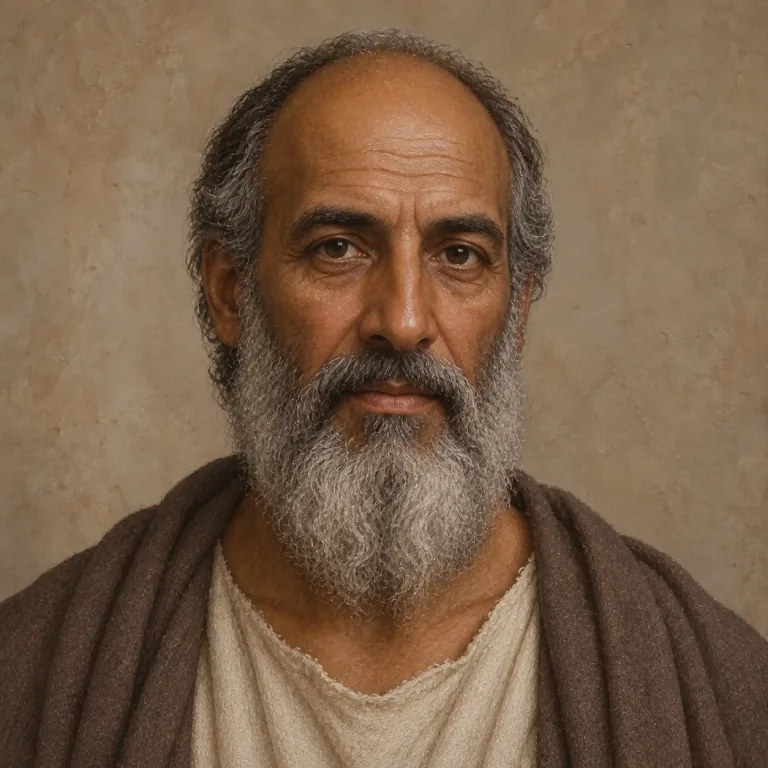
38And after this Joseph of Arimathaea, being a disciple of Jesus, but secretly for fear of the Jews, besought Pilate that he might take away the body of Jesus: and Pilate gave him leave. He came therefore, and took the body of Jesus.
39And there came also Nicodemus, which at the first came to Jesus by night, and brought a mixture of myrrh and aloes, about an hundred pound weight.
40Then took they the body of Jesus, and wound it in linen clothes with the spices, as the manner of the Jews is to bury.
41Now in the place where he was crucified there was a garden; and in the garden a new sepulchre, wherein was never man yet laid.
42There laid they Jesus therefore because of the Jews’ preparation day; for the sepulchre was nigh at hand.
This page shows the King James Version. In the app, reading opens in the Berean Standard Bible unless you have chosen another translation. The reader includes five translations: the Berean Standard Bible (BSB), the King James Version (KJV), the World English Bible (WEB), the Bible in Basic English (BBE), and the American Standard Version (ASV). Search covers three of them: Berean Standard, King James, and World English. Basic English and American Standard readers search the King James words.
Historical context
The violence is stated without softening: scourging, a crown of thorns, blows with the hands, crucifixion between two others, broken legs for those two, and a spear through the side. The chapter gives the time as the preparation of the passover, about the sixth hour, and notes that the coming sabbath was an high day. Two place names are given with their Hebrew forms, Gabbatha and Golgotha. The disciple to whom the mother is committed is described only as the one whom he loved and is not named. Joseph of Arimathea is called a disciple secretly for fear of the Jews, and Nicodemus is identified as the man who first came by night. One verse claims an eyewitness for the piercing without naming him.
Cited passages: John 19:1, John 19:3, John 19:32, John 19:33, John 19:34, John 19:14, John 19:31, John 19:13, John 19:17, John 19:26, John 19:27, John 19:38, John 19:39, John 19:35
Literary context
Kingship runs through the chapter as mockery, as a placard and as a demand. Soldiers hail him as king while striking him, Pilate presents him twice with Behold the man and Behold your King, the chief priests answer that they have no king but Cesar, and the title stays on the cross in three languages over their objection. Pilate's repeated finding of no fault sits against his own order to scourge and then to crucify. The speech the chapter gives him on the cross is brief: two words of address placing his mother and the disciple in each other's care, then I thirst, then It is finished. Fulfilment notes attach to the lots, the unbroken bones and the piercing. The burial returns to a garden, matching the garden where the arrest began.
Cited passages: John 19:3, John 19:5, John 19:14, John 19:15, John 19:20, John 19:21, John 19:22, John 19:4, John 19:6, John 19:27, John 19:24, John 19:36, John 19:37, John 19:41
Key moments
- Scourged and mocked (John 19:2). Soldiers crown him with thorns, robe him in purple and strike him.
- Behold the man (John 19:5). Pilate brings him out wearing the thorns and robe and presents him to the crowd.
- No king but Cesar (John 19:15). The chief priests answer Pilate's question about crucifying their king.
- The title on the cross (John 19:19). Pilate writes a title naming him King of the Jews and refuses to change it.
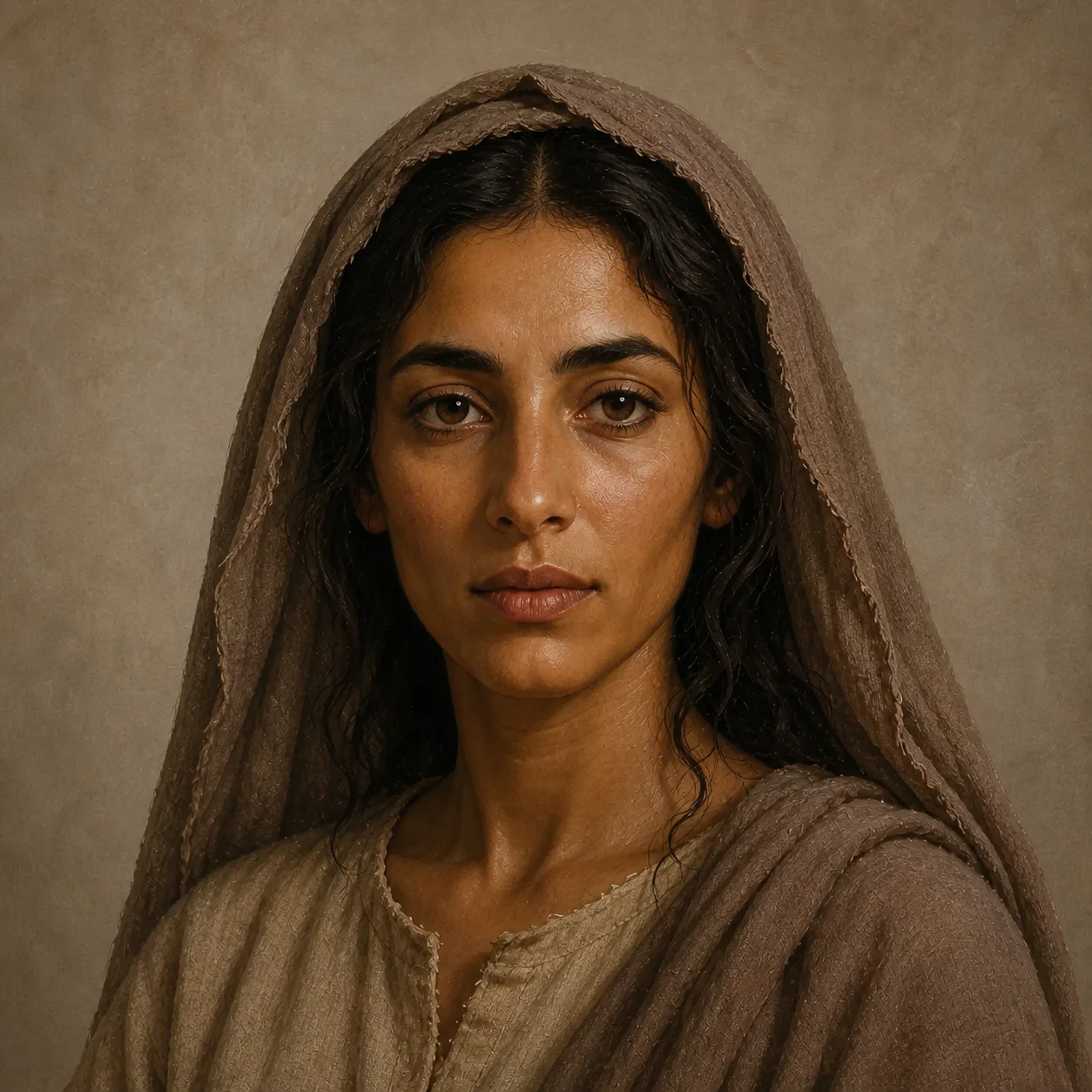
- His mother committed (John 19:26). He tells his mother to behold her son and the disciple to behold his mother.
- It is finished (John 19:30). After receiving vinegar he says it is finished and dies.
- Buried in a garden (John 19:41). Joseph and Nicodemus lay him in a new tomb in a garden near the place.
For reflection
Pilate says three times that he finds no fault, and each time the proceeding goes further. What does the chapter show about a verdict spoken by someone unwilling to act on it?
People in this chapter
Also indexed here: