Person in the New Testament
Joseph of Arimathea
Joseph of Arimathea: the man who asked for the body and laid it in his own tomb
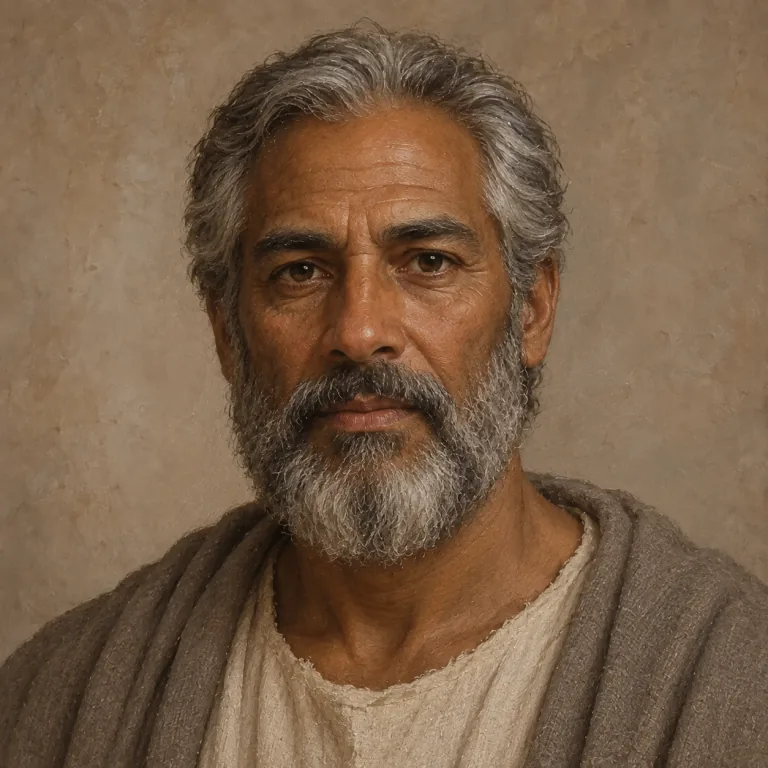
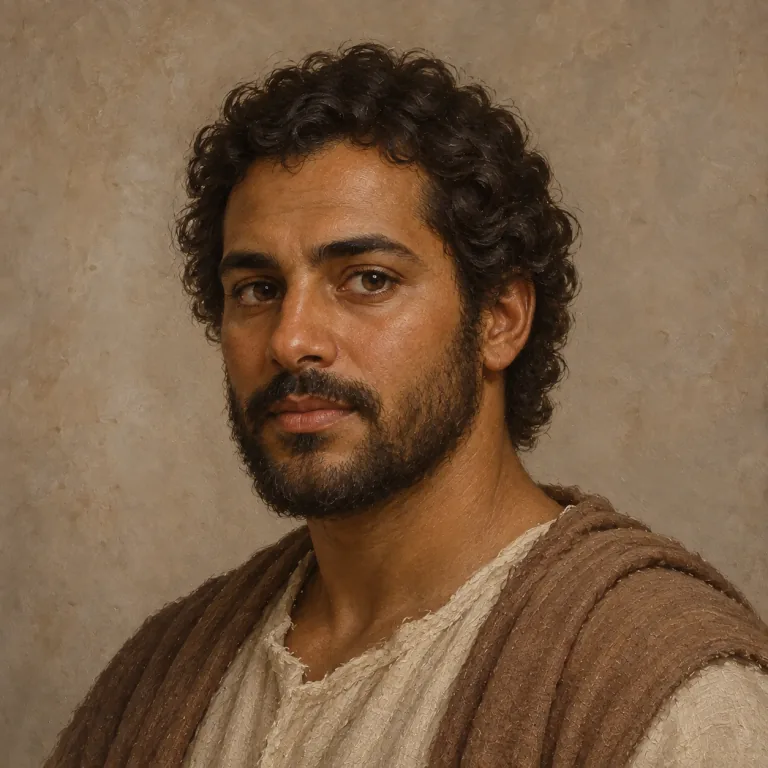
Portrait: an AI-generated artistic interpretation, not evidence of how Joseph of Arimathea looked.
Who Joseph of Arimathea is
Matthew introduces him when the even was come: a rich man of Arimathea, named Joseph, who also himself was Jesus' disciple. He goes to Pilate and begs the body, Pilate commands it to be delivered, and Joseph wraps it in a clean linen cloth, lays it in his own new tomb hewn out in the rock, rolls a great stone to the door and departs. Mark calls him an honourable counsellor, which also waited for the kingdom of God, says he went in boldly unto Pilate and craved the body, and reports that Pilate marvelled that Jesus was already dead and asked the centurion before giving the body to Joseph; Joseph then bought fine linen, took him down, wrapped him and laid him in a sepulchre hewn out of a rock. Luke calls him a counsellor, a good man, and a just, of Arimathea, a city of the Jews, says he had not consented to the counsel and deed of them, that he also waited for the kingdom of God, and that the sepulchre was one wherein never man before was laid. John says he was a disciple of Jesus, but secretly for fear of the Jews, that he besought Pilate, and that Pilate gave him leave.
Cited passages: Matthew 27:57, Matthew 27:58, Matthew 27:59, Matthew 27:60, Mark 15:43, Mark 15:44, Mark 15:45, Mark 15:46, Luke 23:50, Luke 23:51, Luke 23:53, John 19:38
Historical setting
The four accounts describe him with different terms for the same act: a rich man and a disciple in Matthew, an honourable counsellor who waited for the kingdom of God in Mark, a counsellor who was good and just in Luke, and a disciple but secretly for fear of the Jews in John. Luke is the one that says he had not consented to the counsel and deed of them, and the text does not say which decision that was. Arimathea is called a city of the Jews in Luke and is not otherwise placed. That the tomb was his own and new is stated in Matthew; Luke says only that no man had been laid in it before. Mark adds Pilate's check with the centurion. Nothing is said about his family, his age, how he came to be a disciple, or anything he did afterward, and no word of his is quoted in any of the four verses where he asks for the body.
Cited passages: Matthew 27:57, Mark 15:43, Luke 23:50, John 19:38, Luke 23:51, Matthew 27:60, Luke 23:53, Mark 15:44
How the story is told
He enters each Gospel at the same seam, after the death and before the sepulchre is closed, and leaves as soon as the stone is rolled. Each book names the reason he is worth mentioning before it says what he did, so the description carries the weight: rich and a disciple, honourable and waiting, good and just and dissenting, a disciple in secret. The asking is put in a different verb every time, begged, craved, besought, and Mark adds boldly. The work itself is described in short clauses of handling: taking the body, wrapping it, laying it, rolling the stone. He speaks no line in any account.
Cited passages: Matthew 27:57, Matthew 27:58, Mark 15:43, John 19:38, Luke 23:52, Matthew 27:59, Matthew 27:60, Mark 15:46
Story moments
- A rich man of Arimathea (Matthew 27:57). Matthew introduces Joseph at evening as a rich man and a disciple of Jesus.
- He begged the body (Matthew 27:58). Joseph goes to Pilate and asks for the body, and Pilate commands it delivered.
- Went in boldly (Mark 15:43). Mark says the honourable counsellor went in boldly to Pilate and craved the body.
- The centurion asked (Mark 15:45). Pilate gives the body to Joseph only after questioning the centurion.
- He had not consented (Luke 23:51). Luke says Joseph had not consented to the counsel and deed of them.
- A secret disciple (John 19:38). John says he was a disciple secretly, for fear of the Jews, and that Pilate gave him leave.
- His own new tomb (Matthew 27:60). Joseph lays the body in his own new tomb and rolls a great stone to the door.
Key passages
Matthew 27:57
When the even was come, there came a rich man of Arimathæa, named Joseph, who also himself was Jesus’ disciple:
Matthew 27:59
And when Joseph had taken the body, he wrapped it in a clean linen cloth,
Mark 15:43
Joseph of Arimathaea, an honourable counsellor, which also waited for the kingdom of God, came, and went in boldly unto Pilate, and craved the body of Jesus.
Mark 15:45
And when he knew it of the centurion, he gave the body to Joseph.
Luke 23:50
And, behold, there was a man named Joseph, a counsellor; and he was a good man, and a just:
John 19:38
And after this Joseph of Arimathaea, being a disciple of Jesus, but secretly for fear of the Jews, besought Pilate that he might take away the body of Jesus: and Pilate gave him leave. He came therefore, and took the body of Jesus.
King James Version. 6 indexed passages in total.
For reflection
Four books explain Joseph in four different ways before reporting the same request. What does a reader gain, or lose, by holding all four descriptions of one man at once?
Books Joseph of Arimathea appears in
Related people
Names and references are adapted from STEPBible TIPNR. A person listed with a verse is named or indexed there; it does not mean they wrote or spoke it.