The Gospels · New Testament
Mark 3
Mark 3: a withered hand, the twelve named, and a house divided
General context
In the synagogue a man has a withered hand and watchers wait to see whether Jesus will heal on the sabbath so they can accuse him. He asks whether it is lawful to do good or evil, to save life or to kill; they say nothing; he looks round with anger, grieved at their hardness, and the hand is restored. The Pharisees go out and take counsel with the Herodians how to destroy him. He withdraws to the sea, where crowds come from Galilee, Judea, Jerusalem, Idumea, beyond Jordan and around Tyre and Sidon, and a small ship is kept ready. Unclean spirits fall down and call him the Son of God, and he charges them not to make him known. On a mountain he ordains twelve to be with him and to be sent out, surnames Simon Peter, calls the sons of Zebedee Boanerges, and the rest are listed down to Judas Iscariot. His friends say he is beside himself; scribes from Jerusalem say he has Beelzebub. He answers with sayings about a divided kingdom and house, binding the strong man, and blasphemy against the Holy Ghost. His mother and brethren stand outside and send for him, and he says whoever does the will of God is his brother, sister and mother.
Cited passages: Mark 3:1, Mark 3:2, Mark 3:3, Mark 3:4, Mark 3:5, Mark 3:6, Mark 3:7, Mark 3:8, Mark 3:9, Mark 3:10, Mark 3:11, Mark 3:12, Mark 3:13, Mark 3:14, Mark 3:15, Mark 3:16, Mark 3:17, Mark 3:18, Mark 3:19, Mark 3:20, Mark 3:21, Mark 3:22, Mark 3:23, Mark 3:24, Mark 3:25, Mark 3:26, Mark 3:27, Mark 3:28, Mark 3:29, Mark 3:30, Mark 3:31, Mark 3:32, Mark 3:33, Mark 3:34, Mark 3:35
Mark 3 (KJV)
1And he entered again into the synagogue; and there was a man there which had a withered hand.
2And they watched him, whether he would heal him on the sabbath day; that they might accuse him.
3And he saith unto the man which had the withered hand, Stand forth.
4And he saith unto them, Is it lawful to do good on the sabbath days, or to do evil? to save life, or to kill? But they held their peace.
5And when he had looked round about on them with anger, being grieved for the hardness of their hearts, he saith unto the man, Stretch forth thine hand. And he stretched it out: and his hand was restored whole as the other.
6And the Pharisees went forth, and straightway took counsel with the Herodians against him, how they might destroy him.
7But Jesus withdrew himself with his disciples to the sea: and a great multitude from Galilee followed him, and from Judæa,
8And from Jerusalem, and from Idumaea, and from beyond Jordan; and they about Tyre and Sidon, a great multitude, when they had heard what great things he did, came unto him.
9And he spake to his disciples, that a small ship should wait on him because of the multitude, lest they should throng him.
10For he had healed many; insomuch that they pressed upon him for to touch him, as many as had plagues.
11And unclean spirits, when they saw him, fell down before him, and cried, saying, Thou art the Son of God.
12And he straitly charged them that they should not make him known.
13And he goeth up into a mountain, and calleth unto him whom he would: and they came unto him.
14And he ordained twelve, that they should be with him, and that he might send them forth to preach,
15And to have power to heal sicknesses, and to cast out devils:
16And Simon he surnamed Peter;
17And James the son of Zebedee, and John the brother of James; and he surnamed them Boanerges, which is, The sons of thunder:
18And Andrew, and Philip, and Bartholomew, and Matthew, and Thomas, and James the son of Alphaeus, and Thaddaeus, and Simon the Canaanite,
19And Judas Iscariot, which also betrayed him: and they went into an house.
20And the multitude cometh together again, so that they could not so much as eat bread.
21And when his friends heard of it, they went out to lay hold on him: for they said, He is beside himself.
22And the scribes which came down from Jerusalem said, He hath Beelzebub, and by the prince of the devils casteth he out devils.
23And he called them unto him, and said unto them in parables, How can Satan cast out Satan?
24And if a kingdom be divided against itself, that kingdom cannot stand.
25And if a house be divided against itself, that house cannot stand.
26And if Satan rise up against himself, and be divided, he cannot stand, but hath an end.
27No man can enter into a strong man’s house, and spoil his goods, except he will first bind the strong man; and then he will spoil his house.
28Verily I say unto you, All sins shall be forgiven unto the sons of men, and blasphemies wherewith soever they shall blaspheme:
29But he that shall blaspheme against the Holy Ghost hath never forgiveness, but is in danger of eternal damnation:
30Because they said, He hath an unclean spirit.
31There came then his brethren and his mother, and, standing without, sent unto him, calling him.
32And the multitude sat about him, and they said unto him, Behold, thy mother and thy brethren without seek for thee.
33And he answered them, saying, Who is my mother, or my brethren?
34And he looked round about on them which sat about him, and said, Behold my mother and my brethren!
35For whosoever shall do the will of God, the same is my brother, and my sister, and mother.
This page shows the King James Version. In the app, reading opens in the Berean Standard Bible unless you have chosen another translation. The reader includes five translations: the Berean Standard Bible (BSB), the King James Version (KJV), the World English Bible (WEB), the Bible in Basic English (BBE), and the American Standard Version (ASV). Search covers three of them: Berean Standard, King James, and World English. Basic English and American Standard readers search the King James words.
Historical context
The list of the twelve contains two men named James, the son of Zebedee and the son of Alpheus, and they are kept apart by their fathers' names. It also names Thaddeus and Simon the Canaanite, and closes with Judas Iscariot, of whom the narrator says in advance that he betrayed him. Mark gives the surname Boanerges and explains it at once, "which is, The sons of thunder". Those who go out to lay hold on him are called only his friends, and the mother and brethren who arrive later are not named in this chapter. The narrator supplies his own reason for the hard saying about the Holy Ghost, which is that they had said he has an unclean spirit. Nothing in the chapter dates these events or names a ruler.
Cited passages: Mark 3:14, Mark 3:16, Mark 3:17, Mark 3:18, Mark 3:19, Mark 3:21, Mark 3:22, Mark 3:29, Mark 3:30, Mark 3:31, Mark 3:32, Mark 3:35
Literary context
The chapter sets two kinds of recognition side by side. Watchers in the synagogue hold their peace and then plot, while unclean spirits fall down and say plainly who he is and are silenced. The naming of the twelve stands between crowds pressing in and accusations closing in. Mark also sets the scribes' charge between two approaches from his own circle: his friends go out to lay hold on him, the scribes bring their charge, and only then do his mother and brethren arrive, standing without. The refrain cannot stand is repeated of kingdom, house and Satan, and the last words redraw family around doing the will of God.
Cited passages: Mark 3:2, Mark 3:4, Mark 3:5, Mark 3:6, Mark 3:9, Mark 3:11, Mark 3:12, Mark 3:13, Mark 3:14, Mark 3:20, Mark 3:21, Mark 3:22, Mark 3:24, Mark 3:25, Mark 3:26, Mark 3:27, Mark 3:31, Mark 3:33, Mark 3:34, Mark 3:35
Key moments
- Silence to a question (Mark 3:4). Asked what is lawful on the sabbath, the watchers hold their peace.
- The hand restored (Mark 3:5). He looks round with anger, grieved at hardness of heart, and the hand is made whole.
- Counsel to destroy him (Mark 3:6). Pharisees and Herodians take counsel how they might destroy him.
- Twelve ordained (Mark 3:14). He ordains twelve to be with him and to be sent out to preach.
- Boanerges translated (Mark 3:17). Mark gives the surname of Zebedee’s sons and renders it as the sons of thunder.
- He is beside himself (Mark 3:21). His friends go out to lay hold on him, saying he is beside himself.
- Family redrawn (Mark 3:35). Whoever does the will of God is called his brother, sister and mother.
For reflection
The chapter reports anger and grief in Jesus at the silence in the synagogue, and then a plot to destroy him. How does the text place those two reactions next to each other?
People in this chapter
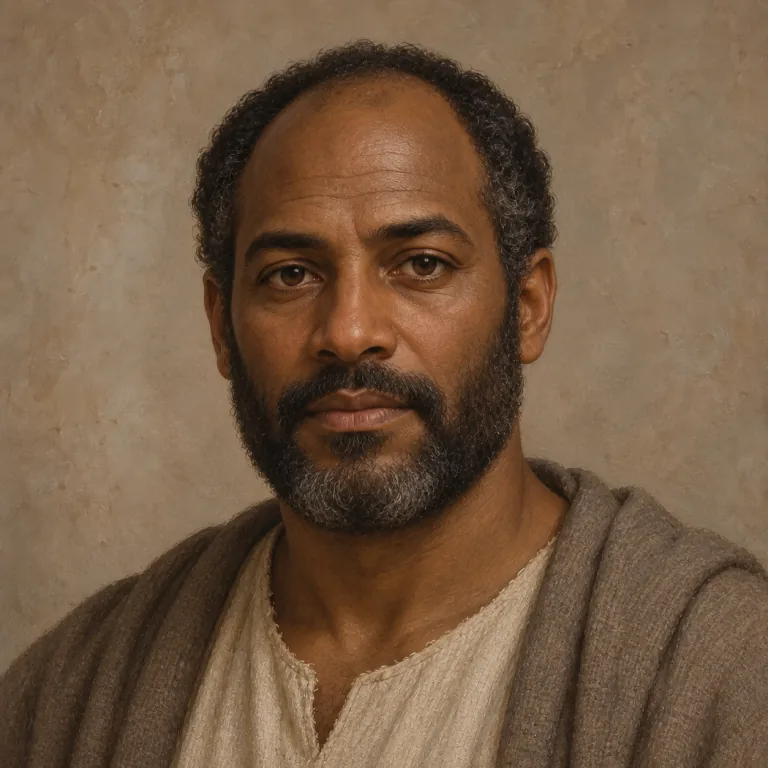 Andrew
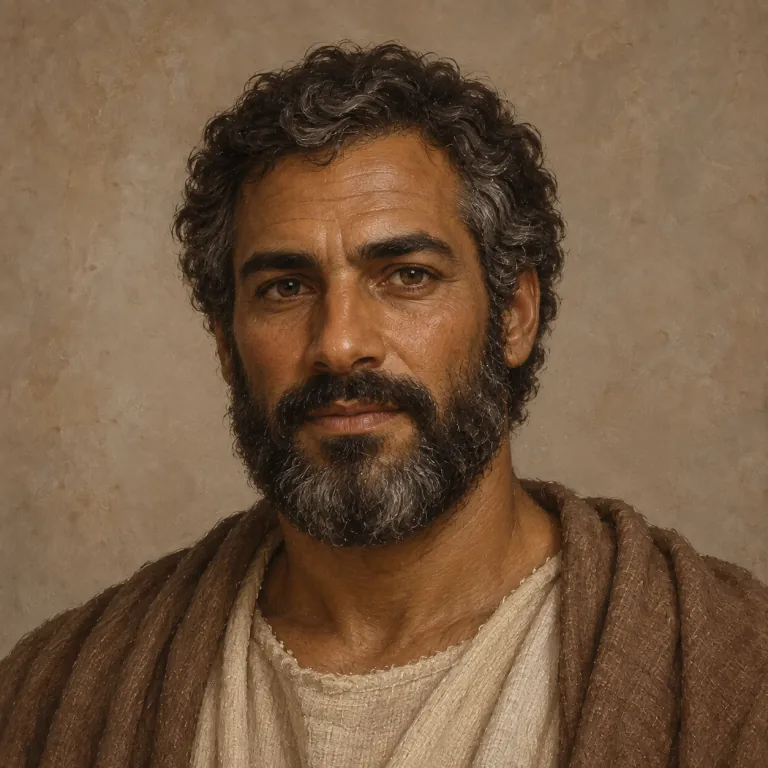 Bartholomew
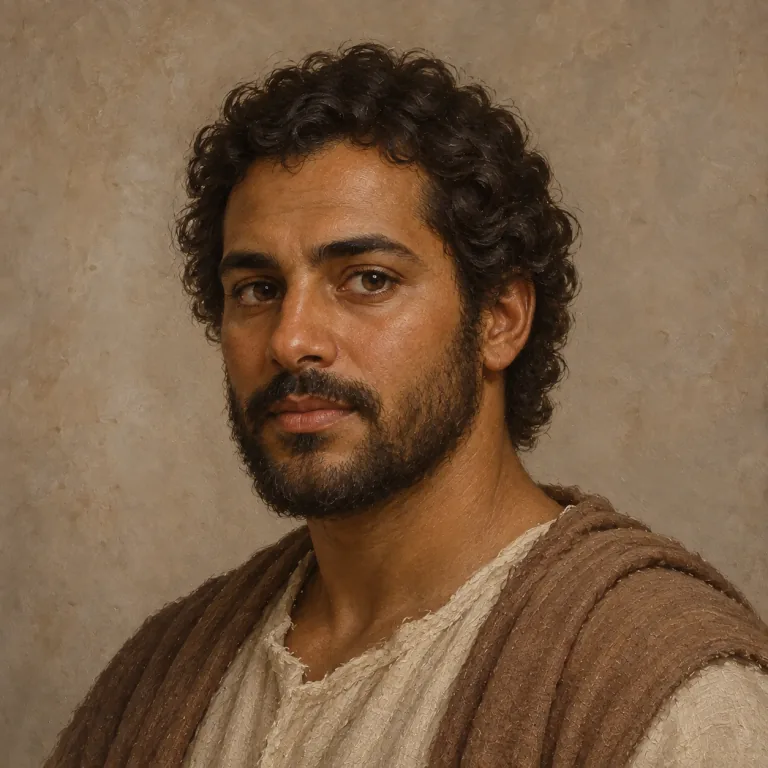 James son of Alphaeus
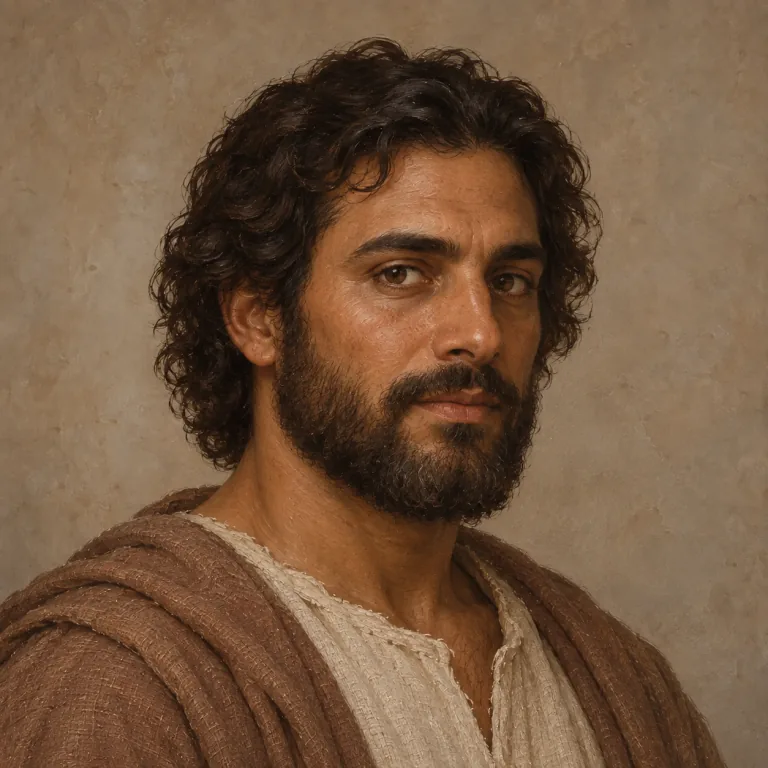 James son of Zebedee
 Jesus Christ
 John the Apostle
 Judas
Judas Jude Thaddaeus
 Matthew
 Peter
Peter Philip the apostle
 Simon the Canaanite
 Thomas
Also indexed here: